
In 2025, the Web3 landscape is fundamentally different from just a few years ago. The rise of onchain attestations has transformed how projects and users approach Know Your Customer (KYC) requirements, especially when it comes to allowlists for token launches, gated DeFi pools, and exclusive NFT drops. What used to be a tedious, repetitive process is now portable, privacy-preserving, and efficient, thanks to innovations in decentralized identity.

Why Portable KYC Matters for Web3 Allowlists
Allowlists are the backbone of fair participation in token sales and community-driven Web3 initiatives. But until recently, each project required users to submit KYC documents again and again, creating friction, exposing sensitive data, and slowing down onboarding. In an era where decentralized identity is finally maturing, this old model no longer makes sense.
Portable KYC, enabled by onchain attestations, lets users complete verification once and reuse that proof across any number of dApps or platforms. This means less paperwork for participants and dramatically reduced compliance overhead for projects. For allowlist managers and DeFi teams juggling hundreds or thousands of signups, this is a game-changer.
The Tech Behind Reusable Onchain Attestations
So how does this work under the hood? At its core are cryptographic proofs, think verifiable credentials, that live on blockchain networks but don’t actually expose your personal details publicly. Instead, these credentials act as attestations: signed statements from trusted KYC providers or protocols confirming that an address meets certain criteria (like age or accredited investor status).
This year’s breakthroughs include:
- Blockpass and BNB Attestation Service (BAS): Integration allows reusable credentials on Binance’s BNB Chain with granular access controls.
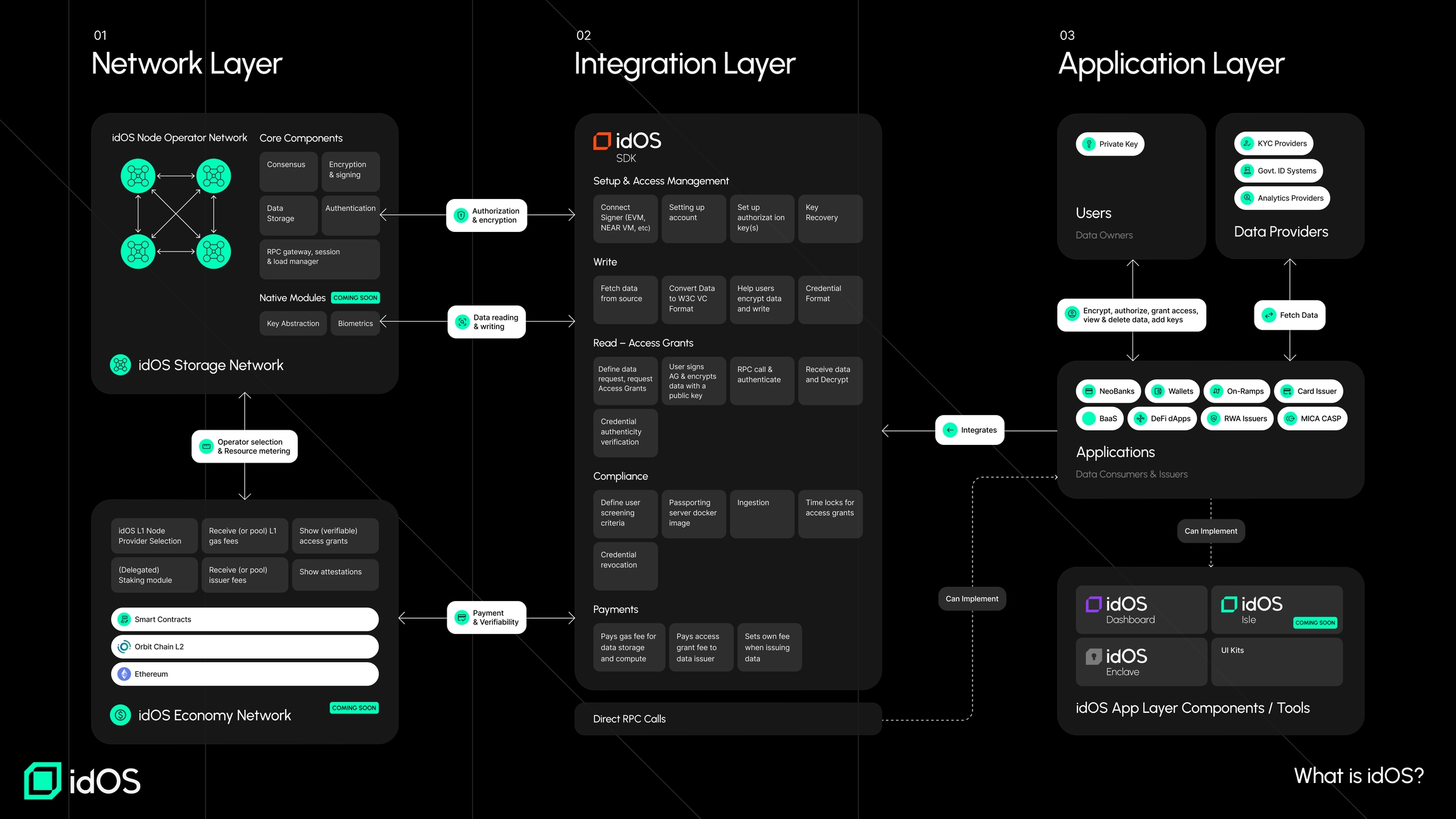
- idOS Network: Enables self-sovereign identity storage across 40 and blockchains; users control who sees their data.
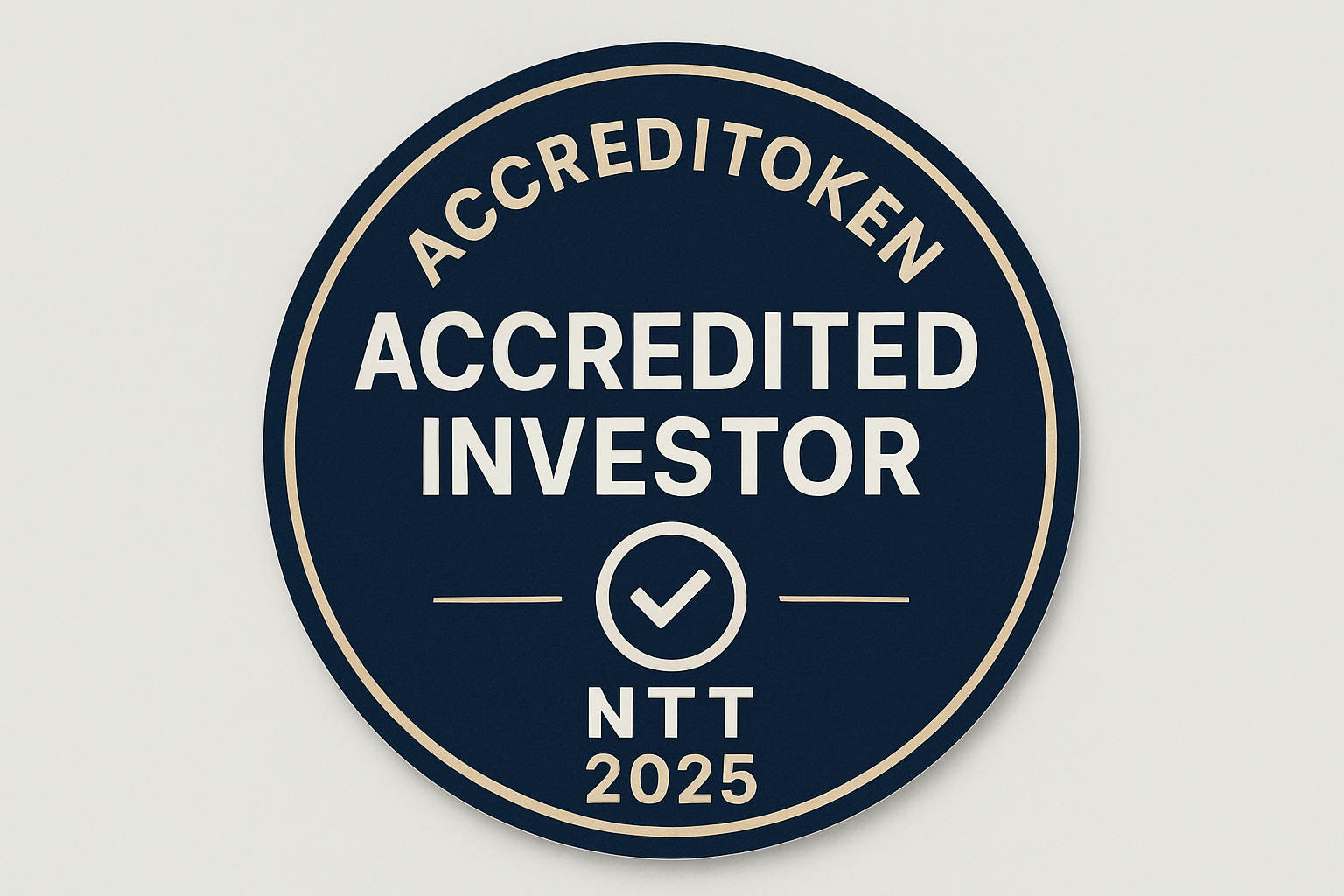
- Accreditoken: Issues non-transferable tokens (NTTs) representing verified status in any supported wallet.
- No-Code Solutions like Attest Protocol: Projects can add portable KYC checks with minimal development effort.
If you want to dive deeper into how these cryptographic proofs keep your data safe while streamlining compliance workflows for projects, check out our detailed guide: How Onchain Attestations Enable Secure KYC Verification for Web3 Allowlists.
User Experience: From Friction to Fluidity
The impact on user experience can’t be overstated. Instead of uploading documents repeatedly or waiting days for manual reviews, users now receive a portable attestation after their first verification. This credential can be instantly presented to any compatible allowlist or protocol, often with just a wallet signature.
This new UX paradigm solves several pain points:
- No more redundant submissions: One-time verification unlocks access everywhere.
- User-controlled privacy: Share only what’s necessary; keep sensitive info off-chain.
- Smoother onboarding: Projects see higher conversion rates and happier communities.
The shift isn’t just technical; it’s cultural. As more communities embrace onchain attestations for allowlists and token sales, expectations around privacy and convenience are rapidly evolving, and legacy models are being left behind.
Developers, too, are reaping the rewards. Instead of building bespoke KYC flows or integrating with multiple siloed providers, teams can now plug into open attestation standards and instantly tap into a global pool of verified users. This unlocks composability: a user who’s KYCed for one DeFi protocol can seamlessly join another’s allowlist, participate in a new NFT mint, or access a gated DAO forum, all with the same credential.
For compliance officers and legal teams, onchain attestations simplify audits and reporting. Immutable records of verification status are available on-chain, while sensitive data stays private and off the public ledger. This approach aligns with GDPR and other evolving privacy frameworks, reducing risk for both platforms and users. It also means that if regulations change, as they often do, projects can update their requirements without forcing everyone to re-verify from scratch.
Security and Privacy: Built-In by Design
One of the most powerful aspects of portable KYC via onchain attestations is how it balances security with privacy. Credentials are cryptographically signed by trusted issuers but only reveal the minimum necessary information, perhaps just that an address passed KYC at a certain date or meets jurisdictional requirements. There’s no public dump of personal data on-chain.
Because attestations are non-transferable (tied to a wallet), they can’t be sold or forged like paper documents. This greatly reduces fraud risk for token sales and governance votes where eligibility matters. And since users control their own credentials, revoking or updating them as needed, they’re not locked into any single provider or platform.
What’s Next? The Future of Decentralized Identity in Web3
The momentum behind decentralized identity is only accelerating. As more dApps, launchpads, and DAOs adopt open attestation protocols, we’ll see network effects kick in: every new integration makes portable KYC more valuable for everyone involved.
This isn’t just about convenience, it’s about empowering users to own their digital reputation across ecosystems while giving projects tools to manage compliance at scale. Looking ahead, expect further interoperability between blockchains (thanks to standards like idOS Network), richer forms of verifiable credentials (covering everything from professional licenses to social reputation), and even AI-driven agents managing attestations on behalf of users.
Top Use Cases for Portable Onchain KYC in 2025
- Seamless Access to Web3 Allowlists: Portable onchain KYC lets users join multiple project allowlists with a single verification, eliminating repetitive KYC checks and streamlining onboarding across NFT drops, DeFi launches, and exclusive token sales.
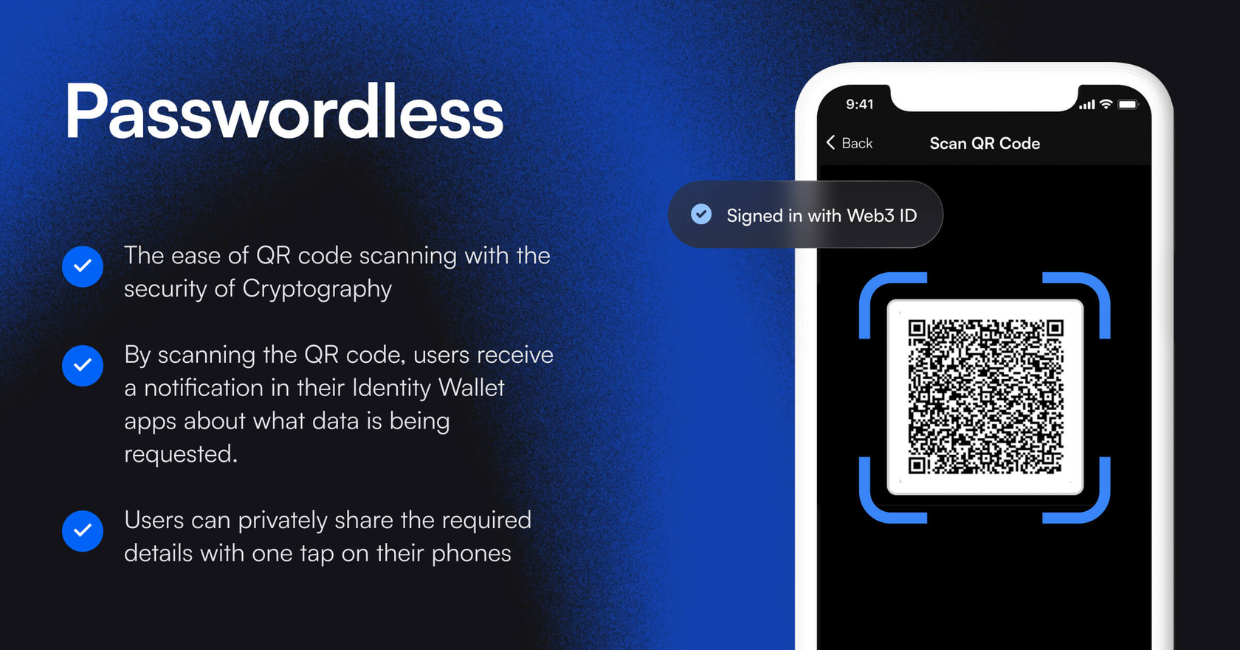
- Cross-Chain dApp Onboarding: Solutions like idOS Network enable users to reuse their verified identity across 40+ blockchains, making it easy to access diverse dApps without re-verifying.
- Privacy-Preserving Compliance for DeFi Pools: With platforms like Blockpass, users can prove eligibility for regulated DeFi pools or liquidity mining while keeping sensitive data private through onchain attestations.

- One-Time KYC for Accredited Investor Verification: Accreditoken issues non-transferable tokens (NTTs) after a single verification, allowing users to prove age or investor status across multiple platforms and chains.
- No-Code KYC Integration for Developers: Attest Protocol offers a no-code solution for adding portable KYC checks to dApps, reducing development time and ensuring compliance with minimal effort.
If you’re managing an allowlist or building a Web3 platform that needs secure identity checks without sacrificing user experience, now is the time to explore what onchain attestations for KYCed addresses can do for your community.
The era of repeated document uploads is ending, and with it comes a new standard for privacy-preserving compliance across decentralized networks.




No comments yet. Be the first to share your thoughts!