
Web3’s promise of open, borderless access has long been hampered by the friction of repeated Know Your Customer (KYC) checks. In 2025, this bottleneck is finally giving way to a new paradigm: reusable onchain KYC attestations. By allowing users to verify their identity once and seamlessly re-use that proof across any number of decentralized applications (dApps), these attestations are fundamentally transforming how individuals and organizations onboard into the Web3 ecosystem.
The End of Redundant Identity Checks
Historically, every new DeFi platform, NFT marketplace, or gated community required its own siloed KYC process. This not only led to poor user experience but also increased compliance costs for projects and exposed users to unnecessary privacy risks. With the advent of reusable onchain KYC attestations, this model is being replaced by a more efficient and privacy-conscious system.
Solutions like Sumsub ID, integrated into the Solana Attestation Service (SAS) and Linea’s Verax protocol in 2025, exemplify this shift. A user completes their identity verification once, often with liveness checks and wallet linking, and receives an attestation cryptographically tied to their self-hosted wallet. This attestation can then be recognized by any participating dApp in that ecosystem, eliminating duplicate onboarding steps. According to recent data from Sumsub’s rollout on Solana, onboarding times have dropped by up to 50%, while conversion rates have improved by 30%.
How Reusable Onchain KYC Works
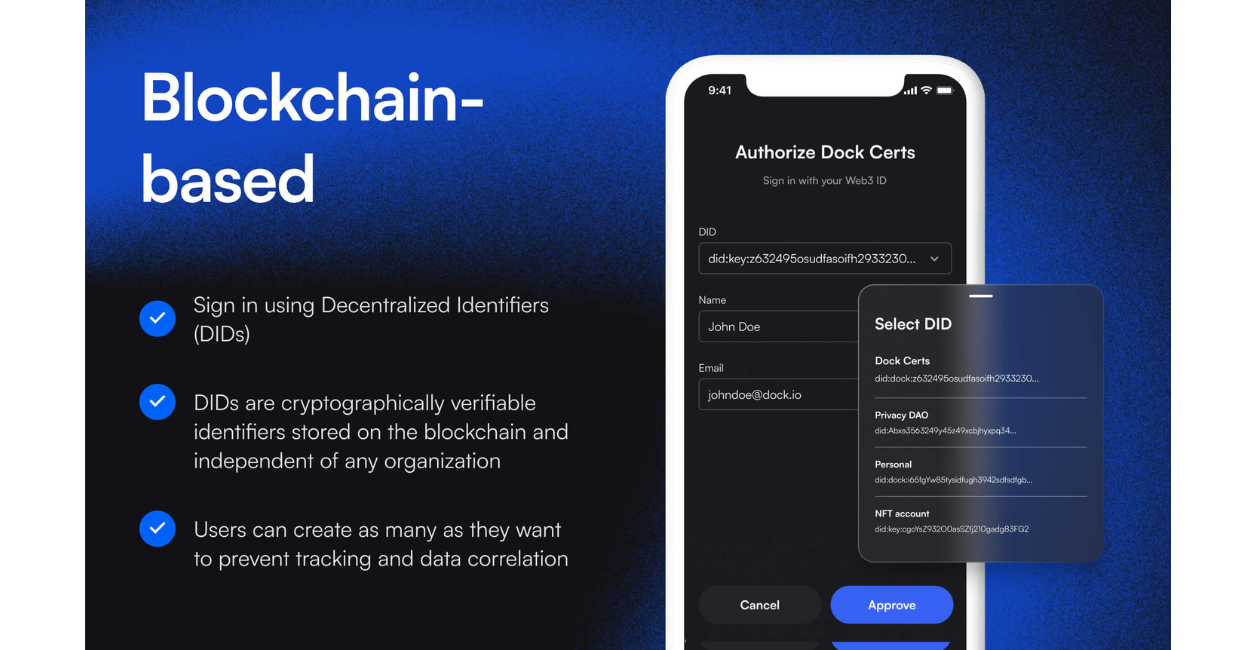
The core innovation lies in decoupling sensitive identity data from the blockchain itself. Instead of storing personal details on-chain, which would be antithetical to privacy, platforms issue non-transferable tokens or cryptographic proofs that simply attest that a wallet address has passed a specific level of KYC scrutiny. For example:
- Blockpass’s On-Chain KYC® 2.0 issues reusable attestations or zero-knowledge proofs after one-time verification, allowing users to prove eligibility without revealing underlying data.
- Accreditoken provides non-transferable tokens (NTTs) signifying attributes like age or accredited investor status, portable across compliant dApps.
- IDnow’s integration in the European Blockchain Sandbox ensures that verified identity data stays off-chain; only an immutable attestation is recorded publicly.
This architecture enables strong compliance for projects while respecting user privacy, a critical balance as regulations tighten globally.
Key Drivers Behind Adoption in 2025
The rapid mainstreaming of reusable KYC attestations is not accidental. Several converging trends have accelerated their uptake across the Web3 landscape:
- Interoperability: As more blockchains adopt standardized attestation protocols, users can move fluidly between ecosystems without re-verifying their identity each time.
- User Experience: The ability to unlock dozens of platforms with a single click dramatically reduces onboarding fatigue, a known barrier for mainstream adoption.
- Compliance and Security: Projects benefit from streamlined regulatory processes while minimizing exposure to sensitive data leaks or breaches.
- Privacy Enhancements: Zero-knowledge proof-based systems allow users to demonstrate compliance without ever exposing personal information on-chain.
This shift is empowering both users and developers, laying the groundwork for more inclusive financial services and innovative tokenized communities. For those seeking deeper technical insights into how these attestations operate at scale, and how they can streamline allowlist management, see our in-depth guide here.
With these advancements, projects no longer face the operational drag of verifying users from scratch. Instead, they can instantly check the validity of an onchain KYC attestation and grant access in real time. This model is particularly impactful for token launches, gated DAOs, and DeFi protocols that must balance compliance with user autonomy. Notably, solutions like Accreditoken’s non-transferable tokens (NTTs) are being adopted for age-gating NFT drops and verifying accredited investor status in cross-chain DeFi pools, without ever exposing sensitive details.
From a regulatory perspective, reusable onchain KYC is also proving to be a game changer. By leveraging zero-knowledge proofs and privacy-first design, these attestations satisfy evolving global standards while minimizing the risk footprint for both users and platforms. As European pilots like the Blockchain Sandbox have shown, keeping personal data offchain while anchoring attestations on public ledgers strikes a pragmatic balance between transparency and confidentiality.
Strategic Implications for Web3 Projects
The strategic benefits of adopting reusable KYC attestations ripple across all layers of the ecosystem:
- Faster Go-to-Market: Projects can onboard compliant users in minutes rather than days, accelerating product launches and community growth.
- Lower Compliance Overhead: By outsourcing attestation issuance to trusted providers like Sumsub or Blockpass, dApps reduce legal complexity and resource strain.
- Improved Conversion Metrics: Reduced onboarding friction translates directly into higher participation rates for allowlists, token sales, and gated communities.
- Ecosystem Synergy: Shared attestation standards foster collaboration between dApps, enabling cross-platform loyalty programs or interoperable allowlists.
This is particularly relevant as more projects look to streamline allowlist management or enable portable identity across multi-chain environments. For a practical breakdown of how onchain attestations are reshaping allowlist workflows in 2025, explore our analysis at this resource.
What’s Next? The Road Ahead for Decentralized Identity
The momentum behind reusable onchain KYC will only intensify as standards mature and new privacy-preserving technologies emerge. Expect further integration with Layer-2s, cross-chain bridges, and even traditional finance rails as digital identity becomes truly portable. Emerging use cases include:
- DeFi credit scoring based on verified credentials rather than opaque wallet histories
- Decentralized workforce platforms using attestations to verify professional qualifications or work eligibility
- Civic applications, such as e-voting or benefit distribution with privacy-first compliance checks
The ultimate vision is clear: a Web3 where users control their identity narrative, reusing verifiable credentials anywhere without sacrificing privacy or security. For those building next-generation dApps or managing token sales with strict compliance needs, integrating reusable KYC attestations isn’t just an upgrade, it’s rapidly becoming table stakes.



No comments yet. Be the first to share your thoughts!