

The Web3 landscape in 2025 is defined by a new standard for digital identity: onchain attestations for KYCed addresses. As regulatory scrutiny intensifies and users demand greater privacy, these cryptographic proofs have become essential for managing allowlists in decentralized applications, token sales, and gated communities. At the heart of this shift is the ability to confirm compliance without ever exposing sensitive personal data, a breakthrough that is quietly shaping the future of permissioned access across blockchains.

Why Traditional Allowlist Management Falls Short
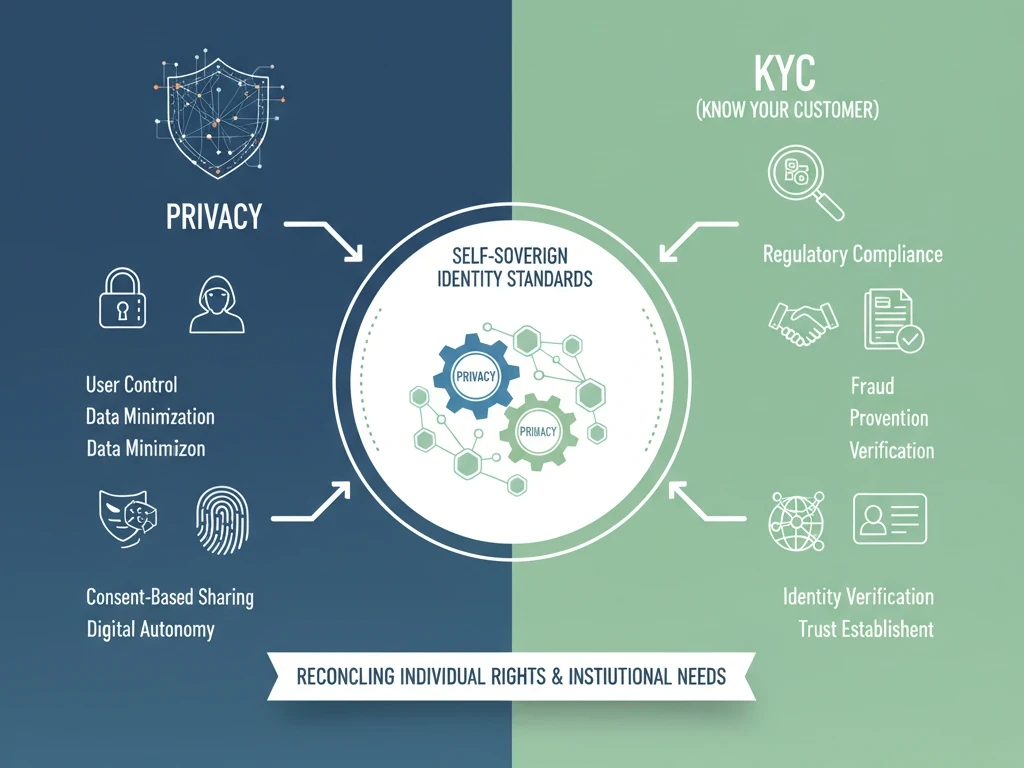
Historically, allowlists in crypto and DeFi have been plagued by inefficiencies. Projects would manually collect user information or rely on centralized KYC providers, forcing participants to repeat verification processes for every new platform. This not only exposed users to unnecessary privacy risks but also introduced friction that stifled adoption. As a result, both users and project teams faced a dilemma: choose between security and usability.
In 2025, with Ethereum trading at $2,931.83, the stakes are higher than ever. Token launches, NFT mints, and community access all require robust compliance controls, but without sacrificing the open ethos of Web3. The industry needed a solution that was secure, privacy-preserving, and interoperable.
The Rise of Onchain Attestations for KYCed Addresses
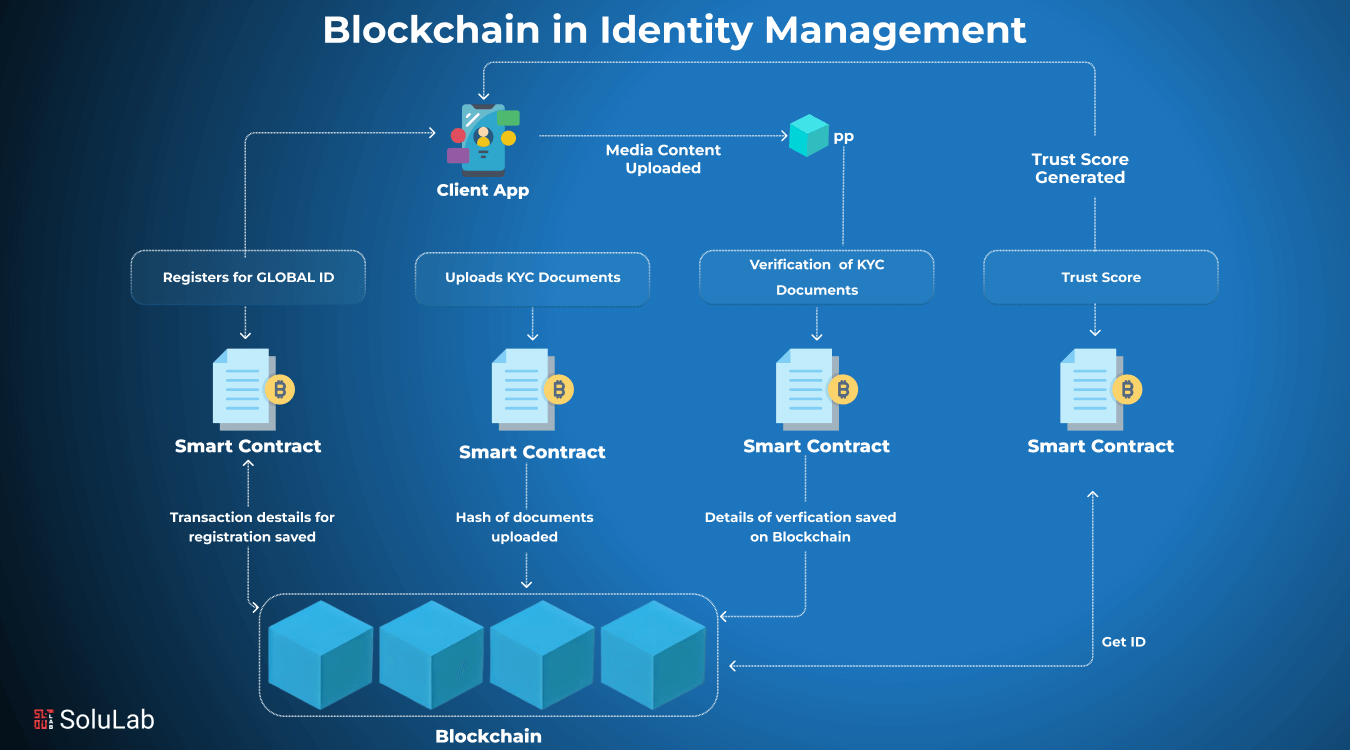
Onchain attestations are digital proofs stored directly on blockchain networks. When a wallet passes KYC with an approved provider, an attestation is issued onchain, confirming eligibility without revealing who the holder is or what documents they submitted. This paradigm shift means that once verified, a user can seamlessly participate in any dApp or token sale requiring compliance checks simply by presenting their attestation.
Privacy remains paramount: Solutions like Blockpass’s On-Chain KYC® 2.0 ensure that personal data never leaves the custody of the user or trusted provider; only the result provides “verified” or “not verified”: is visible onchain. This model not only reduces attack surfaces for hackers but also aligns with global privacy regulations.
Streamlining Allowlist Management Across Ecosystems
The impact on allowlist management has been profound. Platforms can now automate participant screening using smart contracts that read and verify attestations in real time, no more spreadsheets or manual cross-checks. For example, Solana’s Attestation Service enables off-chain data (like KYC outcomes) to be associated with wallets via tokenized proofs, while Altme’s credentials can be reused across multiple dApps without redundant onboarding.
This interoperability unlocks a frictionless experience for users, and dramatically reduces operational overhead for projects managing large-scale events like token launches or exclusive NFT drops. It also paves the way for composable compliance: smart contracts can enforce rules (such as “only wallets with valid attestations may participate”) without ever touching private information.
- Efficiency: One-time verification unlocks access across many platforms
- Security: No central database of user identities vulnerable to breaches
- Compliance: Automated checks meet AML/CFT requirements globally
- User Experience: Seamless onboarding with no repeated document uploads
The result? A Web3 ecosystem where trust is programmable, and permissioned participation is as simple as signing a transaction.
Programmable Trust and the Future of Token Sales
As token sales and gated communities become more sophisticated, programmable trust is emerging as the gold standard for compliance. Smart contracts can now enforce allowlist conditions based on onchain attestations for KYCed addresses, ensuring only eligible participants can interact with regulated assets. This removes human error and bias from the process, while giving projects fine-grained control over who accesses their offerings. For instance, a token sale smart contract might automatically restrict transfers to wallets with valid attestations, meeting both regulatory requirements and community standards.
This approach doesn’t just streamline compliance, it also builds confidence among users and institutional partners. With Ethereum’s price at $2,931.83, risk management and regulatory clarity are top priorities for large-scale capital inflows. By leveraging decentralized KYC verification, projects signal their commitment to both innovation and accountability.
Privacy-Preserving Blockchain Identity: A New User Paradigm
User sovereignty is at the core of privacy-preserving blockchain identity solutions. Instead of repeatedly submitting sensitive documents to every new platform, individuals now hold reusable credentials that prove compliance without revealing personal details. This not only aligns with global data protection laws but also empowers users to control their digital footprint in Web3 ecosystems.
With solutions like Altme and Blockpass leading the way, users can confidently navigate token sales, DAOs, or exclusive NFT mints knowing their identity is protected by cryptography, not by trust in a central authority. The result is a more open yet compliant marketplace where participation barriers are lowered and user autonomy is respected.
Interoperability: One Attestation, Many Opportunities
The true power of onchain attestations lies in their interoperability across blockchains and applications. Once a wallet receives a KYC attestation from an approved provider, it can be recognized by any smart contract or dApp that supports the relevant schema, no need to start over with each project.
This “verify once, use everywhere” model is particularly valuable for allowlist managers coordinating multi-chain launches or cross-platform events. It also creates opportunities for composable compliance frameworks where policies evolve dynamically as regulations change or new standards emerge.
Best Practices for Web3 Allowlist Management in 2025
- Choose reputable KYC providers: Ensure your attestation source meets industry standards for privacy and security.
- Adopt open schemas: Use widely-accepted credential formats to maximize interoperability across platforms.
- Automate allowlist checks: Integrate smart contracts that read attestations directly onchain for real-time access control.
- Prioritize user experience: Minimize onboarding friction by supporting portable credentials and seamless wallet interactions.
If you’re building or managing an allowlist-driven community or protocol, consider how these tools can transform your workflow, and protect your users. For deeper technical insights on integrating decentralized KYC verification into your stack, see our practical guide: How Onchain Attestations Enable Secure KYC Verification for Web3 Allowlists.
Looking Ahead: The Next Evolution of Decentralized Compliance
The adoption curve for onchain attestations is accelerating as regulators demand more transparency without sacrificing user rights. With programmable compliance now possible at scale, and Ethereum holding steady at $2,931.83, Web3 projects are embracing these tools not just out of necessity but as a competitive advantage.
The next wave will likely see further integration between cross-chain identity services (such as Chainlink ACE) and privacy-preserving protocols that enable selective disclosure of credentials. As this infrastructure matures, expect more frictionless onboarding experiences, where joining a new DAO or participating in a global token sale requires nothing more than presenting your attested wallet signature.
The era of repeated document uploads and siloed compliance checks is ending. In its place stands an ecosystem where trust is verifiable onchain, seamlessly connecting users to opportunity while keeping privacy intact.
For more strategies on building secure allowlists using onchain attestations for KYCed addresses in the evolving Web3 landscape, explore our latest insights here.
About the Author