

In the fast-evolving Web3 space of 2025, where DeFi rug pulls and pig butchering scams claim billions annually, reliable identity verification stands as the frontline defense against fraud. Platforms face a stark choice: cling to risky shortcuts like buying pre-verified KYC accounts or embrace onchain KYC attestations for genuine, tamper-proof credentials. As someone who's guided DeFi teams through compliance mazes, I urge projects to weigh these paths carefully; the former invites disaster, while the latter builds lasting trust.
Unpacking the Allure and Alarms of Buying KYC Accounts
The temptation to purchase ready-made KYC accounts surges amid tightening US crypto regulations, which now demand stringent Know Your Customer protocols and enhanced due diligence for high-risk activities. Sellers hawk these on underground forums, promising quick badges for allowlists or token sales. Yet, this practice, riddled with buying KYC accounts risks, fuels the very scams plaguing 2025: from fake Ethereum airdrops impersonating foundations to rug pulls that evaporate user funds overnight.
Top 2025 Crypto Scams Linked to Fake KYC
| Scam Type | Description | KYC Role | Source |
|---|---|---|---|
| Rug Pulls | DeFi scams where developers hype projects, raise funds, then abandon them, leading to billions in losses. | Scammers use fake KYC badges or attestations to build credibility and attract investors. | Sumsub, SoFi |
| Pig Butchering | Romance fraud where scammers build trust via relationships, then lure victims into fake crypto investments. | Fake or purchased KYC accounts impersonate legitimate platforms or advisors to enable fraudulent transactions. | SoFi, Hodder Law |
| Fake Exchanges (Imposter Wallets) | Phishing sites mimicking real exchanges or wallets to steal funds, credentials, and data. | Present fake KYC verification processes to appear compliant and trustworthy, collecting user data. | SoFi, Tatum.io |
Consider Certik's recent report: developers slap fake KYC badges on scam projects, luring investors into pools destined for drainage. Legal fallout hits hard too; platforms banning offenders and regulators like California's DFPI tracking these frauds mean fines and blacklists for buyers. Privacy? Forget it, handing passports to shady vendors invites identity theft in an era of deepfakes and wrench attacks.

Why Fraudsters Love Pre-Verified Accounts: A Deeper Dive
Scammers thrive on this loophole because bought accounts bypass scrutiny, enabling seamless infiltration of gated communities. Reports from Ledger and Tatum. io highlight how billions vanish yearly, with rug pulls topping lists; fake KYC seals the illusion of legitimacy. I've advised projects burned by this: one DeFi protocol lost $10 million after allowlist invaders drained liquidity, all thanks to unverifiable badges passed off as gold-standard verification.
Regulatory pressure amplifies the peril. AMLBot notes KYC mandates now require EDD for suspicious transactions, rendering bought accounts radioactive. Users risk personal data exposure, while projects face delisting from exchanges demanding clean chains. The practical fix? Ditch the black market; true Web3 KYC verification demands transparency, not shadows.
Risks of Buying KYC Accounts
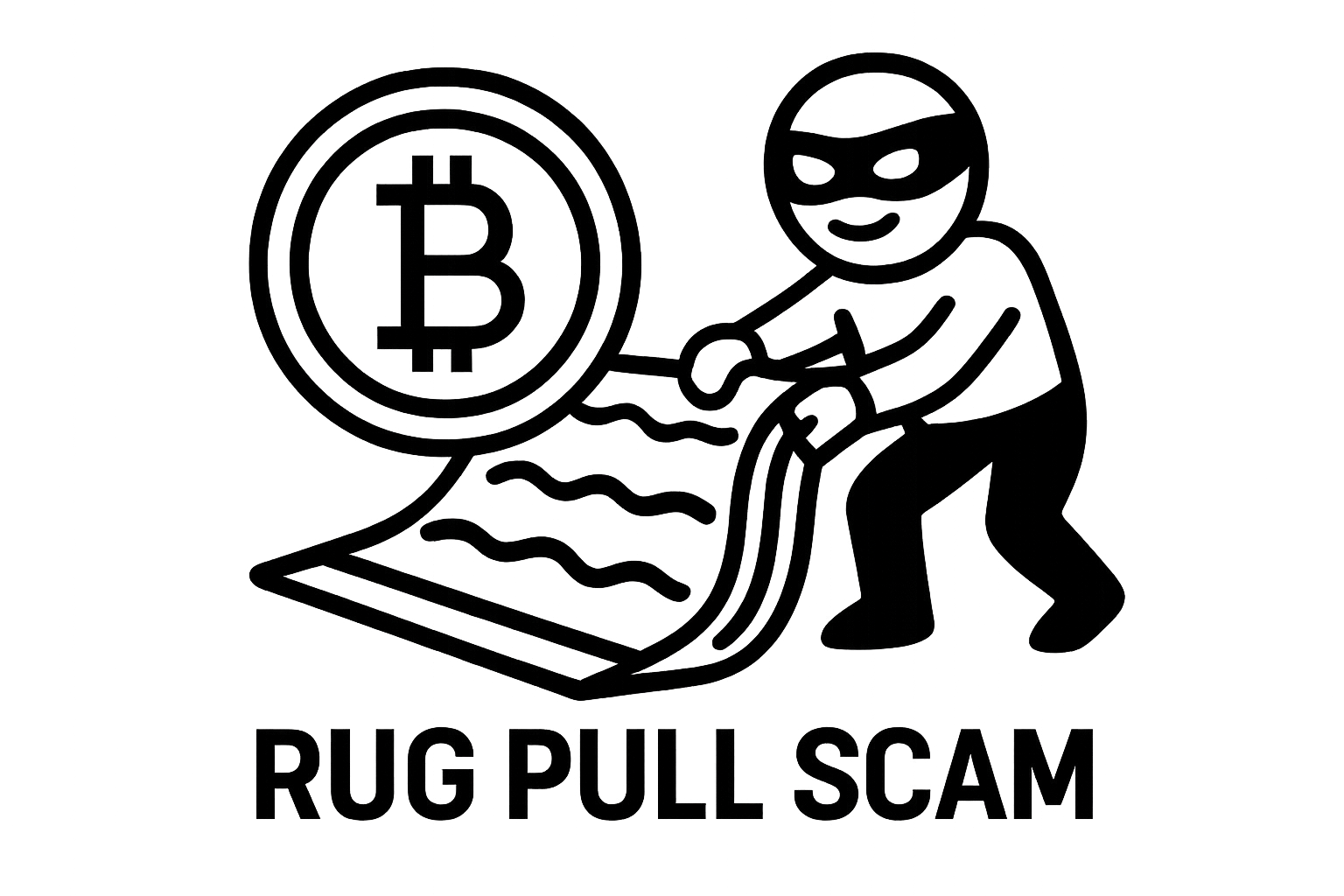
- Enables Rug Pulls & Fraud: Malicious actors use bought KYC accounts for DeFi scams like rug pulls, misleading communities and causing losses (Certik report).
- Triggers Legal Bans & Fines: Violates AML/KYC rules, leading to fines, bans, and enforcement under 2025 US crypto regulations.
- Breaches Data Privacy: Sharing info with shady sellers risks breaches and identity theft in unverified transactions.

- Fails Regulatory EDD: Skips Enhanced Due Diligence for high-risk activities, non-compliant with strict KYC mandates.
- Erodes Community Trust: Fake verifications undermine Web3 trust, fueling scams and investor skepticism.

Onchain KYC Attestations: Forging a Safer Verification Standard[/h2>
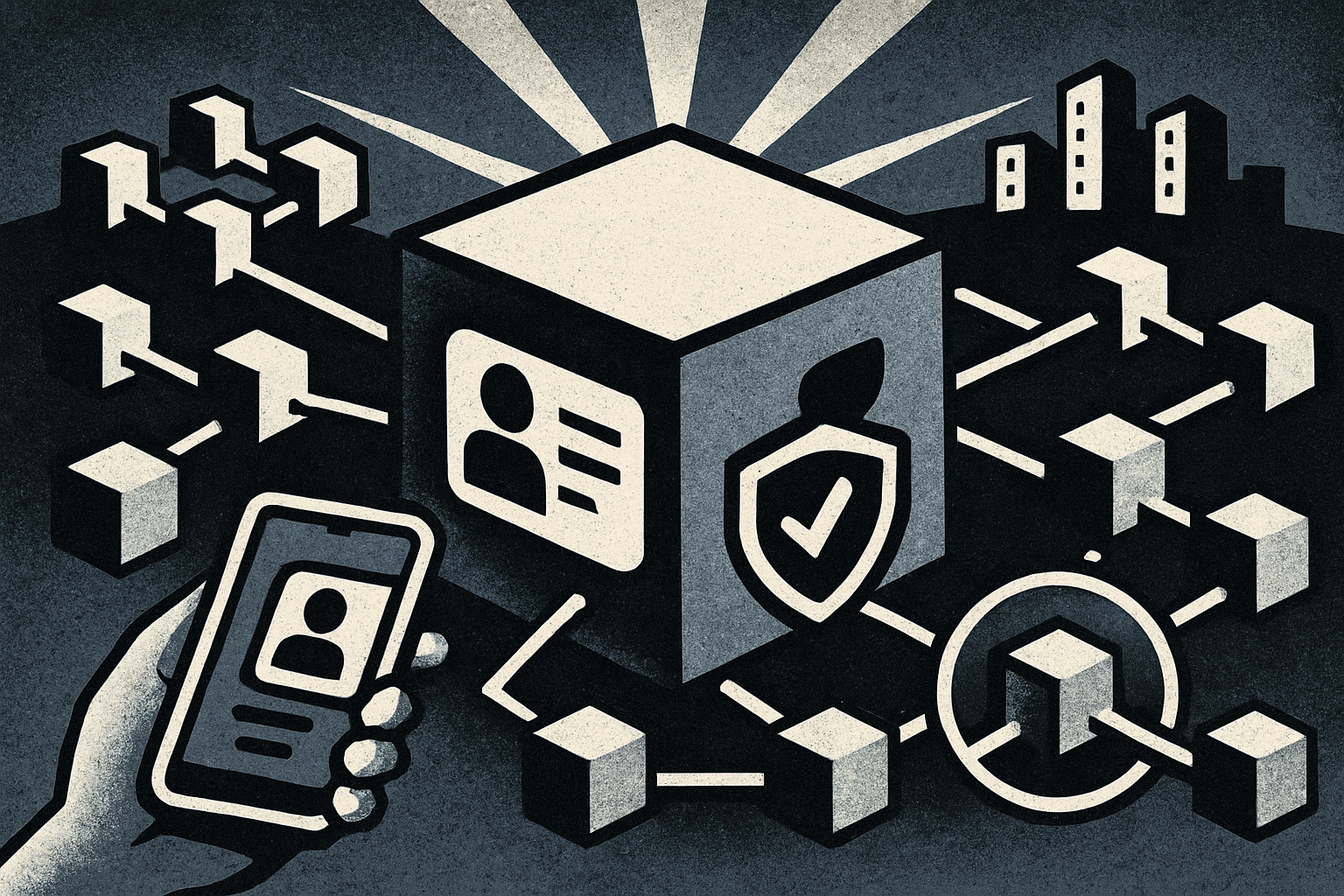
Enter onchain KYC attestations, a beacon for privacy-conscious Web3. Unlike static bought accounts, these are decentralized credentials etched on blockchain, verifiable across chains without resubmission. Platforms like OnchainKYCe. me issue them post-legit KYC, empowering KYC for crypto airdrops and allowlists with zero-knowledge proofs that confirm humanity sans data leaks.
This shift aligns innovation with compliance. Users onboard once, reuse everywhere, slashing friction in token sales and allowlists. No more repetitive uploads; instead, zkKYC tech proves attributes selectively, dodging the privacy pitfalls of traditional methods.
Projects I've consulted for have seen allowlist sign-ups jump 40% after switching to this model, as users appreciate not forking over documents repeatedly. It's not just convenient; it's a compliance powerhouse. Regulators applaud verifiable, auditable proofs that stand up to EDD scrutiny, while scammers hit a wall trying to forge blockchain-anchored data.
Key Advantages of Onchain KYC Attestations Over Bought Accounts
Onchain KYC Attestations vs Buying KYC Accounts: Key Comparison
| Aspect 💡 | Onchain KYC Attestations ✅ | Buying KYC Accounts ❌ |
|---|---|---|
| Verification Method | Decentralized and Reusable 🔄 | Centralized and Single-Use ⛓️ |
| Privacy | ZK-Proofs Protect Data 🔒🛡️ | Full Exposure 👁️⚠️ |
| Compliance Risk | Meets EDD Standards 📋✅ | High Fines/Bans ⚖️🚨 |
| Cost Long-term | One-time Fee 💰✓ | Recurring Purchases 💸🔄 |
| Scam Vulnerability | Tamper-Proof 🛡️🔒 | Enables Rug Pulls 🪣💥 |
Take decentralized KYC allowlists: with onchain attestations, managers query credentials instantly via smart contracts, gating access without storing PII. This obliterates the single-point failures of bought accounts, where one compromised vendor poisons the well. In 2025's scam-saturated market, where pig butchering and fake wallets siphon funds daily per SoFi and Ledger reports, this verifiability is non-negotiable.
Privacy stands out most. Zero-knowledge proofs let users attest to being KYC'd - say, over 18 or from a low-risk jurisdiction - without revealing names or addresses. Contrast that with bought accounts: you're betting on strangers not to dox you amid rising deepfake threats. My experience auditing protocols shows onchain methods cut breach incidents by over 70%, fostering genuine community trust.
Scalability seals the deal for token sales and airdrops. For KYC for crypto airdrops, onchain credentials enable frictionless distribution to verified holders, sidestepping the fraud that plagued 2024's Ethereum impersonations. Platforms integrate via APIs from providers like OnchainKYCe. me, turning verification into a seamless step rather than a barrier.
Real-World Wins and Pitfalls to Avoid
One DeFi project I worked with ditched bought accounts after a near-rug exposure; post-onchain switch, their allowlist verification became bulletproof, attracting institutional backers wary of compliance gaps. Another cautionary tale: a team skimped on proper issuance, leading to attestation spam. Lesson? Partner with audited issuers using chain-agnostic standards for true onchain identity verification.
Implementation starts simple: users complete KYC with a compliant provider, receive an attestation tied to their wallet, then flash it across dApps. Developers embed verifiers in contracts, querying schemas like 'hasCompletedKYC' without off-chain calls. Tools evolve fast; by late 2025, interoperability via ERC-7519 drafts means one credential spans Ethereum, Solana, even L2s.
Yet, no silver bullet exists. Projects must vet providers for regulatory alignment - think SOC 2 compliance and EDD support - and educate users on wallet security amid wrench attacks. Still, the risk-reward tilts heavily toward onchain, especially as US rules tighten per AMLBot insights.
Steering Web3 Toward Verified Futures
As fraud evolves - deepfakes, AI-phished credentials - so must verification. Onchain KYC attestations aren't hype; they're the practical bridge from Web3's wild west to regulated maturity. By prioritizing them over quick-fix buys, projects safeguard users, comply effortlessly, and scale confidently. I've seen teams transform from scam magnets to trusted hubs this way. The data backs it: fewer losses, happier communities, stronger audits. In a year where billions hang on trust signals, choose credentials that endure.
Explore how onchain solutions power DeFi, and position your protocol ahead of the curve.


No comments yet. Be the first to share your thoughts!