

In the bustling ecosystem of Base, Coinbase's Layer 2 network, DeFi projects face a persistent challenge: ensuring that participants are genuine humans, not bots or duplicate accounts gaming the system. Sybil attacks, where one entity creates multiple fake identities to manipulate allowlists, airdrops, or governance, have plagued Web3. Enter onchain KYC attestations, a privacy-preserving solution that's transforming sybil-resistant allowlists. With Coinbase's recent launch of 'Coinbase Verifications, ' users can now generate verifiable credentials directly on-chain using the Ethereum Attestation Service (EAS), paving the way for secure, compliant DeFi participation without exposing personal data.

This innovation arrives at a critical juncture. Base has exploded in popularity for its low fees and Ethereum compatibility, attracting DeFi protocols eager for scalable growth. Yet, without robust identity verification, allowlists remain vulnerable. Traditional off-chain KYC is cumbersome, prone to errors, and erodes user trust in decentralized systems. Onchain KYC attestations flip the script: they embed proof-of-personhood into smart contracts, enabling projects to gate access seamlessly.
Sybil Attacks Undermine DeFi's Promise of Fairness
Imagine a hot token launch where 90% of whitelist spots go to farmed accounts controlled by a single actor. This isn't hypothetical; it's the reality Cube Exchange highlights in explaining Sybil resistance. Proof-of-personhood and verifiable credentials like attestations are now essential for airdrops, governance, and community gating. On Base, where activity rivals mainnet Ethereum, the stakes are higher.
Human Passport, evolved from Gitcoin Passport, just rolled out tools tailored for this L2, deterring bots with interoperable scores. Chainlink's insights on onchain KYC underscore how smart contracts and oracles verify identities without central points of failure. But biometrics and other methods, as Sasha Shilina notes on Medium, grapple with security hurdles. Attestations sidestep these by focusing on reusable, on-chain proofs.
Key Sybil Resistance Strategies in DeFi
- 1. Proof-of-Personhood via Biometrics or Social Signals: Verifies unique humans using iris scans (Worldcoin) or aggregated social proofs, preventing multi-account attacks in airdrops and governance.

- 2. Onchain KYC Attestations for Verified Uniqueness: Coinbase Verifications on Base uses smart contracts and oracles to create reusable, privacy-preserving KYC proofs without exposing personal data.

- 3. Gitcoin Passport-Style Scores: Human Passport (formerly Gitcoin Passport) scores users via stamps from social and onchain signals, now with L2 Base tools for Sybil detection.
- 4. EAS-Based Credentials for Allowlists: Ethereum Attestation Service (EAS) enables composable, onchain credentials for DeFi allowlists, as in Coinbase's Base implementation.
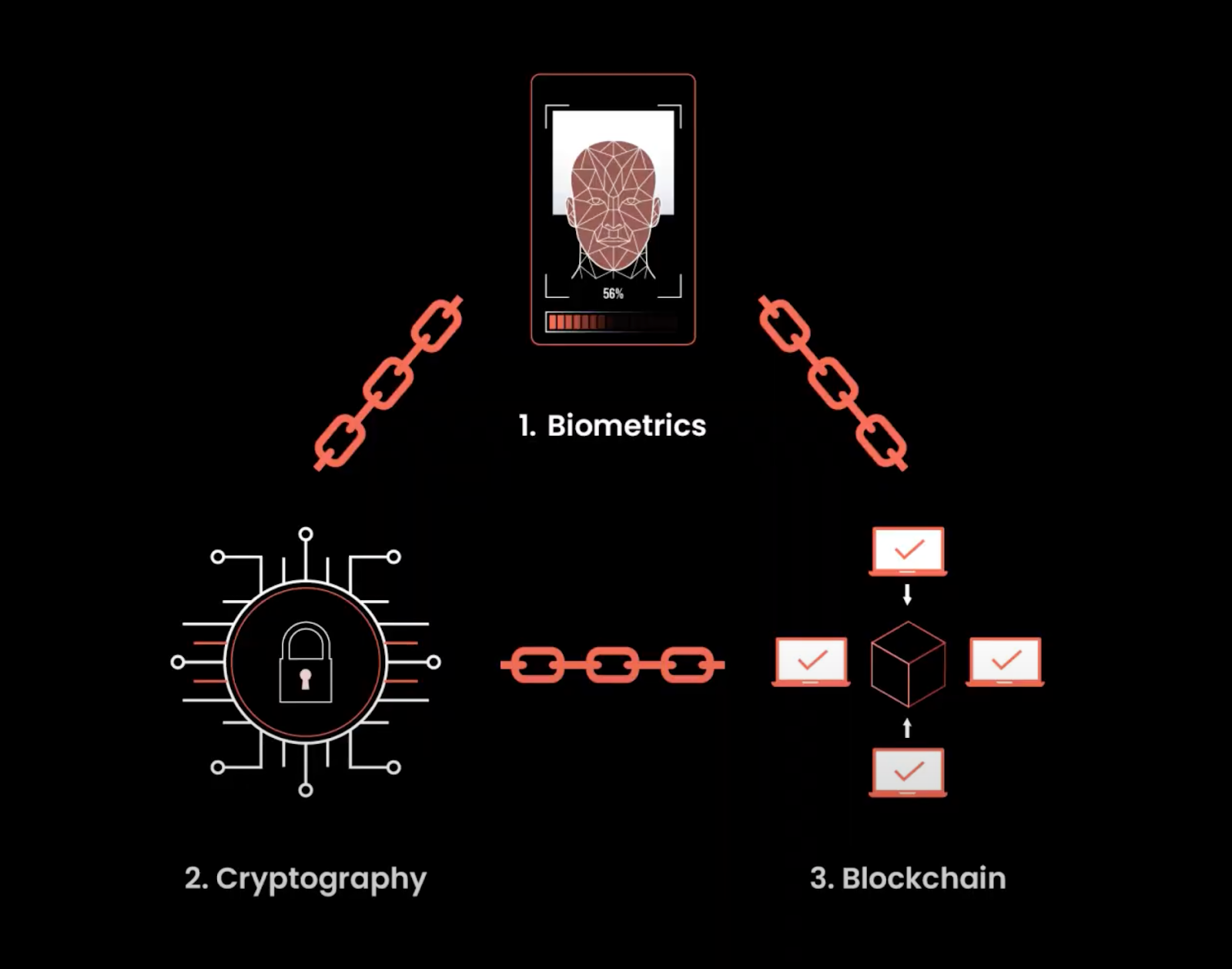
- 5. Biometric Challenges and Blockchain Hybrids: Combines biometrics with blockchain for DeFi gating, addressing challenges like trait diversity via hybrid systems like Solana Attestation Service.
How Onchain KYC Attestations Enable Trustless Verification
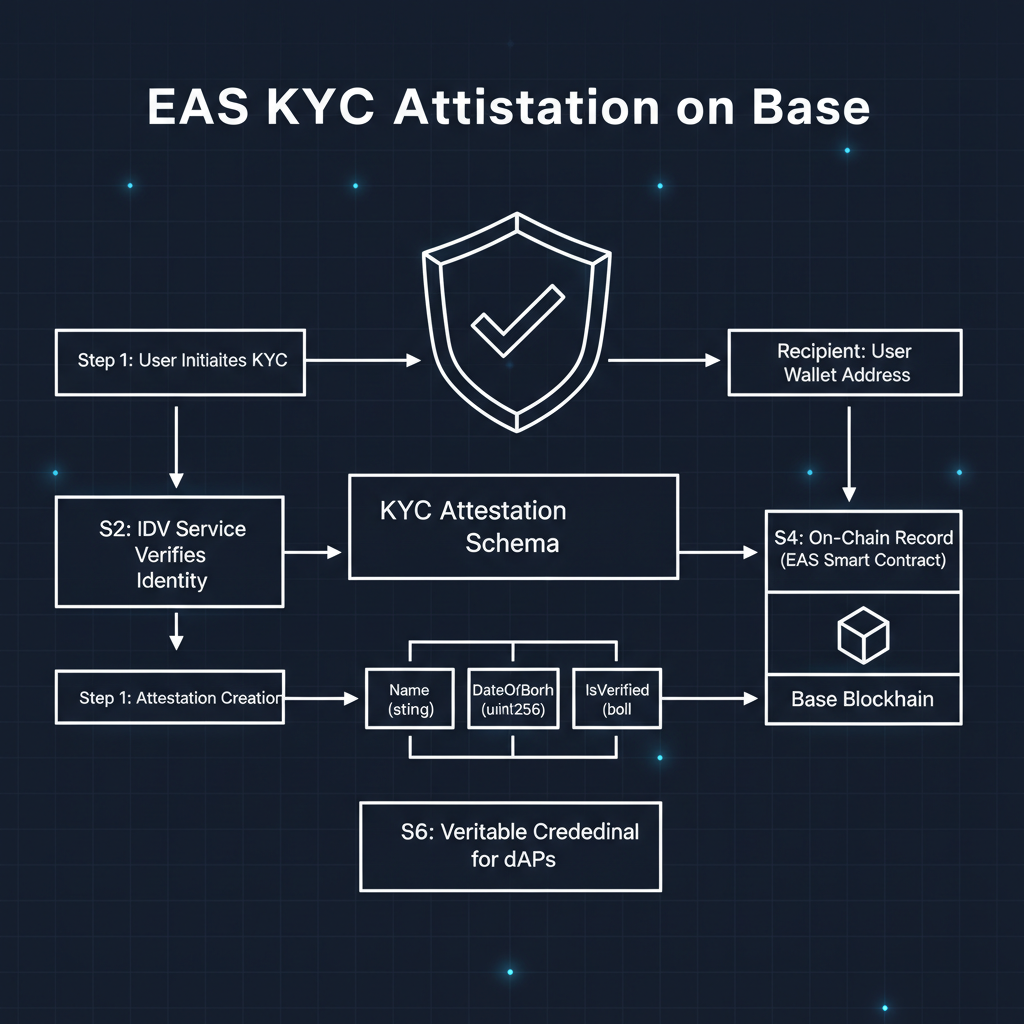
At their core, onchain KYC attestations are schema-defined statements on EAS, attesting that an address has passed human-led verification. Coinbase Verifications makes this public and composable: complete KYC once, receive an attestation, and reuse it across DeFi apps. No sensitive data on-chain, just cryptographic proofs queryable by smart contracts.
This aligns perfectly with privacy-preserving verification needs. Platforms check if your address holds a valid attestation schema from a trusted issuer like Coinbase, ensuring one human per slot. Togggle's guide on verifiable Proof-of-KYC details the tech: zero-knowledge proofs optional for added privacy, but even simple attestations block Sybil farms effectively.
DeFi protocols on Base can now script allowlist logic: "if attestation valid and schema matches, grant access. " This cuts manual reviews, boosts compliance, and scales with network growth. Global Financial Markets Association points to distributed ledger tech embedding KYC natively, adding DDoS and Sybil resistance by design.
Coinbase Verifications Ushers in a New Era on Base
Coinbase's move is bold and timely. By leveraging EAS on Base, it creates a flywheel: more verifications mean richer attestation data, attracting projects building sybil-resistant allowlists. Solana's Attestation Service and Polymesh offer parallels, but Base's momentum, fueled by Coinbase's user base, positions it as the hub for DeFi KYC on Base.
Projects gain composability too. Stack attestations for tiered access: basic KYC for entry, advanced for high-value pools. OnchainKYCe. me exemplifies this, issuing secure attestations for Web3 allowlists and token sales. As adoption spreads, expect governance DAOs and gated communities to standardize on these credentials, fostering a fairer DeFi landscape.
OnchainKYCe. me stands at the forefront, offering a streamlined platform for issuing these attestations tailored to Base and beyond. Developers integrate its API to verify KYC verification blockchain status effortlessly, turning abstract credentials into concrete access controls.
Practical Implementation: Building Sybil-Resistant Allowlists
Transitioning to onchain credentials DeFi requires intentional design. Smart contracts query EAS for specific schemas, like those from Coinbase Verifications or OnchainKYCe. me. A protocol might require an attestation with fields for 'verified_human' and 'issue_date', ensuring recency. This composability lets projects layer requirements: combine KYC with Gitcoin Passport scores for robust scores against sophisticated farms.
Build Sybil-Resistant DeFi Allowlists: Onchain KYC Integration on Base

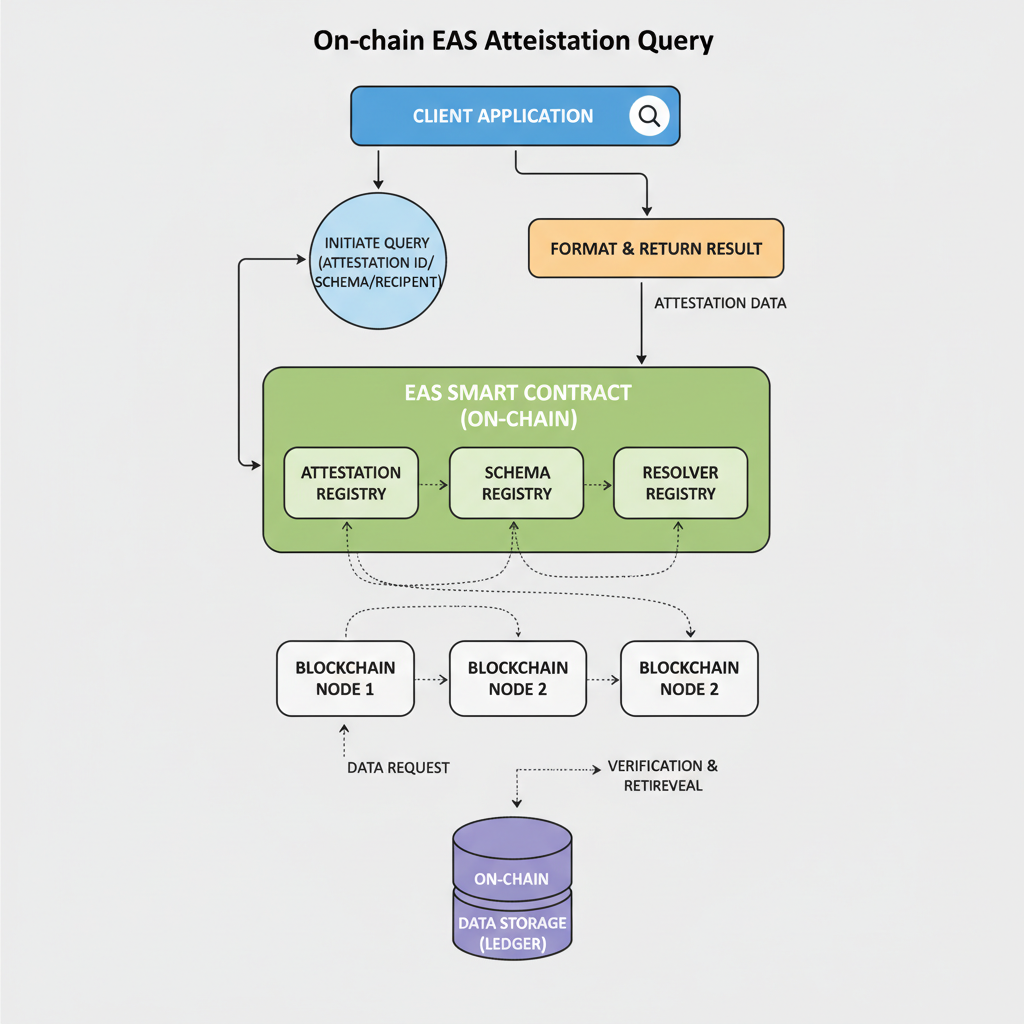
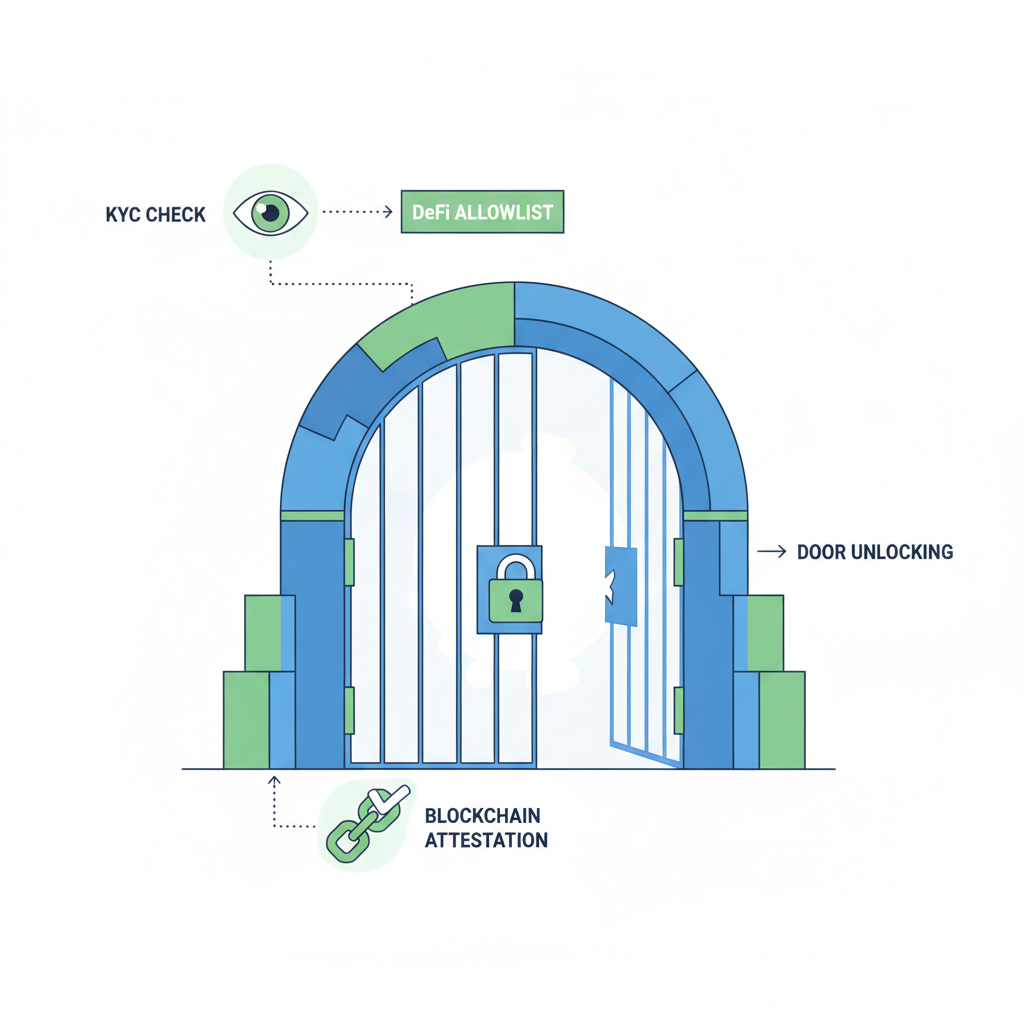
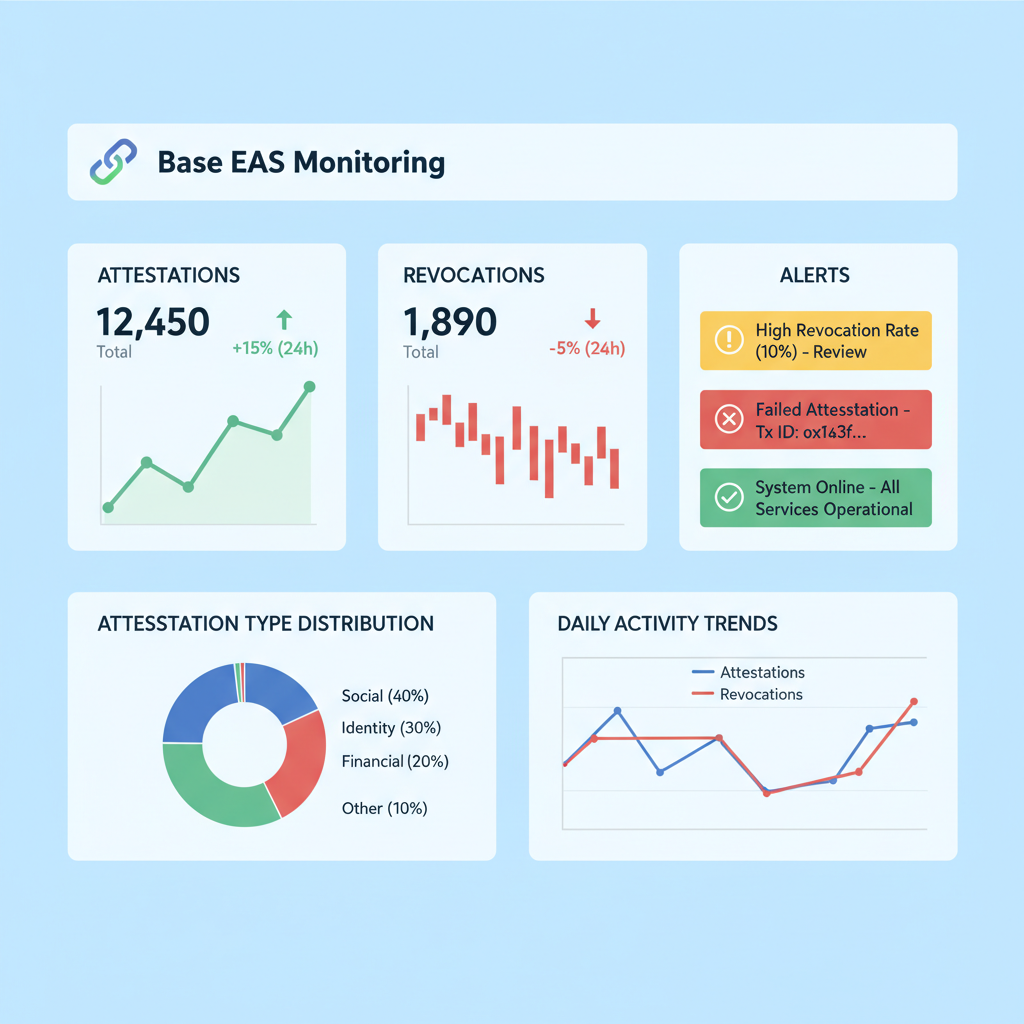
Such integration isn't merely technical; it's a strategic pivot toward sustainable growth. DeFi platforms plagued by exploitative whitelists now enforce fairness at the protocol level, preserving value for genuine users. Chainlink's compliance attestations provide a blueprint, extending backing proofs to identity layers.
Consider the code behind it. A simple Solidity verifier might look like this, checking for a valid attestation from a trusted issuer.
Verifying EAS KYC Attestations in Solidity
To integrate onchain KYC attestations into your DeFi allowlist on Base, you'll need to verify that incoming EAS attestations conform to the expected KYC schema and are valid. This prevents Sybil attacks by ensuring only properly attested users can participate.
```solidity
/// @notice Verifies a KYC attestation from EAS
/// @dev Ensures the schema matches KYC and the attestation is valid
function verifyKYCAttestation(Attestation calldata attestation) internal view {
    require(attestation.schema == KYCSchema && attestation.valid, "Invalid KYC attestation");
}
```
This straightforward require statement acts as a gatekeeper, enforcing Sybil resistance while keeping the logic clean and gas-efficient. Remember to define the `KYCSchema` bytes32 constant and the `Attestation` struct according to the EAS protocol specifications.
Best Practices and Potential Pitfalls
While powerful, onchain KYC attestations demand careful handling. Over-reliance on single issuers risks centralization; diversify with multiple verifiers like Human Passport and OnchainKYCe. me. Privacy remains paramount: attestations should reveal nothing beyond verification status, aligning with zero-knowledge ideals in Togggle's Proof-of-KYC guide.
Challenges persist. Regulatory scrutiny intensifies as KYC embeds deeper into DeFi, per Global Financial Markets Association reports. Yet, this friction births opportunity: platforms demonstrating compliance attract institutional capital wary of unverified masses. Biometric hybrids, as Shilina explores, add layers but introduce custody risks; attestations keep control decentralized.
FF News covers On-Chain KYC 2.0's reusable identities, mirroring Base's trajectory. Projects like those on Solana experiment similarly, but Base's liquidity and Coinbase synergy accelerate adoption. Cube Exchange's allowlist explainer warns of risks like oracle failures, mitigated here by on-chain finality.
For allowlist managers, the shift feels liberating. No more spreadsheets or manual checks; smart contracts enforce rules immutably. Token sales become equitable, airdrops reward true supporters, governance reflects human voices. OnchainKYCe. me simplifies issuance, supporting Web3 projects with privacy-focused, interoperable attestations for gated communities and beyond.
As Base matures, expect standards to solidify around EAS, with tools like Human Passport enhancing scores. DeFi evolves from wild west to verified meritocracy, where sybil-resistant allowlists underpin trust. Developers, issuers, and users alike benefit from this verifiable foundation, scaling participation without sacrificing decentralization.
Explore deeper with resources on secure allowlists and reusable attestations. The future of DeFi KYC Base is onchain, verifiable, and human-centric.




No comments yet. Be the first to share your thoughts!