
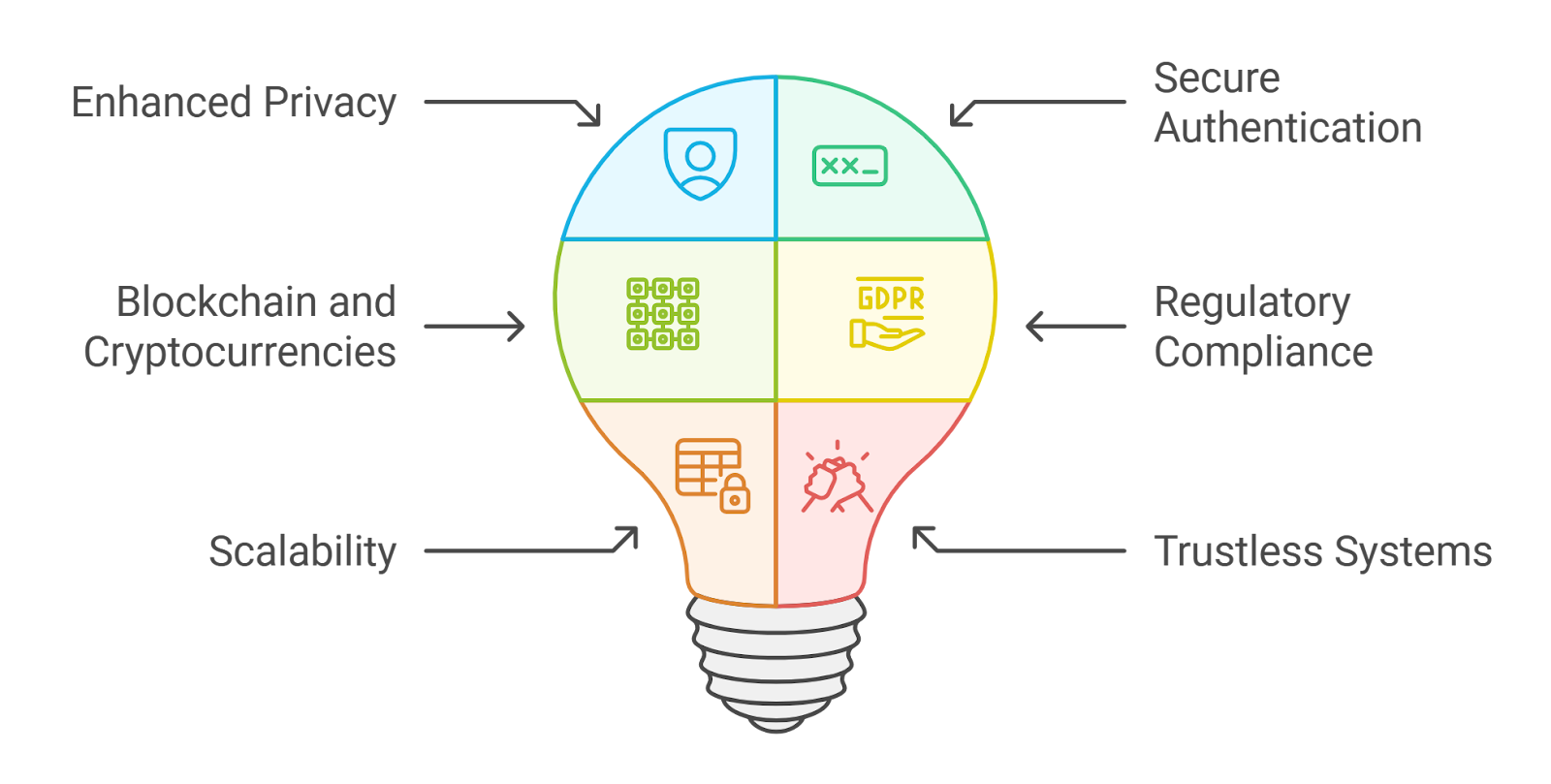
In the high-stakes world of Web3 allowlists, projects face a brutal trade-off: enforce compliance or sacrifice user privacy. Traditional KYC demands users submit passports and selfies repeatedly, bloating costs and eroding trust. Onchain KYC attestations flip this script, anchoring verifiable proofs directly on the blockchain so wallets can flash credentials without doxxing identities. This privacy-preserving KYC blockchain approach is surging as DeFi platforms, DAOs, and token sales demand scalable verification for gated access.
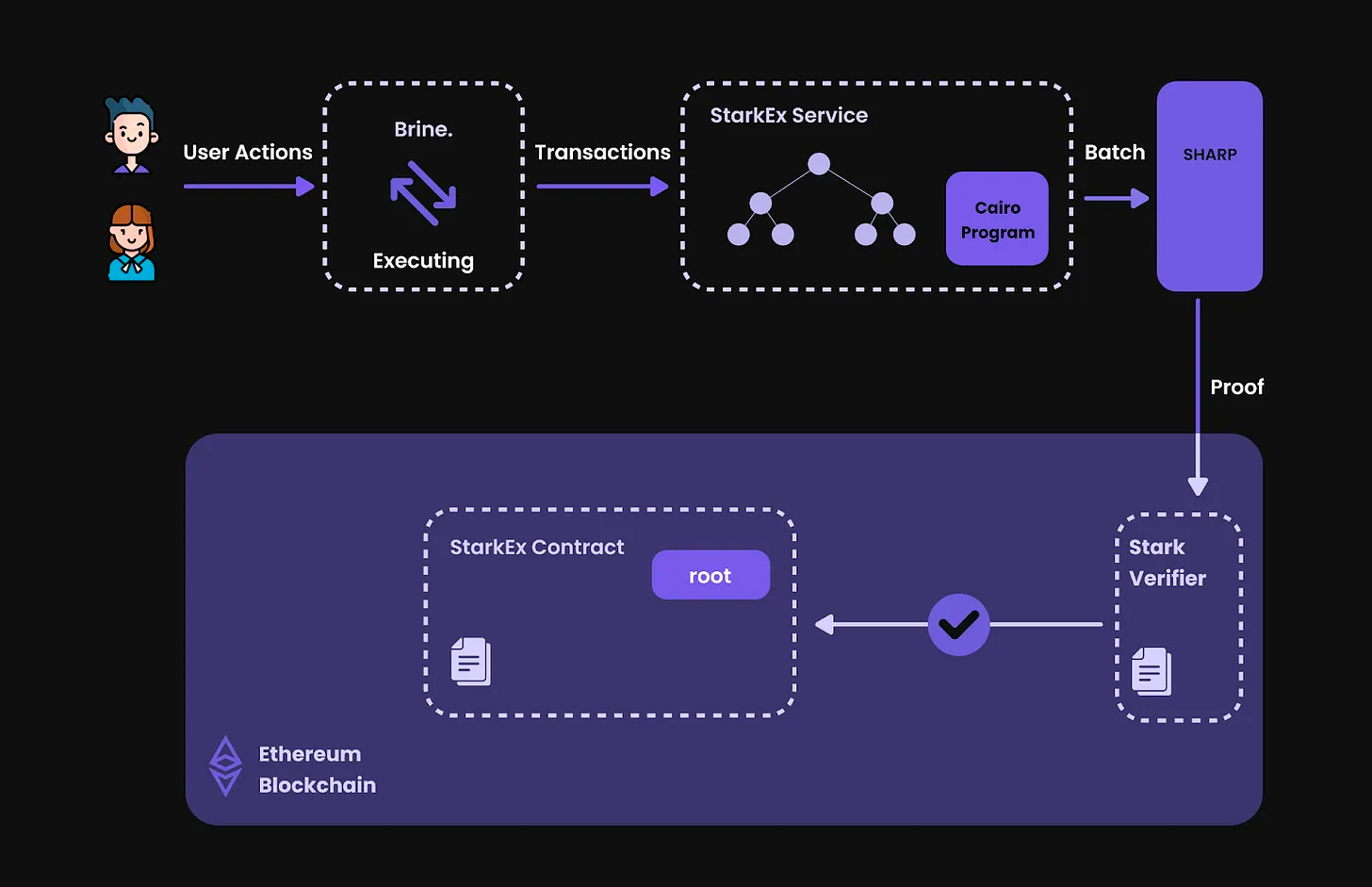
Allowlists have become table stakes for secure Web3 ecosystems, from NFT drops to high-yield farms. Yet, manual checks create chokepoints: redundant verifications frustrate users, while centralized databases invite hacks. Data from Cube Exchange highlights risks like sybil attacks in smart contracts and wallets. Enter onchain solutions that verify once, reuse forever, slashing friction by 80% according to Blockpass metrics.
Why Web3 Allowlists Demand Onchain Identity Verification
Web3 allowlists KYC isn't optional anymore; regulators circle like vultures, and exploits cost billions. Ethereum Research laments the loss of onchain confidentiality, pushing for tools that secure actions without surveillance. Onchain KYC attestations deliver: cryptographic proofs signed by trusted issuers, queryable by smart contracts. Users hold soulbound tokens or NFTs signaling compliance, visible yet opaque on personal details.
Core Advantages of Onchain KYC
- Privacy Retention: Prove KYC compliance without exposing personal data using zero-knowledge proofs, as in Blockpass On-Chain KYC® 2.0 and 0xKYC.
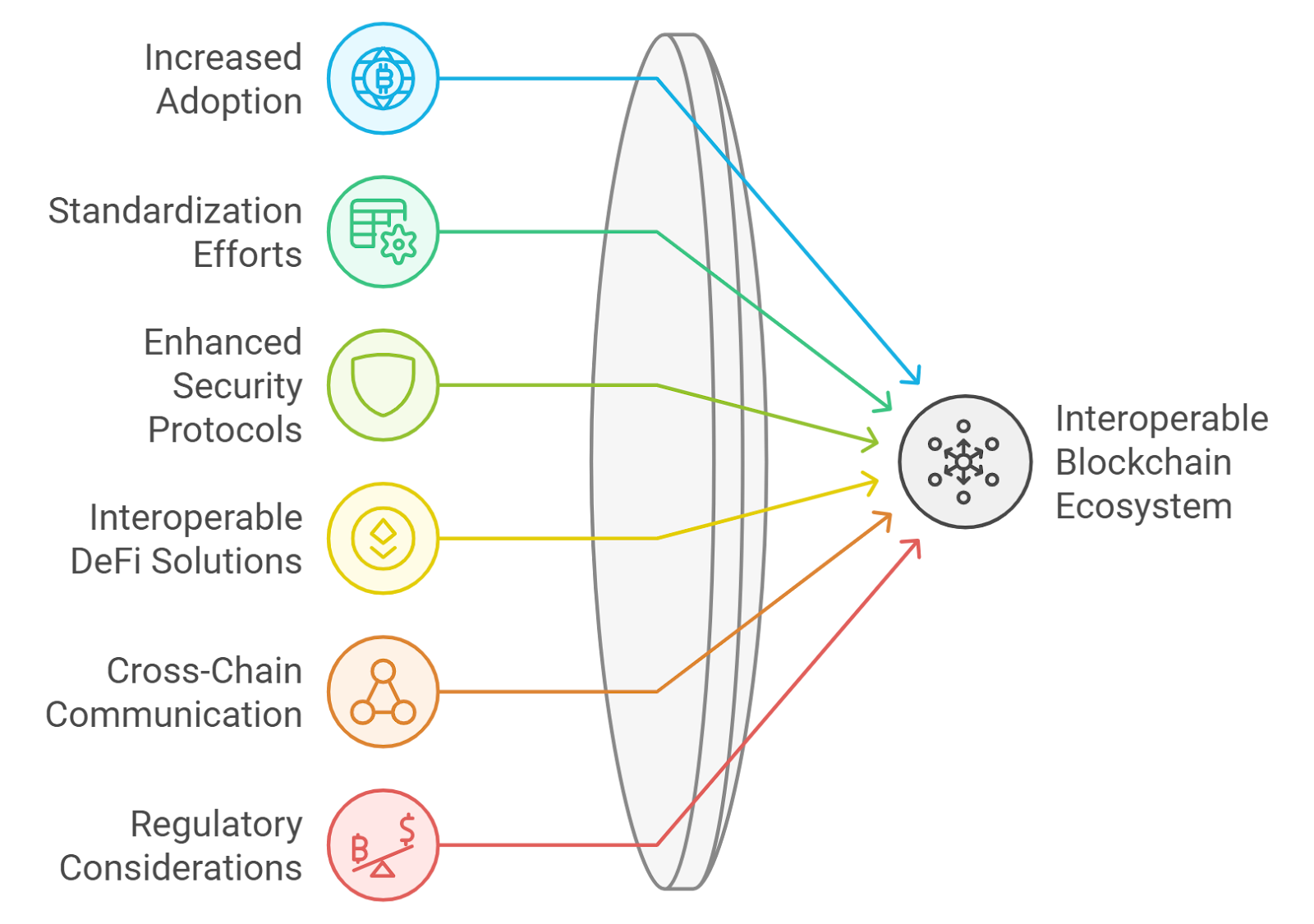
- Cross-Chain Interoperability: Reuse verifications across Ethereum, Solana, Polygon, BNB Smart Chain, and Scroll with standards from Attest Protocol.
- Reduced Verification Costs: One-time KYC eliminates redundant checks, cutting expenses for users and dApps via reusable attestations.
- Sybil Resistance: Liveness verification and proof of personhood prevent multi-account abuse in DAOs and fairdrops (0xKYC).

- Seamless DeFi/DAO Integration: Smart contracts verify wallet compliance NFTs instantly, enabling secure allowlists (Altme).

Chainlink's compliance attestation framework underscores this shift, enabling contracts to probe offchain facts like sanctions status sans user data dumps. For verifiable KYC credentials DeFi projects, it's a compliance superpower: prove jurisdiction, age, or accreditation without spreadsheets.
Blockpass On-Chain KYC 2.0 Leads the Charge
Launched Q3 2025, Blockpass On-Chain KYC® 2.0 sets the benchmark with granular attestations for identity, AML, and KYB. Supporting Ethereum, Solana, and beyond, it fuses zero-knowledge proofs with onchain storage. Users complete checks once; dApps query attestations via wallet scans. No data intermediaries, pure user sovereignty. Globe and Mail coverage notes its cost-effectiveness for Web3 compliance suites.
This isn't hype; it's deployed reality. Projects integrate via simple APIs, minting reusable credentials as ERC-721s or EAS attestations. Privacy holds: zero-knowledge liveness ensures proofs can't be faked, vital for fairdrops and games.
0xKYC and Altme Push Boundaries in Multi-Chain Verification
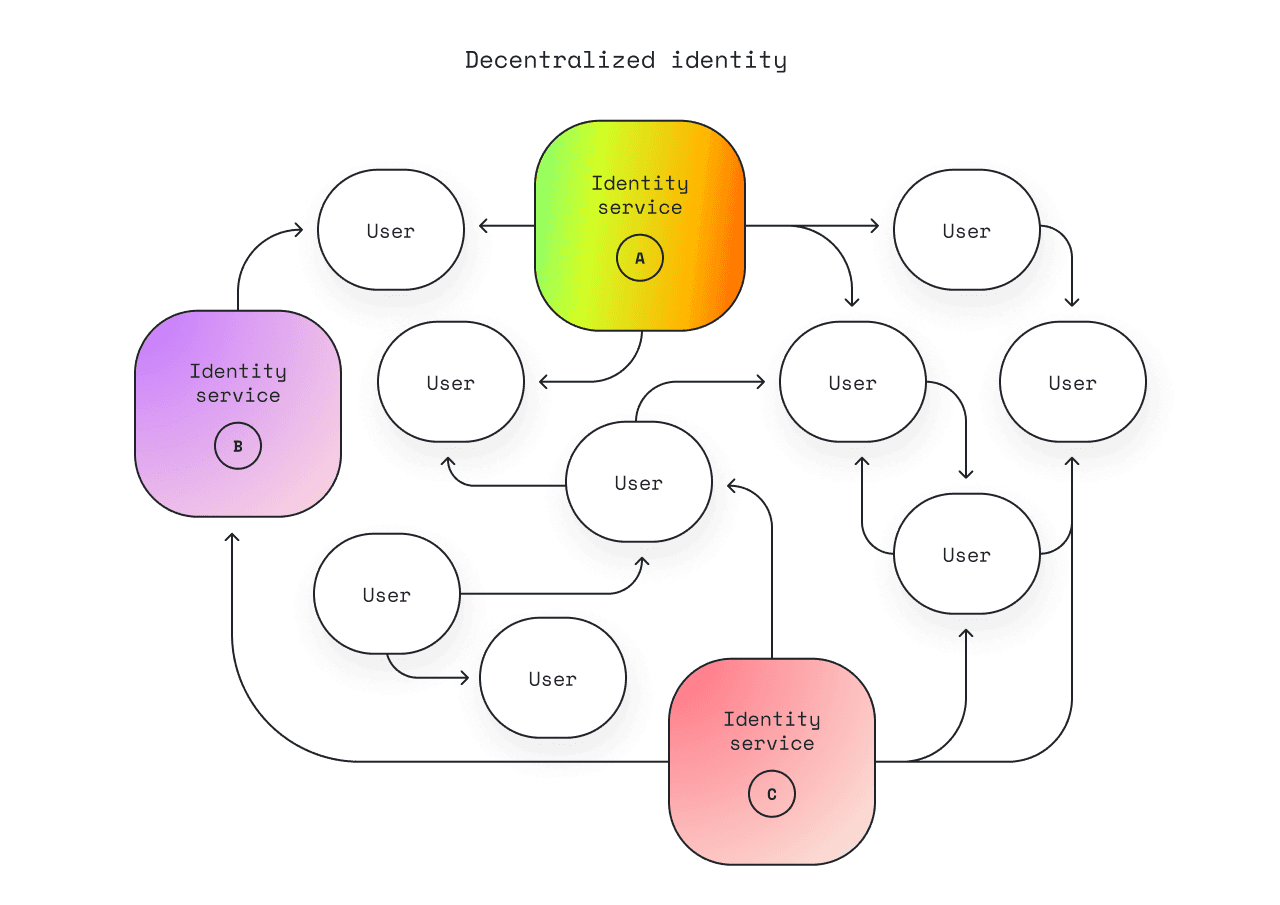
0xKYC, live on Polygon, BNB Smart Chain, and Scroll since late 2025, specializes in proof-of-personhood. Its zero-knowledge liveness verifies uniqueness for DAOs and DeFi, embedding attestations that smart contracts trust implicitly. Pair this with Altme's decentralized IDs: users mint compliance NFTs post-verification, letting apps poll wallet holdings for instant allowlist greenlights.
Onchain attestations streamline this, solving repeated KYC fatigue. Attest Protocol rounds it out, letting authorities issue cross-app proofs under user control. For KYC for gated communities, these tools mean frictionless entry: scan, verify, access.
Analytics show adoption spiking; reusable credentials cut project costs 70%, per onchainkyc. me data. As Web3 matures, these protocols forge a compliant yet decentralized future, where privacy fuels innovation not hinders it.
Projects leveraging these tools report 70% faster onboarding, with sybil resistance baked in via liveness checks. But integration demands smart contract tweaks: query EAS schemas or ERC-721 compliance NFTs during allowlist mints. This onchain identity verification Web3 stack turns compliance from liability to asset.
Overcoming Legacy KYC Pitfalls with Onchain Standards
Traditional allowlists crumble under repeated KYC burdens; users balk at uploading docs per dApp, inflating dropouts by 40%, per Cube Exchange analysis. Privacy preserving KYC blockchain methods sidestep this: one-time verification yields portable attestations. Blockpass 2.0's zero-knowledge layer conceals details while proving attributes like non-sanctioned status, echoing Chainlink's offchain fact oracle model.
Comparison of Leading Onchain KYC Providers
| Provider | Supported Chains | Key Features | Privacy Mechanism |
|---|---|---|---|
| Blockpass On-Chain KYC® 2.0 | Ethereum, Solana, others | Granular attestations for identity, AML, KYB checks; reusable digital identities | Zero-knowledge proofs, on-chain models, no direct user data handling |
| 0xKYC | Polygon, BNB Smart Chain, Scroll | Zero-knowledge liveness verification; proof-of-personhood, uniqueness, compliance for Web3 games, DeFi, DAOs | Zero-knowledge proofs |
| Attest Protocol | Multi-chain (cross-app) | Cryptographic proofs signed by trusted authorities; verifiable across applications | User-controlled data, privacy and interoperability |
| Altme | Multi-chain | Compliance NFTs; user-controlled DID; verifiable credentials for dApps and smart contracts | Decentralized identity standards, user-managed data |
Attest Protocol shines for DAOs, issuing authority-signed proofs that users batch across apps. Altme's NFT approach suits KYC for gated communities: smart contracts scan wallets for badges, automating access sans central servers. Risks? False positives from outdated attestations. Mitigate with revocation registries, standard in EAS frameworks.
Key Onchain KYC Implementation Steps
- 1. Choose Issuer: Select providers like Blockpass On-Chain KYC® 2.0, 0xKYC, Attest Protocol, or Altme for blockchain-anchored attestations on Ethereum, Solana, Polygon.
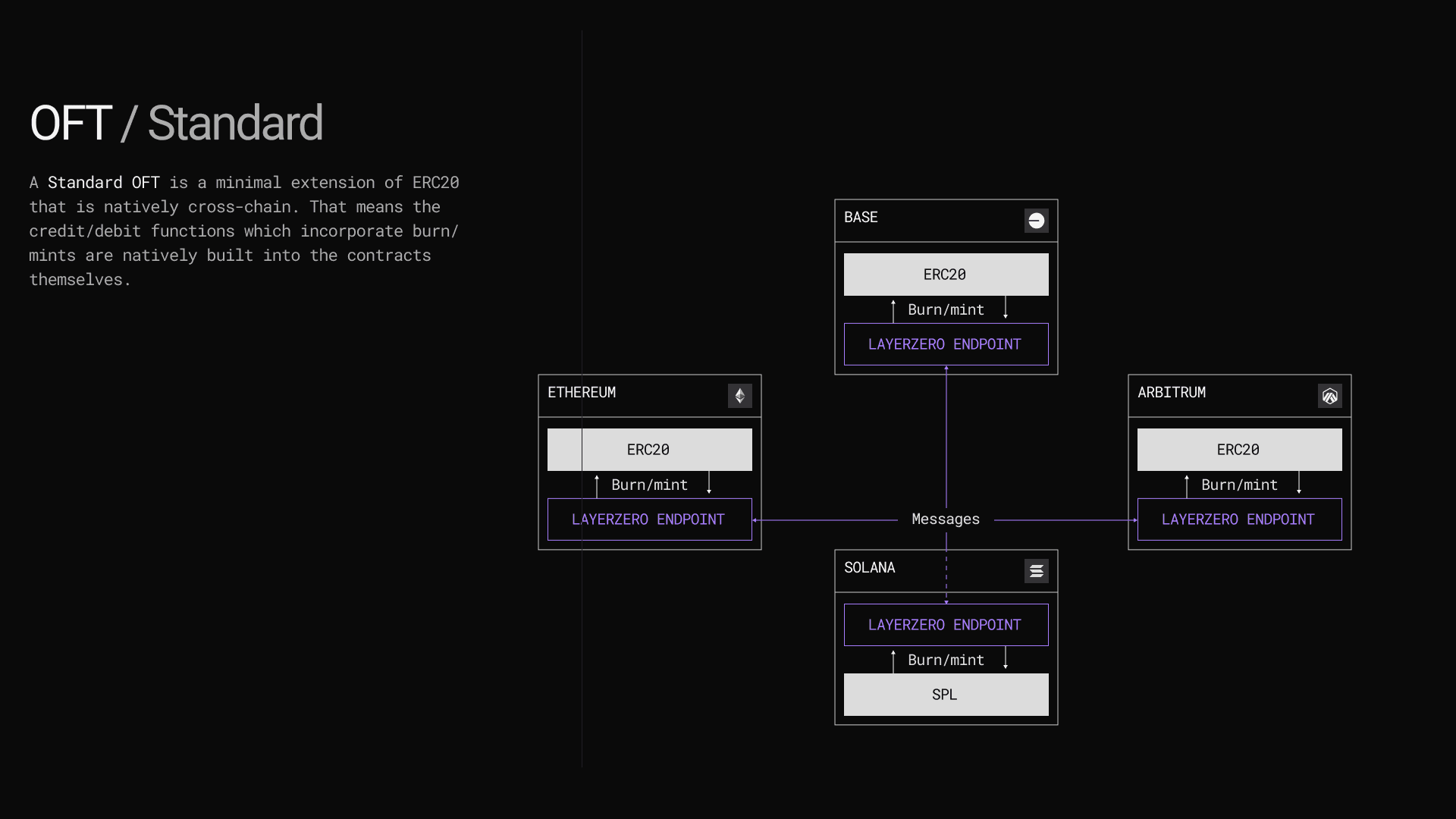
- 2. Integrate Verifier in Contracts: Embed on-chain verification using attestation standards or Chainlink functions to validate proofs without exposing user data.
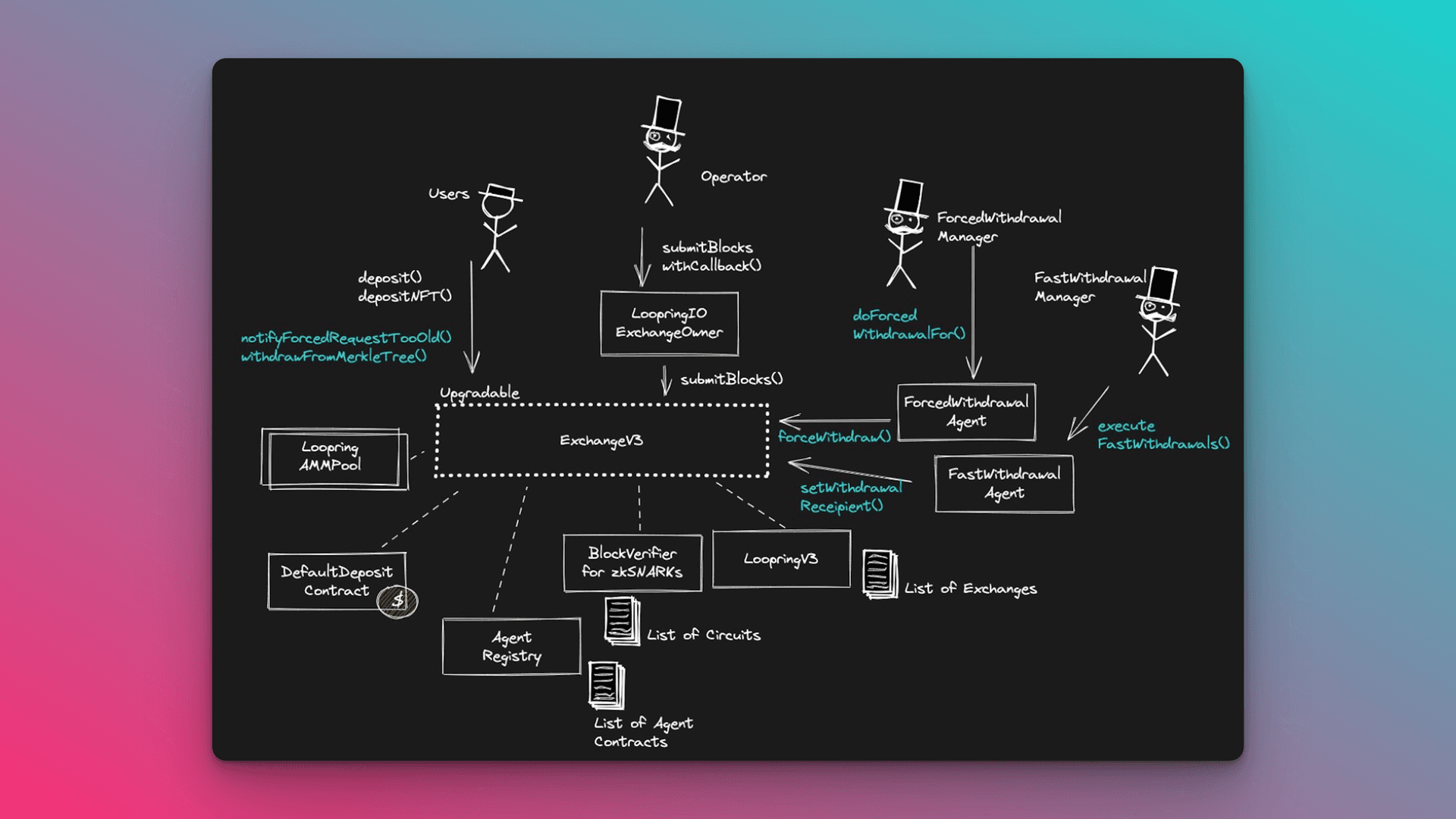
- 3. Add Wallet Scan for Proofs: Scan user wallets for compliance NFTs or attestations, as in Altme's model, confirming KYC status on-chain.
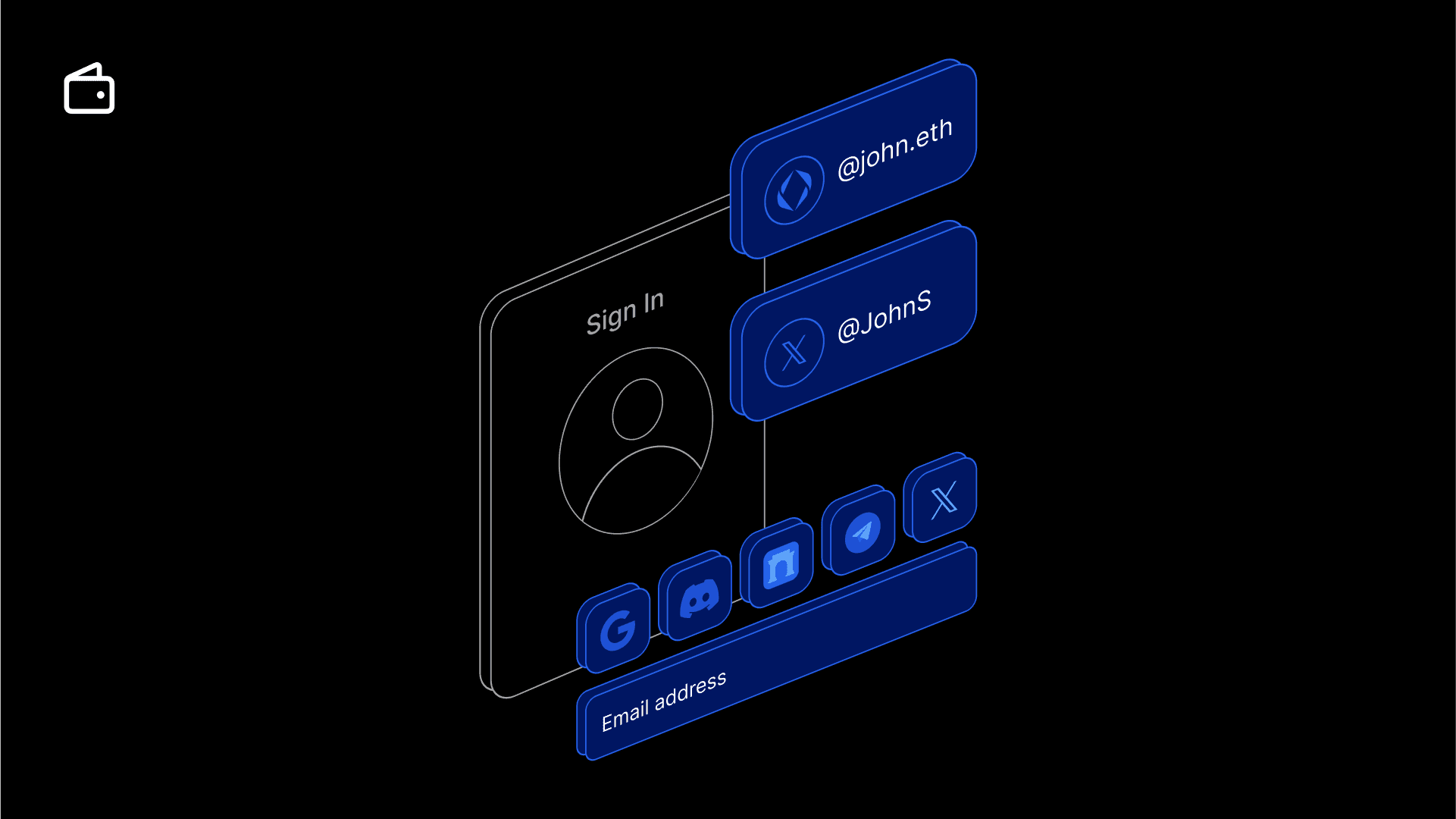
- 4. Test ZK Liveness: Verify zero-knowledge proofs with tools like 0xKYC's liveness checks on Polygon, BNB Chain, Scroll for proof-of-personhood.
- 5. Launch with User Opt-In: Enable privacy-first opt-in, allowing reusable credentials across dApps while users control data sharing.
DeFi platforms like yield aggregators embed these checks pre-deposit, slashing compliance audits. Ethereum Research advocates this confidentiality boost, unlocking confidential compute for private trades. Data bears it out: post-2025 launches, attested wallets spiked 300% in allowlisted drops.
Metrics-Driven Wins and Scalability Proof
Quantify the edge: Blockpass reports 85% cost savings on verification cycles, with 99.9% uptime across chains. 0xKYC's liveness thwarts 95% of sybil attempts in games, per deployment logs. For token sales, onchain attestations enable dynamic allowlists; contracts pause for expired proofs, self-policing compliance.
Interoperability reigns: Solana projects verify Ethereum attestations via bridges, future-proofing against chain wars. This scales to millions; imagine DAOs voting only attested holders, or exchanges gating high-roller tiers. Privacy holds paramount, aligning with Web3 ethos amid MiCA and FATF scrutiny.
Forward thinkers build here: fuse with AI oracles for real-time AML flags, or social proofs for community tiers. OnchainKYCe. me pioneers this, issuing tamper-proof credentials that empower projects without user sacrifice. Web3 allowlists evolve from static lists to living, verifiable networks, where trust computes onchain.




No comments yet. Be the first to share your thoughts!