
In the evolving DeFi landscape, where Ethereum's price stands at $2,035.03 amid a 24-hour dip of $-88.16 (-4.15%), onchain KYC attestations emerge as a pivotal tool for verifying Ethereum addresses in allowlists. These cryptographic proofs enable projects to confirm user compliance without compromising privacy, addressing the tension between regulatory demands and blockchain's permissionless ethos.
DeFi allowlists traditionally relied on offchain snapshots or manual checks, prone to sybil attacks and inefficiencies. Onchain KYC attestations flip this script by anchoring verifiable credentials directly to addresses via protocols like Ethereum Attestation Service (EAS). A trusted issuer attests to a user's KYC status post-verification, storing a compact proof onchain. Smart contracts then query this data in real-time, granting access to token sales, liquidity pools, or gated communities solely to compliant participants.
Why Onchain KYC Attestations Outpace Traditional Verification
Consider the mechanics: when a user completes KYC with a provider, the issuer generates an attestation schema-compliant proof. This isn't a data dump; it's a zero-knowledge compatible signal affirming attributes like "KYC-passed" or "non-sanctioned jurisdiction. " Stored on Ethereum or Layer 2s, it persists immutably, queryable by any dApp. This contrasts sharply with signed messages, which expire or lack standardization, or blocklists that lag behind threats.
From a risk management perspective, I've analyzed countless token launches where unverified allowlists led to exploits. Onchain attestations mitigate this by enforcing DeFi allowlist verification at the protocol level. Chainlink's Proof of Compliance underscores how smart contracts can now ingest offchain facts seamlessly, while Blockpass's On-Chain KYC® 2.0 extends this to reusable identities across chains. The result? Reduced onboarding friction and heightened trust, crucial as Ethereum hovers around $2,035.03.
"Proof of compliance allows smart contracts to verify offchain facts, such as whether a wallet belongs to a sanctioned entity. "- Chainlink on Proof of Compliance
Spotlight on Leading Onchain KYC Platforms
Several innovators drive onchain KYC attestations. Blockpass On-Chain KYC® 2.0, rolled out in Q3 2025, supports granular attestations with expiration controls and zero-knowledge options, bridging Ethereum, Solana, and beyond. It's tailored for projects needing flexible, privacy-first verification.
0xKYC, live on Polygon, BNB Smart Chain, and Scroll since late 2025, emphasizes proof of personhood and liveness checks. Its attestations prove uniqueness, fortifying allowlists against bots, a persistent DeFi scourge.
Coinbase's Verified Pools on Base, announced early 2026, leverage EAS for permissioned liquidity. Users must be Coinbase-KYC'd, with attestations gating access. This model exemplifies enterprise-grade adoption, blending centralized trust with onchain execution.
These platforms converge on Ethereum Attestation Service standards, ensuring interoperability. As a CFA charterholder tracking DeFi compliance, I view this as a maturation signal: verifiable KYC proofs on blockchain are no longer experimental but essential infrastructure.
Privacy and Efficiency Gains Revolutionizing Allowlists
Privacy preservation tops the list of advantages. Sensitive data stays offchain; only the attestation hashes onchain, user-controlled and revocable. This aligns with GDPR and emerging Web3 regs, minimizing breach vectors plaguing centralized KYC databases.
Operational efficiency follows. Manual reviews vanish; contracts automate checks for age, residency, or accreditation. For allowlist managers, this slashes costs, imagine token sales where eligibility verifies in milliseconds. Sybil resistance bolsters fairness, channeling rewards to genuine users amid Ethereum's volatile $2,035.03 market.
Ethereum (ETH) Price Prediction 2027-2032
Long-term outlook amid onchain KYC attestations enhancing DeFi compliance and adoption from current 2026 price of $2,035
| Year | Minimum Price (USD) | Average Price (USD) | Maximum Price (USD) | YoY Change (Avg from Prior) |
|---|---|---|---|---|
| 2027 | $1,900 | $2,900 | $4,000 | +43% |
| 2028 | $2,400 | $3,700 | $5,500 | +28% |
| 2029 | $3,000 | $4,800 | $7,200 | +30% |
| 2030 | $3,800 | $6,200 | $9,300 | +29% |
| 2031 | $4,800 | $8,000 | $12,000 | +29% |
| 2032 | $6,000 | $10,300 | $15,500 | +29% |
Price Prediction Summary
Ethereum is forecasted to experience progressive growth from 2027-2032, driven by onchain KYC attestations improving DeFi security, privacy, and regulatory compliance. Average prices are projected to rise ~30% annually on average, reaching $10,300 by 2032, with bullish scenarios up to $15,500 amid market cycles and ecosystem expansion.
Key Factors Affecting Ethereum Price
- Adoption of onchain KYC (e.g., Blockpass 2.0, 0xKYC, Coinbase Verified Pools) streamlining DeFi allowlists
- Privacy-preserving attestations via EAS boosting user trust and interoperability
- Regulatory clarity favoring compliant protocols, reducing barriers for institutions
- Ethereum scalability upgrades and DeFi growth enhancing network utility
- Historical bull/bear cycles with ETH's leadership in smart contracts and market cap potential
Disclaimer: Cryptocurrency price predictions are speculative and based on current market analysis. Actual prices may vary significantly due to market volatility, regulatory changes, and other factors. Always do your own research before making investment decisions.
Interoperability shines too. An EAS attestation from Blockpass works in Coinbase Pools or any compliant dApp, curbing redundant KYC fatigue. Derego's proof-carrying disclosures and Sign Protocol's omni-chain attestations further this vision, enabling cross-chain identity without silos.
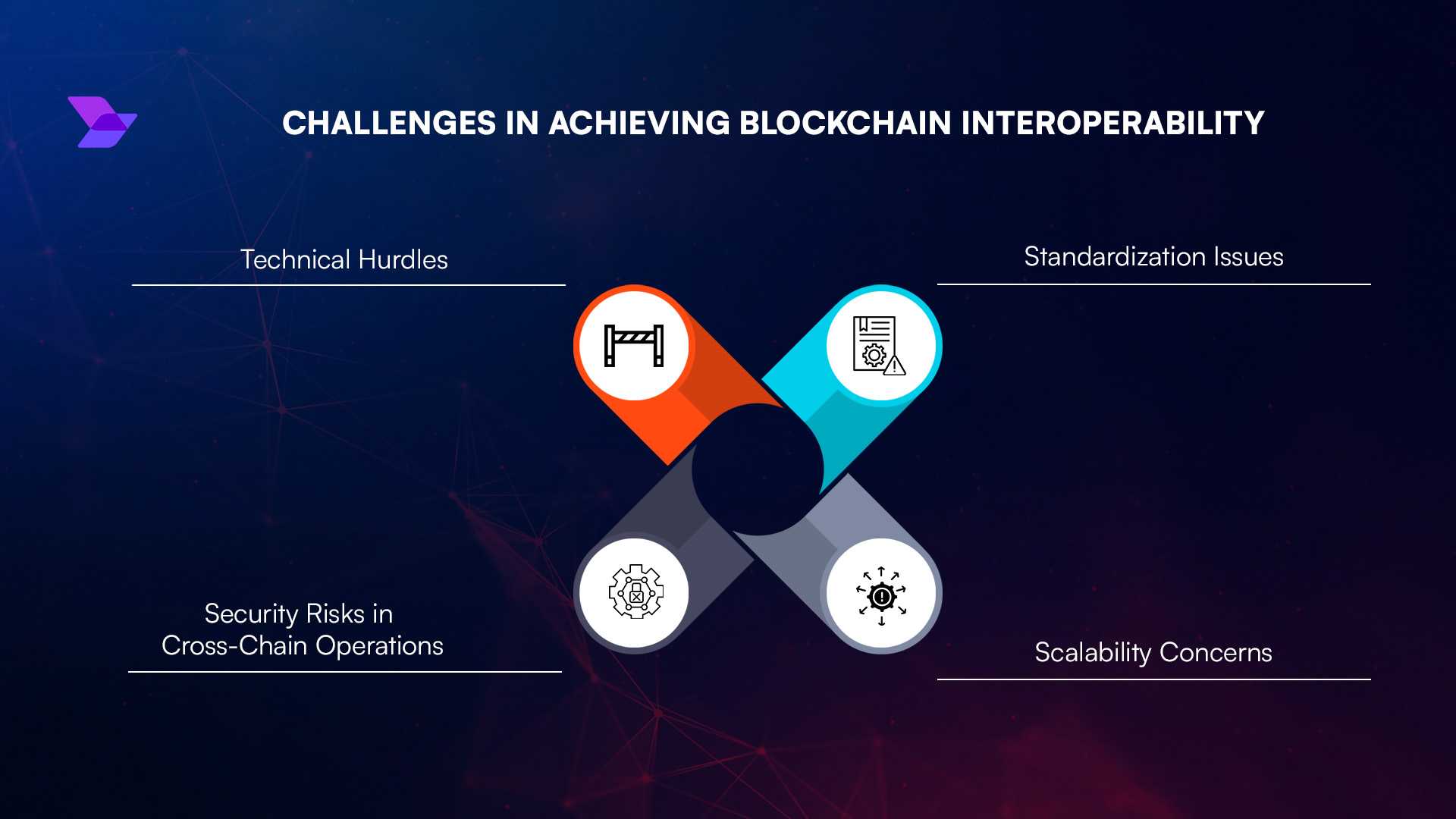
Yet, challenges persist: issuer trustworthiness and schema standardization. My advice to projects? Prioritize audited issuers and EAS schemas for robust KYC Ethereum addresses verification. Dive deeper into implementation via this guide on simplifying KYC for DeFi airdrops.
Projects can operationalize these recommendations through structured integration. For instance, allowlist contracts deploy modifiers that check for specific EAS schema IDs before minting tokens or adding liquidity. This gatekeeping ensures only KYC Ethereum addresses participate, fortifying against regulatory backlash in a maturing DeFi space.
Technical Deep Dive: Attestation Schemas and Smart Contract Integration
At the core lies the Ethereum Attestation Service, where schemas define attestation structure. A typical KYC schema might include fields like issuer address, recipient (Ethereum address), expiration timestamp, and zero-knowledge proof of attributes. Issuers sign these via EAS contracts, producing an attestation UID queryable by offchain indexers or onchain verifiers.
Smart contract verification is straightforward. Using libraries like @ethereum-attestation-service/sdk, dApps fetch attestations and validate against revocation lists. Togggle's on-chain verifiable Proof-of-KYC guide details this, emphasizing multi-signature issuers for decentralization. In practice, a DeFi protocol's allowlist function becomes:
This pseudocode illustrates atomic verification, preventing front-running. As Ethereum trades at $2,035.03, with its 24-hour decline of $-88.16 (-4.15%), such efficiencies matter; they minimize gas costs during volatile periods when transaction volumes spike.
Comparison of Onchain KYC Attestation Solutions
| Solution | Key Features | Supported Chains | Privacy Models | Launch Date |
|---|---|---|---|---|
| Blockpass On-Chain KYC® 2.0 | Flexible blockchain identity verification with granular attestations, configurable expirations | Ethereum, Solana, and other chains | On-chain and Zero-Knowledge models | Q3 2025 |
| 0xKYC | Zero-knowledge liveness verification and on-chain attestations for proof of personhood, uniqueness, and compliance | Polygon, BNB Smart Chain, Scroll | Zero-Knowledge | Late 2025 |
| Coinbase Verified Pools | Permissioned liquidity pools requiring Coinbase KYC verification via Ethereum Attestation Service (EAS) | Base (Layer 2 network) | On-chain Attestations (EAS) with privacy preservation | Early 2026 |
Cross-chain extensions amplify utility. Sign Protocol's omni-chain attestations allow Ethereum proofs to relay to Solana via bridges, while Chainlink's cross-chain identity primitives attest offchain KYC to multiple networks. Derecho's privacy pools with proof-carrying disclosures add selective revelation, where users prove compliance without full disclosure.
Strategic Advantages for DeFi Projects and Allowlist Managers
Strategic Benefits of Onchain KYC
- Privacy Preservation: Stores only cryptographic attestations on-chain via protocols like Ethereum Attestation Service (EAS), keeping sensitive KYC data off-chain and user-controlled, aligning with privacy regulations.

- Operational Efficiency: Enables smart contracts to instantly verify attestations for KYC/AML compliance, such as age or jurisdiction checks, eliminating manual reviews and streamlining DeFi onboarding.

- Interoperability: Attestations from standards like EAS or Blockpass On-Chain KYC® 2.0 are reusable across Ethereum, Solana, and other chains, facilitating cross-platform DeFi participation.
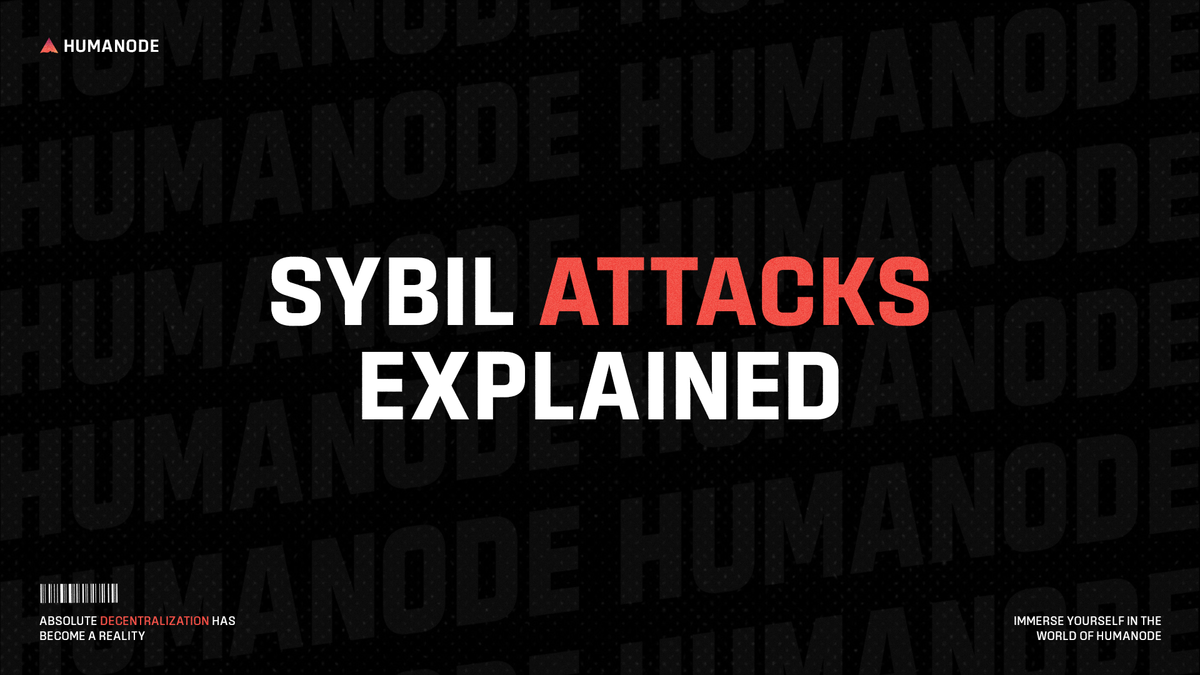
- Sybil Resistance: Verifies proof of personhood and uniqueness (e.g., via 0xKYC), preventing bots and duplicate accounts from exploiting allowlists or airdrops.
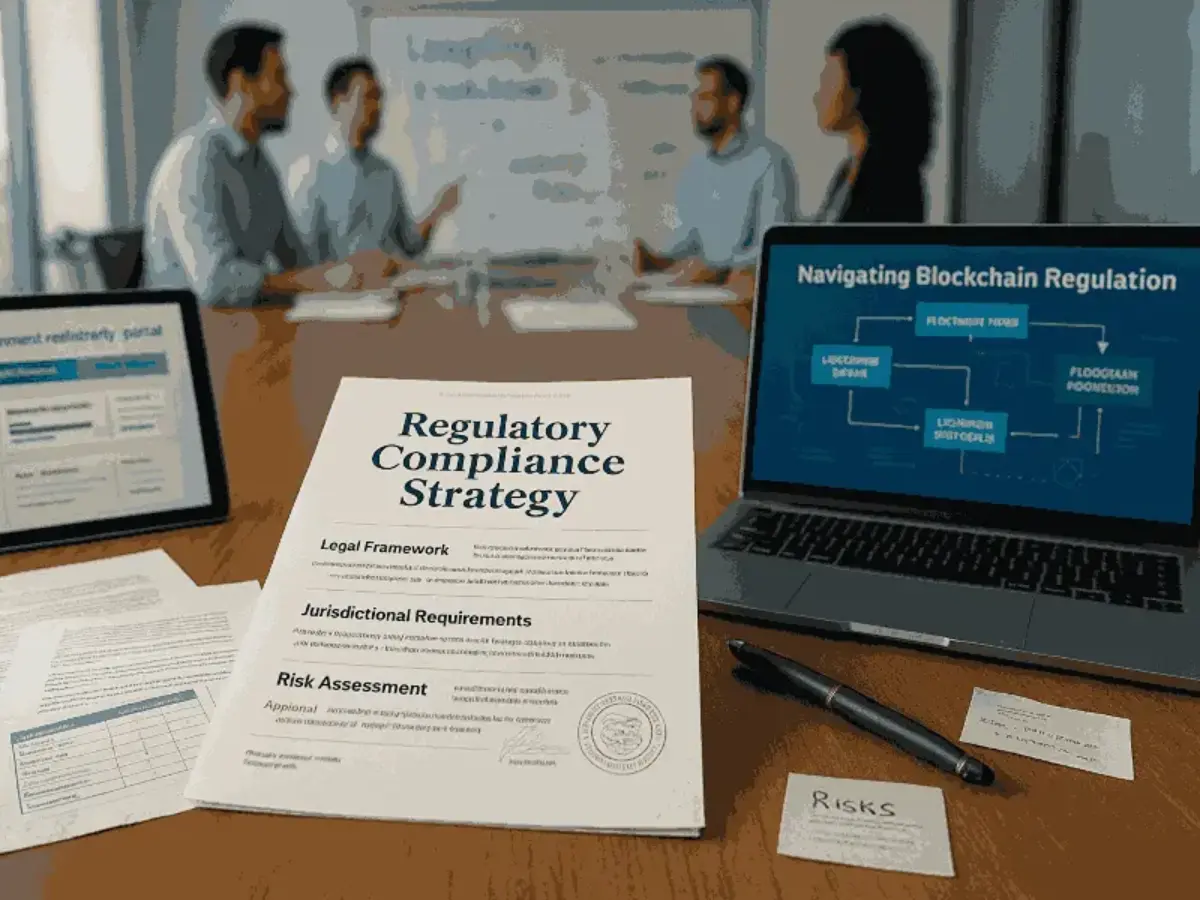
- Regulatory Compliance: Automates proof of compliance for sanctions screening and eligibility, as in Coinbase Verified Pools, reducing risks under increasing DeFi scrutiny.
These advantages translate to tangible outcomes. Token sales see higher qualified participation, reducing post-launch dumps from unverified wallets. Liquidity pools gain institutional inflows, as seen in Coinbase Verified Pools. For allowlist managers, Web3 KYC compliance tools like these cut administrative overhead by 80%, per industry benchmarks I've reviewed.
Opinionated take: traditional KYC silos are relics. Onchain attestations herald reusable, user-sovereign identities, aligning DeFi with TradFi rigor without custody loss. Platforms like OnchainKYCe. me exemplify this, offering secure attestations for KYCed addresses tailored to allowlists and token sales. Explore building secure allowlists with attested addresses for your project.
Regulatory tailwinds accelerate adoption. MiCA in Europe and proposed U. S. frameworks favor verifiable credentials, with zero-knowledge proofs enabling automated AML as Deutsche Bank notes. Onchain KYC 2.0 from Blockpass positions projects ahead, issuing attestations reusable on or offchain.
Challenges like oracle dependencies for offchain data persist, but audited solutions mitigate them. Cube Exchange's allowlist insights highlight KYC proofs as gold standard for eligibility, outpacing signed messages. As Ethereum stabilizes post-dip, DeFi protocols embedding verifiable KYC proofs blockchain infrastructure will capture premium capital flows.
For allowlist managers eyeing token launches or gated DAOs, the path forward is clear: integrate onchain KYC attestations today. This not only satisfies compliance but unlocks scalable, trust-minimized growth in Web3. Check enhancing KYC compliance specifics to get started.




No comments yet. Be the first to share your thoughts!