
Web3 projects face a persistent tension: delivering decentralized access while meeting regulatory demands for identity verification. Allowlists for token launches, exclusive DAOs, and DeFi protocols often rely on repetitive, off-chain KYC checks that erode user trust and create friction. Users submit passports and selfies multiple times, exposing personal data to centralized providers, only to start over on the next platform. This inefficiency stifles adoption and invites compliance risks.
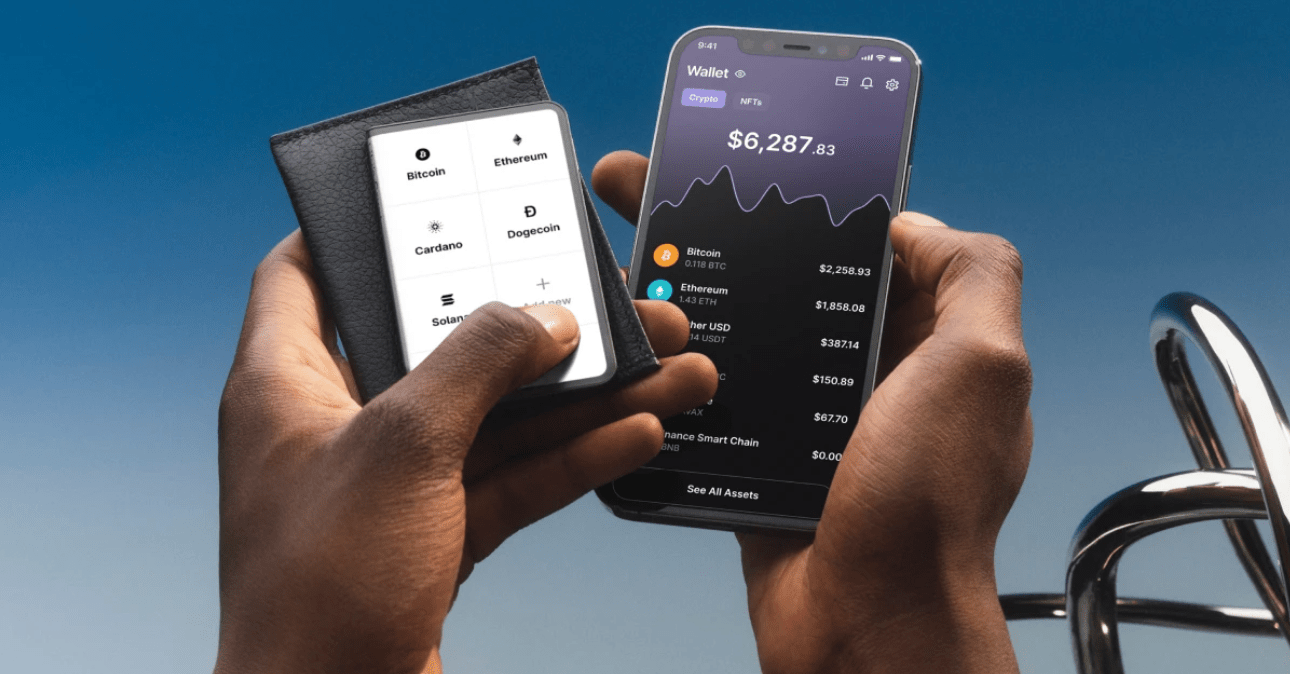
Onchain KYC attestations flip this script. They allow users to complete a single verification, receive a tamper-proof credential tied to their wallet address, and reuse it across ecosystems. Platforms like OnchainKYCe. me issue these attestations directly on blockchain, enabling KYC'd addresses verification without revealing sensitive details. Smart contracts gate access based on these proofs, ensuring Web3 allowlists KYC compliance stays seamless and sovereign.
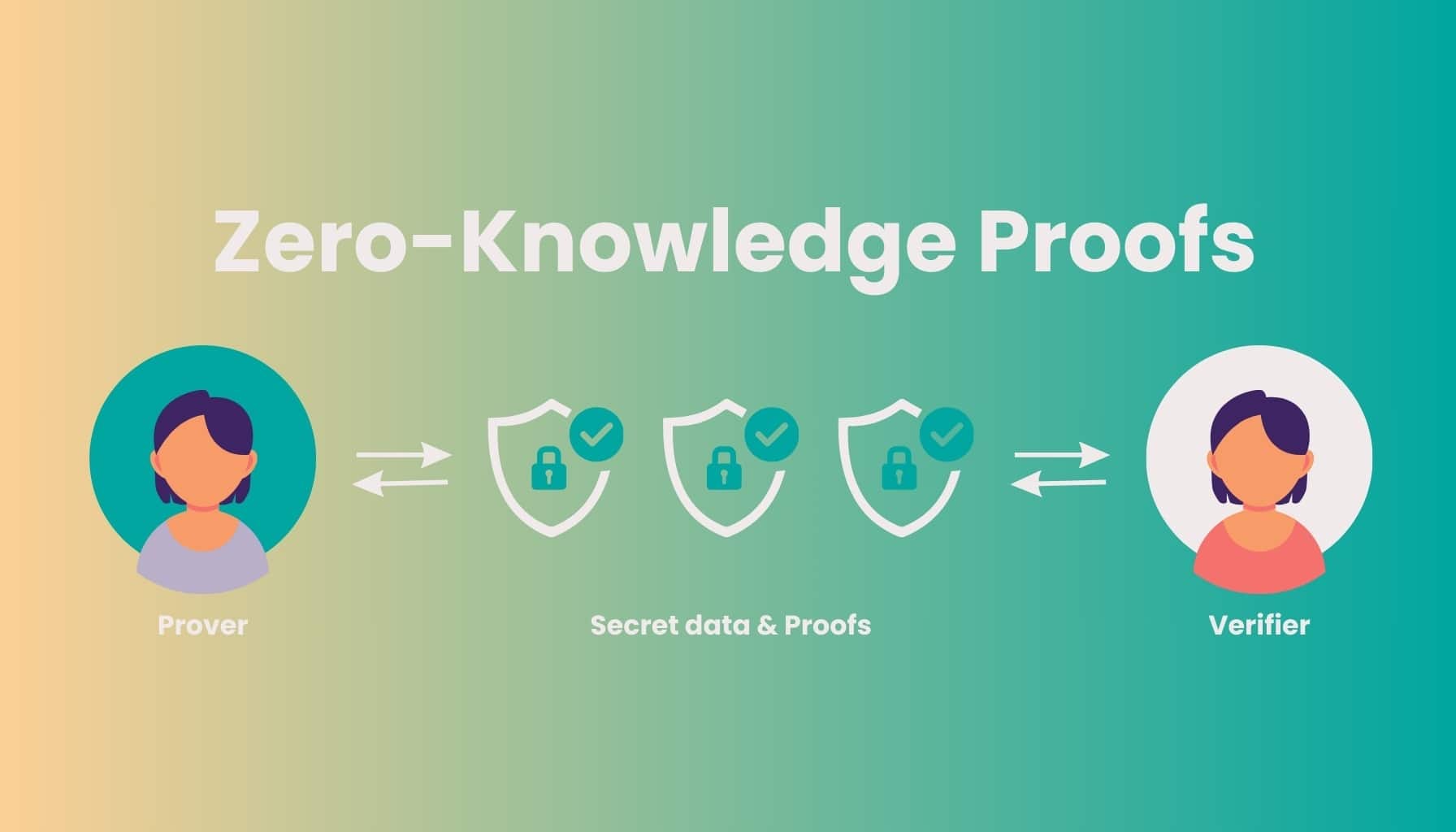
This privacy-first model aligns with decentralization's ethos. Instead of databases hoarding identities, attestations use zero-knowledge proofs and signed credentials to confirm attributes like age, residency, or AML status. Users control what they share, projects verify instantly, and regulators get auditable trails, all onchain.
Breakthrough Developments Driving Adoption
Recent innovations have accelerated this shift. Blockpass On-Chain KYC 2.0, launched in Q3 2025, delivers granular attestations for identity, geography, and AML across Ethereum and Solana. It empowers dApps to enforce rules without storing user data off-chain. Meanwhile, Solana Attestation Service (SAS), rolled out in May 2025, lets trusted issuers bind off-chain KYC to wallets via reusable, signed proofs on Solana mainnet.
0xKYC took it further in late 2025 with zero-knowledge liveness checks on Polygon, BNB Smart Chain, and Scroll, proving personhood for high-stakes applications. Altme Wallet simplifies it for end-users: one-time KYC yields compliance NFTs usable everywhere. These tools address DeFi's pain points, where KYC often triggers only at fiat ramps, leaving pure onchain activity in gray zones.

Projects now integrate these for decentralized KYC credentials, reducing costs and boosting interoperability. As Chainlink notes, onchain KYC leverages smart contracts and oracles for verifiable identity in blockchain apps.
Privacy-Preserving Mechanics for Web3 Allowlists
At core, an attestation is a signed statement from a verified issuer, stored onchain as an ERC-721 or similar. Users connect their wallet, present the attestation, and contracts validate it against revocation lists or issuer keys, no PII exchanged. For allowlists, this means scripting access like: if (wallet. hasValidKYCAttestation() and amp; and amp; geographyMatches(allowedRegions)) { grantAccess(); }.
This privacy-preserving onchain verification shines in practice. Take a token sale: managers verify KYC'd addresses once via OnchainKYCe. me, add them to an onchain list, and automate minting. No more spreadsheets or manual checks. DeFi platforms enforce DeFi KYC compliance at pool entry, using attestations to filter risky actors while honoring pseudonymity.
Interoperability protocols like Sign Protocol enable omni-chain attestations, letting a Solana credential work on Ethereum. As arXiv research highlights, this permissioning model enforces KYC/AML proactively, closing loopholes in pure DeFi flows. Sumsub's insights reinforce that Web3 demands adaptive compliance designs, where attestations provide the bridge.
Streamlining Compliance Without Sacrificing Decentralization
Traditional KYC silos data, breeding single points of failure. Onchain versions distribute trust: issuers attest, chains verify, users revoke if needed. For allowlist managers, this cuts verification time from days to seconds. Check out how onchain attestations enable secure KYC verification for Web3 allowlists for deeper implementation details.
Costs plummet too, reuse trumps redundancy. A project launching on multiple chains pays once for issuance, verifies infinitely. HackMD's onchain compliance primer underscores smart contracts as the new enforcers, supplanting intermediaries. Cube Exchange calls attestations Web3's cryptographic glue, turning data into enforceable facts for DeFi security.
Yet the real power emerges in execution. DeFi protocols embedding attestations into liquidity pools or lending contracts can dynamically adjust risk parameters based on verified user profiles. Accredited investor status? Unlocked yields. High-risk jurisdictions? Restricted access. This granular control turns static allowlists into adaptive, intelligent gates.
Practical Steps for Web3 Projects
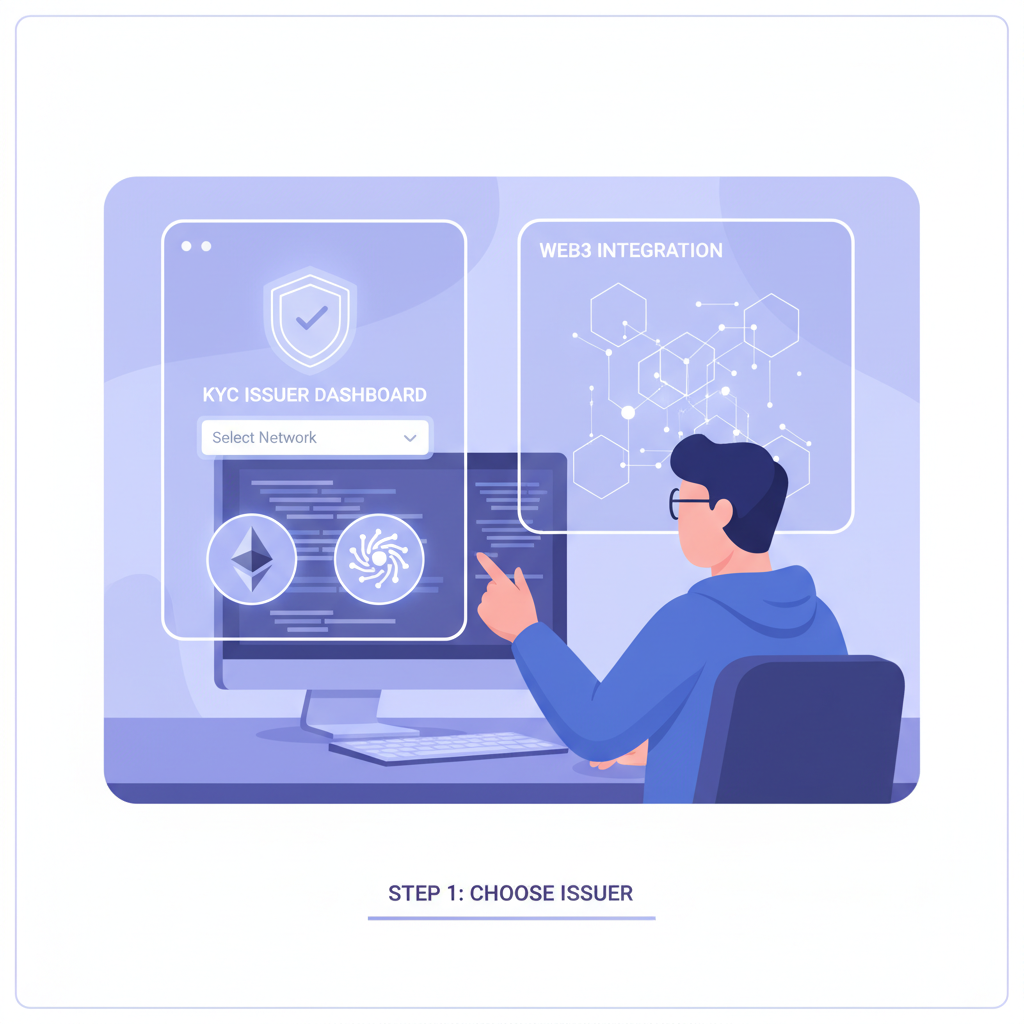
Implementing onchain KYC attestations demands deliberate integration, but the payoff justifies the effort. Start by selecting a provider like OnchainKYCe. me or Blockpass, which handle issuance and revocation. Projects audit issuer reputations, then deploy verifier contracts. For a basic allowlist, use OpenZeppelin's AccessControl with attestation hooks: require holders present a valid verifiable credentials blockchain NFT before minting.
Privacy-First Onchain KYC: Secure Web3 Allowlists in 4 Steps
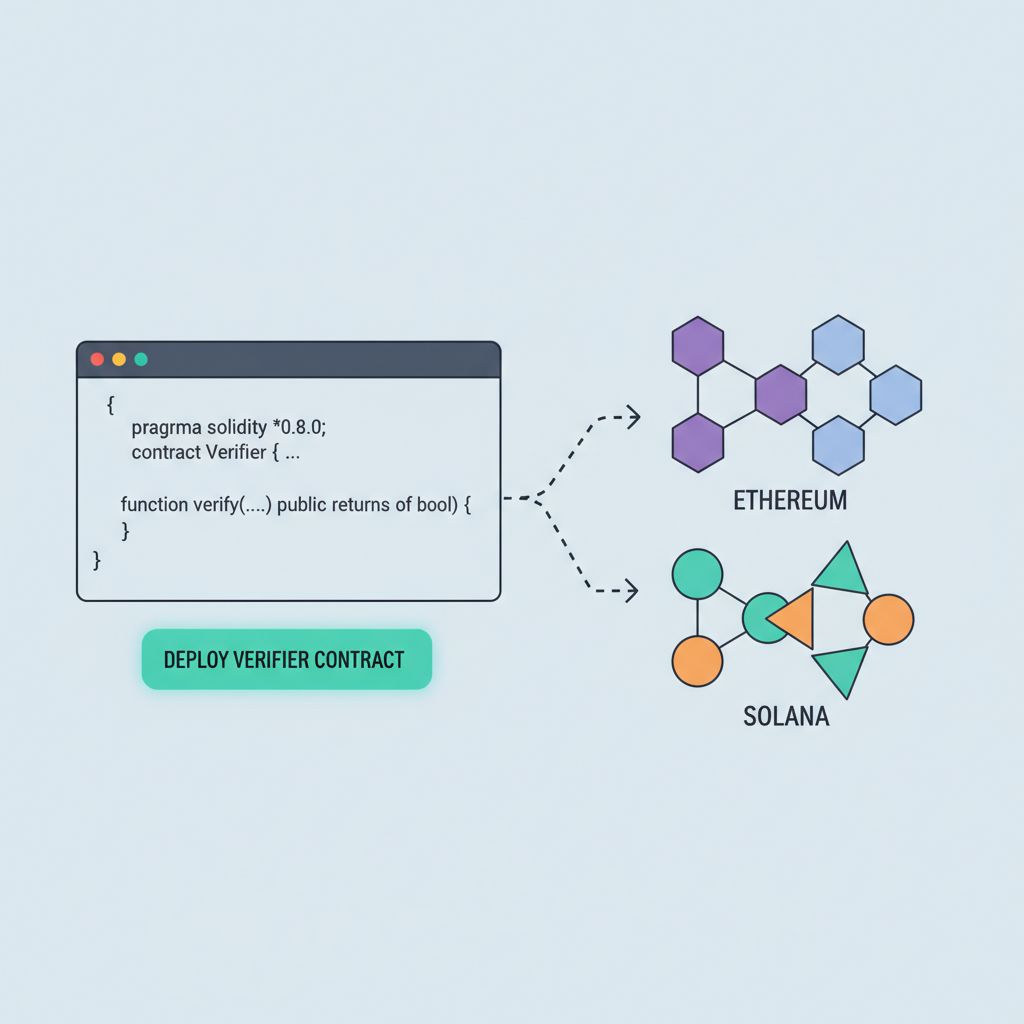
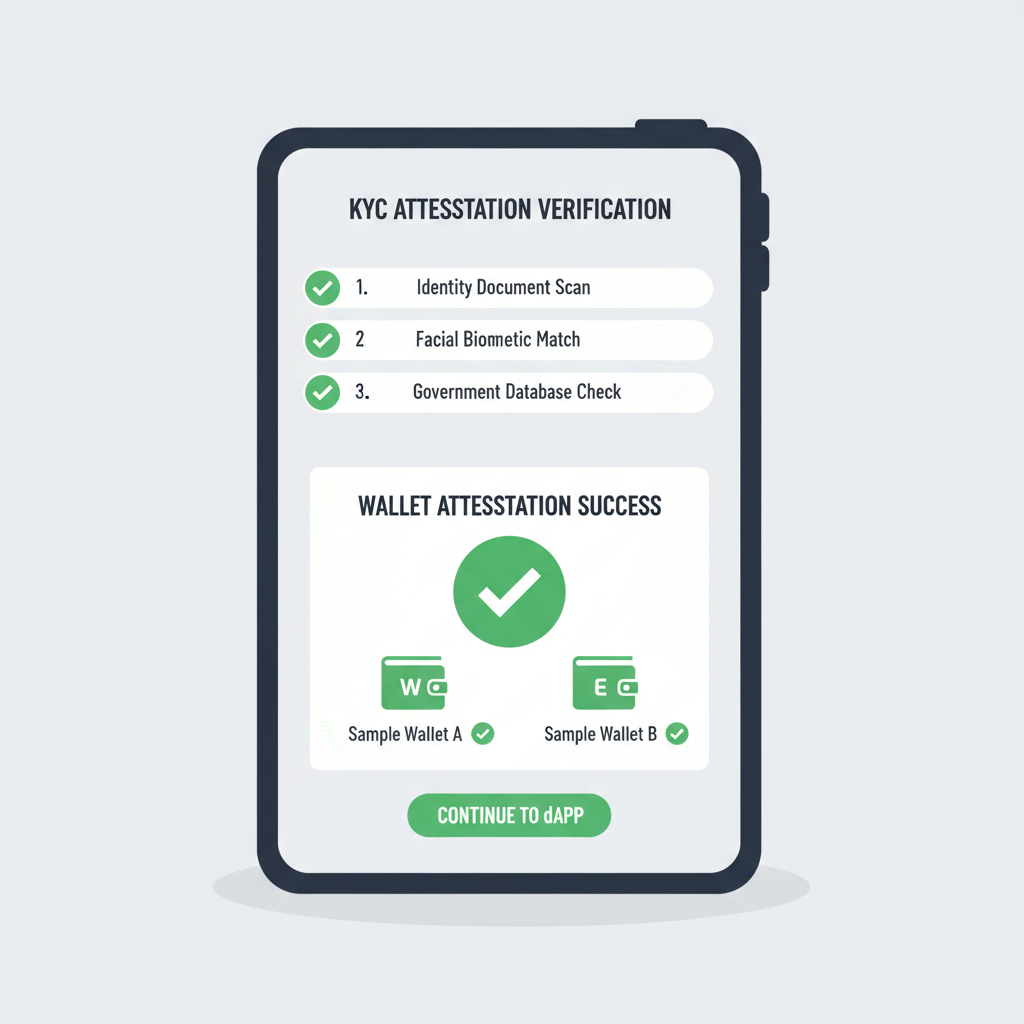
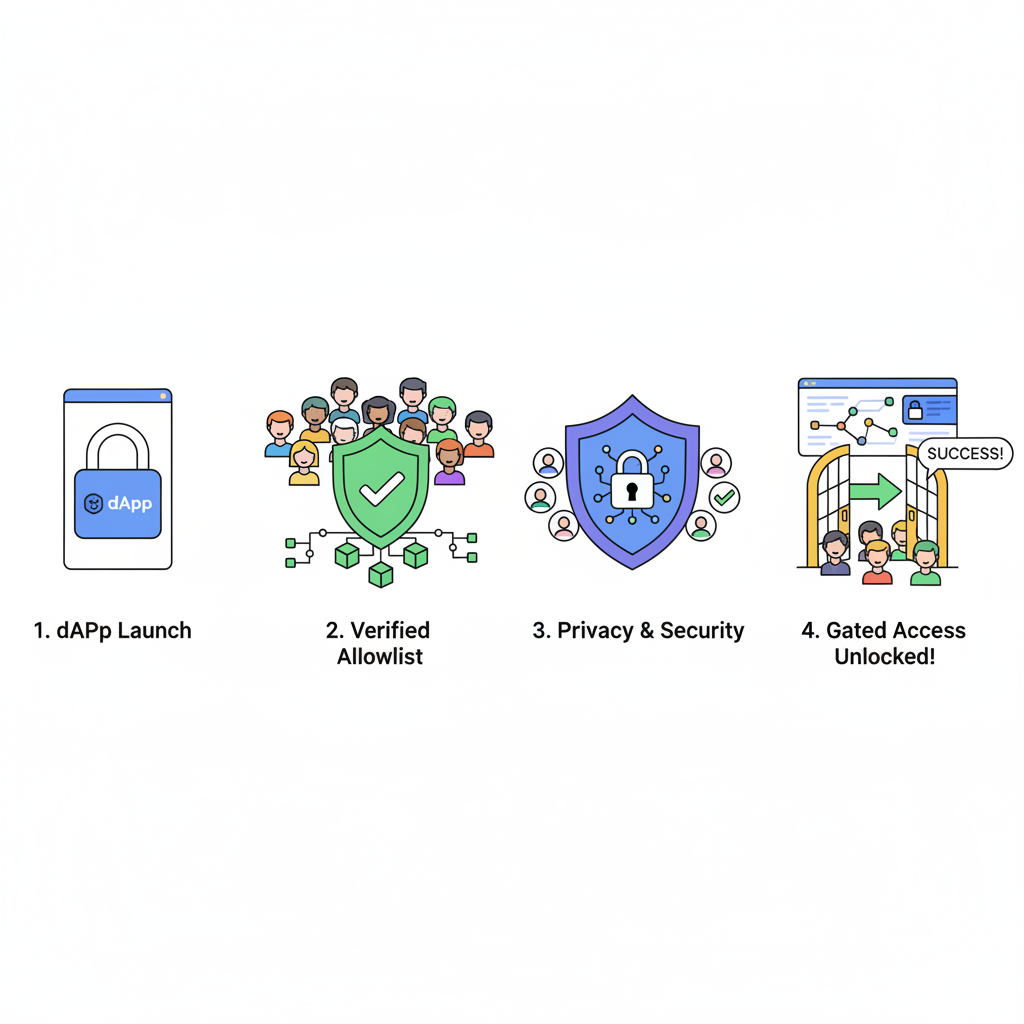
Testing on testnets reveals edge cases, like cross-chain bridging of credentials. Tools from Solana SAS or 0xKYC provide SDKs that abstract complexities, letting developers focus on core logic. I see this as essential for scaling: without it, projects risk regulatory blind spots or user exodus to frictionless rivals.
Users benefit equally. Wallets like Altme store attestations as NFTs, shareable with one click. No more uploading docs per dApp; prove KYC'd addresses verification once, access everywhere. This user-centric design fosters loyalty, as pseudonymity persists unless explicitly waived.
Key Advantages for Allowlist Managers
- Reduced verification costs by 80%: One-time KYC via providers like Blockpass On-Chain KYC® 2.0 eliminates redundant checks, slashing expenses for allowlist managers.

- Instant onchain checks: Smart contracts and oracles like Solana Attestation Service (SAS) enable real-time verification of attestations without manual reviews.
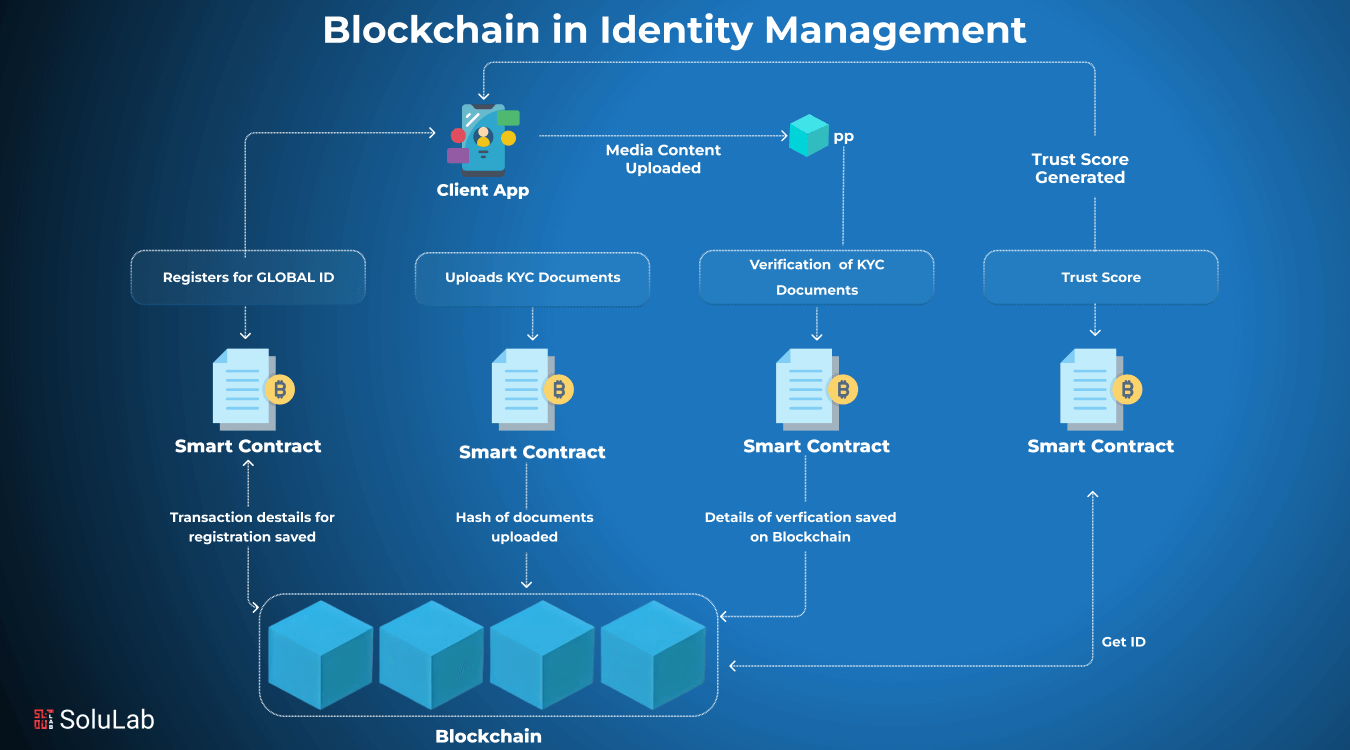
- Cross-chain reusability: Attestations from 0xKYC or Altme Wallet are interoperable across Ethereum, Solana, Polygon, BNB Smart Chain, and more.
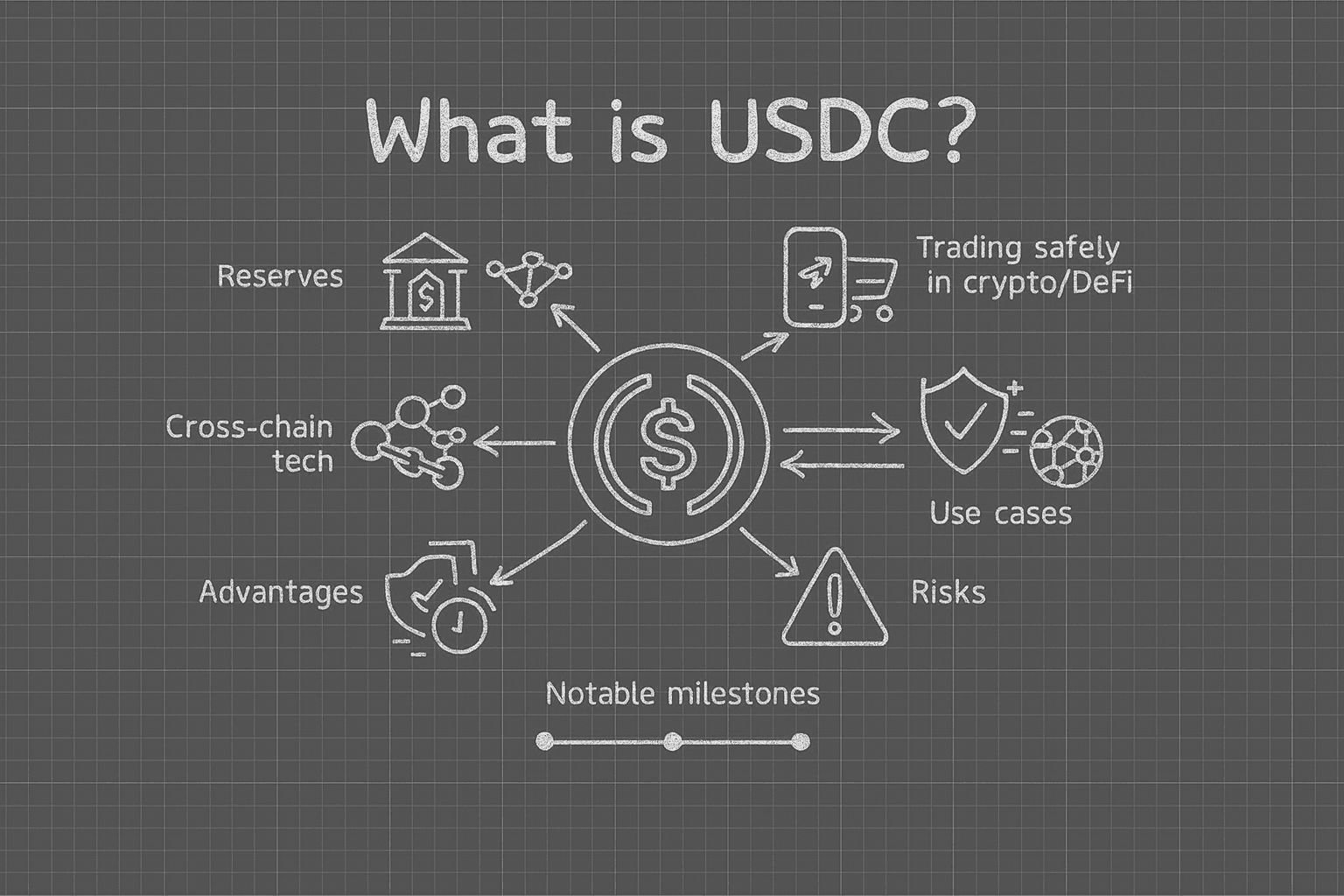
- Audit-proof compliance trails: Immutable onchain records provide verifiable proofs for regulatory audits and AML compliance.
- Enhanced user privacy: Zero-knowledge proofs and off-chain data storage (e.g., via SAS) share only necessary attestations without exposing personal info.
Challenges persist, of course. Oracle dependencies introduce centralization risks, though decentralized alternatives like Chainlink's CCIP mitigate this. Revocation mechanisms must be robust; a compromised issuer could flood chains with invalid proofs. Still, these hurdles pale against the alternative: clunky, data-leaky off-chain KYC that regulators increasingly scrutinize.
Look at real deployments. A mid-2025 Solana token launch used SAS attestations to whitelist 10,000 addresses in hours, dodging manual reviews. Polygon projects leveraging 0xKYC saw 40% higher participation from verified users wary of un-gated scams. These wins validate the model: Web3 allowlists KYC evolves from bottleneck to battle-tested feature.
Overcoming Hurdles in Adoption
Regulatory clarity lags tech, but signals align. EU's MiCA and U. S. clarity pushes demand DeFi KYC compliance tools that respect decentralization. Issuers earning fees per attestation create sustainable economics, unlike free-for-all snapshots. Critics decry 'surveillance chains, ' yet users opting in for perks undercut that narrative. Privacy tech like zk-SNARKs in 0xKYC ensures selective disclosure: prove you're over 18 without birthday specifics.
For allowlist managers eyeing 2026 launches, prioritize interoperability. Sign Protocol's omni-chain layer bridges silos, making Ethereum attestations portable to Solana. Pair with merkle proofs for gas-efficient batch verification. Read more on how onchain attestations for KYC'd addresses enable seamless Web3 allowlist management.
Forward thinkers grasp this: onchain KYC attestations aren't optional; they're the infrastructure layer securing Web3's next growth phase. Projects ignoring them court obsolescence, while adopters command premium trust. Users wielding portable, privacy-first credentials dictate terms, reshaping power dynamics. Dive into OnchainKYCe. me to attest your address today, and position your project at the vanguard of compliant, unstoppable innovation.




No comments yet. Be the first to share your thoughts!