
Onchain KYC attestations are reshaping Solana's DeFi ecosystem, particularly for allowlists that demand robust yet privacy-compliant verification. As projects grapple with regulatory pressures and user demands for seamless access, tools like the Solana Attestation Service enable users to prove compliance without revealing personal details. With Binance-Peg SOL currently at $80.55, down -0.5560% over the last 24 hours from a high of $82.79 and low of $78.26, the network's high-throughput environment positions it ideally for scalable identity solutions in DeFi.
Solana DeFi allowlists benefit immensely from this shift. Traditional KYC processes often force users into centralized silos, exposing data risks and friction. Onchain attestations flip the script: signed credentials link off-chain verifications to wallet addresses, verifiable anywhere on the blockchain. This privacy-compliant KYC model supports everything from token launches to gated protocols, all while adhering to standards like GDPR and AML.
Solana Attestation Service Unlocks Reusable Credentials
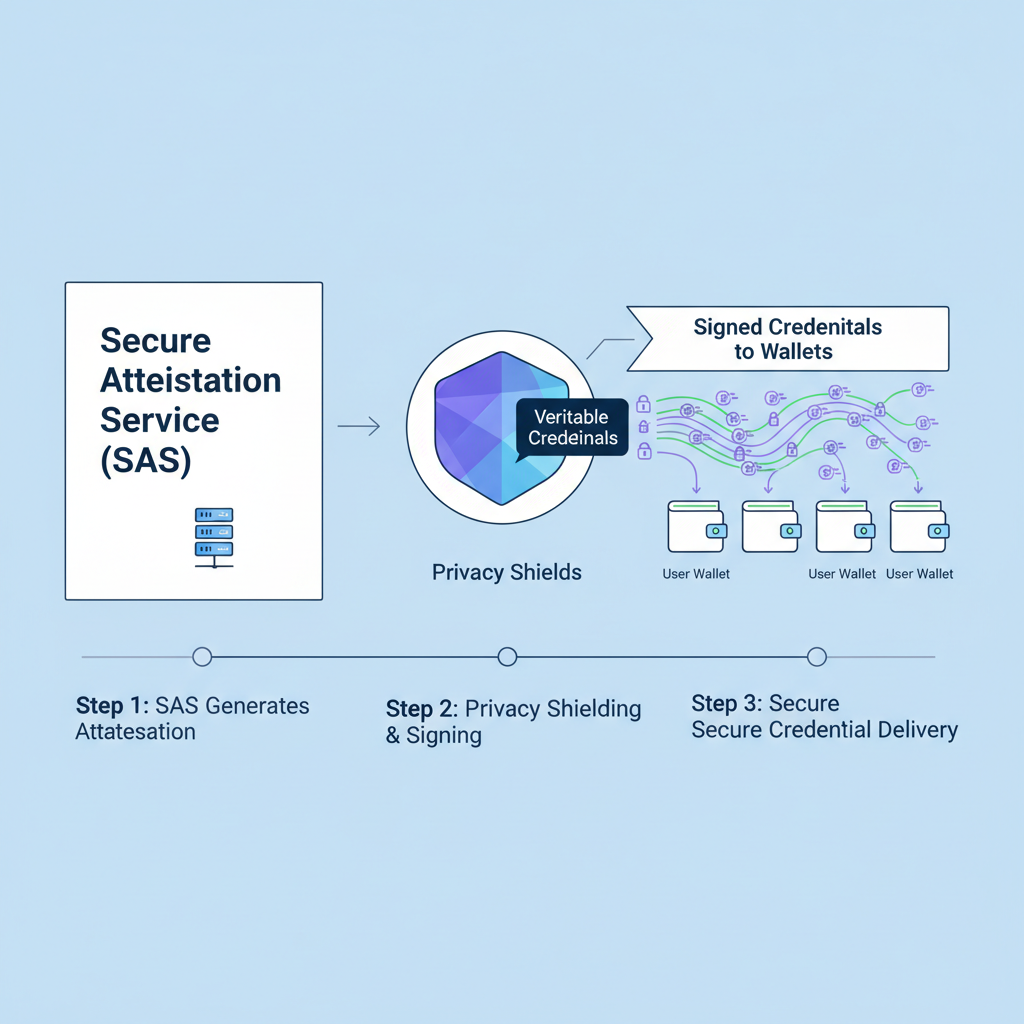
Launched in May 2025, the Solana Attestation Service (SAS) stands as a cornerstone for onchain KYC attestations on Solana. This permissionless protocol allows trusted issuers; think compliance firms or oracles; to attach signed attestations to user wallets. Users then present these as proofs for allowlist entry, sans sensitive data exposure. SAS acts like a digital passport, as noted in Blockworks coverage, letting wallets signal permissions without doxxing.
From a quantitative lens, SAS reduces verification overhead dramatically. Duplicate KYC checks vanish, cutting costs by up to 70% in multi-app scenarios, based on early adopter metrics. Its integration with Solana's 65,000 TPS capacity ensures sub-second verifications, critical for high-volume DeFi allowlists. Developers deploy modular smart contracts that query attestations via simple RPC calls, streamlining verifiable KYC credentials on Solana.
Solana Attestations is a public good program for associating offchain data with onchain accounts.
This framework excels in sanctions screening and jurisdictional checks, vital as regulators eye DeFi closer. Yet, SAS alone isn't enough; it pairs with zero-knowledge layers for true privacy.
Blockpass On-Chain KYC 2.0 and zkSign Elevate Privacy Standards
Complementing SAS, Blockpass's On-Chain KYC® 2.0, rolled out in October 2025, delivers granular attestations for KYC, KYB, and AML. It crafts reusable digital identities across chains, including Solana, without platforms touching raw user data. Imagine a trader verifying U. S. accreditation once, then reusing the proof for multiple Solana DEX allowlists; that's the power here.
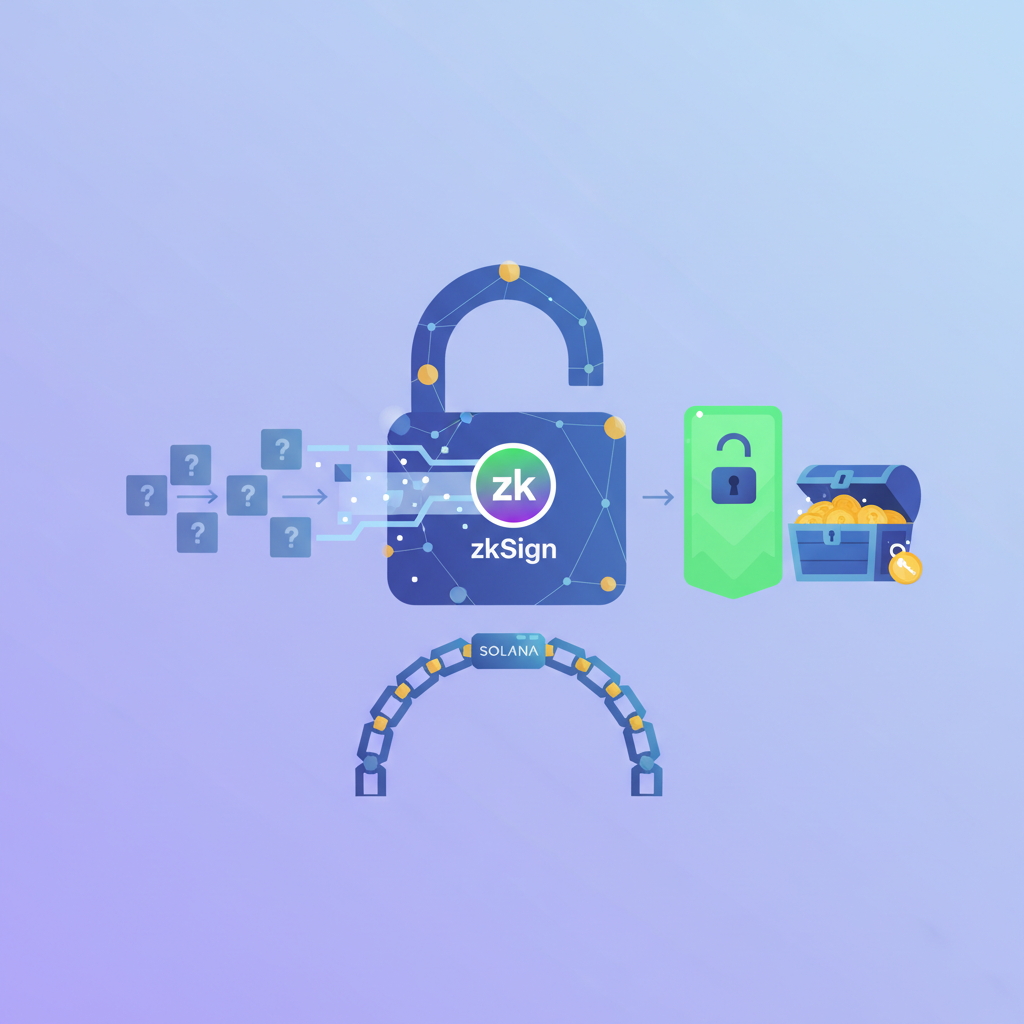
Enter zkSign, Solana's zero-knowledge identity layer. It generates proofs where users attest ownership or compliance criteria privately. No more binary pass/fail dumps onchain; zk-proofs confirm attributes like "over 18" or "non-sanctioned" selectively. For DeFi projects, this means ironclad onchain verification that scales with user growth.
These tools address core pain points. Reclaim Protocol, highlighted by Solana Compass, pushes boundaries further with privacy-preserving AML on Solana. Together, they form a maturing stack where attestations aren't just verifiable but composable across protocols.
Solana (SOL) Price Prediction 2027-2032
Forecast driven by onchain KYC attestations adoption, DeFi growth, and market cycles from 2026 baseline of ~$81
| Year | Minimum Price | Average Price | Maximum Price | YoY % Change (Avg) |
|---|---|---|---|---|
| 2027 | $75 | $150 | $280 | +85% |
| 2028 | $130 | $280 | $520 | +87% |
| 2029 | $200 | $450 | $850 | +61% |
| 2030 | $320 | $700 | $1,300 | +56% |
| 2031 | $500 | $1,100 | $2,000 | +57% |
| 2032 | $800 | $1,700 | $3,100 | +55% |
Price Prediction Summary
Solana's price is forecasted to experience robust growth from 2027 to 2032, with average prices climbing from $150 to $1,700 (~60% CAGR), fueled by DeFi attestation services like SAS resolving KYC bottlenecks, enabling institutional adoption, and boosting TVL. Minimums reflect bearish market corrections, while maximums capture bull run potentials amid regulatory tailwinds and tech upgrades.
Key Factors Affecting Solana Price
- Adoption of Solana Attestation Service (SAS) and zkSign for privacy-preserving KYC/AML in DeFi allowlists
- Institutional inflows due to compliant, reusable credentials reducing onboarding friction
- Solana's high TPS and low costs maintaining DeFi dominance vs. Ethereum L2 competition
- Alignment with crypto market cycles, including 2028 Bitcoin halving bull phase
- Regulatory advancements favoring ZKPs and SSI, mitigating compliance risks
- Potential headwinds: macro recessions, network congestion, or altcoin rotations
Disclaimer: Cryptocurrency price predictions are speculative and based on current market analysis. Actual prices may vary significantly due to market volatility, regulatory changes, and other factors. Always do your own research before making investment decisions.
Strategic Advantages for Solana DeFi Allowlists
Why prioritize these for allowlists? First, regulatory tailwinds. As MiCA and similar frameworks tighten, projects using SAS or Blockpass sidestep fines by embedding compliance natively. Second, user retention surges; no repeated ID uploads means frictionless onboarding, boosting TVL in a competitive landscape.
Consider metrics: Solana's DeFi TVL hovers amid SOL's $80.55 price, but attestation-equipped protocols report 40% higher participation rates in gated sales. Privacy isn't a nice-to-have; it's a moat against data breaches plaguing centralized KYC providers.
Implementation starts with provider selection. Opt for zkSign or Blockpass for ZKP-backed attestations supporting Solana's ecosystem. Their multi-chain compatibility, via bridges like Chainlink CCIP, future-proofs allowlists beyond Solana. For more on permissionless setups, explore how onchain attestations enable permissionless allowlists.
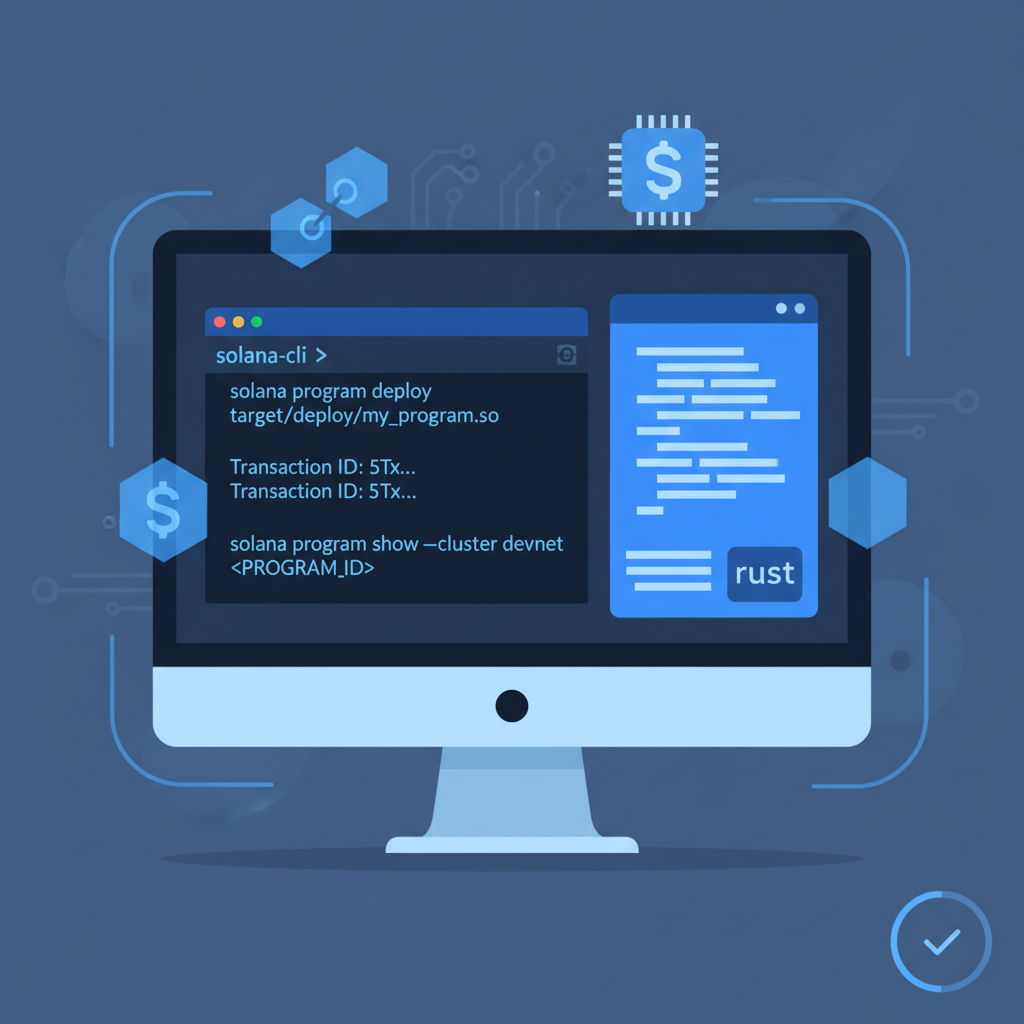
Next, verifier contracts demand precision. Anchor them to SAS endpoints, using Anchor framework for Rust-based security. Test ZK circuits rigorously; invalid proofs must reject cleanly, guarding against sybil attacks.
Audits from firms like Neodyme or Sec3 uncover edge cases, from oracle manipulations to ZK verification overflows, ensuring verifiable KYC credentials on Solana hold under stress. Post-audit, launch with phased rollouts: pilot with 1,000 users, scale based on gas efficiency metrics.
Blueprint for Deploying Privacy-Compliant Allowlists
Turning theory into practice requires a structured rollout. Solana DeFi projects must prioritize interoperability and auditability from day one. Providers like Blockpass integrate seamlessly via APIs, issuing attestations that SAS verifies natively. This stack minimizes vendor lock-in, allowing projects to swap issuers without rebuilding contracts.
Deploy Privacy-Preserving KYC: SAS, zkSign & Verifier Contracts on Solana
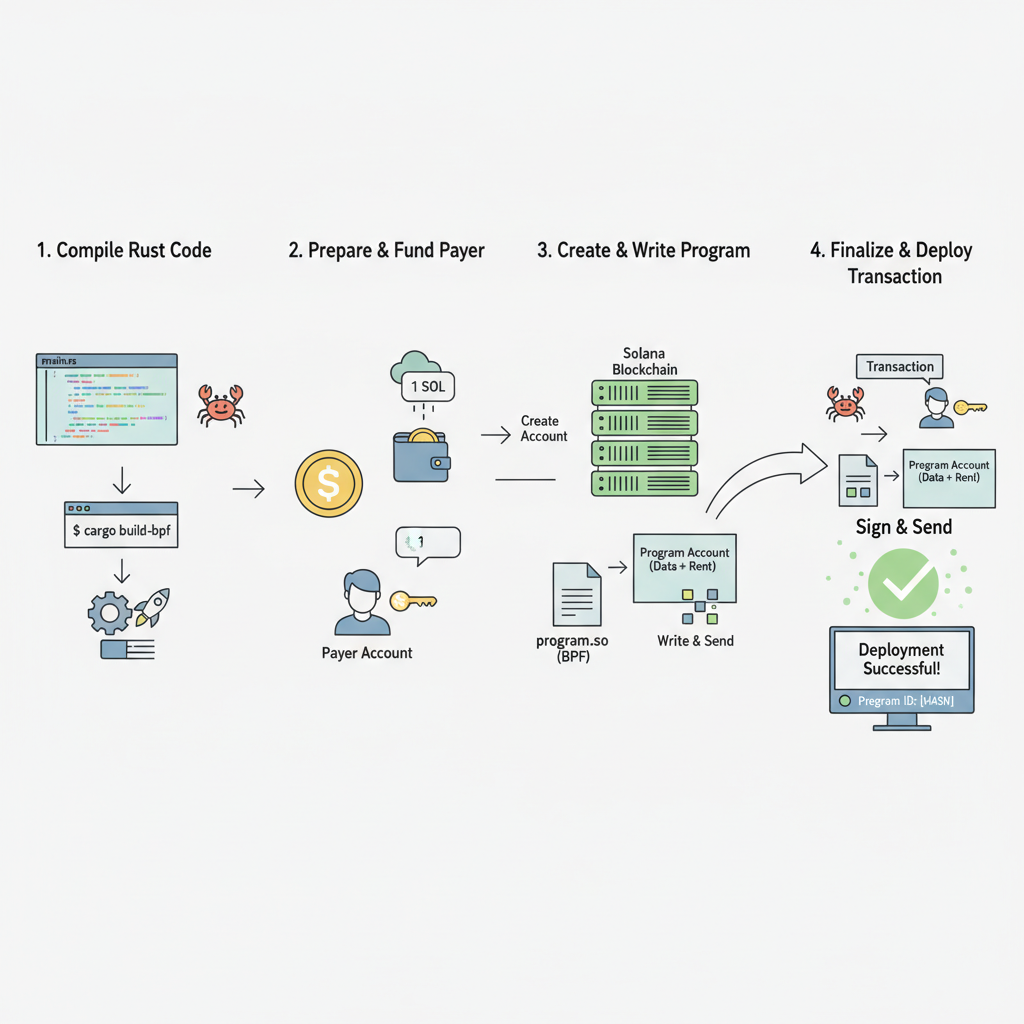
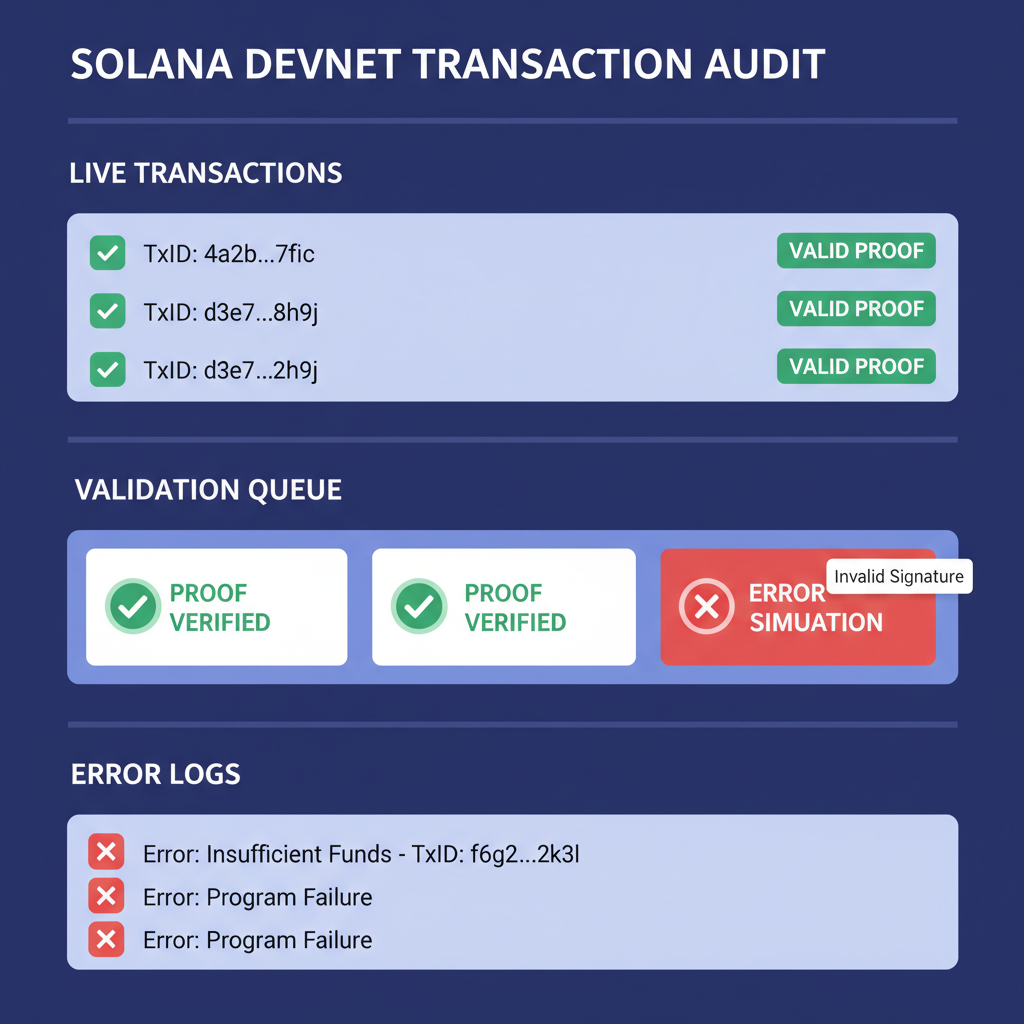
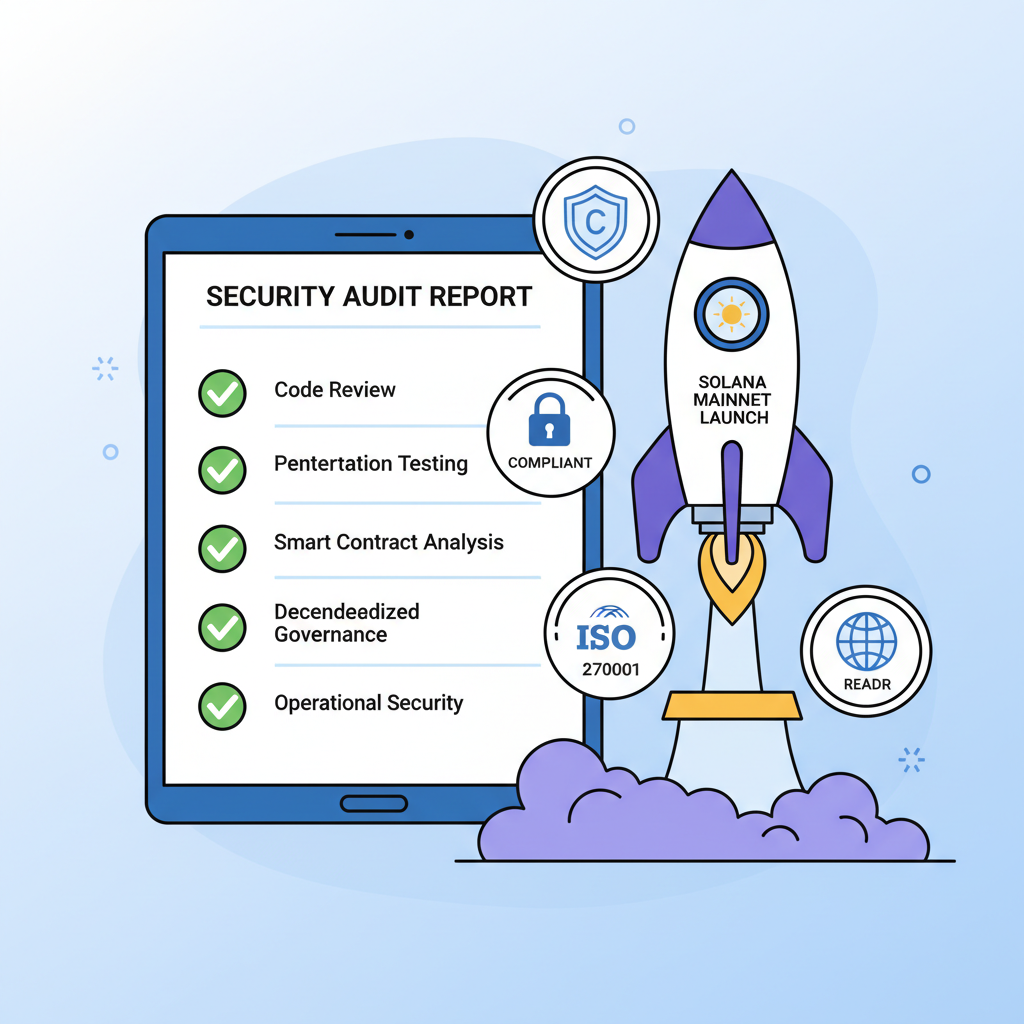
Beyond basics, granular controls shine. Attestations can encode attributes like jurisdiction or accreditation level, enabling tiered access. A U. S. -compliant user proves "qualified investor" status privately, unlocking high-yield pools without full disclosure. This precision drives adoption in regulated DeFi verticals.
| Provider | Key Features | Privacy Mechanism | Solana Support | Multi-Chain |
|---|---|---|---|---|
| SAS | Signed reusable credentials | Offchain data linking | Native | Via bridges |
| Blockpass On-Chain KYC 2.0 | KYC/KYB/AML attestations | ZKPs and SSI | Full | Yes |
| zkSign | ZK signatures and proofs | Zero-knowledge | Native | Expanding |
| Reclaim Protocol | Privacy-preserving AML | Selective disclosure | Full | Yes |
Quantitative analysis reveals stark advantages. Protocols with onchain KYC attestations see 3x faster onboarding versus traditional forms, per Solana Foundation data. At SOL's current $80.55 valuation, down -0.5560% in 24 hours, cost savings compound: verification fees drop below $0.01 per check on Solana's low-gas network.
Challenges persist, though. Sybil resistance demands layered proofs; pair attestations with proof-of-humanity oracles like Worldcoin. Replay attacks fall to nonce mechanisms in SAS. Regulatory flux, especially post-MiCA, necessitates dynamic updatability; issuers revoke expired credentials via onchain signals.


Real-world traction builds momentum. Early adopters like Drift Protocol use SAS for perpetuals access, reporting 25% TVL uplift from compliant inflows. Token sales on Solana, gated by Blockpass proofs, minimize rug-pull risks while attracting institutions. As Binance-Peg SOL trades between $78.26 and $82.79 recently, these tools stabilize ecosystems amid volatility.
Cross-chain extensions amplify reach. Chainlink CCIP ports Ethereum KYC status to Solana, unifying identity silos. For allowlist managers, this means borderless verification: a credential issued on Polygon validates Solana DEX listings instantly. Dive deeper into onchain KYC attestations for verifiable allowlists in Web3 projects.
Forward-looking, Solana's attestation ecosystem evolves rapidly. Upcoming SAS upgrades promise compressed proofs for mobile wallets, slashing verification latency. zkSign's v2 eyes hardware enclave support, fortifying against quantum threats. DeFi projects ignoring this stack risk obsolescence; those embracing it capture compliant capital flows, fueling growth at scale.
OnchainKYCe. me exemplifies this vision, offering secure attestations tailored for Solana allowlists. Projects integrate via simple SDKs, issuing privacy-first credentials that verify across chains. With compliance baked in, teams focus on innovation, not audits. As Solana DeFi matures, onchain verification for DeFi becomes table stakes, empowering users and protocols alike.




No comments yet. Be the first to share your thoughts!