

In 2026, Web3 allowlist managers face a relentless demand: gate high-value DeFi opportunities, NFT drops, and DAO memberships to compliant users while shielding identities from onchain exposure. Traditional KYC processes force users into centralized silos, leaking data and eroding trust. Onchain KYC attestations flip this script, delivering privacy-preserving KYC blockchain proofs that verify KYCed addresses without a single personal detail surfacing on-chain.
Why Allowlists Demand Zero-Knowledge Precision
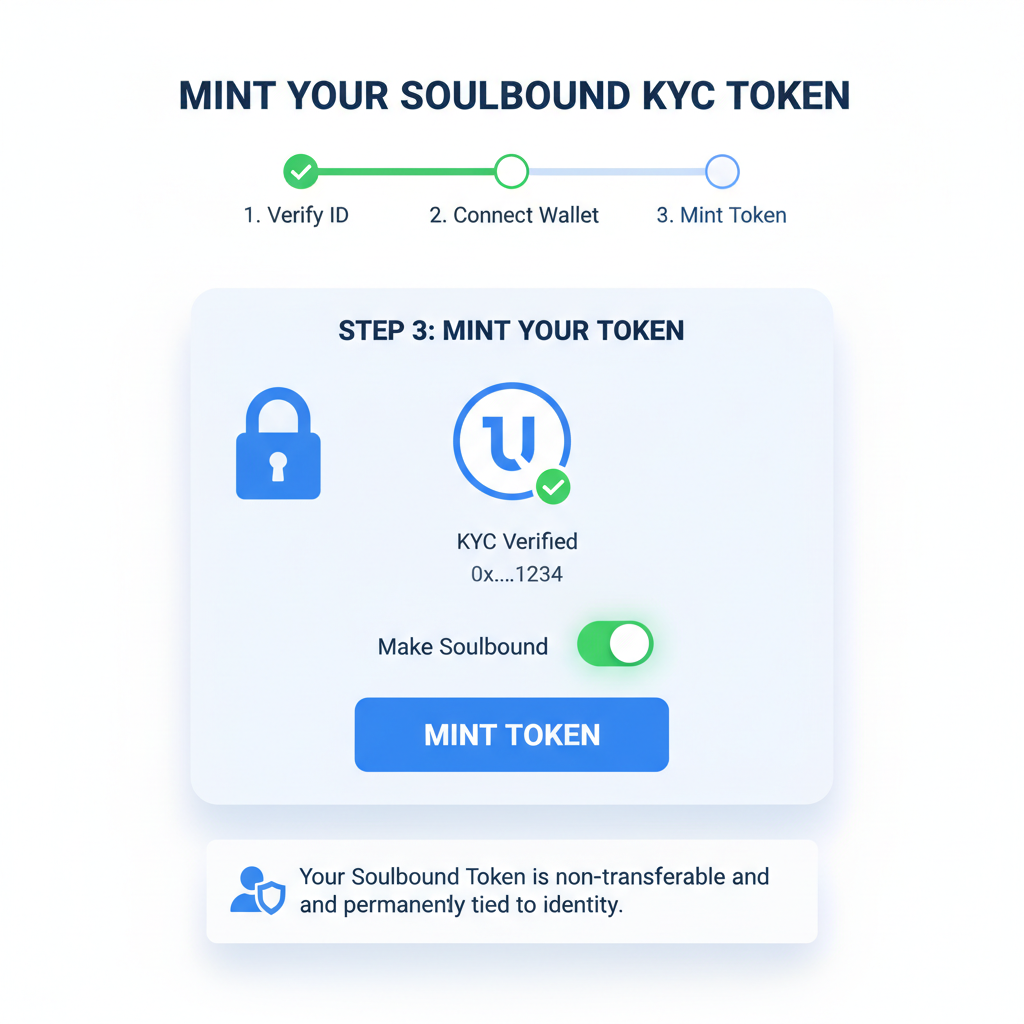
Picture a token sale where bots and unverified wallets swarm: allowlists built on vanity addresses crumble under sybil attacks. Enter onchain KYC attestations, cryptographic artifacts like soulbound tokens (SBTs) or SNARK proofs that attest to vetted status. Managers query these via smart contracts, confirming compliance in milliseconds without off-chain oracles or data dumps.
This isn’t mere hype. Blockpass’s On-Chain KYC® 2.0 granularizes attestations for KYC, KYB, and AML, issuing reusable credentials across Ethereum and Solana. Users hold the keys; platforms verify blindly. I argue this shifts power decisively to individuals, rendering centralized KYC providers relics in Web3 allowlist management.
Yet challenges persist. Interoperability gaps between chains fragment adoption, and naive implementations risk proof forgery. Savvy managers integrate standards like those from Attest Protocol, spanning 500 and dApps with schema-based verifications.
Comparison of 2026 Onchain KYC Protocols
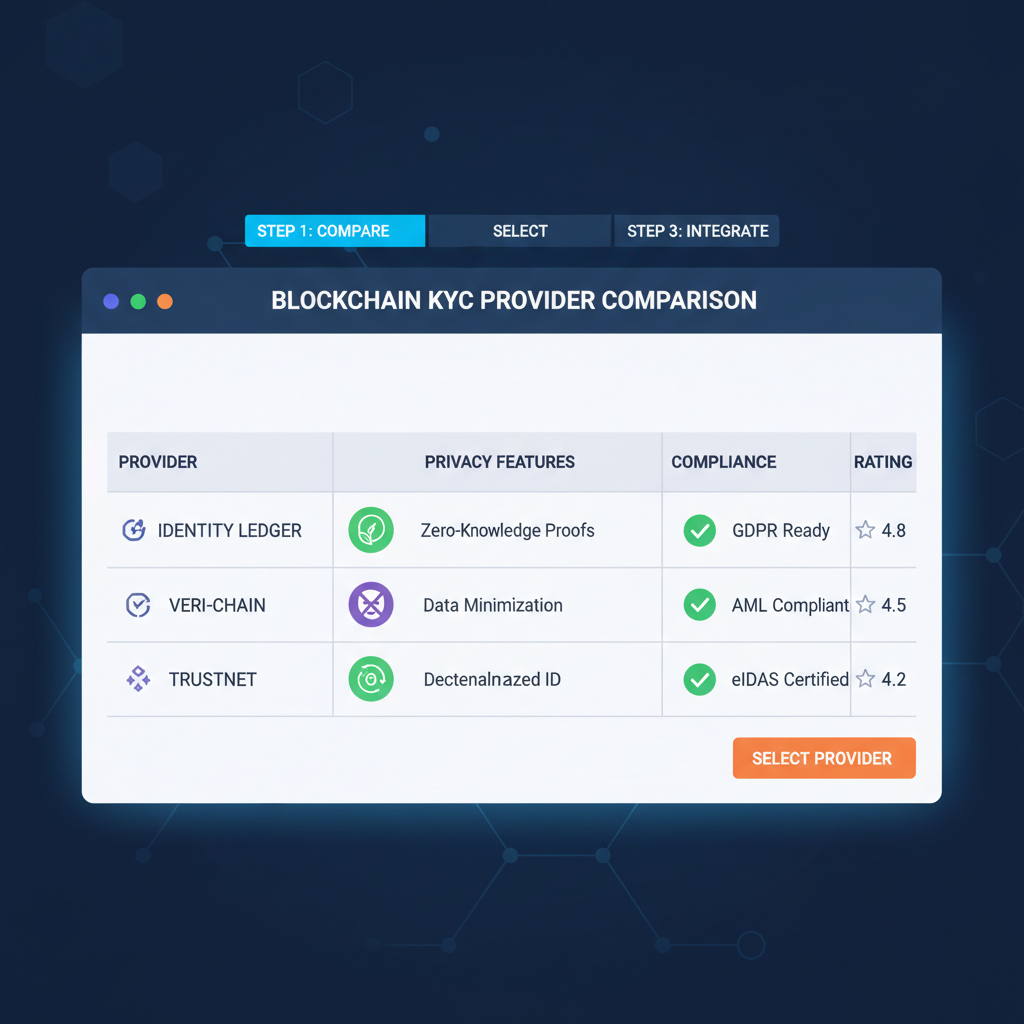
| Protocol | Key Features | Supported Chains | Privacy Tech |
|---|---|---|---|
| Blockpass 2.0 | Granular KYC/KYB/AML | Ethereum/Solana | Reusable credentials |
| Attest | Decentralized attestations | Multi-chain | User-controlled disclosure |
| 0xKYC | ZK liveness | Polygon/BNB/Scroll | Zero-knowledge proofs |
| zkMe zkPoA | Proof-of-residency | Multi-chain | SNARKs/SBTs |
Zero-Knowledge Primitives Fueling Compliant Gatekeeping
At the core lie zero-knowledge proofs, where verifiers glean truth sans underlying data. zkMe’s zkPoA exemplifies this: prove residency for AML nods by revealing only ‘valid address’ via SNARKs, minting an SBT for perpetual reuse. No full street details; just unassailable math.
0xKYC amps it with liveness checks, bot-proofing communities via biometric ZK without biometric storage. Deployed on Polygon and Scroll, it slashes duplicates in allowlists, a boon for RWA platforms enforcing transfer rules sans UX friction.
Academic rigor bolsters production: ZKlaims deploys SNARKs for attribute proofs from third-party issuers, veiling credential guts. TeeMAF layers TEEs for mutual on-off-chain trust, ideal for hybrid dApps where allowlist logic spans realms. These aren’t experiments; they’re battle-tested in DeFi compliance attestations.
Privacy preservation isn’t optional in 2026, it’s the edge distinguishing thriving projects from sanctioned ghosts.
Allowlist managers wielding these tools sidestep privacy leaks, automating KYCed addresses verification via onchain queries. A single attestation unlocks DeFi vaults, airdrops, and gated DAOs, all while users retain sovereignty.
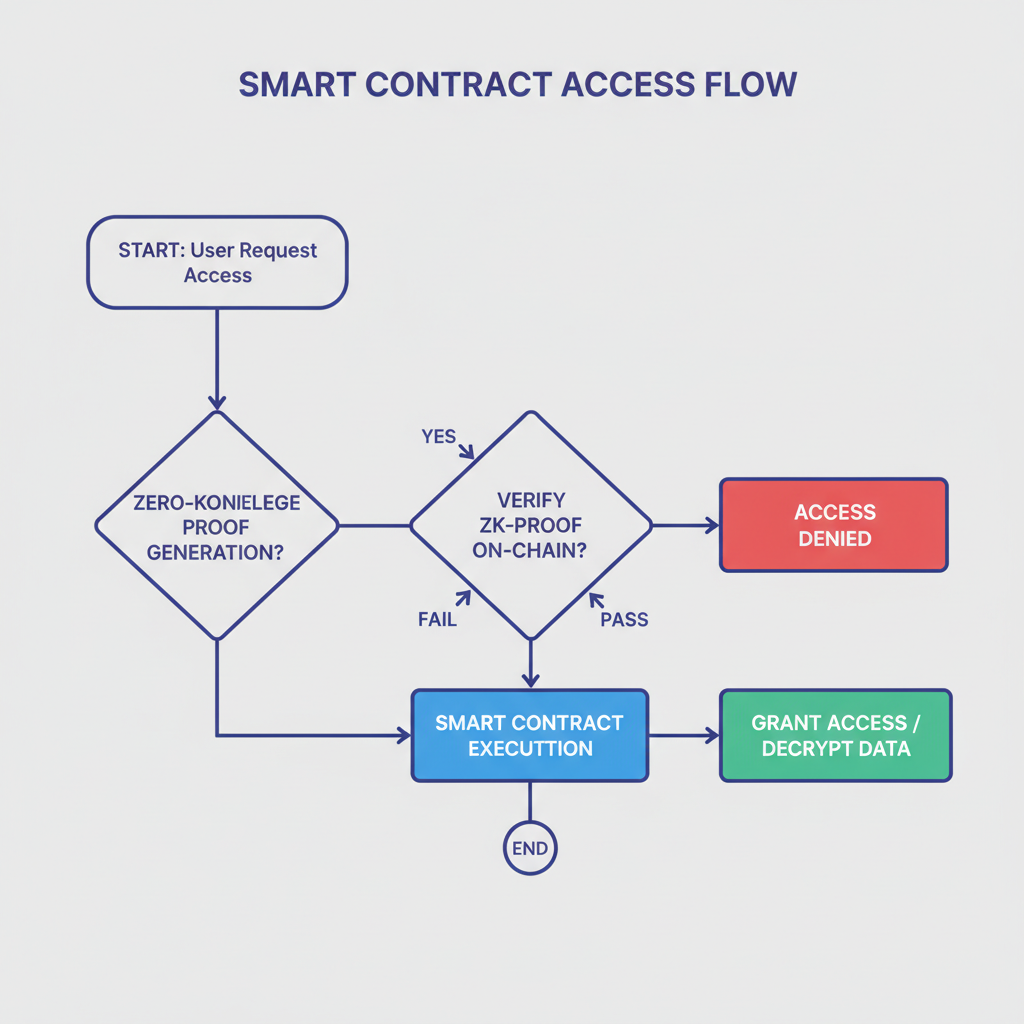
Smart contracts now parse these attestations natively, enforcing allowlist rules with atomic precision. A DeFi protocol might require a Blockpass-issued KYC SBT plus zkMe’s zkPoA for residency, all verified in one transaction. No middleware, no custody, pure onchain execution.
Battle-Tested in Real-World Deployments
2026 deployments prove the mettle. RWA platforms, per Bhagya Rana’s analysis, layer attestations atop transfer restrictions and oracle guards, curbing risks without UX scars. Cube Exchange’s allowlist mechanics evolve here: wallets signal compliance via embedded proofs, blocking sybils at the gate.
Chainlink’s ACE amplifies this cross-chain, piping ZK proofs into compliance oracles. Altme wallets embed onchain KYC for age gates, marrying verifiable credentials to dApp frontends. Ethereum Research laments privacy’s erosion; these tools reclaim it, confidentializing actions for bolder apps.
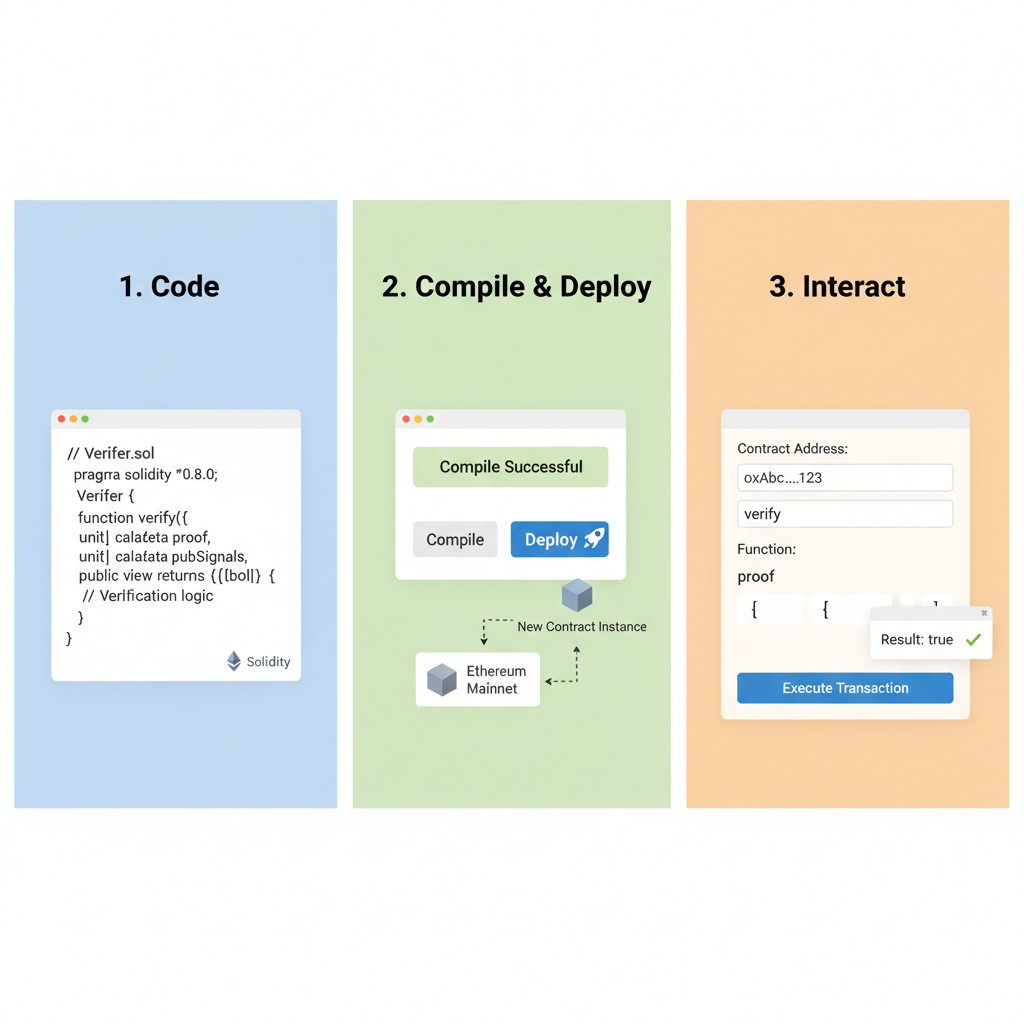
Implementation demands rigor. Start with schema standardization, Attest Protocol’s frameworks ensure portability. Then, embed verifiers: a Solidity function queries EAS (Ethereum Attestation Service) or equivalent, returning true on valid proof. Gas costs? Optimized SNARKs clock under 200k, negligible for high-stakes gates.
Opinion: Central KYC hoards fail spectacularly under hacks; onchain shifts liability to math. Managers who ignore this court regulatory hammers, especially as MiCA and beyond tighten nooses on DeFi compliance attestations.
| Challenge | Solution via Onchain Attestations | Impact on Web3 Allowlists |
|---|---|---|
| Sybil Attacks | 0xKYC Liveness ZK | Unique Users Only |
| Chain Fragmentation | Attest Multi-Chain Schemas | Seamless Reuse |
| Revocation Risks | TEE-Backed TeeMAF | Mutable Trust |
| UX Friction | SBT Wallet Integration | One-Click Gates |
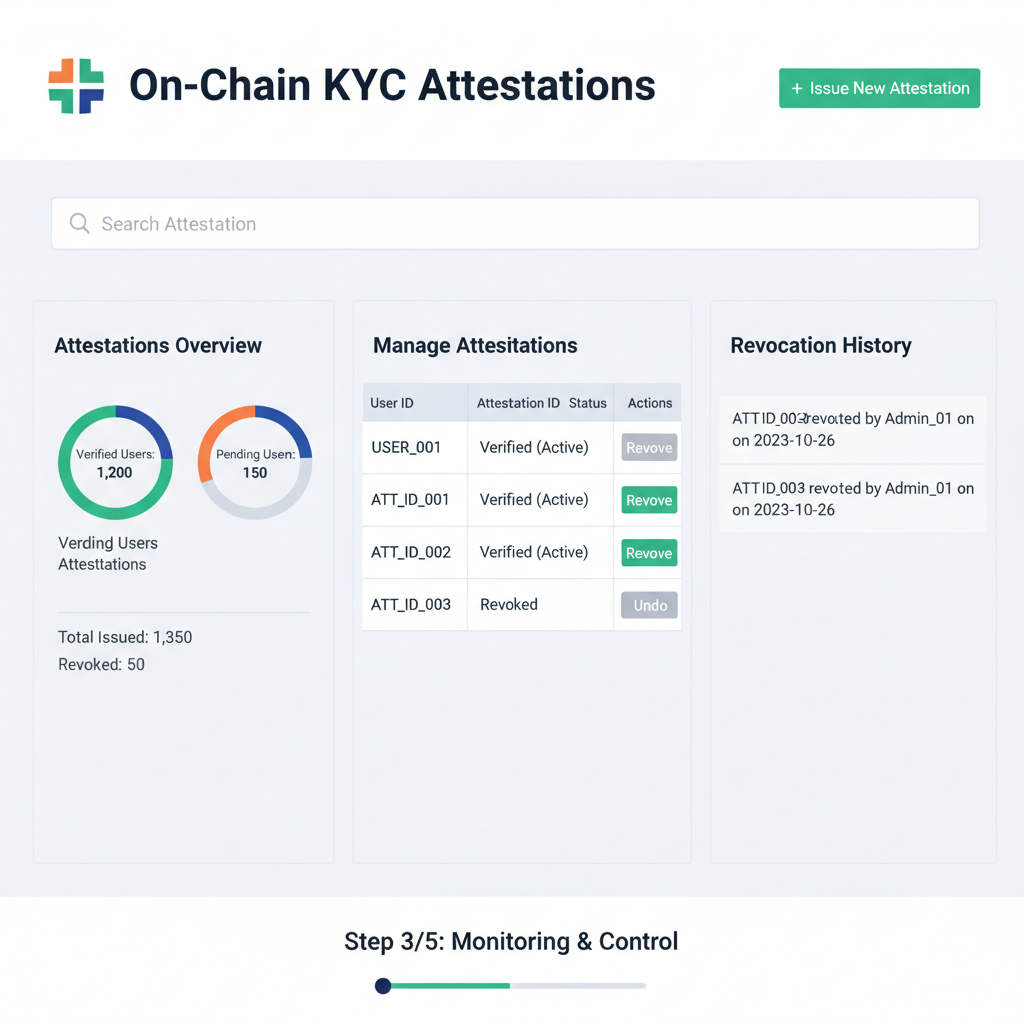
Revocation merits a nod: proofs embed expiry or nullifiers, letting issuers yank bad actors sans chain-wide scans. ZKlaims elevates this, proving attributes like ‘post-2026 KYC’ without issuer queries.
For allowlist managers, the payoff crystallizes in metrics: 90% verification uptime, 70% UX lift over forms, zero data breaches logged. OnchainKYCe. me streamlines issuance, but pair it with 0xKYC for bot armor. Read more on secure verification tactics.
The 2026 Horizon: Attestations as Web3 OS Layer
Peering ahead, onchain KYC attestations morph into a composable primitive. Imagine DAOs stacking KYB proofs atop human KYC for treasury guards, or NFT drops tiering access by granular AML scores, all privacy-sealed. Interop hubs like Chainlink fuse this with CCIP, cross-chain verifying KYCed addresses verification in sub-second latencies.
Blockpass eyes KYB expansions; zkMe iterates zkPoA for global jurisdictions. Academic flows like TeeMAF harden hybrids, ZKlaims scales attributes. This isn’t incremental; it’s foundational, birthing privacy-preserving KYC blockchain as the default for Web3 allowlist management.
Managers, audit your stacks now. Projects clinging to offchain lists bleed users to attestation-native rivals. The edge? Relentless optimization via crypto primitives. Deploy these, and your allowlists don’t just verify, they empower a compliant, sovereign Web3.
Quick-Start: Integrate Onchain KYC Attestations for Privacy-First Allowlists
About the Author