

In the high-stakes arena of Web3 allowlists, where DeFi platforms and token sales demand ironclad KYCed addresses verification, traditional methods falter under privacy’s weight. Users face endless re-verifications, exposing data to breaches, while projects grapple with compliance friction. Enter onchain KYC attestations: blockchain-anchored proofs that let wallets flash credentials without spilling secrets. This fusion of zero-knowledge proofs and self-sovereign identity flips the script, powering privacy-preserving KYC blockchain solutions that OnchainKYCe. me champions for seamless Web3 allowlist KYC.
Cracking the Privacy Code in Decentralized Access Control
Web3’s ethos screams sovereignty, yet allowlists often mimic Web2’s data vacuums. Projects like exclusive NFT drops or gated DAOs need to vet users for regulatory nods – think age, jurisdiction, or AML checks – but broadcasting PII invites hacks and doxxing. Onchain KYC attestations sidestep this with zk-SNARKs and zk-STARKs, cryptographic wizardry where users attest “I’m compliant” sans the underlying docs. Picture a Solana transfer hook scanning your wallet for a valid attestation before minting tokens: efficient, tamper-proof, zero leaks.
From my vantage charting crypto momentum, this tech mirrors high-frequency signals – precise, instantaneous, and market-moving. Platforms deploying these cut onboarding from days to seconds, slashing drop-off rates that plague DeFi onchain verification. No more siloed KYC databases; one attestation travels chains, verifiable by any dApp.
Under the Hood: Issuance, Verification, and Zero-Knowledge Magic
Let’s dissect the mechanics. Step one: off-chain KYC with a trusted provider like those at OnchainKYCe. me. Upon passing, they mint an onchain KYC attestation – an ERC-721 or soulbound token soulbound to your wallet, embedding hashed claims via standards like EAS (Ethereum Attestation Service). No raw data; just Merkle proofs.
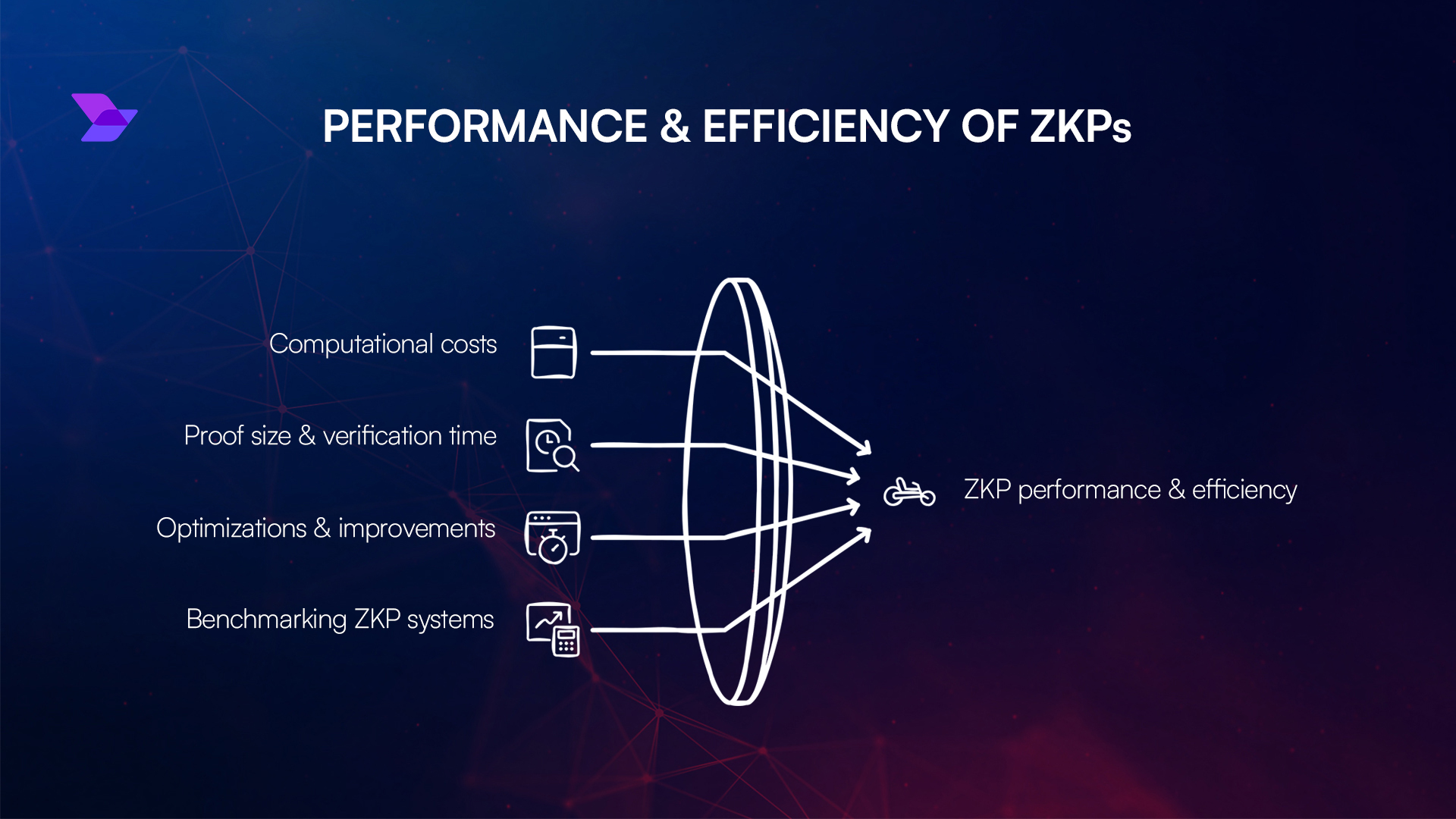
Verification kicks in at the smart contract layer. For Web3 allowlist KYC, a gatekeeper function queries the attestation’s validity: signature checks, expiry dates, revocation registries. zk-proofs elevate this – users generate a succinct proof off-chain, submit it on-chain, and contracts verify in milliseconds without oracle dependencies. zkMe’s zkKYC exemplifies this, blending FATF compliance with ZKP to prove attributes like “over 18, non-sanctioned” invisibly.
“Deployment complete: Your onchain KYC attestations now enable secure, privacy-first allowlist management across Web3. ” – OnchainKYC. me
This isn’t theoretical; Blockpass’s On-Chain KYC 2.0 issues reusable attestations on Ethereum and Solana, interoperable across ecosystems. Altme’s compliance NFTs add wallet-portable flair, letting dApps poll for presence via simple balance checks. IOTA tokenizes it further, slashing fraud in identity-heavy apps.
Pioneering Projects Reshaping Web3 Compliance Landscapes
Blockpass leads with On-Chain KYC 2.0, issuing attestations that dApps query directly, fueling KYB and AML too. Their model: verify once, reuse forever, all while dodging data silos. zkMe pushes boundaries with zkKYC, a decentralized verifier where users control proofs, aligning perfectly with Web3’s no-trust-max-privacy mantra.
Altme innovates via NFTs as compliance badges – complete KYC, snag the token, and gates open automatically. On Solana, BlockEden. xyz leverages transfer hooks for real-time attestation scans during token transfers. These aren’t fringe experiments; they’re battle-tested for seamless Web3 allowlist management, as seen in rising adoption for token sales and communities.
Opinion: In a market rife with rug-pulls and regs tightening, privacy-preserving KYC blockchain via onchain attestations isn’t optional – it’s the momentum signal screaming bullish for compliant DeFi. OnchainKYCe. me stands at the forefront, equipping projects with tools for verifiable, user-centric identity that scales without compromise.
Scalability hits another gear when allowlists span chains. Ethereum’s EAS framework lets attestations hop to Polygon or Optimism via bridges, while Solana’s compression tech keeps costs microscopic. This DeFi onchain verification backbone means projects like yield farms or airdrops can gate access without custom oracles, relying instead on decentralized verifiers audited for robustness.
Metrics Driving Adoption: Efficiency Amplified
Quantify the shift: traditional KYC onboarding clocks 3-7 days with 40% abandonment; onchain attestations slash it to under 60 seconds, boosting conversion by 5x per Blockpass benchmarks. Revocation lists prevent bad actors from recycling badges, and expiry mechanisms enforce periodic re-verification without user friction. In momentum terms, this is your golden cross – privacy and speed aligning for explosive growth in Web3 allowlist KYC.
Comparison of Leading Onchain KYC Solutions
| Project | Key Tech | Supported Chains | Privacy Mechanism | Use Cases |
|---|---|---|---|---|
| Blockpass On-Chain KYC 2.0 | Attestations/ZKP | Ethereum/Solana | On-chain and ZK proofs | Allowlists/AML |
| Altme | Compliance NFTs | Multi-chain | Wallet checks | Token sales |
| zkMe | zkKYC | Ethereum L2s | ZK-SNARKs | DeFi gating |
| IOTA | Tokenized KYC | IOTA network | Selective disclosure | DAOs |
Such interoperability isn’t hype; it’s engineered via standards like Verifiable Credentials and DID methods, ensuring a KYCed address from one provider validates universally. OnchainKYCe. me integrates these seamlessly, issuing attestations that smart contracts query in gas-optimized loops.
Navigating Implementation Pitfalls and Best Practices
Rollouts demand vigilance. Common snags include proof generation latency – zk-SNARKs crunch heavy but mobile wallets stutter – countered by relayer networks offloading compute. Standardization lags too; not all chains speak EAS fluently, so hybrid approaches with Chainlink CCIP bridge gaps. For allowlist managers, start simple: embed a modifier in your mint function checking attestation ownership and non-revoked status. Advanced setups layer ZK for attribute proofs, like jurisdiction whitelists without geo-IP leaks.
Pro tip from the trading floor: audit your verifier contracts thrice. One weak link doxxes the chain. Tools from OnchainKYCe. me provide pre-audited modules, accelerating deployment while locking in secure KYC verification for Web3 allowlists.
Tools like zk-SNARKs let users prove statements – “I am over 18 and jurisdiction-approved” – without revealing birthdate or location. For Web3. . .
Privacy risks? Minimal with soulbound tokens and nullifiers preventing replay attacks. Regulators nod approval too; FATF-compliant flows from zkMe and Blockpass pave on-ramps for institutions eyeing tokenized assets.
Future vectors point to AI-augmented issuance, where ML flags anomalies pre-attestation, and cross-chain aggregators pool liquidity for verified users only. Solana’s high TPS pairs perfectly with transfer hooks, enforcing KYCed addresses verification at every hop.
FAQs Unpacked: Demystifying Onchain Attestations
Web3’s compliance frontier sharpens daily, but onchain KYC attestations deliver the edge. Projects wielding them sidestep regulatory minefields, onboard whales frictionlessly, and build trust that compounds like BTC in a bull run. OnchainKYCe. me equips you with the toolkit – from issuance dashboards to verifier plugins – forging privacy-preserving KYC blockchain realities that propel DeFi into compliant hyperspeed. Deploy today; the chart’s turning up.
About the Author