

In the wild world of memecoins, where fortunes flip faster than a dog-themed token’s logo, launching a fair allowlist is like trying to herd cats in a thunderstorm. Bots swarm, sybils multiply, and genuine holders get drowned out. But here’s a thoughtful pivot: onchain KYC attestations offer a privacy-first way to verify real humans without turning your project into a surveillance state. As someone who’s watched countless crypto manias from the equity side, I see this as the bridge to sustainable memecoin ecosystems.

The Sybil Trap Squeezing Memecoin Fairness
Picture this: your memecoin airdrop is hyped on every corner of X, promising juicy allocations to early supporters. Then, the floodgates open, and thousands of farmed wallets scoop up the rewards. According to ChainScore Labs, effective sybil resistant attestations demand a mix of on-chain history, like transaction depth and gas patterns, blended with off-chain proofs. Yet, traditional KYC? It’s a non-starter for degens who prize anonymity. Reddit threads echo the frustration; builders lament how proving humanity remains Web3’s elephant in the room.
Memecoin projects crave Web3 allowlist KYC that doesn’t leak data. Enter decentralized protocols flipping the script. Gitcoin Passport and Human Passport layer in biometrics or web3 stamps, but they shine brightest when paired with blockchain-native verification. This isn’t just tech jargon; it’s the difference between a rug-pull vibe and a community-backed moonshot.
Key Benefits of Onchain KYC
-
Privacy Protection: Users prove compliance via zero-knowledge proofs without revealing personal data, as in Blockpass On-Chain KYC® 2.0.
-
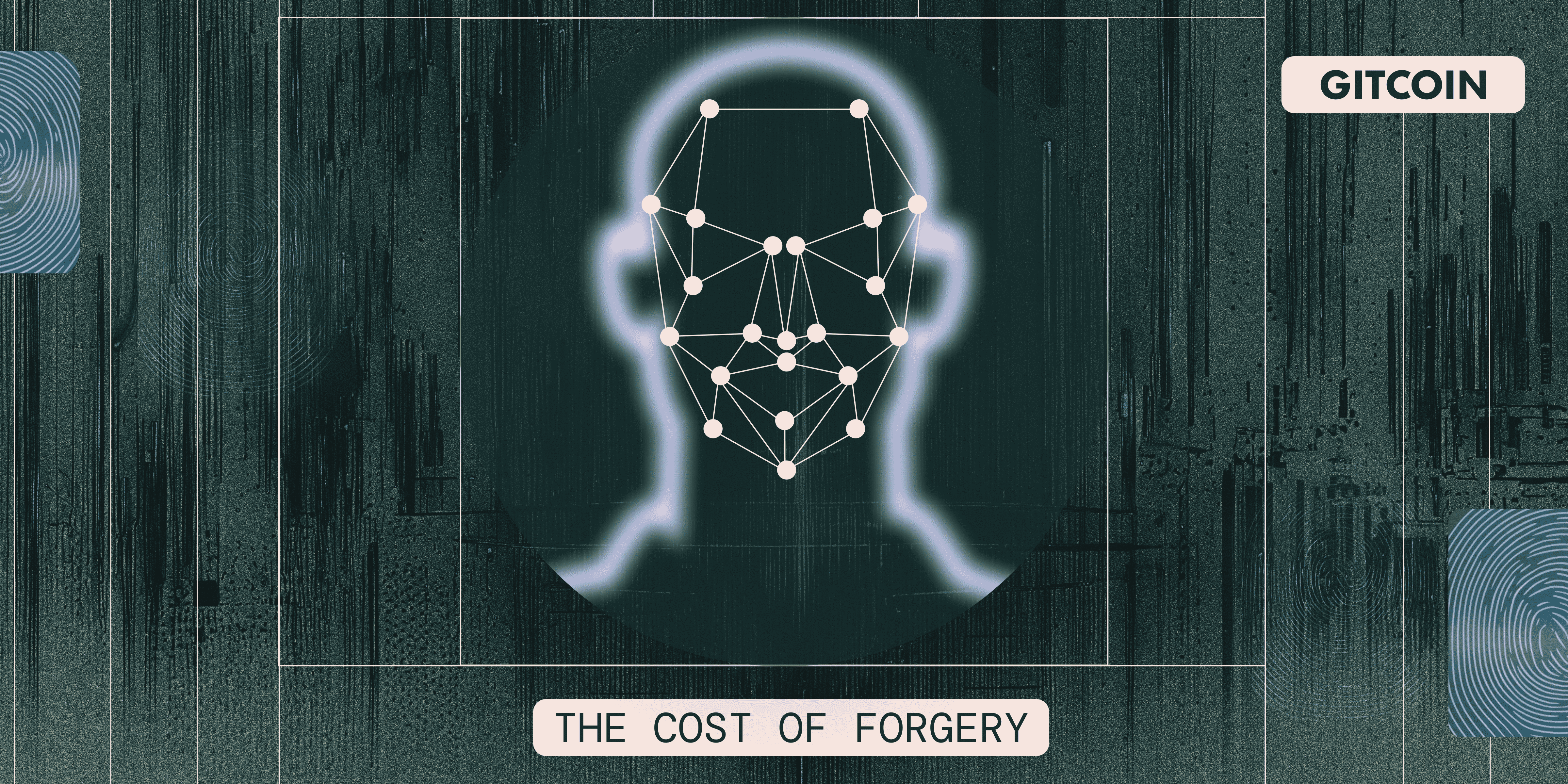
Sybil Resistance: Onchain attestations like 0xKYC ensure one-person-one-account, blocking multi-wallet farming in memecoin airdrops.
-
Easy Integration: Smart contracts simply check attestations with minimal code, per Attest Protocol schemas.
-
Reusable Proofs: One KYC attestation works across chains and projects, saving time and costs with interoperable stamps.
-
Compliance Without Centralization: Decentralized verification meets regs via onchain records, no trusted third parties needed.
Decoding Onchain KYC Attestations for Privacy Warriors
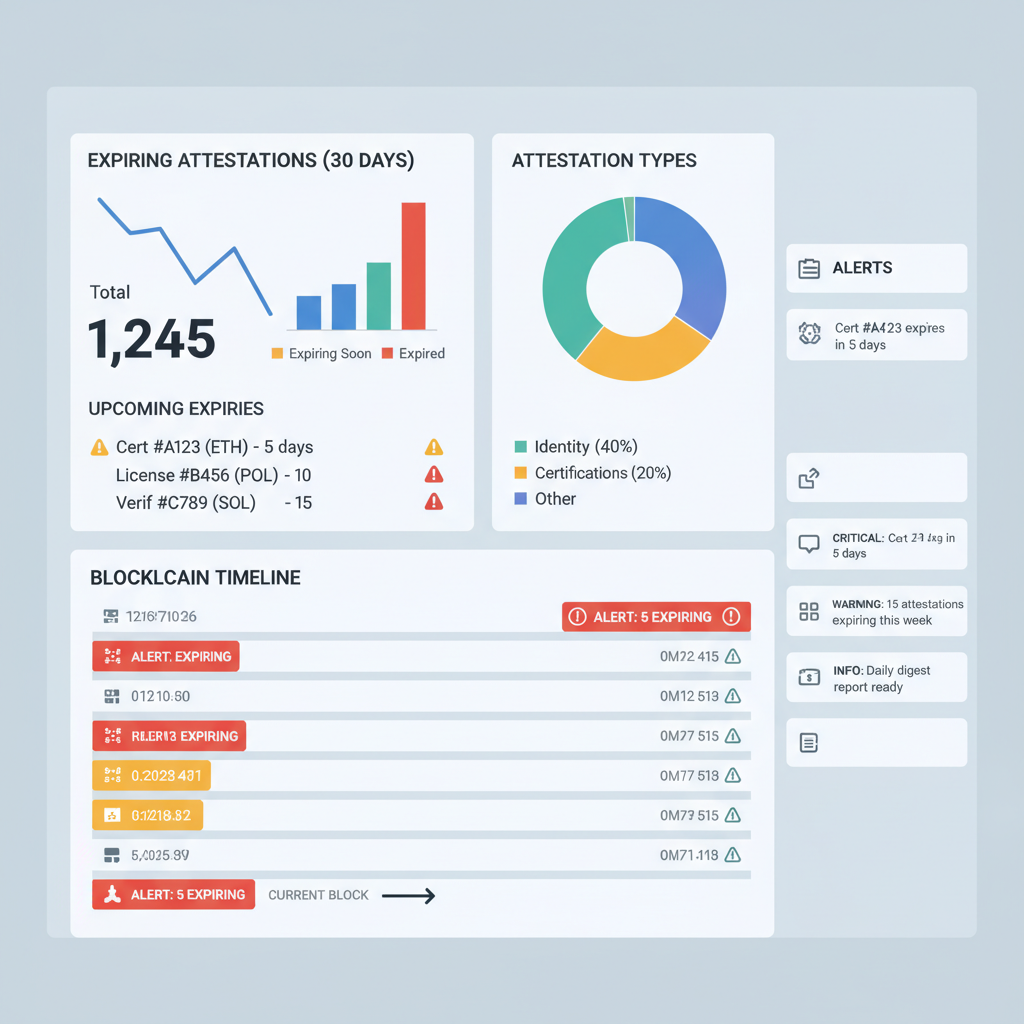
At their core, onchain KYC attestations are cryptographic vows etched on the blockchain. You prove you’ve passed a KYC check – sans doxxing your grandma’s maiden name. Updated as of early 2026, Blockpass’s On-Chain KYC 2.0 leads the pack, launched in October 2025 with granular controls: set expiration dates, toggle zero-knowledge modes, and deploy across chains. It’s tailor-made for privacy-preserving KYC blockchain needs in memecoins.
Then there’s 0xKYC, live on Polygon, BNB Smart Chain, and Scroll since late 2025. Their zero-knowledge liveness checks deliver proof of personhood attestations, perfect for uniqueness in allowlists. No more one-person armies gaming your drop. Attest Protocol simplifies it further with schema-based tools; developers plug in KYC status verification with minimal code. These aren’t hypotheticals – they’re battle-tested for DeFi and now memecoins.
Why does this matter for memecoin KYC verification? Sybils erode trust, inflating supply and tanking post-launch vibes. Onchain solutions enforce rules at the smart contract level, like Chainlink’s stablecoin allowlists, but extended to fun tokens. Imagine restricting mints to attested addresses: fair, auditable, and pseudonymous.
Building Sybil-Resistant Allowlists Step by Step
Let’s get practical. Start by selecting a protocol like Sign Protocol for omni-chain attestations, where users sign off on their KYC status. Projects query these proofs on-chain, gating access without storing sensitive data. For memecoins, integrate via simple oracles or direct EAS (Ethereum Attestation Service) calls. The beauty? Reusability. One attestation serves multiple drops, cutting user friction.
Opinion time: I’ve analyzed enough equity IPOs to know compliance builds longevity. Memecoins ignore this at their peril. With regs looming, decentralized identity memecoins via attestations position projects as forward-thinkers. Pair it with transaction heuristics, and you’ve got a robust defense. Check out how onchain attestations power KYC compliance for deeper dives.
Frictionless onboarding hooks users early. No endless forms; just wallet connect, verify, attest. Blockpass even supports KYB for teams, ensuring the humans behind the meme are legit too.
Teams launching memecoins can layer KYB attestations atop user proofs, creating end-to-end trust without Big Brother oversight. It’s a game-changer for decentralized identity memecoins, where vibes meet verifiable reality.
Privacy-First Onchain KYC: Secure Memecoin Allowlists in 5 Steps
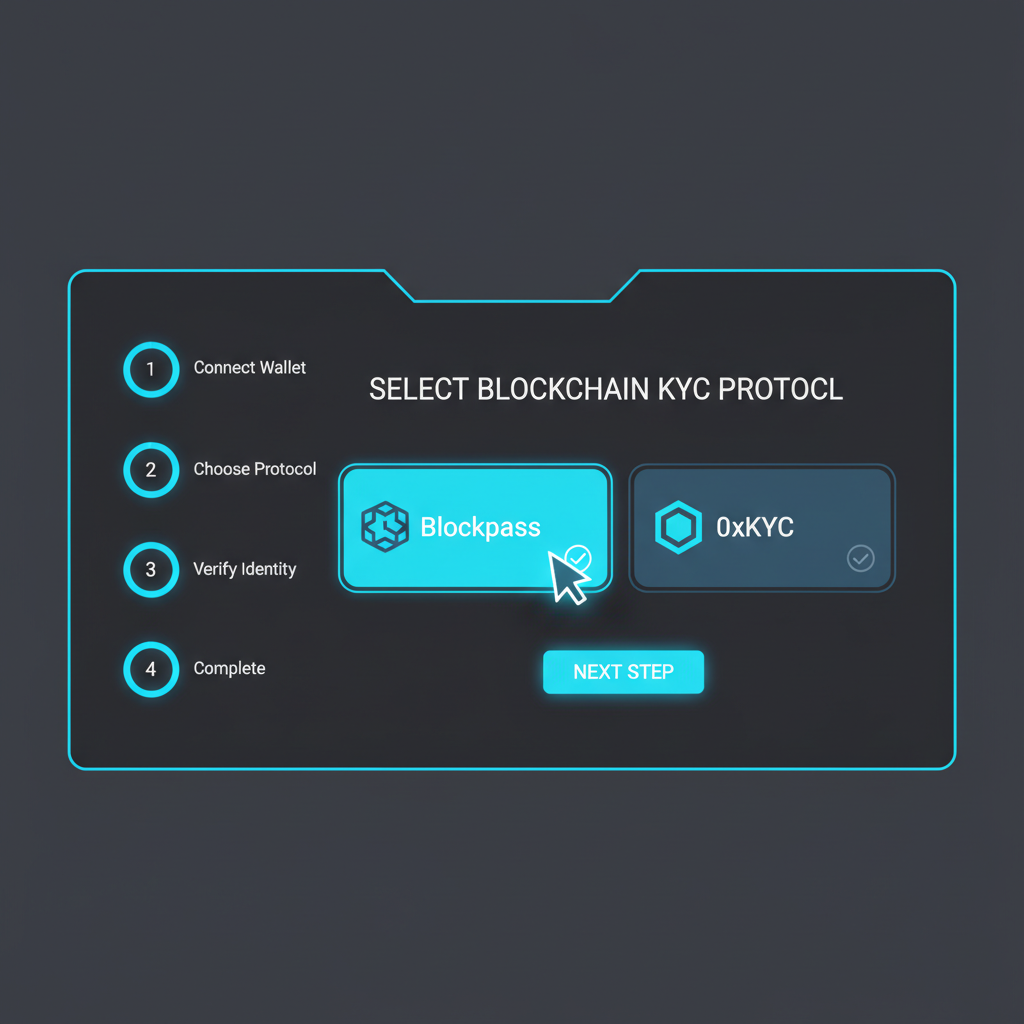
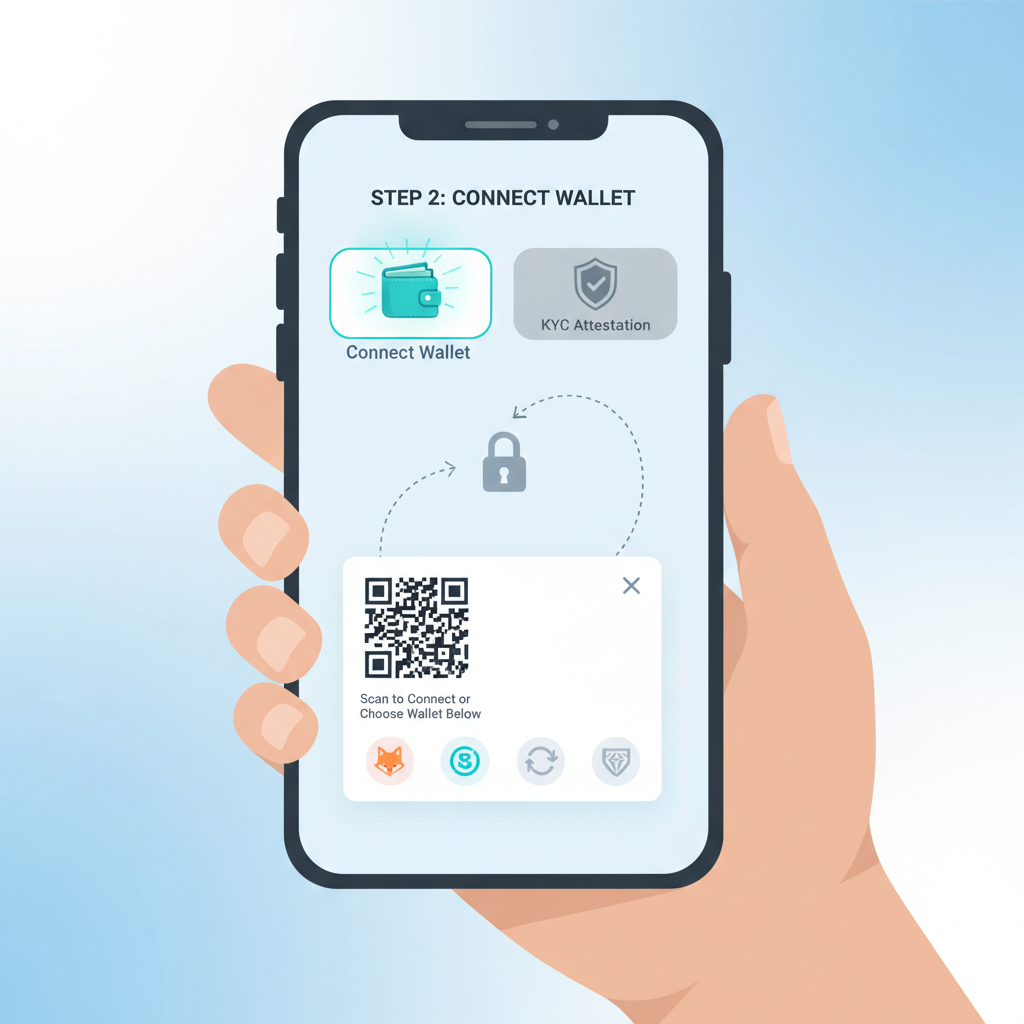

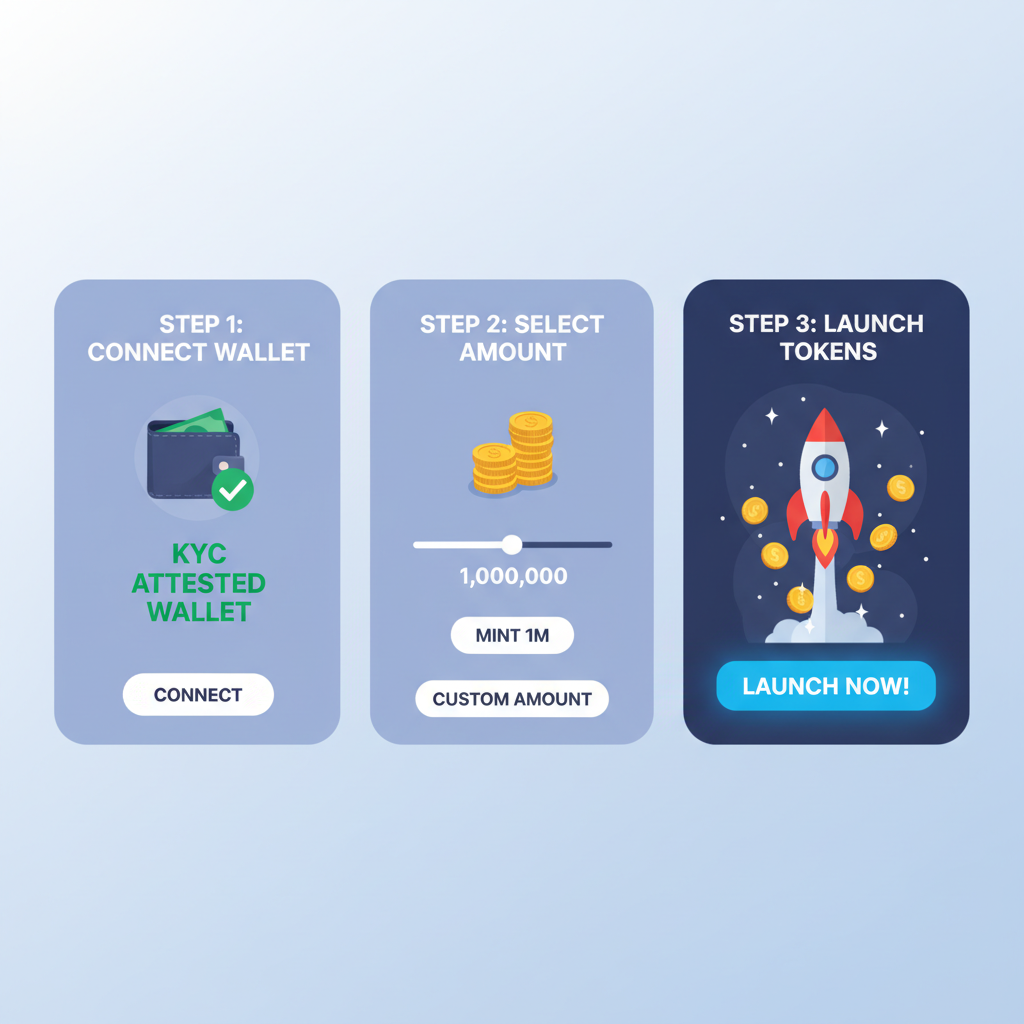
That sequence keeps things lean and mean. I’ve seen equity deals crumble on weak due diligence; memecoins can sidestep that with these primitives. Smart contracts query attestation schemas directly, enforcing rules like and quot;only one claim per person and quot; via uniqueness proofs from 0xKYC. No central database, no honeypot for hackers.
Real-World Wins and Integration Hacks
Chainlink’s playbook for stablecoins shows the path: embed allowlists in contracts that check KYC’d addresses. Adapt that for memecoins, and you filter out the noise. Sign Protocol lets you attest anything onchain, from and quot;KYC passed and quot; to and quot;OG holder. and quot; Developers love it for low-gas verification across EVM chains.
Take a hypothetical pump. fun-style launcher. Users connect, hit a one-click KYC via Human Passport or Gitcoin stamps, receive their attestation, and boom: allowlist access. Sybils? Bounced at the door. Post-launch, these proofs enable ongoing governance, like voting weighted by verified humanity. It’s sybil resistant attestations done right, blending fun with fairness.
and quot;Onchain attestations turn identity into a public good, reusable and private. and quot; – Echoing Xin Yan’s take on Sign Protocol.
For deeper smart contract tactics, explore building a secure allowlist with onchain-attested KYCed addresses. Pair attestations with on-chain signals like wallet age or ENS ownership for hybrid defense, as ChainScore recommends.
Navigating Hurdles to Moonshot Launches
Not all sunshine. Gas fees can sting on Ethereum, so stick to L2s like Scroll where 0xKYC thrives. User education matters; degens need nudges on why privacy beats form-filling. Start with opt-in bonuses for attested wallets to bootstrap adoption.
Regulators hover too. Onchain KYC sidesteps much of that by decentralizing compliance, but projects should tag attestations with jurisdiction hints. Blockpass’s granular expirations help here, refreshing proofs without re-doxxing. From my portfolio lens, this maturity signals memecoins evolving beyond jokes toward tradable assets.
Challenges aside, the upside dwarfs them. Fair allowlists breed loyal communities, slashing dump pressure. Imagine a memecoin where 80% of supply goes to real humans, verified pseudonymously. That’s not just anti-sybil; it’s ecosystem gold.
Protocols like these close Web3’s identity gap, as Reddit builders pine for. Whether you’re a solo dev or VC-backed, weave in memecoin KYC verification now. It future-proofs your token against bots, bans, and burnout. The memecoin arena rewards the clever; onchain attestations arm you best.
Friction drops, trust rises, moons await. Dive into how onchain attestations simplify KYC for DeFi airdrops and allowlists to level up your stack.
About the Author