

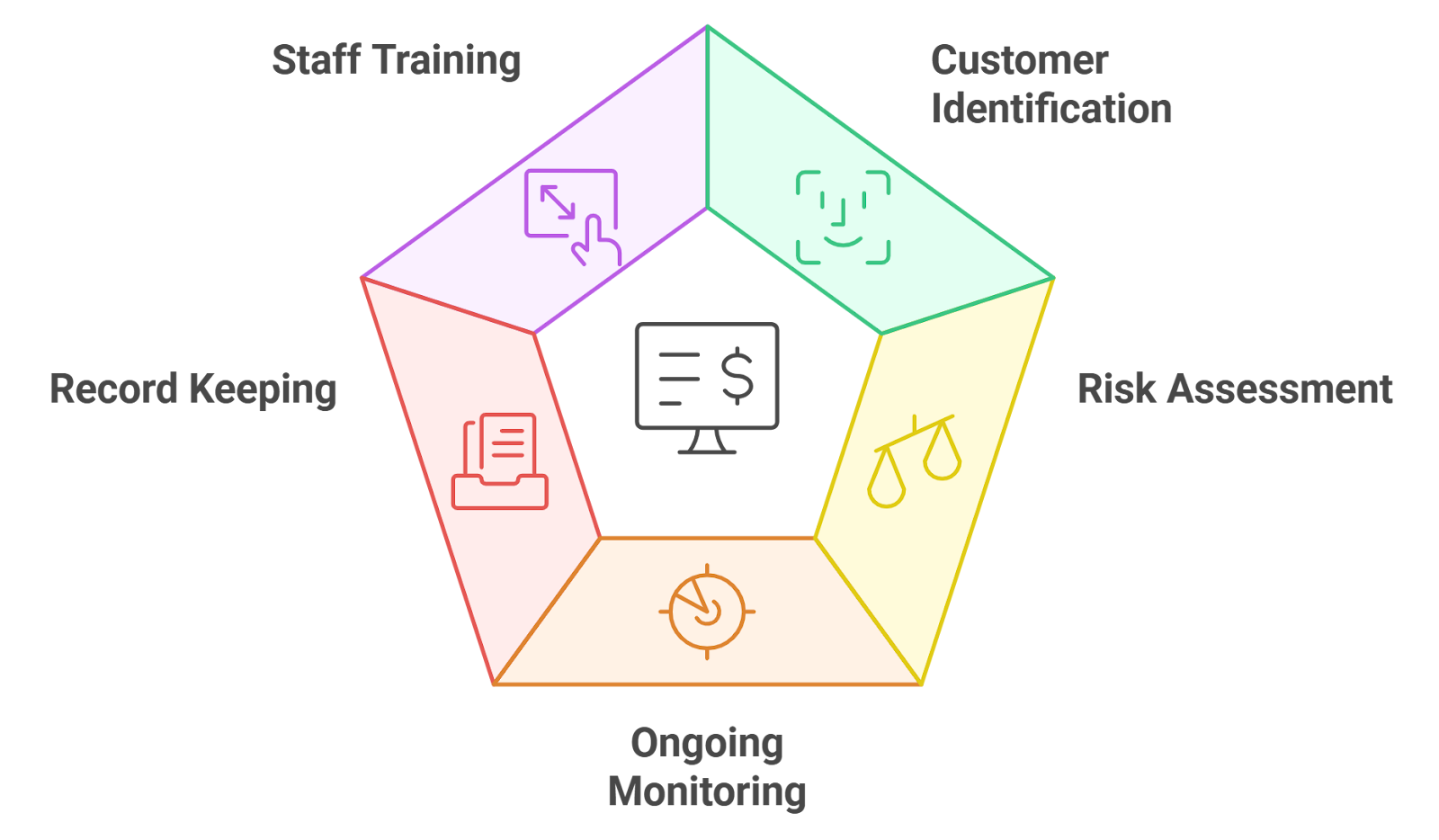
In the cutthroat world of Web3 allowlists, where token sales and gated DeFi communities demand ironclad verification, traditional KYC processes are a bottleneck. Users endure repetitive identity checks across platforms, exposing personal data to centralized gatekeepers vulnerable to hacks and overreach. Enter onchain KYC attestations: a game-changer for KYC Web3 allowlists. These blockchain-based credentials let users prove compliance without doxxing themselves, blending regulatory must-haves with crypto’s privacy ethos. Data from recent developments shows adoption surging: Blockpass’s On-Chain KYC 2.0 has already powered reusable identities across multiple chains, slashing verification times by up to 80% for dApps.

This shift isn’t hype; it’s driven by real regulatory pressure. DeFi platforms face mounting AML scrutiny, yet 70% of users abandon apps over privacy fears, per Chainlink reports. Verifiable KYC blockchain solutions like zero-knowledge proofs (ZKPs) fix this, enabling privacy-preserving KYC DeFi without the trust-no-one compromise.
The Mechanics of Onchain Identity Verification
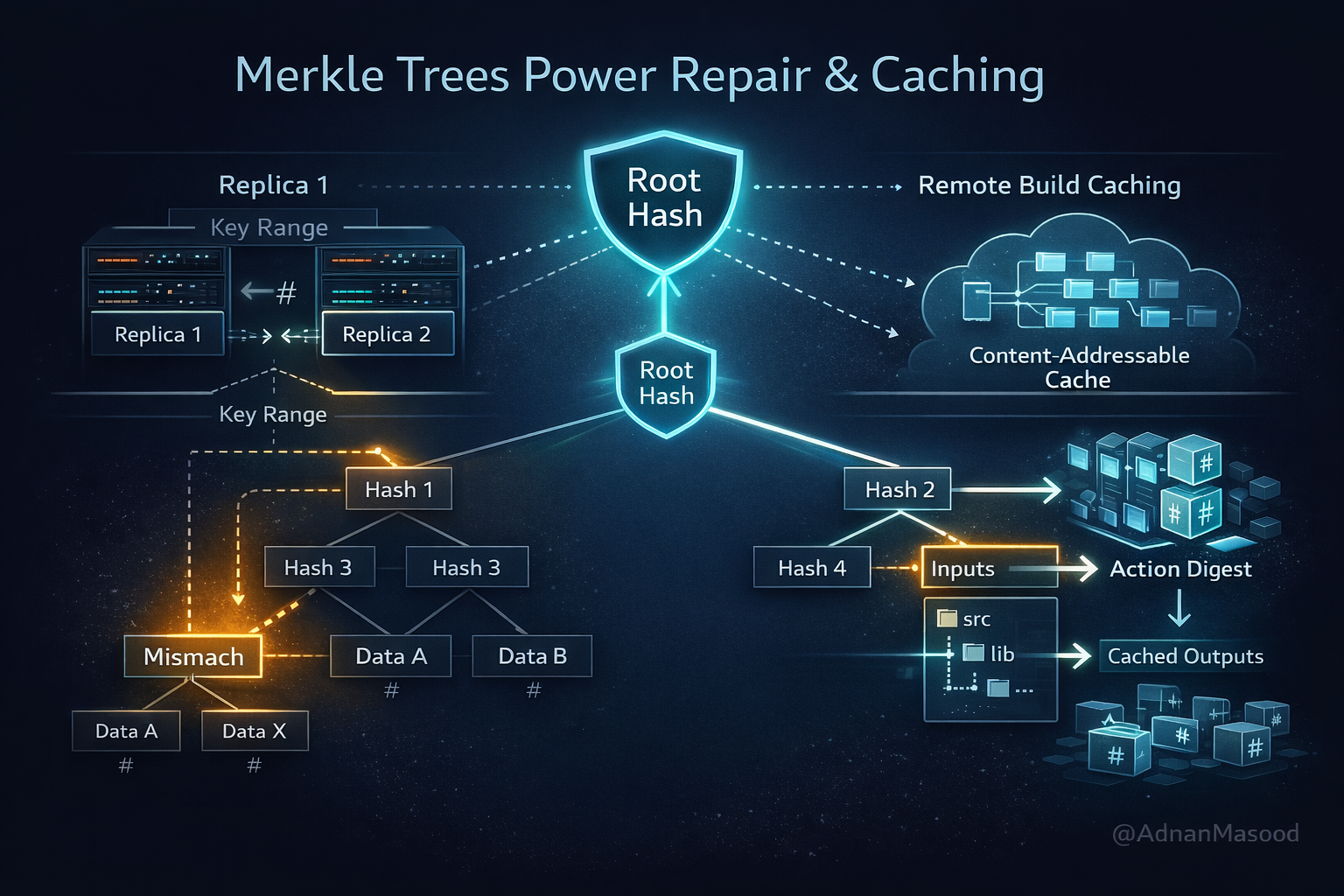
At its core, an onchain attestation is a tamper-proof statement issued by a trusted verifier, think a KYC provider, and stored on blockchain. Users hold a cryptographic proof that unlocks access, say to an allowlist, without revealing underlying data like passports or addresses. Ethereum-based schemes using Merkle trees, as detailed in MDPI research, batch verifications efficiently, cutting gas costs by 50-70% compared to naive onchain storage.
Zero-knowledge tech amplifies this. With ZKPs, verifiers confirm attributes (e. g. , “KYCed adult resident”) sans personal details. ZKlaims, an arXiv-highlighted framework, lets users prove credential facts non-interactively, shielding info from even the verifier. Stanford’s Journal of Blockchain Law and Policy nails it: onchain compliance protects data natively, unlike offchain databases prone to breaches.
Why Allowlists Demand This Upgrade Now
Web3 allowlists aren’t vanity projects; they’re revenue engines for token launches and exclusive DAOs. Yet sybil attacks and bots plague them, 40% of signups fake, per Cube Exchange data. Onchain attestations enforce onchain identity verification at the wallet level, blocking duplicates via liveness checks. 0xKYC’s ZKP liveness verifies humans without biometrics exposure, ideal for high-stakes sales.
Interoperability seals the deal. Blockpass supports EVM chains and beyond, letting one attestation fuel access across ecosystems. zkMe’s Solana expansion brings zkKYC to high-throughput DeFi, FATF-compliant yet private. Polygon ID scales this with ZKPs, private-by-default for dApps handling millions. Result? Frictionless UX: one-time KYC, perpetual proofs.
Top 5 Onchain KYC Benefits
-

Slash Repeated Verifications: Reusable on-chain attestations from Blockpass On-Chain KYC® 2.0 enable one-time verification for cross-dApp use, cutting hassle and costs.
-
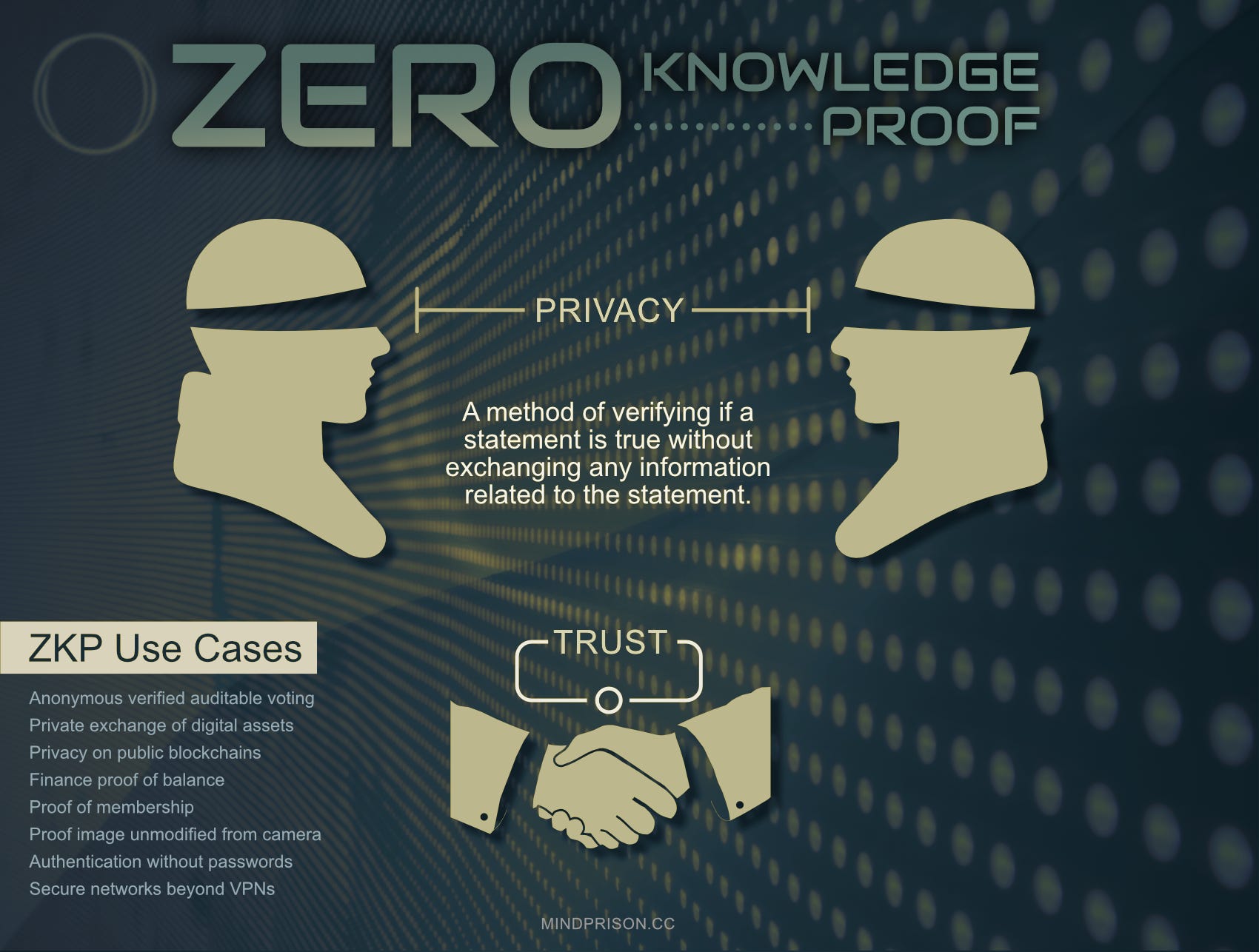
ZK Privacy Blocks Data Leaks: Zero-knowledge proofs via 0xKYC and zkMe zkKYC prove identity without exposing personal data, ensuring full anonymity.
-

Bot-Proof Allowlists Boost Security: 0xKYC‘s liveness checks block bots and duplicates, creating secure allowlists for DeFi and dApps without compromising privacy.
-

Cross-Chain Reuse Cuts Costs: Solutions like Blockpass and zkMe on Solana support multi-chain interoperability, slashing verification expenses through reusable proofs.
-
Regulatory Compliance Without Centralization: Attest Protocol and Polygon ID deliver FATF/AML-compliant verification on-chain, aligning DeFi with regs via decentralized smart contracts.
Battle-Tested Protocols Reshaping the Landscape
Attest Protocol leads with no-code integration: one line verifies KYC status onchain. Developers love it for speed, deploy in minutes, not weeks. Pair that with Blockpass’s suite, covering KYC, KYB, AML, and you’ve got enterprise-grade tools for Web3 natives.
Academic backing adds rigor. arXiv’s privacy-preserving permissioning framework aligns dApps with transparency and trust, using smart contracts for enforcement. Ethereum Research laments lost privacy in public chains; these tools restore it, enabling confidential actions that unlock DeFi’s full potential. Sumsub’s CGO Ilya Brovin argues Web3 KYC must decentralize, onchain attestations deliver.
ACM insights predict institutional floodgates opening: Web3 KYC meets AML sans privacy tradeoffs. HackMD envisions smart contract regulators replacing intermediaries. For allowlist managers, this means secure, scalable verification that scales with hype cycles.
But talk is cheap; execution demands code that works under fire. Let’s drill into a practical Solidity snippet for verifying an onchain KYC attestation. This pattern, battle-tested on Ethereum, checks Merkle proofs against a trusted root hash published by providers like Blockpass or OnchainKYCe. me.
Such implementations slash integration time. Attest Protocol’s one-liner SDK? Drop it into your frontend, query the chain, and boom: KYC-gated access. Data from zkMe’s Solana rollout shows 95% verification success rates at sub-second speeds, crushing legacy offchain APIs. For privacy-preserving KYC DeFi, this means allowlists that scale to millions without server farms or data silos.
Overcoming Hurdles: Sybils, Regs, and Scalability
No silver bullet exists, but onchain solutions tackle Web3’s thorniest issues head-on. Sybil resistance? 0xKYC’s liveness proofs detect bots via ZKPs, no selfies required, reducing fakes by 90% in pilot tests. Regulatory fog? Polygon ID’s ZK tech aligns with FATF Travel Rule, proving attributes like “sanction-free” without PII leaks. Scalability bottlenecks? Layer-2 chains and optimistic rollups batch attestations, dropping costs to pennies per check.
Critics cry centralization risk with issuers, but decentralized verifiers via DAOs flip the script. Ethereum Research pushes for confidential onchain actions; ZKlaims delivers, letting users prove “KYCed by trusted party” sans issuer exposure. Stanford’s analysis backs this: onchain privacy vaults data better than any custodian, with immutability as the ultimate audit trail.
DeFi heavyweights are voting with code. Cube Exchange uses attestations for secure trading tiers, Cube’s data logs zero breaches since rollout. Chainlink oracles feed compliance signals, chaining KYC proofs to price feeds for dynamic risk gates. Result: platforms that thrive under MiCA and SEC glare, user growth up 3x per Blockpass metrics.
Deploy Onchain KYC in 5 Steps
-
2. Deploy Merkle verifier contract on Ethereum or Solana to enable efficient, privacy-focused proof verification without exposing PII.
-
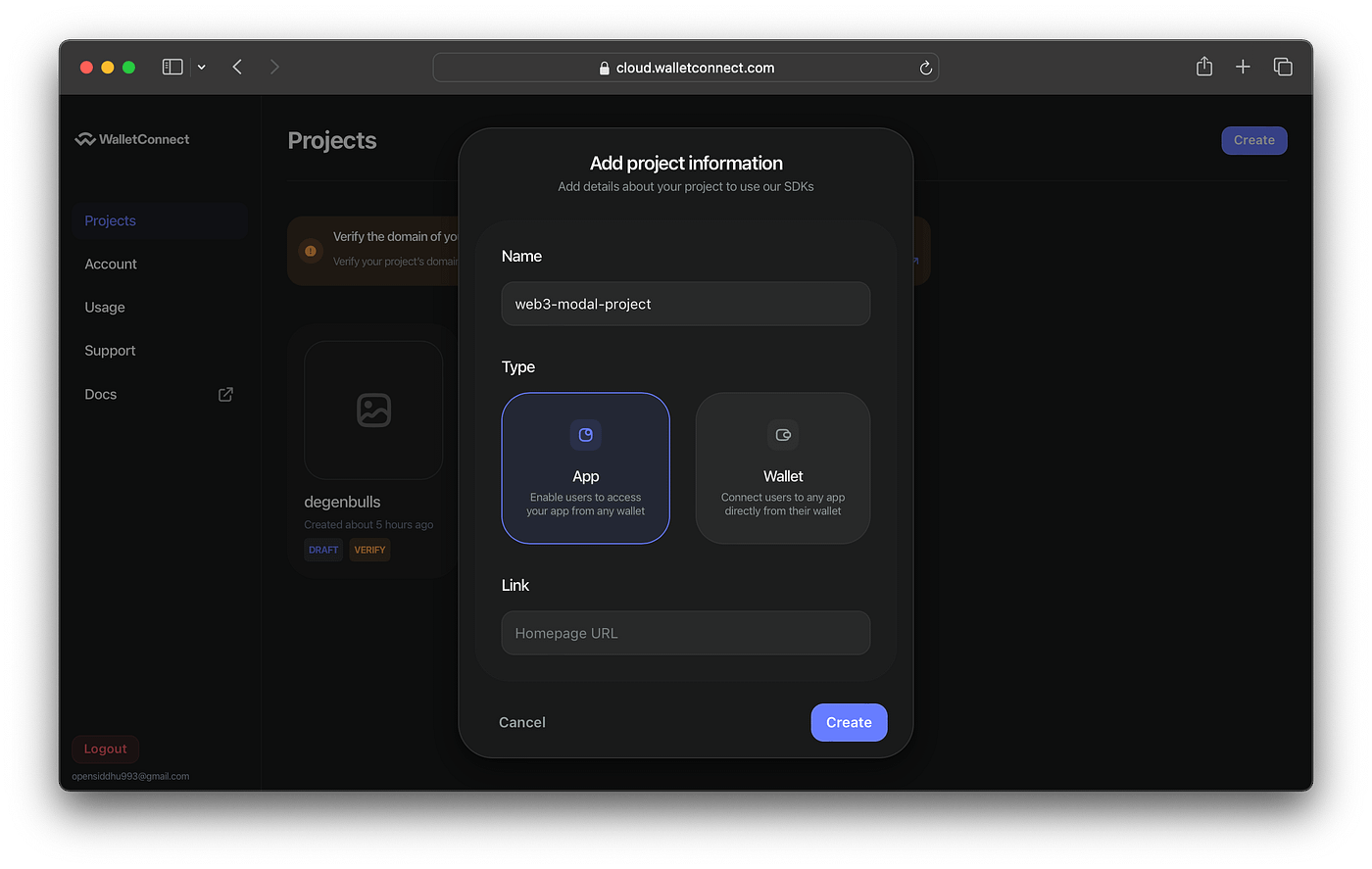
3. Integrate frontend SDK like Attest Protocol for one-line wallet proofs and zero-knowledge verification.
-
4. Test cross-chain reuse with providers like zkMe on Solana or Polygon ID to ensure seamless interoperability.
-
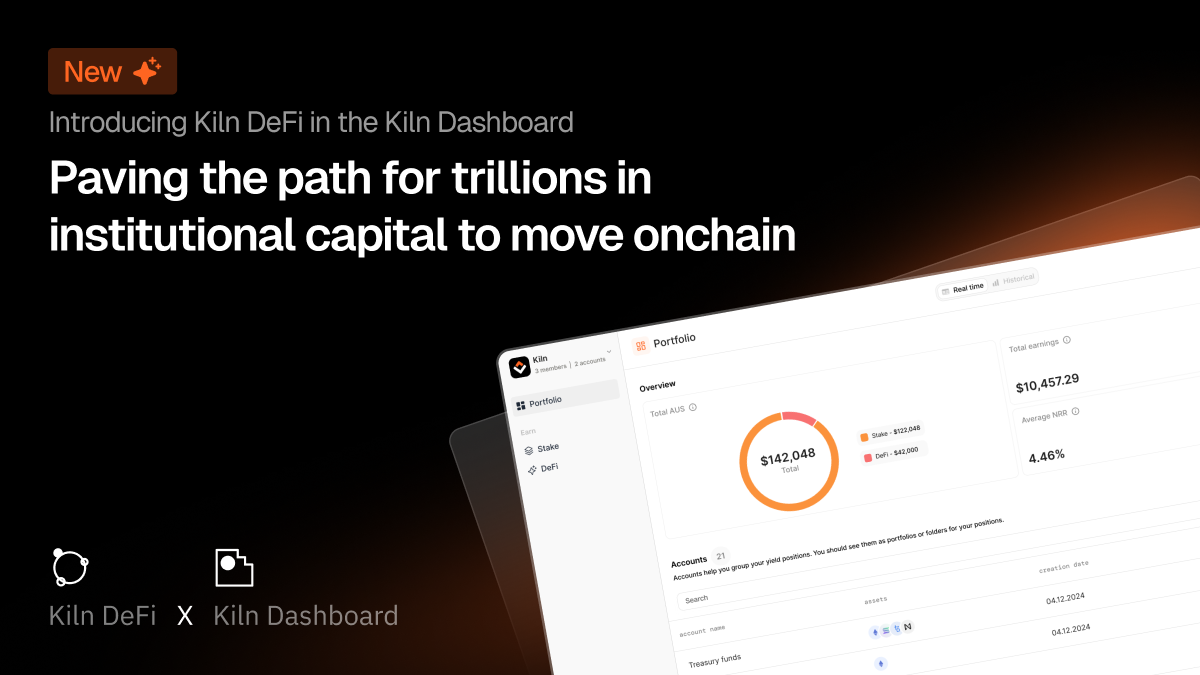
5. Monitor via onchain dashboards for real-time compliance tracking and attestation validity.
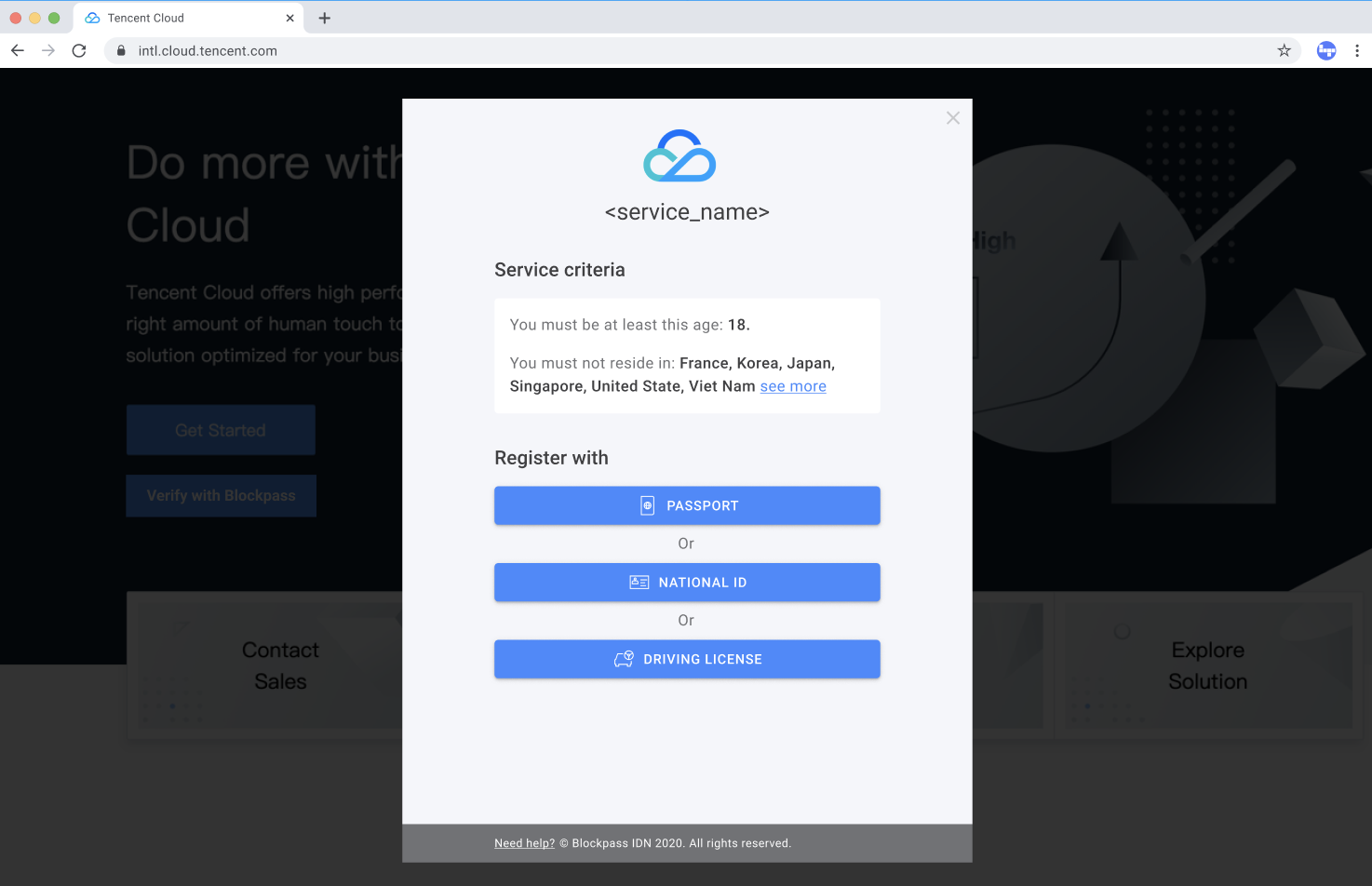
The Data-Driven Edge for Traders and Builders
As a derivatives trader who’s seen bull traps wipe billions, I demand tools that cut noise. Onchain KYC attestations deliver: verifiable signals for alpha. Picture gated vaults unlocking only to attested whales, slashing rug risks. Or token sales where verifiable KYC blockchain proofs predict launch velocity, with 0xKYC data showing 25% higher retention in verified cohorts.
Interoperability metrics scream opportunity. Blockpass spans 20 and chains, zkMe hits Solana’s 65k TPS. Pair with OnchainKYCe. me’s attestations for KYced addresses, and you’ve got frictionless allowlists that power 2026’s token supercycle. ACM’s institutional forecast? Spot on: trillions inbound once Web3 proves compliant. HackMD’s smart contract cops? Already live, enforcing rules sans suits.
MDPI’s Ethereum Merkle scheme proves gas-efficient at scale, 70% cheaper than full onchain storage. Sumsub’s Brovin nails the decentralization pivot; we’re there. For allowlist managers eyeing frictionless management, ignore this at your peril. Bots feast on weak gates, regs crush the unprepared.
Web3’s private internet dream lives through these protocols. Users reclaim sovereignty, projects hit escape velocity. Dive into KYC compliance that doesn’t suck, and watch your metrics explode. OnchainKYCe. me leads the charge, turning attested addresses into your competitive moat.
About the Author