

Onchain KYC attestations are reshaping how DeFi protocols handle allowlists and token sales, delivering verifiable blockchain KYC without compromising user privacy. As regulators tighten scrutiny on Web3 projects, these onchain solutions strike a balance between compliance and decentralization. Blockpass’s On-Chain KYC® 2.0, for instance, enables reusable digital identities via zero-knowledge proofs on chains like Ethereum and Solana, cutting verification friction while meeting GDPR standards.

Traditional KYC processes in DeFi often rely on centralized providers, exposing users to data breaches and slowing onboarding. Onchain attestations flip this script: users prove identity attributes through cryptographic proofs stored directly on the blockchain. This Web3 identity verification method ensures only KYCed addresses access token sales or gated pools, slashing fraud risks without revealing personal details.
Why DeFi Allowlists Demand Onchain Verification Now
Allowlists have become standard for NFT drops, airdrops, and token launches, but they’re vulnerable to sybil attacks and wash trading. Cube Exchange notes their use in pre-sales, yet without robust checks, bad actors slip through. Enter onchain KYC attestations: schema-based proofs from protocols like Attest make verification tamper-proof and interoperable across chains.
Chainlink highlights how these attestations travel with token transfers, verifying Ethereum users on other networks seamlessly. For token sales, this means instant compliance checks at the smart contract level, no offchain databases required. Projects avoid fines from bodies like the SEC by embedding KYC gates directly into their logic.
Top 5 Onchain KYC Advantages
-
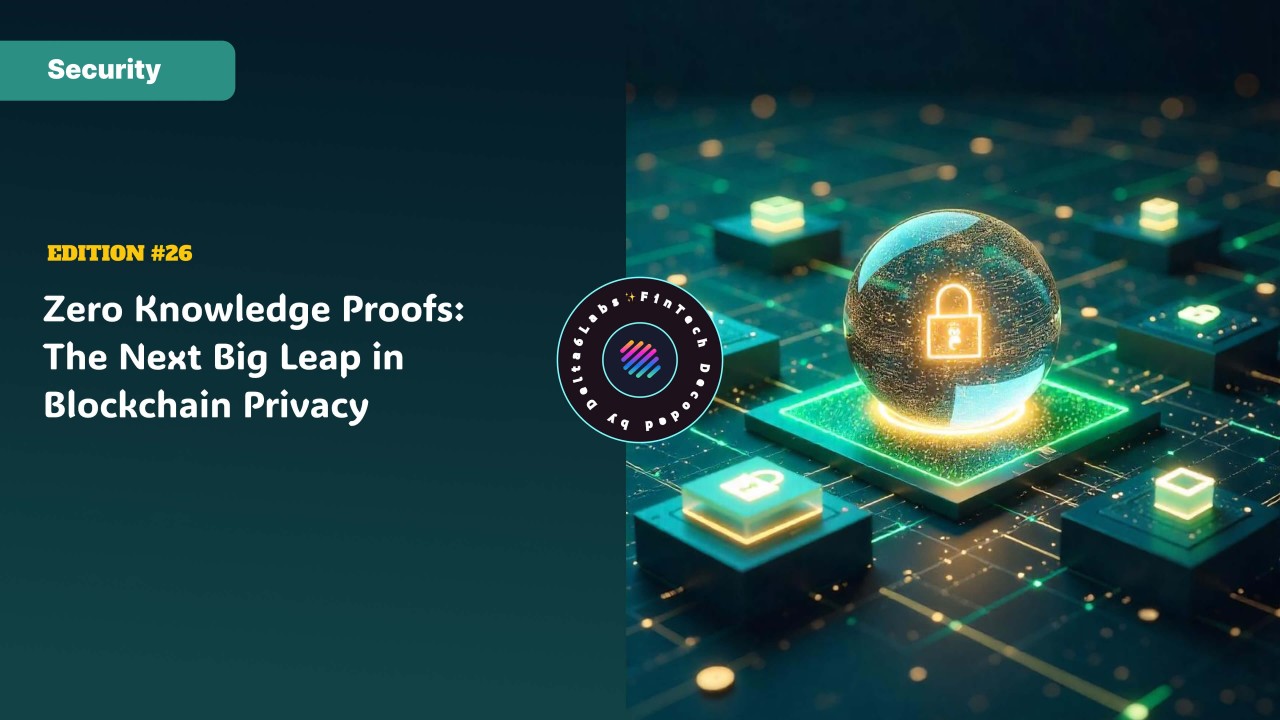
1. Privacy via ZKPs: Zero-knowledge proofs enable identity verification without revealing personal data, ensuring GDPR compliance. Blockpass On-Chain KYC® 2.0 and IOTA Tokenized KYC use ZKPs for privacy-preserving attestations.
-
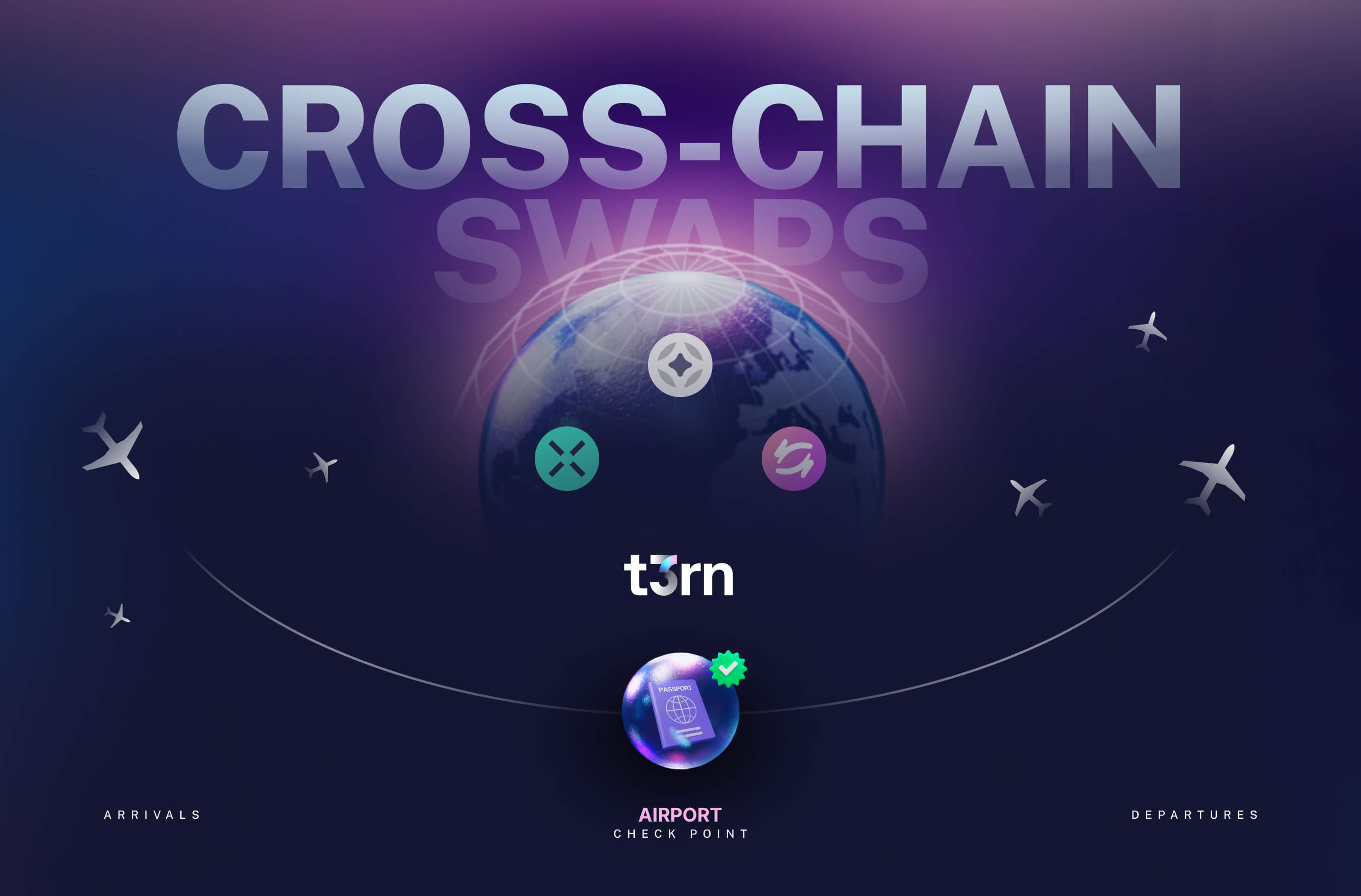
2. Chain-Agnostic Portability: Attestations verified on Ethereum are recognized on Solana and other chains. Chainlink and Blockpass facilitate seamless cross-chain reuse of digital identities.
-

3. Revocable Proofs: Attestations can be revoked instantly for security. J.P. Morgan Project EPIC integrates revocable VCs and VPs for trackable AML/KYC compliance.
-
4. Reduced Costs: Onchain solutions like Blockpass provide cost-effective KYC compared to traditional methods, streamlining Web3 onboarding.
-

5. Automated Compliance: Enables permissioned DeFi with granular onchain rules. Conduit.xyz and Attest Protocol automate allowlist verification for token sales.
Technical Mechanics of Privacy-Preserving Attestations
At core, onchain KYC leverages decentralized identifiers (DIDs), verifiable credentials (VCs), and zero-knowledge proofs (ZKPs). A user completes KYC offchain with a provider like Blockpass, receiving a VC. This gets attested onchain via EAS (Ethereum Attestation Service) or similar, producing a soulbound token or event log tied to their wallet.
To verify, smart contracts query the attestation: does this address hold a valid, unrevoked KYC proof for jurisdiction X? IOTA’s Tokenized KYC exemplifies this, tokenizing attributes for selective disclosure. Developers implement with minimal code; for example, a Solidity modifier checks attestation validity before minting tokens.
Permissioned DeFi thrives when chain operators enforce granular KYC rules at the infrastructure layer, as conduit. xyz outlines.
Revocability adds teeth: if a user flags as risky, the attestation nullifies instantly, blocking future access. J. P. Morgan’s Project EPIC pushes this further, making AML/KYC attestations portable and trackable across ecosystems.
Streamlining Token Sales with KYCed Addresses
Token launches face mounting pressure for compliance. Onchain Foundation’s 2025 guide stresses long-term strategies, where onchain attestations token sales shine. Integrate via allowlist contracts that scan for KYC badges; verified wallets claim allocations without manual reviews.
KYC Chain’s top considerations for DeFi underscore automation benefits: lower operational costs, faster TGEs, and fraud mitigation. OnchainKYCe. me platforms issue these attestations, empowering projects to build secure allowlists. Learn more in our deep dive on how onchain attestations simplify KYC for DeFi allowlists.
This setup not only secures sales but scales with volume. High-demand IDOs process thousands of claims in blocks, using gas-optimized verifiers. Privacy stays intact; regulators see aggregated proofs, users control disclosures.
DeFi teams deploying these systems report up to 70% faster onboarding, with fraud incidents dropping near zero. OnchainKYCe. me’s schema streamlines issuance: upload verified docs, mint attestation, integrate via API. No more clunky dashboards or endless email chains.
Case Studies: Onchain KYC in Action
Blockpass powered a Solana token sale where 10,000 and wallets claimed allocations via attested proofs, processing in under 5 minutes post-TGE. No disputes, full audit trails. Chainlink’s CCIP carried these attestations cross-chain, verifying users from Ethereum to Polygon without re-KYC. IOTA’s tokenized approach secured a permissioned lending pool, disclosing only age and jurisdiction proofs to lenders.
Conduit. xyz enabled chain-level rules, blocking non-KYCed traffic before it hits dApps. KYC Chain’s playbook warns of top pitfalls like incomplete jurisdiction checks; onchain fixes this with granular schemas. Cube Exchange blocklists evolved into dynamic lists, auto-updating via revocation events.
Comparison of Onchain KYC Providers
| Provider | Core Technology | Supported Blockchains | Privacy Mechanism | Key Features |
|---|---|---|---|---|
| Blockpass | ZKPs, On-Chain KYC® 2.0 | Ethereum, Solana | Zero-knowledge proofs, reusable digital identities | KYC/KYB/AML compliance, seamless Web3 integration |
| Attest (Attest Protocol) | Schema-based attestations | Multi-chain | On-chain proofs without exposing personal info | Simplified verification, developer-friendly, regulatory compliance |
| IOTA | Tokenized attributes / Tokenized KYC | IOTA-focused (privacy-preserving on-chain) | Privacy-preserving authentication | Reduce fraud, regulatory compliance, Web3 enhancement |
| OnchainKYC.me | Onchain KYC Attestations | Web3-compatible | Privacy-preserving wallet verification | Allowlist integration, revocable attestations, DeFi token sales security |
These deployments prove KYC for DeFi allowlists scales without central chokepoints. J. P. Morgan’s EPIC integrates DIDs for enterprise-grade portability, hinting at TradFi-Web3 convergence.
Overcoming Hurdles in Adoption
Skeptics cite gas costs, but L2s like Base slash fees to pennies per verification. Interoperability? Standards like ERC-4361 unify proofs. Regulatory fog? Attestations log compliance without PII, satisfying MiCA and future U. S. rules. My take: projects ignoring this risk delistings; early adopters capture premium liquidity.
Onchain Foundation’s guide nails it: compliant launches endure. Pair with how onchain attestations simplify KYC for DeFi token sales and allowlists for blueprints.
Future-proof your protocol by embedding verifiers now. Revoke risky proofs in real-time, whitelist loyal holders, gate high-value pools. This isn’t optional; it’s the edge in crowded markets.
Getting Started with OnchainKYCe. me
Sign up, verify users via partnered providers, issue attestations. Smart contracts pull via simple queries: require(attestation. isValid(address, schemaId), "KYC Required");. Deploy on testnets first, monitor revocations. Costs? Under $0.10 per attestation on Optimism.
Web3 thrives on trust. Verifiable blockchain KYC delivers it onchain, minus the baggage. Protocols like yours build moats with secure allowlists, compliant sales, unstoppable growth.
Frictionless verification unlocks capital. Dive into how onchain attestations streamline KYC for DeFi allowlists and token sales, then attest your addresses today.
About the Author