

The evolution of decentralized applications (dApps) is rapidly reshaping how we approach digital identity. Historically, Know Your Customer (KYC) processes have been a major friction point for both users and platforms, especially in Web3 where privacy and interoperability are paramount. The rise of onchain attestations KYC is now making reusable KYC a practical reality for the decentralized ecosystem, allowing users to verify once and participate seamlessly across multiple dApps without the usual repetition or privacy risks.
What Are Onchain Attestations?
At its core, an onchain attestation is a cryptographically signed statement published on a blockchain by a trusted entity. This statement confirms that specific information, such as identity, age, or accreditation, has been verified about an address holder. Crucially, these attestations do not reveal underlying personal data; instead, they serve as proofs that can be checked by any participating dApp. For example, rather than uploading your passport repeatedly or sharing sensitive documents with every platform you use, you simply present your blockchain-based credential.
This approach is fundamentally different from legacy KYC models where every new service requires fresh document uploads and manual reviews. By leveraging decentralized identity verification through onchain attestations, users gain control over their credentials while platforms achieve regulatory compliance more efficiently.
The Benefits of Reusable KYC Credentials
The impact of reusable KYC via onchain attestations extends well beyond convenience:
- User Privacy: Personal data remains with the user. Only the fact of verification, not the underlying documents, is shared across dApps.
- Smoother Onboarding: Once verified by a trusted issuer, users can instantly access multiple DeFi protocols or token sales without repeating cumbersome checks.
- Regulatory Assurance: dApps can meet stringent KYC/AML requirements by relying on verifiable attestations from reputable issuers, without directly storing or managing sensitive user data themselves.
- Ecosystem Interoperability: As more platforms adopt interoperable standards for attestations, a single credential becomes usable across diverse blockchains and services.
This paradigm shift is already visible in solutions like kycDAO’s multi-chain verifications and Sumsub’s integration with Solana Attestation Service (SAS), both empowering users to mint reusable credentials tied to their addresses. For an in-depth look at how onchain attestations streamline allowlist management and token sales compliance for Web3 projects, see our dedicated guide: How Onchain Attestations Enable Reusable KYC for DeFi and Web3 Projects.
Pioneering Implementations Across the Web3 Landscape
The momentum behind reusable digital identity is accelerating thanks to several innovative projects:
- kycDAO: Enables users to complete verification once and mint NFTs representing their KYC status across multiple wallets, instantly recognized by supporting DeFi protocols.
- Sumsub and Solana Attestation Service (SAS): Allows creation of portable Sumsub IDs linked to Solana wallets; these can be used throughout the ecosystem without repeated checks.
- SuiVerify: Mints private Soul-Bound Tokens as proof of verification on Sui blockchain, usable in both Web2 and Web3 contexts.
- idOS Network: Offers cross-chain identity reuse spanning over 40 blockchains for streamlined onboarding and compliance.
This wave of adoption signals that privacy-preserving KYCed addresses are not just possible but increasingly expected in modern blockchain applications. The result? A more open yet compliant digital economy where identity friction fades into the background, and trust moves to the foreground.
As more protocols and platforms embrace these decentralized identity standards, the practical benefits for both users and projects are becoming clear. For users, the ability to carry a single, privacy-preserving KYC credential from one dApp to another means less time spent on paperwork and fewer concerns about data leakage or overexposure. For developers and compliance teams, onchain attestations offer a streamlined path to meeting regulatory obligations without inheriting the risks of holding sensitive personal information.
Top 5 Advantages of Reusable Onchain KYC for Web3 dApps
-

Enhanced User Privacy: Onchain attestations enable users to verify their identity without exposing sensitive personal data to every dApp. Only cryptographic proofs are shared, keeping documents and details private.
-
Seamless Multi-dApp Access: Users complete KYC once and reuse their verified credentials across multiple Web3 platforms, eliminating repetitive onboarding and reducing friction.
-
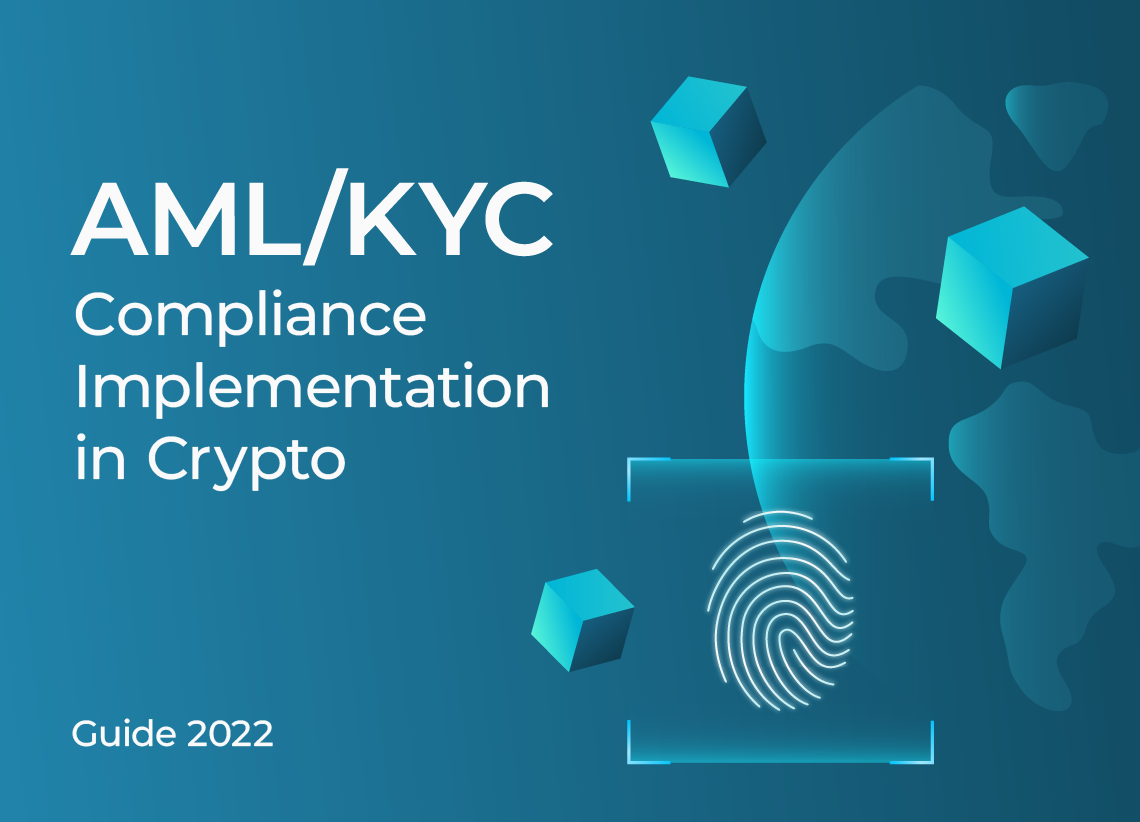
Regulatory Compliance Made Simple: dApps can meet KYC and AML requirements by accepting attestations from trusted issuers, ensuring compliance without directly handling user data.
-
Reduced Costs and Operational Overhead: Platforms like Blockpass’s On-Chain KYC® and SuiVerify cut down on duplicate verification processes, saving time and resources for both users and dApps.
-
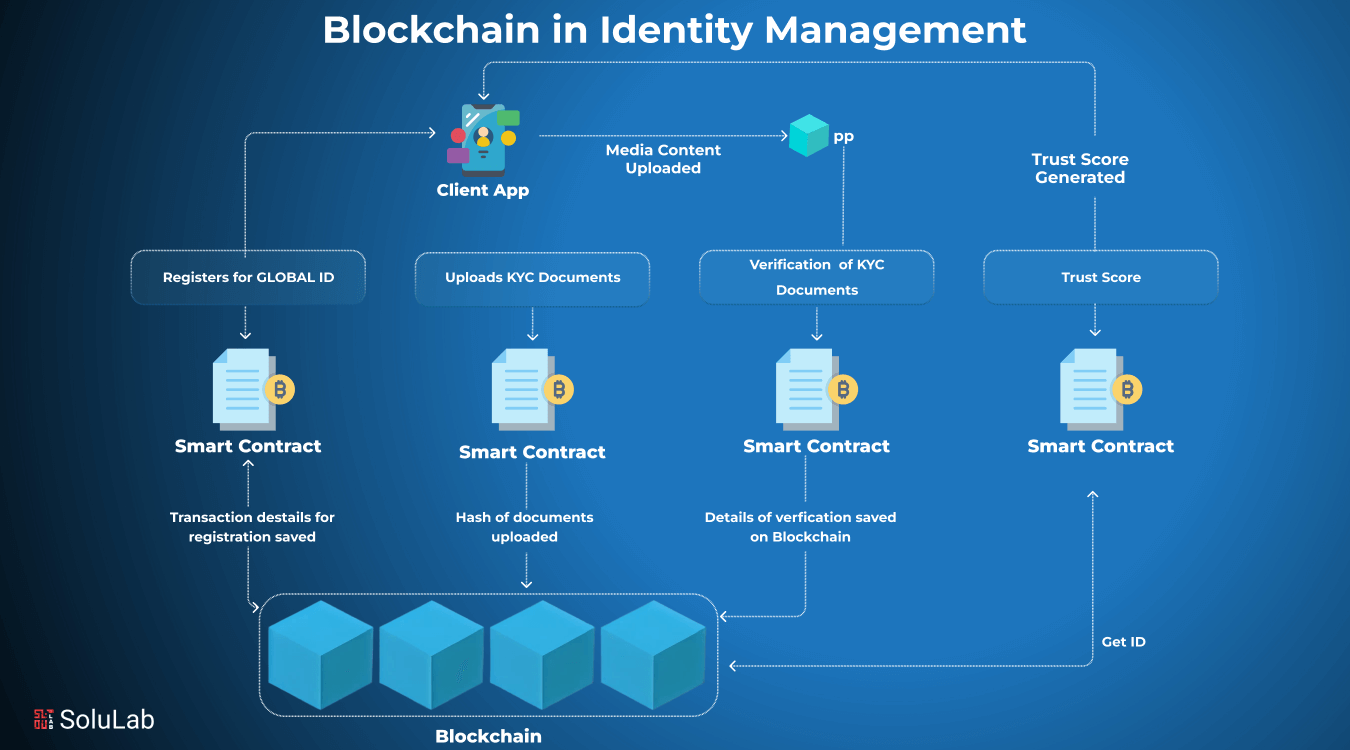
Interoperability Across Ecosystems: Solutions such as kycDAO and idOS Network allow verified identities to be used across multiple blockchains and dApps, supporting a truly decentralized Web3 experience.
This evolution is particularly relevant for allowlist managers, token sales organizers, and DeFi projects that need to balance open access with regulatory responsibility. By leveraging reusable KYC credentials, these stakeholders can confidently open their platforms to verified participants while minimizing operational overhead. The attestation model also empowers users who may wish to participate in multiple communities or events across different chains, once verified, their status is instantly recognized wherever interoperable attestations are supported.
Industry leaders are already vocal about the transformative impact of this approach. As adoption grows, so does the expectation that privacy-preserving KYC will become standard practice across the decentralized web.
The Road Ahead: Interoperability and Trust
Looking forward, interoperability remains a key focus for the ecosystem. The next generation of decentralized identity solutions will prioritize seamless cross-chain functionality, enabling users to present a single attestation across Ethereum, Solana, Sui, and beyond. Standards bodies and leading protocols are collaborating on frameworks that ensure universal recognition of trusted issuers while preserving local compliance nuances.
This shift not only benefits individual users but also supports broader goals like financial inclusion and global participation in digital markets. By reducing barriers to entry while maintaining robust compliance checks, onchain attestations help create a safer environment for everyone involved in Web3.
For those looking to dive deeper into how reusable onchain KYC is transforming allowlist management and token sales workflows specifically, we recommend exploring our detailed guides:
- How Onchain Attestations Streamline KYC for Web3 Allowlists and Token Sales
- How Onchain Attestations Enable Reusable KYC for DeFi and Token Sale Allowlists
The promise of decentralized identity verification is finally being realized at scale. As standards mature and adoption widens, reusable KYCed addresses will underpin a new era of trust, one where compliance does not come at the expense of user sovereignty or privacy.
About the Author