


Reusable, privacy-preserving identity is rapidly becoming the gold standard for onboarding and compliance in Web3. As decentralized applications (dApps), DeFi protocols, and DAOs mature, the need for seamless, secure, and user-centric KYC solutions is more pressing than ever. Onchain attestations for KYCed addresses are at the heart of this transformation, enabling users to verify their identity once and leverage that proof across a growing digital ecosystem, without repeatedly exposing sensitive information or sacrificing privacy.
Why Reusable KYC Matters: The Shift from Fragmented to Unified Identity
Traditional KYC processes are siloed and redundant. Users must submit personal data over and over again to participate in token sales, join allowlists, or access gated communities, creating friction while also multiplying risk exposure. In contrast, onchain attestations for KYCed addresses streamline onboarding by allowing users to prove compliance once and reuse that attestation across multiple platforms.
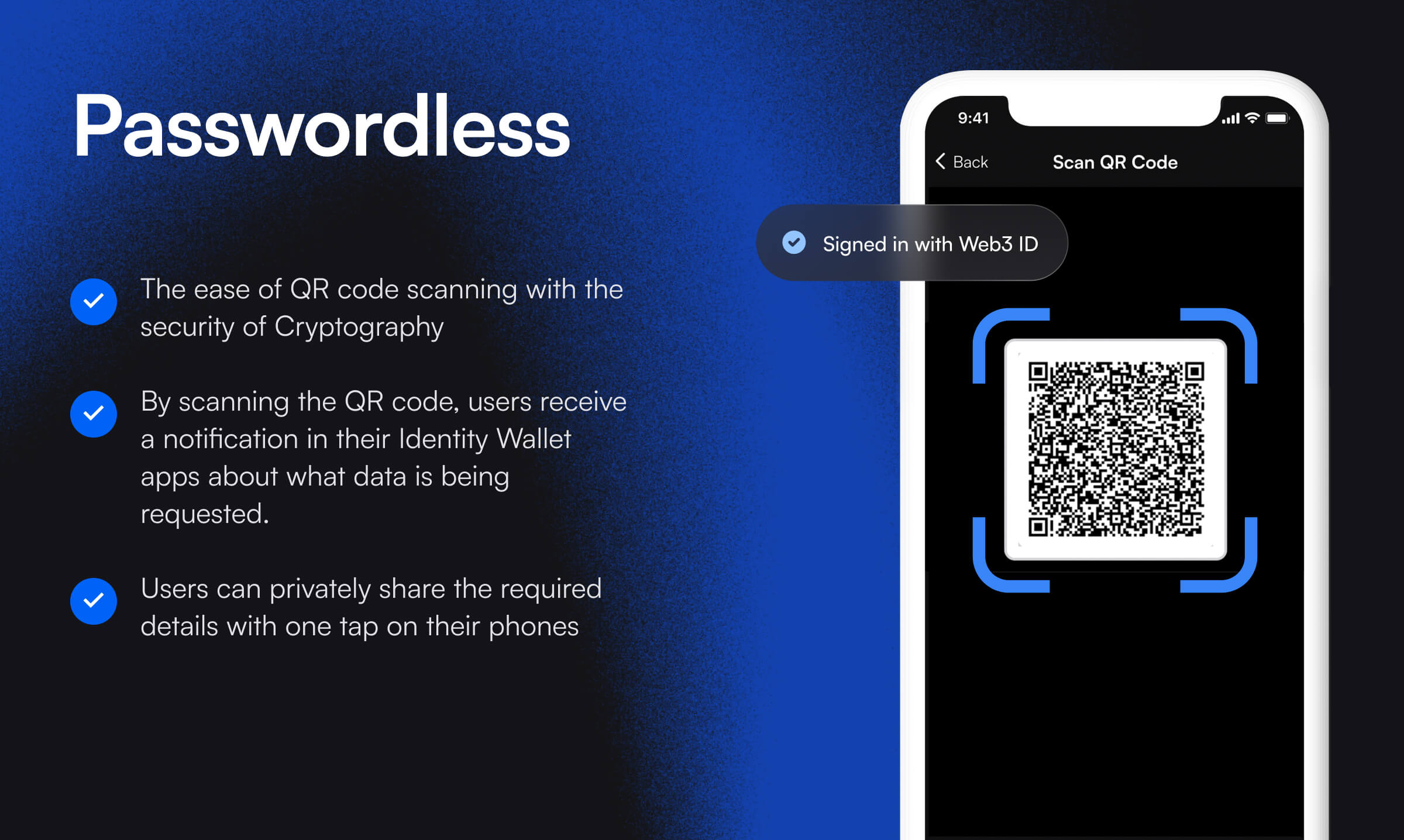
This evolution is not just about convenience; it’s about shifting control back to users. With self-sovereign identity models powered by decentralized storage (such as idOS Network), individuals can store encrypted credentials off-chain and selectively share them as needed. This approach aligns with GDPR and global privacy regulations by ensuring that users, not centralized intermediaries, control access to their personal data.
The Core Technologies: Attestations, Zero-Knowledge Proofs and Soulbound Tokens
The backbone of reusable KYC in Web3 is the onchain attestation: a cryptographic proof anchored on a blockchain that confirms an address has completed KYC verification with an approved provider. These attestations can be issued directly on-chain or off-chain using zero-knowledge proofs (ZKPs). ZKPs allow users to prove they meet specific criteria (e. g. , age or uniqueness) without revealing the underlying data, an essential advance for privacy-preserving identity.
Projects like 0xKYC take this further with liveness verification powered by ZKPs, ensuring each user is unique while keeping their personal details private. Meanwhile, IOTA’s tokenized KYC solution introduces non-transferable soulbound tokens representing verified status, enabling compliance even as user data remains confidential.
“In 2025, reusable KYC data may become a global practice. ”
– Privado ID’s Predictions for 2025
Interoperability and Cross-Chain Identity: Reducing Friction Across Ecosystems
The fragmentation of blockchain networks has historically made identity management cumbersome. However, chain-agnostic decentralized identity wallets now enable users to carry their verified credentials seamlessly across Ethereum, Solana, BNB Chain, and emerging Layer 2s. This interoperability means a single onchain attestation can unlock access across dozens of dApps without repeated verification cycles.
This cross-chain capability isn’t just theoretical, it’s being deployed today through partnerships like Blockpass and BAS on Binance’s BNB Chain and Sumsub’s integration with Solana. These solutions empower projects to automate allowlist management for token sales and community gating while maintaining robust privacy standards. For an in-depth look at how this works in practice for allowlists and token launches, see this guide on allowlist management with onchain attestations.
Privacy-Preserving Compliance: Balancing Regulation and User Autonomy
A key driver behind the adoption of decentralized KYC attestations is regulatory pressure alongside user demand for autonomy. Emerging frameworks such as On-Chain KYC® 2.0 balance these needs by empowering businesses to issue reusable digital identities that satisfy compliance requirements without centralizing sensitive information.
By leveraging cryptographic proofs instead of raw documents or data points, Web3 platforms can verify eligibility (for example: jurisdictional restrictions or anti-Sybil checks) while minimizing risk vectors associated with traditional data storage. This not only improves security but also builds trust, essential ingredients for mass adoption in DeFi and beyond.
Successful privacy-preserving KYC isn’t just a technical feat, it’s a paradigm shift for user experience and compliance. As onchain attestations gain traction, the friction of onboarding is replaced by a single, portable credential that unlocks participation across protocols. For allowlist managers and DeFi projects, this means streamlined operations, no more manual KYC checks for every campaign or token sale. Instead, platforms can automate access based on verifiable credentials, reducing overhead while ensuring only eligible users participate.
Top Benefits of Reusable Onchain KYC for Web3
-

Single Verification, Universal Access: Users complete KYC once with solutions like Blockpass On-Chain KYC® 2.0, then reuse their verified identity across multiple dApps, eliminating repetitive onboarding and saving time.
-

Enhanced Privacy with Zero-Knowledge Proofs: Platforms such as 0xKYC use zero-knowledge proofs, allowing users to prove their identity or uniqueness without revealing personal data, preserving anonymity while ensuring compliance.
-

Self-Sovereign Identity & Data Control: Services like idOS Network empower users to store encrypted KYC credentials in decentralized storage, granting full control and explicit consent over data sharing.
-

Seamless Cross-Chain Integration: Chain-agnostic wallets enable a single reusable digital identity to authenticate users across multiple blockchains, streamlining onboarding and reducing friction for both users and projects.
-

Regulatory Compliance with Tokenized KYC: Solutions like IOTA Tokenized KYC issue soulbound KYC tokens, ensuring compliance while keeping personal information off-chain and enhancing user experience.
-

Sybil Attack Prevention & Trust: Privacy-preserving attestations (e.g., 0xKYC) verify uniqueness and liveness, helping dApps prevent Sybil attacks and fostering a more trustworthy Web3 ecosystem.
-

Improved User Experience & Onboarding: Reusable onchain KYC reduces friction for both users and projects, enabling instant access to compliant dApps and services while minimizing manual review and paperwork.
The privacy gains are equally significant. With zero-knowledge proofs and decentralized storage, users can prove their uniqueness or jurisdiction without ever exposing their name or address. This is particularly important in the age of data breaches and rising regulatory scrutiny. By keeping sensitive information off-chain and sharing only attestations or soulbound tokens (as pioneered by IOTA), users retain sovereignty over their identity while meeting compliance standards.
For DAOs and gated communities, this technology unlocks new models of governance and membership. Imagine voting systems where each participant is verified as unique (preventing Sybil attacks), yet remains pseudonymous. Or exclusive airdrops that require proof of residency or accreditation, without ever seeing the user’s passport.
The Road Ahead: Scaling Trust in Web3 Identity
The next frontier is interoperability across even more ecosystems. As standards mature and adoption widens, expect to see onchain attestations for KYCed addresses become an industry baseline, not just for DeFi but also for gaming, NFT platforms, and the emerging world of real-world asset tokenization. The rise of self-sovereign identity networks will further tip the balance toward user empowerment, with individuals able to port their credentials between chains or even revoke access at will.
For projects building in 2025 and beyond, integrating decentralized KYC solutions isn’t just about compliance, it’s about future-proofing onboarding flows against evolving regulations and user expectations. The platforms leading this charge are those that view identity not as a box-ticking exercise but as a foundational layer for trustless interaction.
If you’re evaluating solutions for allowlist management or token sale automation, it’s critical to understand how onchain attestations can streamline your processes while safeguarding both compliance and privacy. Dive deeper into practical implementation strategies in our comprehensive guide to streamlining KYC with onchain attestations.
The convergence of cryptography, interoperability standards, and privacy engineering is setting a new bar for digital identity in Web3, one where credentials are truly reusable and user-centric by design.
About the Author