

In 2025, onchain attestations have fundamentally transformed how decentralized token sales approach Know Your Customer (KYC) compliance. Instead of forcing users through redundant identity checks for every new platform, a single robust KYC process now yields a reusable, blockchain-based credential. This credential acts as a cryptographic proof of verification, enabling seamless participation in token launches, DeFi protocols, and gated Web3 communities.
Privacy-Preserving Verification: The New Standard
Modern onchain attestation protocols put privacy front and center. Rather than recording sensitive personal data on the blockchain, only the proof of verification is stored. This means participants can prove their eligibility without broadcasting their identity to the world. Platforms like Hinkal are pioneering integrations with zero-knowledge proofs (ZKPs), allowing confidential transactions while ensuring that only verified addresses interact with regulated pools or events.
This privacy-first approach is not just theoretical. It’s already reshaping how token sale KYC compliance works in practice. Smart contracts can automatically check for valid attestations before allowing participation, eliminating manual reviews and reducing human error. For more on the evolution of privacy-preserving KYC in Web3, see how onchain attestations simplify KYC for DeFi token sales and allowlists.
Interoperability and Reusability: One Identity Across Web3
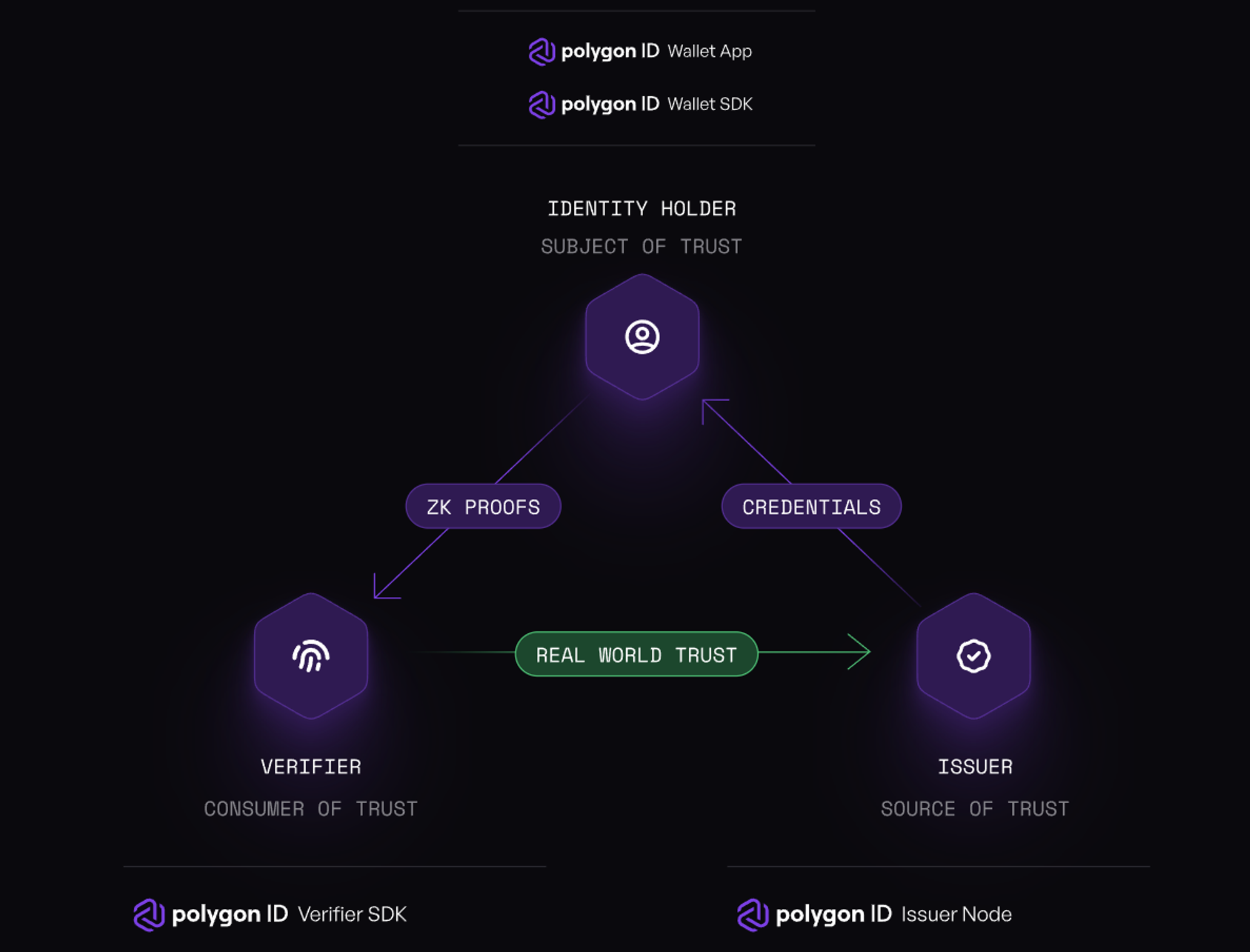
The power of onchain attestations lies not just in privacy but also in interoperability. Protocols such as Attest Protocol offer schema-based frameworks that standardize how credentials are issued and recognized across different blockchains and applications. This means users no longer need to repeat cumbersome onboarding processes for every dApp or platform they want to join.
Reusable digital identities unlock enormous efficiency gains for both users and project teams. Allowlist managers can instantly verify eligibility without collecting or storing sensitive information themselves. Token issuers can focus on growth rather than compliance overhead. These advances are rapidly becoming industry best practices for decentralized KYC verification and Web3 allowlist credentials.
Enhanced Compliance and Security for Token Sales
The regulatory landscape continues to evolve as crypto matures, with authorities demanding stronger controls around identity verification for token sales and DeFi access. Onchain attestations provide transparent, immutable records that satisfy these demands while minimizing exposure to personal data leaks.
Take Blockpass’ On-Chain KYC® 2.0 as an example: businesses receive only the result of verification, never direct access to end-user PII, greatly reducing both risk and liability. Similarly, Solana’s Attestation Service lets projects associate off-chain data with wallet addresses using standardized schemas, streamlining compliance without sacrificing speed or user experience.
The result? Automated onboarding workflows that reduce administrative friction while boosting trust among participants, a win-win for both sides of any decentralized marketplace.
Real-world adoption is accelerating. zkMe, a decentralized identity provider, has processed over 1.7 million verifications across more than 30 blockchain networks in 2025. Their privacy-preserving framework demonstrates that scalable, compliant, and user-centric KYC solutions are not just possible, they are operational realities today. As regulatory scrutiny increases and tokenized assets proliferate, the ability to prove compliance instantly and securely becomes a strategic advantage for both users and projects.
Top Benefits of Onchain Attestations for KYCed Addresses (2025)
-
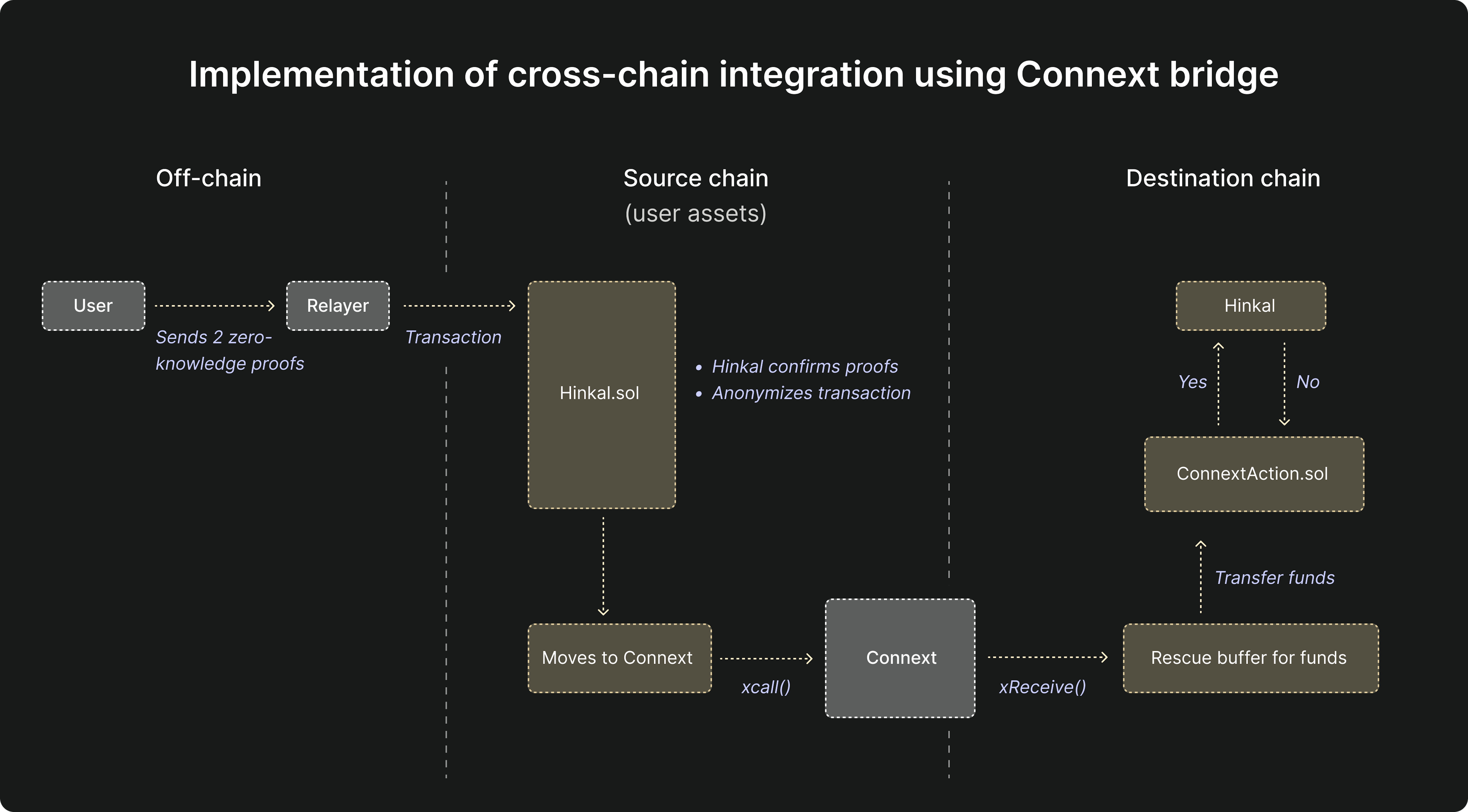
Privacy-Preserving Verification: Modern protocols like Hinkal use zero-knowledge proofs to confirm KYC status on-chain, allowing users to prove compliance without exposing sensitive personal data.
-
Interoperable & Reusable Digital Identities: Solutions such as Attest Protocol enable users to maintain a single, reusable KYC credential across multiple dApps and blockchains, streamlining onboarding and reducing redundancy.
-
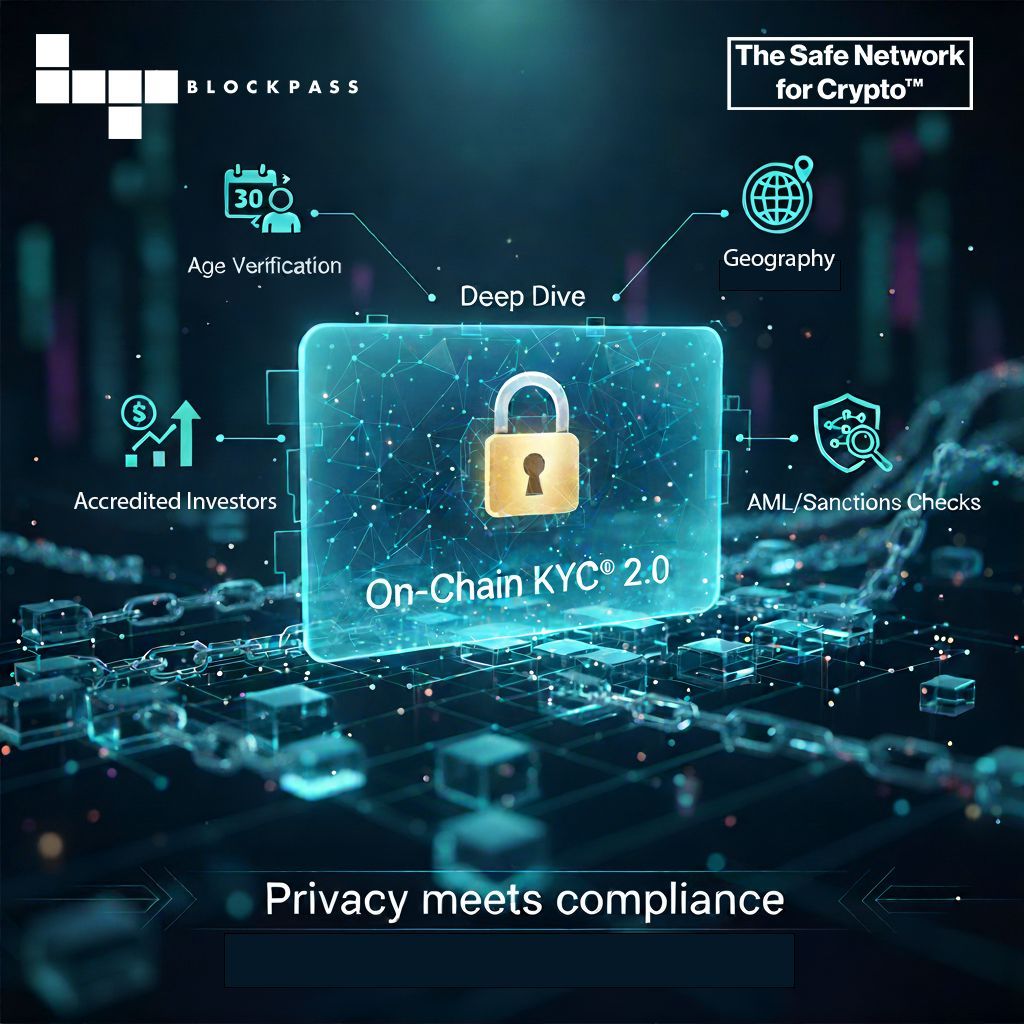
Enhanced Compliance & Security: Platforms like Blockpass On-Chain KYC® 2.0 automate verification, reducing manual checks and administrative costs while ensuring businesses never handle end-user PII directly.
-
Real-World Implementation at Scale: The Solana Attestation Service (SAS) links off-chain data to on-chain wallets, enabling efficient KYC and new data management possibilities for token sales.
-
Proven Privacy-First Compliance: zkMe has processed over 1.7 million verifications across 30+ chains, demonstrating robust privacy-preserving compliance for the Web3 ecosystem.
For token issuers, these advancements mean reduced onboarding times and lower costs. Smart contracts now automatically enforce KYC requirements by checking for valid onchain attestations before allowing participation in sales or gated communities. This automation eliminates manual review bottlenecks and ensures that only eligible users interact with regulated products, without ever exposing sensitive data to project teams.
For users, the experience is equally transformative. Once verified through a trusted provider, a single digital identity can unlock access to multiple DeFi protocols, NFT launches, or DAOs, no more repetitive uploads or redundant background checks. This seamlessness fosters greater participation and trust across the Web3 ecosystem.
Building Trust Without Sacrificing Privacy
Perhaps the most profound impact of onchain attestations is how they reconcile two seemingly opposing forces: regulatory compliance and user privacy. By storing only cryptographic proofs, not raw personal data, on public ledgers, these protocols give individuals unprecedented control over their digital footprint while still meeting global compliance standards.
This approach also reduces exposure to hacks or leaks associated with centralized KYC databases. The result is a more resilient infrastructure where trust is algorithmically enforced but personal sovereignty remains intact.
The next wave of Web3 innovation will be built on this foundation of secure digital identity. As interoperability standards mature and zero-knowledge technologies become mainstream, expect even broader adoption, from institutional finance to consumer social apps, of onchain identity for DeFi and beyond.
If you’re building or participating in decentralized token sales in 2025, integrating onchain attestations isn’t just best practice, it’s quickly becoming table stakes for legitimacy, efficiency, and growth. For deeper technical dives into implementation strategies or evolving regulatory frameworks, explore our guide on how onchain attestations streamline KYC for Web3 allowlists and token sales.
About the Author