

The Web3 landscape in 2025 is witnessing a decisive shift as onchain attestations for KYCed addresses become the backbone of compliant, efficient, and privacy-preserving token sales and allowlist management. With regulators intensifying their scrutiny and users demanding seamless onboarding, decentralized KYC credentials are no longer a futuristic concept but a pragmatic necessity. This article unpacks how onchain attestations are transforming the mechanics of Web3 allowlists, token launches, and digital identity, delivering unprecedented security, compliance, and user empowerment.
Redefining Security and Compliance for Token Sales
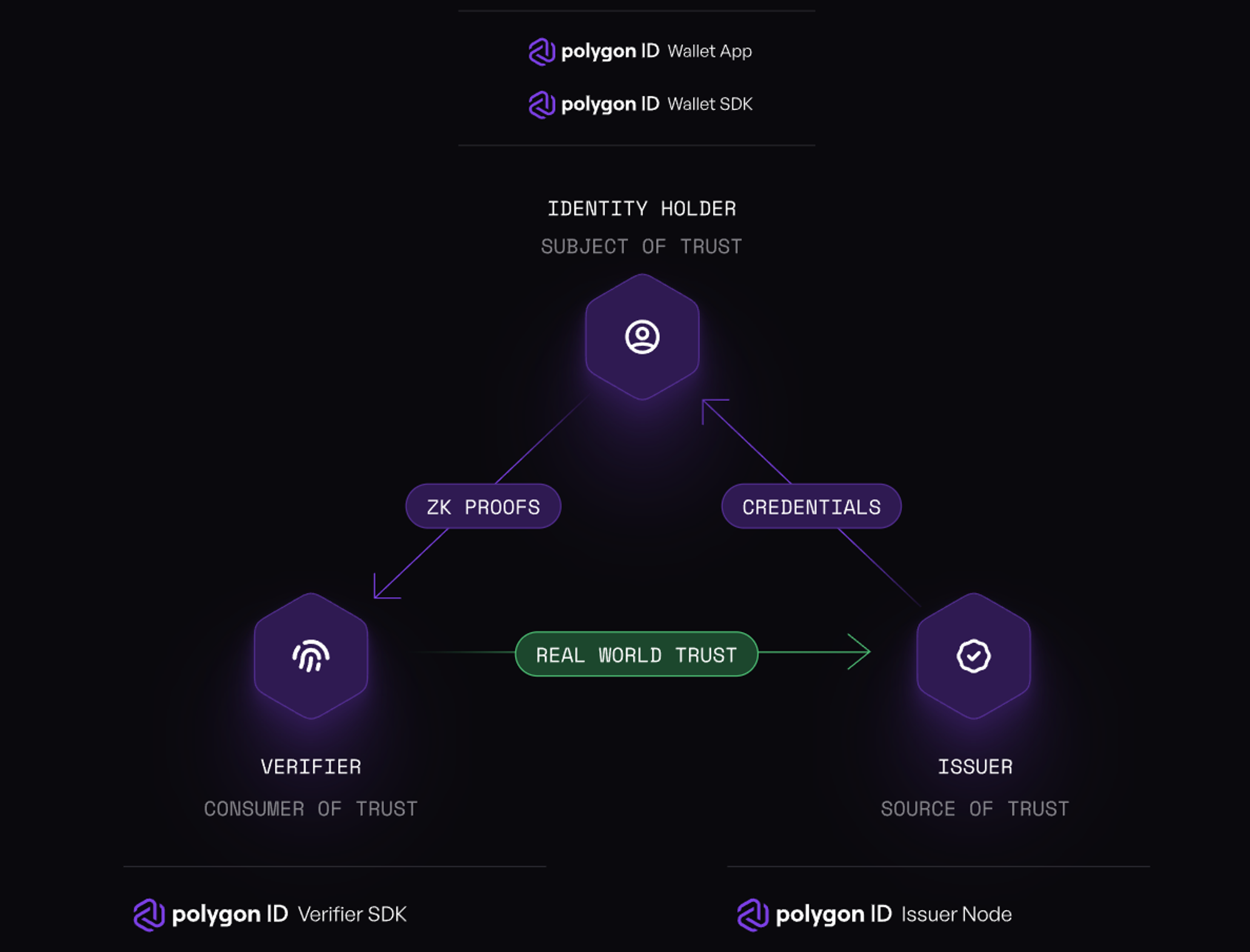
Traditional approaches to KYC in token sales have long been hampered by manual reviews, siloed databases, and repetitive checks that frustrate both users and project teams. In 2025, onchain attestations have changed the game: users who complete a single robust KYC process can receive a blockchain-based credential, an attestation, that cryptographically proves their eligibility across multiple platforms. This approach not only accelerates onboarding but also ensures that only authenticated participants gain access to regulated activities like IDOs or NFT launches.
Platforms such as Blockpass’s On-Chain KYC® 2.0 exemplify this innovation by issuing reusable digital identities that are verifiable directly onchain without exposing sensitive information. These attestations serve as tamper-proof evidence that an address has passed compliance checks, dramatically reducing risks associated with fraud or regulatory lapses. In practice, this means allowlist managers can automate eligibility checks with smart contracts, no more spreadsheets or off-chain whitelists vulnerable to manipulation.
If you’re seeking deeper technical insights into how these systems enhance compliance for Web3 token sales, see this detailed guide.
User Experience: Frictionless Access Across Web3 Ecosystems
The promise of Web3 was always open access, but until recently, repeated KYC requests stood in direct opposition to that vision. Now, with privacy-focused onchain identity solutions, users can participate in multiple DeFi protocols or token launches using a single verifiable credential. For example, integrations like Blockpass with Binance’s BNB Attestation Service (BAS) empower users to control which dApps can view their attestation status while retaining full custody of their data.
This streamlining is more than just a UX upgrade, it is driving real engagement and participation across ecosystems. zkMe’s adoption statistics are telling: over 3 million user attestations processed across 30 and chains in 2025 alone. By leveraging zero-knowledge proofs (zkPs), platforms enable verification without revealing underlying personal details, a critical advancement for privacy-conscious communities navigating complex global regulations.
The Mechanics: How Onchain Attestations Automate Allowlists
At the heart of efficient allowlist management lies automation powered by onchain credentials. Instead of maintaining off-chain lists or requiring manual intervention at every step, smart contracts now reference immutable attestations tied to wallet addresses. When a user attempts to participate in an IDO or gated community event, the contract instantly checks for the required credential, granting access if verified or denying it if not.
This paradigm shift is particularly valuable for projects conducting high-stakes token sales where regulatory exposure is non-negotiable. By ensuring only eligible (KYCed) addresses can interact with sale contracts during defined windows, as seen on platforms like CoinList, the risk profile drops dramatically while operational efficiency soars.
If you want actionable steps for integrating these tools into your own project’s workflow, explore our comprehensive breakdown at this resource.
Beyond compliance and automation, onchain attestations are fundamentally reshaping the economics of token launches and allowlist management. By reducing the need for repeated KYC checks, projects can cut onboarding costs and minimize user drop-off. This is especially impactful in a climate where regulatory clarity is increasing but so too are expectations for operational transparency.
Platforms leveraging decentralized KYC credentials benefit from a composable identity layer: once an address is attested, it can be referenced by any smart contract that recognizes the standard. This interoperability is crucial for cross-chain launches, multi-platform IDOs, and collaborative allowlists spanning several DeFi ecosystems. The result is a more dynamic, liquid, and inclusive market environment, one where compliance does not come at the expense of user growth or privacy.
Privacy as a Competitive Advantage
The maturation of privacy-preserving onchain identity solutions is not just about regulatory box-ticking; it’s fast becoming a competitive differentiator. With zero-knowledge proof-based attestations setting new standards in 2025, users gain granular control over what data they share and with whom. Projects that adopt these advanced attestations signal to their communities that participant safety and autonomy are top priorities.
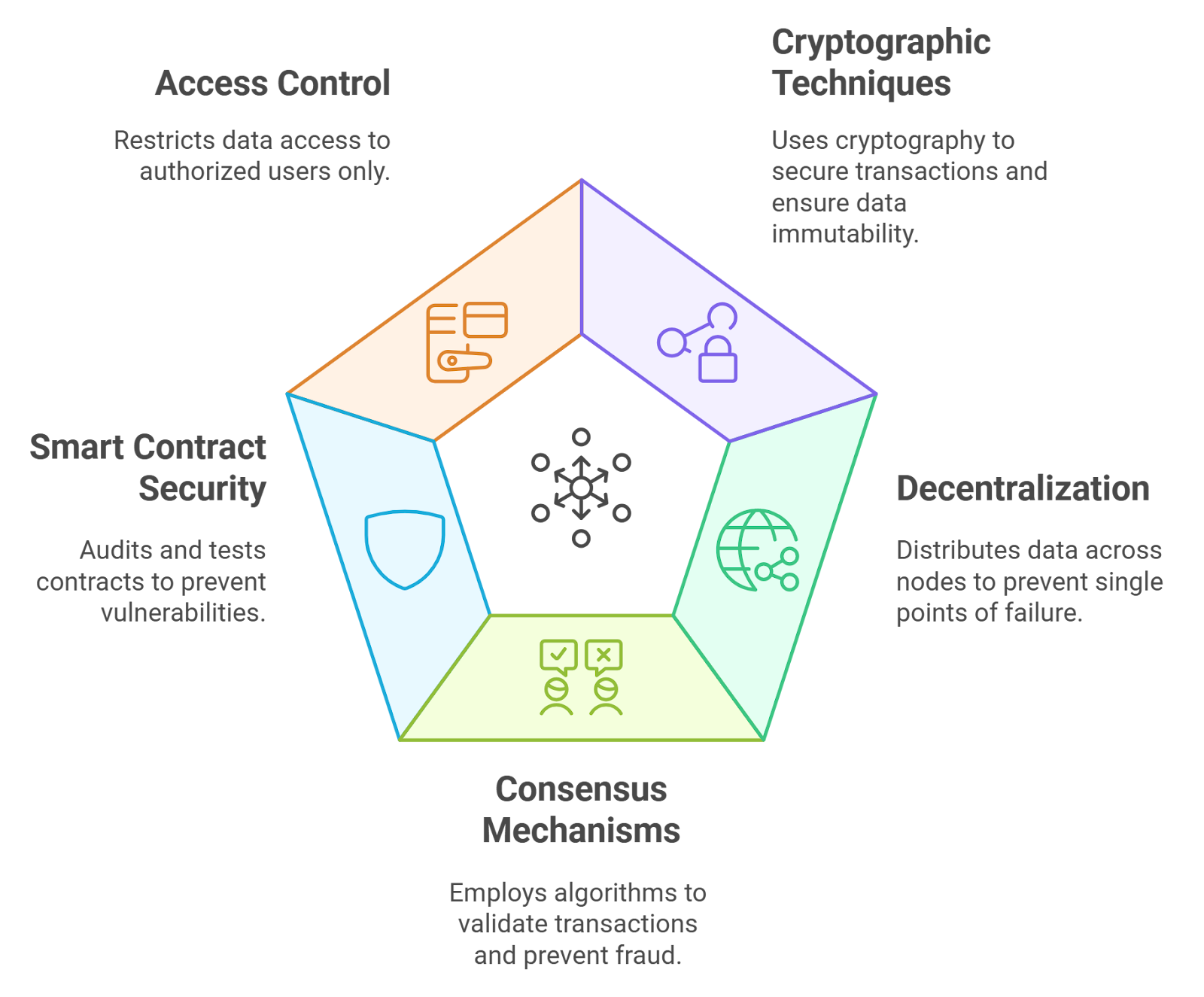
Moreover, privacy-focused onchain identity reduces the risk surface for both users and platforms. Instead of storing sensitive user information off-chain (a frequent target for bad actors), only cryptographic proofs exist onchain, meaning there’s nothing to leak or compromise even in worst-case scenarios. This trustless architecture aligns perfectly with Web3’s ethos: empowering users while protecting them from legacy vulnerabilities.
Looking Forward: The Future of Allowlists and Token Sales
What does this mean for the next wave of Web3 innovation? Expect to see token sales with instant eligibility checks, cross-chain allowlists managed by DAOs, and digital communities where access rights are enforced automatically by smart contracts referencing decentralized KYC credentials. As standards like On-Chain KYC® 2.0 proliferate, expect even greater composability, enabling seamless integration with everything from NFT drops to DAO voting systems.
The implications are profound: reduced regulatory risk, lower operational overheads, and a more inviting user experience that encourages legitimate participation without sacrificing security or privacy. For founders seeking best-in-class allowlist management strategies in 2025, embracing onchain attestations is quickly shifting from optional to essential.
For further practical guidance on building secure allowlists powered by attested addresses, and how to avoid common pitfalls, visit this step-by-step guide.
About the Author