
Web3 airdrops and giveaways promise explosive user growth, but without robust verification, they invite sybils, bots, and regulatory scrutiny that can derail projects overnight. Onchain KYC attestations flip the script, delivering cryptographic proofs of user identity etched immutably on blockchain. These aren't clunky off-chain databases; they're lightweight, reusable credentials that slash compliance costs while shielding privacy. Picture this: a user verifies once, then flashes their attestation across DeFi platforms, token drops, and gated communities, all without resubmitting passports or selfies.
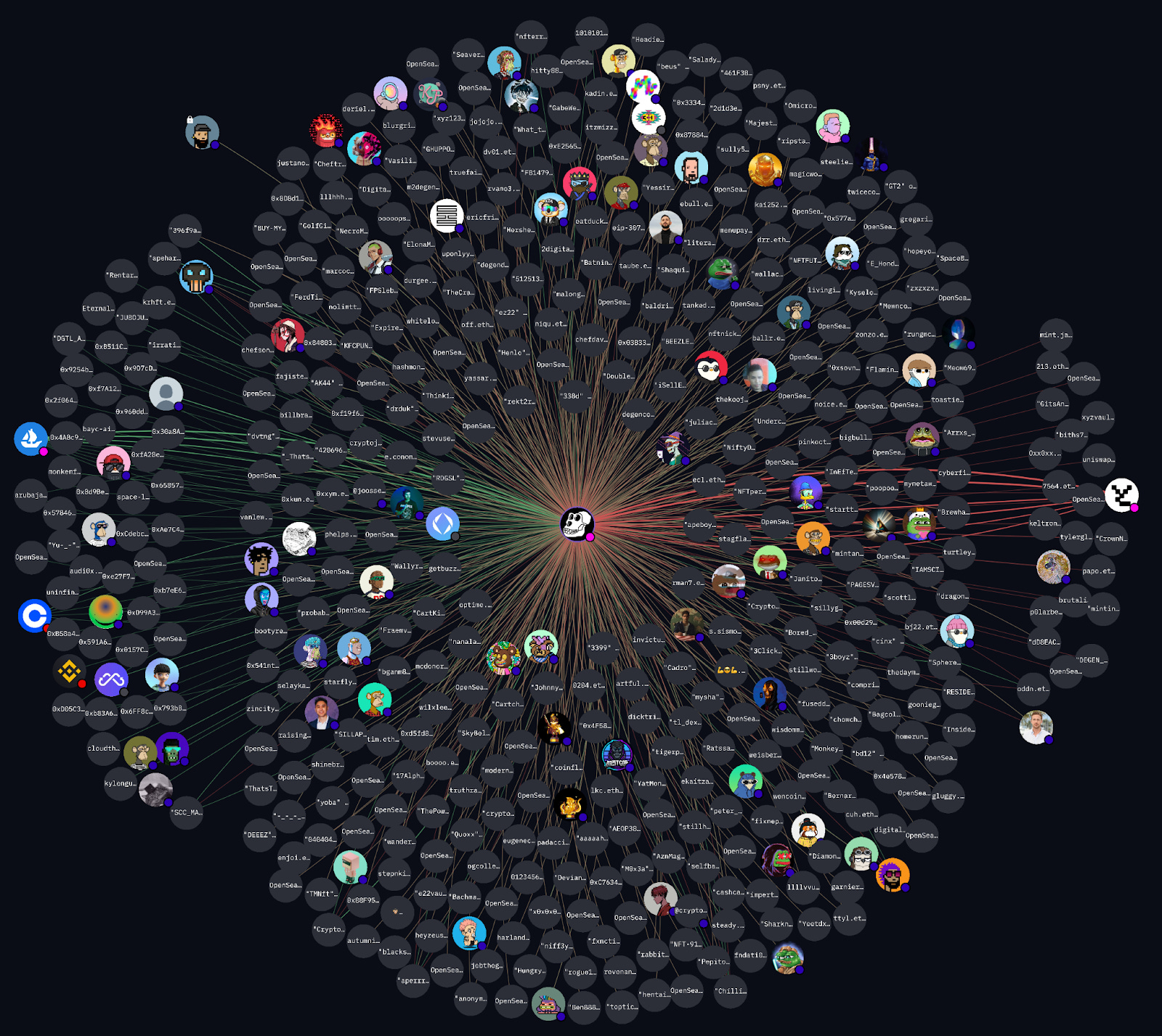
In a landscape where regulators demand KYC for Web3 airdrops yet users crave pseudonymity, these attestations strike the perfect balance. They confirm essentials like age, jurisdiction, or liveness via zero-knowledge proofs, ensuring DeFi giveaway compliance without data dumps. Projects integrate them into smart contracts for instant checks, turning potential liabilities into seamless onboarding engines.
Blockpass On-Chain KYC 2.0 Leads the Charge
Blockpass's On-Chain KYC® 2.0 stands out as a powerhouse, empowering projects to mint verifiable KYC credentials on Ethereum, Solana, and beyond. Users undergo document checks and biometrics off-chain; the provider issues an expiring soulbound token on-chain, packed with claims but zero PII. No central honeypot for hackers. This setup builds user reputation over time: re-verify periodically, stack credentials, and unlock premium airdrops. For giveaway managers, it's gold; gate participation to verified addresses only, dodging wash trading and fake wallets.
"Businesses are empowered to create verified, reusable digital identities for users. " - Blockpass on On-Chain KYC® 2.0
Authento complements this with global reach, handling 6,500 and document types from 220 countries. Their soulbound 'Authento Verified' tokens bundle ID auth, biometrics, and proof-of-residence, ideal for jurisdiction-specific giveaways. Developers love the plug-and-play: query the token in your contract, approve claims selectively, done.
Zero-Knowledge Edge with 0xKYC and Attest Protocol
Privacy hawks rejoice at 0xKYC's zero-knowledge liveness checks. This open-source gem verifies humans sans bots, generates attestations proving 'real user' status without revealing who. Integrate it for sybil-proof airdrops; multisigs distributing rewards scan for these proofs, filtering duplicates ruthlessly. Pair it with Attest Protocol's developer-friendly toolkit: issue signed facts like 'KYC-passed by Veriff' or 'Holds US-accredited NFT. ' No databases, pure onchain portability. Users own their proofs, revoke anytime, fostering trust loops across ecosystems.
These protocols converge on a core truth: blockchain KYC verification must evolve from one-off hurdles to persistent assets. Traditional KYC chains users to providers; onchain versions liberate them, verifiable anywhere standards align, like EAS or W3C credentials.
| Provider | Key Features | Supported Chains | Airdrop Use Case |
|---|---|---|---|
| Blockpass | Expiring attestations, no PII onchain | ETH, Solana | Jurisdiction gating |
| Authento | Biometrics and 220 countries | Multi-chain | Soulbound verified status |
| 0xKYC | ZK liveness, open-source | EVM | Sybil resistance |
| Attest Protocol | Signed facts, user-controlled | Omni-chain | Custom credential stacking |
This table underscores the diversity: pick Blockpass for broad compliance, 0xKYC for bot-proofing. In practice, layer them; a base KYC attestation plus liveness proof creates ironclad eligibility. Smart contracts execute distributions only to qualifying addresses, automating what once required armies of reviewers.
Interoperability amplifies impact. An attestation from one provider validates on another platform via standard schemas, cutting redundant verifies. For airdrop hunters, it's liberating: one-time effort yields endless access. Projects gain streamlined compliance, slashing ops costs by 80% in some cases. But the real win? Trust. Verified cohorts signal legitimacy to investors, fueling token velocity post-drop.
Layering these tools unlocks next-level DeFi giveaway compliance. Imagine a smart contract that cross-checks multiple attestations: Blockpass for base KYC, 0xKYC for liveness, Attest Protocol for custom flags like 'accredited investor. ' Rewards flow only to addresses hitting all criteria, executed gas-efficiently onchain. This isn't theory; projects like those using Sign Protocol already attest everything from airdrop eligibility to orange-pilling metrics, creating verifiable claim graphs across chains.
Real-World Integration: From Code to Compliant Drops
Developers integrate via simple standards like ERC-4361 or EAS. Query an attestation's schema, validate issuer signatures, and extract claims without decrypting payloads. For airdrops, modify Merkle drops or snapshot scripts to filter KYced addresses first. Costs plummet: one verification at $2-5 versus repeated manual reviews at $20 per user. Chainlink's compliance attestations add oracle-grade certainty, bridging offchain KYC events to onchain truths.
Onchain KYC Eligibility Verifier
Power your airdrop with onchain compliance! This Solidity function queries the Ethereum Attestation Service (EAS) to verify a user's KYC status. It confirms an attestation exists from the trusted issuer, matches your schema UID, remains unrevoked, and isn't expired.
```solidity
import {IEAS, AttestationRecord} from "@ethereum-attestation-service/core/interfaces/IEAS.sol";

pragma solidity ^0.8.20;

/// @title Compliant Airdrop KYC Verifier
/// @notice Verifies onchain KYC attestations for airdrop eligibility
contract CompliantAirdrop {
    IEAS private immutable eas;

    bytes32 public immutable kycSchemaUID;
    address public immutable trustedIssuer;

    constructor(IEAS _eas, bytes32 _kycSchemaUID, address _trustedIssuer) {
        eas = _eas;
        kycSchemaUID = _kycSchemaUID;
        trustedIssuer = _trustedIssuer;
    }

    /// @notice Determines if a user is KYC eligible
    /// @param user Address to verify
    /// @return True if valid non-revoked KYC attestation exists
    function isEligible(address user) public view returns (bool) {
        AttestationRecord memory record = eas.getAttestation(
            kycSchemaUID,
            user,
            bytes32(uint256(uint160(trustedIssuer)))
        );

        return record.time > 0 &&
               record.revocationBlockNumber == 0 &&
               (record.expirationTime == 0 || record.expirationTime > block.timestamp);
    }
}
```
Drop this into your airdrop contract and call `isEligible` in claims. Compliant, auditable, unstoppable – revolutionizing Web3 giveaways! 🚀
Such snippets deploy in minutes, turning raw addresses into vetted participants. Altme's verifiable credentials shine here, bundling KYC/AML with age gates for global giveaways. PureFi layers ZK-proofs atop, anonymizing while proving compliance. The result? Airdrops that scale to millions without fraud spirals.
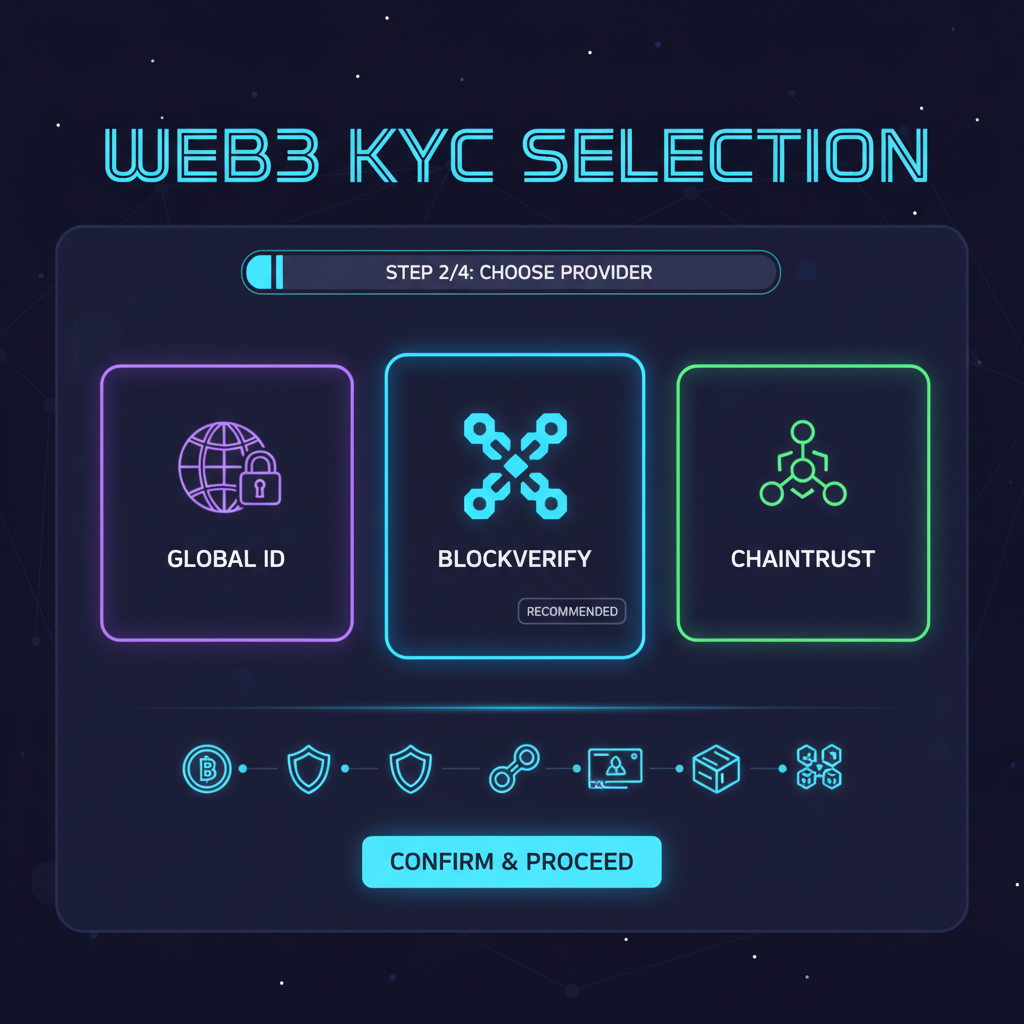
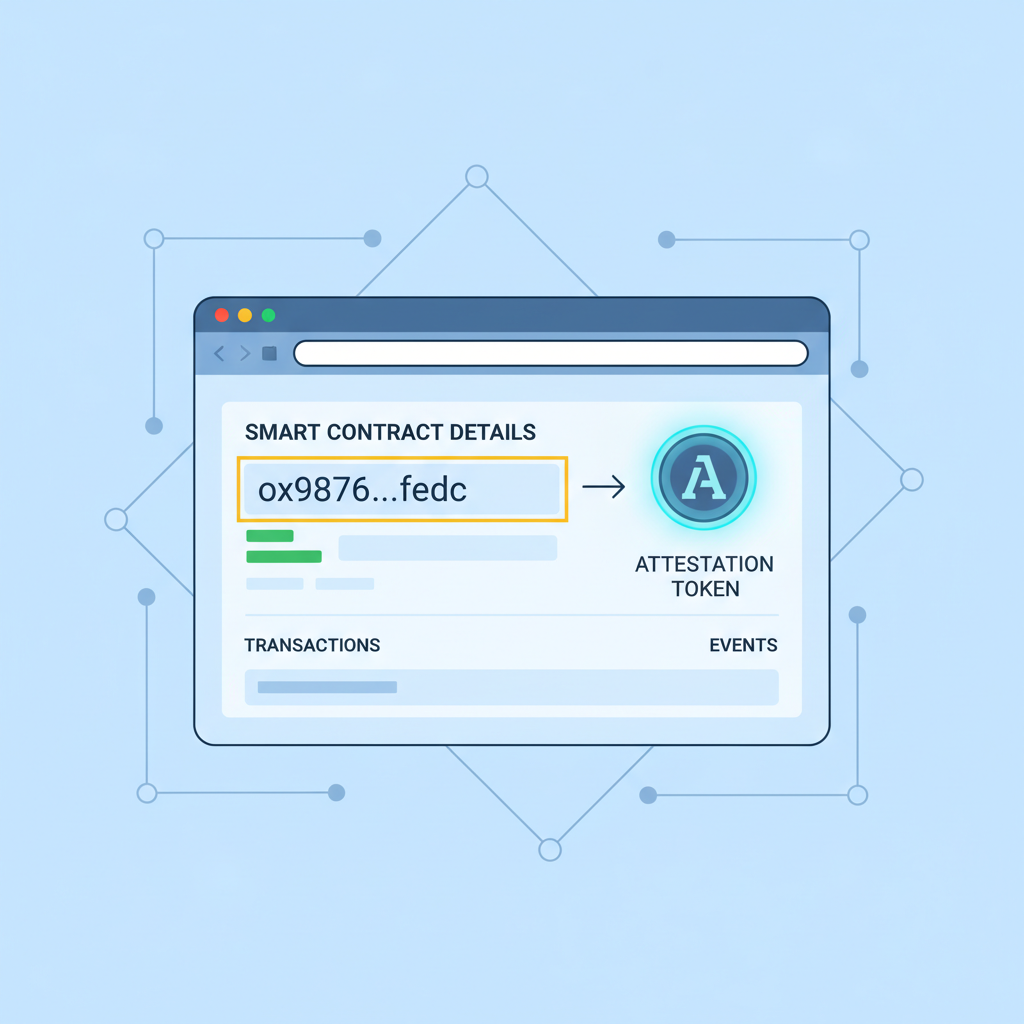
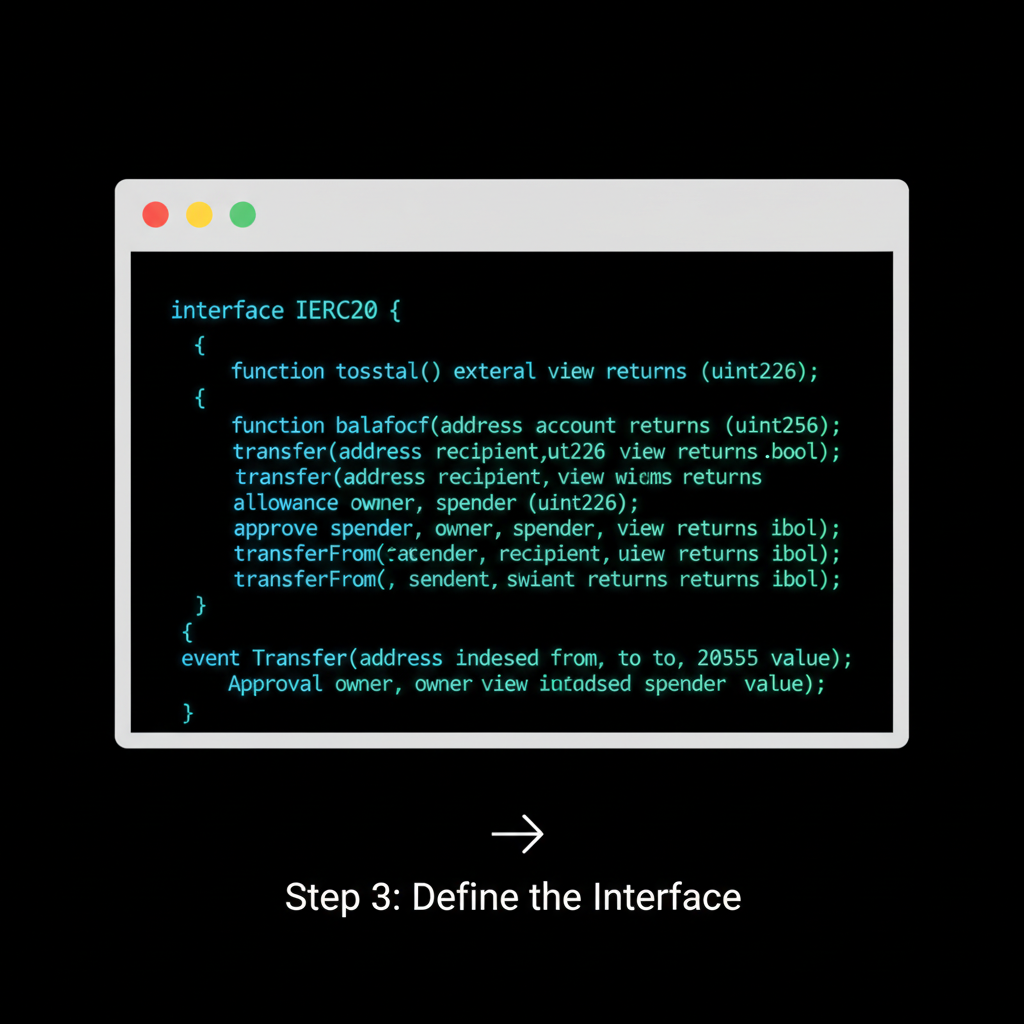
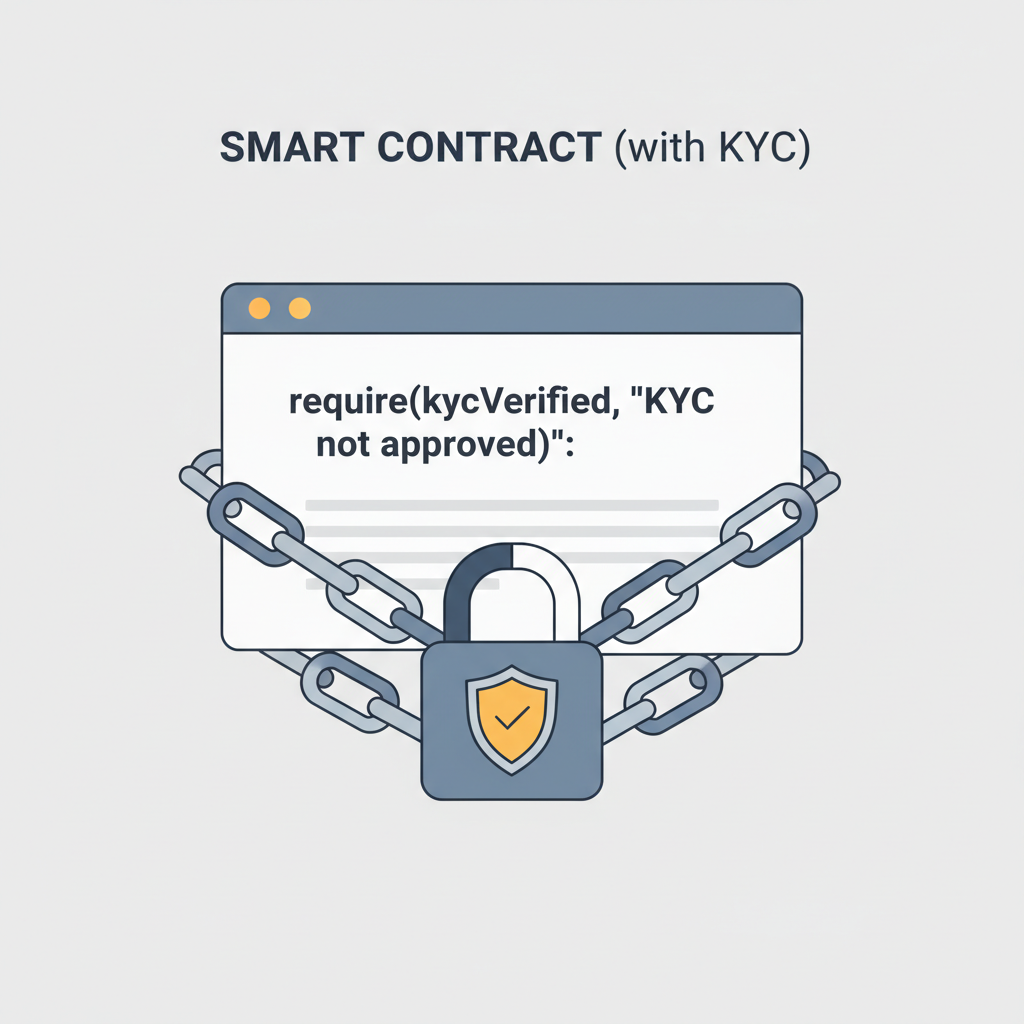
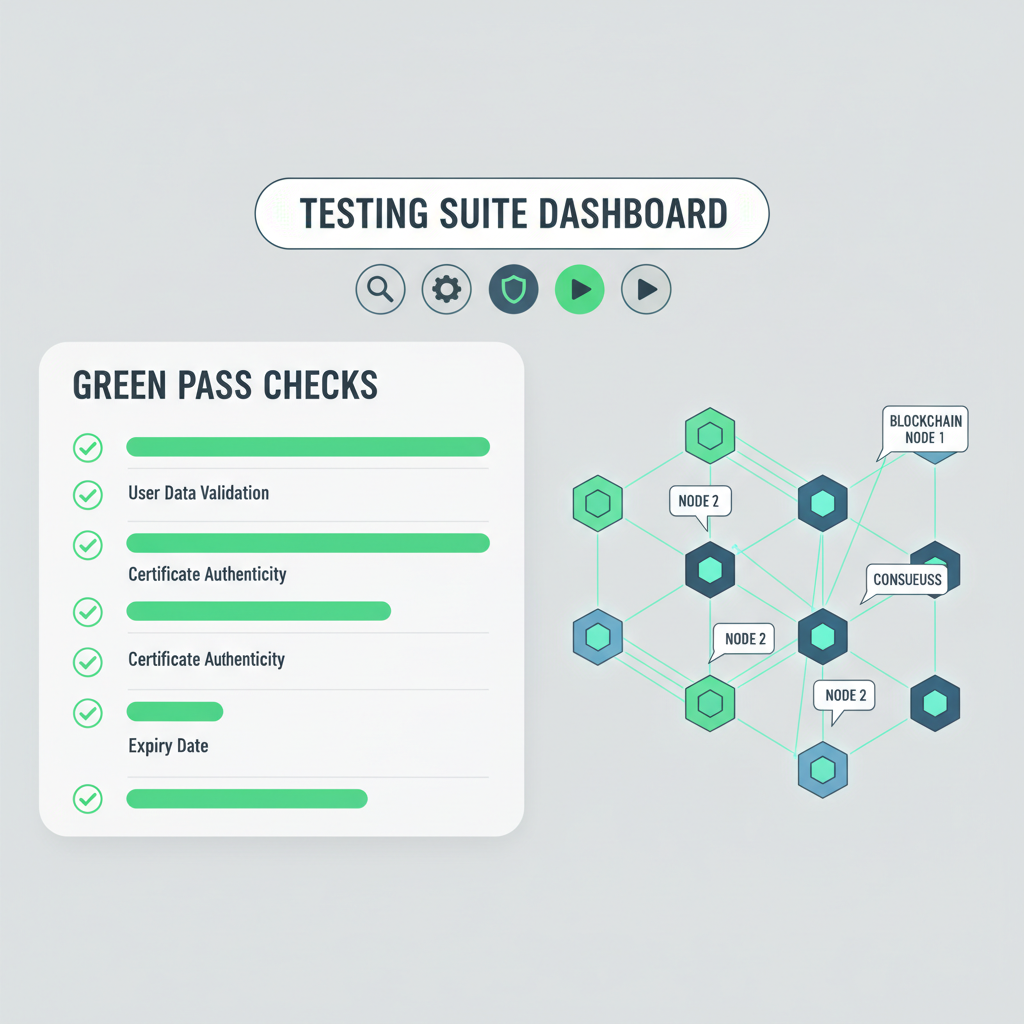
Integrate Onchain KYC: Bulletproof Airdrops in 6 Steps
Case Studies: Airdrops That Got It Right
Take KYC-first drops powered by zero-knowledge proofs: platforms prevent sybils claiming 90% of allocations, as seen in early zkKYC pilots. Blockchain App Factory highlights regulation-ready airdrops meeting AML laws, user data intact. Cube Exchange leverages W3C attestations for DeFi security, proving age or accreditation selectively. These successes prove onchain KYC attestations aren't optional; they're the moat against bots and bans.
| Challenge | Traditional KYC | Onchain Attestations |
|---|---|---|
| Privacy Risk | Central databases, breaches | ZK proofs, user control |
| Cost per User | $20-50 repeated | $2-5 reusable |
| Sybil Protection | Manual, error-prone | Automated, cryptographic |
| Interoperability | Provider-locked | Chain-agnostic standards |
This comparison spotlights the shift: from brittle systems to resilient ones. Yet hurdles remain, like schema fragmentation. Solution? Converge on protocols like Sign's omni-chain attestations, where users sign claims verifiable anywhere. Prestolabs nails it with orange-site verification for pseudonymous drops, balancing trust and freedom.
Regulatory winds favor this evolution. As MiCA and beyond clamp down, projects ignoring verifiable KYC credentials risk delistings. Onchain solutions preempt that, embedding compliance in protocol DNA. Users benefit too: portable proofs mean no more KYC fatigue across 50 dApps.
Future-Proof Your Drops with OnchainKYCe. me
Providers like OnchainKYCe. me elevate this further, offering secure attestations tailored for allowlists, sales, and drops. Issue, manage, verify in one interoperable hub, privacy-first. Pair with onchain attestations for allowlists and watch participation soar legitimately. The era of unchecked giveaways ends; compliant, explosive growth begins.
Forward-thinking teams act now, weaving blockchain KYC verification into core mechanics. It's not just safer; it's sharper, fueling sustainable ecosystems where real humans reap rewards.




No comments yet. Be the first to share your thoughts!