
In the fast-evolving world of decentralized finance, DeFi projects often grapple with a fundamental tension: ensuring regulatory compliance while upholding the core principles of Web3, such as privacy and user sovereignty. Traditional Know Your Customer (KYC) processes, with their cumbersome paperwork and centralized databases, clash against the decentralized ethos, leading to friction in allowlist verification for token sales, airdrops, and gated communities. Enter onchain KYC attestations, a transformative solution that allows users to prove verified identity credentials directly on the blockchain without revealing sensitive personal data. This approach not only simplifies DeFi allowlist management but also builds trust through verifiable, reusable proofs.

Picture a DeFi protocol launching a token sale. Instead of requiring each participant to undergo redundant KYC checks, the project can gate access via a simple cryptographic flag in users' wallets. This flag, issued by trusted verifiers, confirms compliance attributes like accredited investor status or geographic eligibility. As outlined in recent developments, protocols like Attest, Blockpass, and Chainlink are pioneering this shift, making KYC verification Web3 seamless and scalable.
The Pain Points of Traditional Allowlist Verification in DeFi
DeFi projects frequently rely on allowlists to control access, collecting wallet addresses through quests, snapshots, or manual KYC. Yet, this process exposes vulnerabilities. Centralized KYC providers store vast amounts of personally identifiable information (PII), creating honeypots for hackers and regulators alike. Users face repeated verifications across platforms, eroding trust and slowing adoption. Moreover, Merkle root-based allowlists, while efficient for minting, lack granular proof of identity, leaving room for sybil attacks or non-compliant participants.
From my vantage point managing portfolios through market cycles, I've seen how compliance hurdles can stifle innovation. DeFi's promise of borderless finance falters when platforms must balance decentralization with mandates like anti-money laundering (AML). Privacy-preserving alternatives are essential; without them, projects risk fines or user exodus. Onchain solutions address this by anchoring attestations to blockchains, ensuring immutability and interoperability.
Unlocking Blockchain Identity Proofs with Onchain Attestations
Blockchain identity proofs via onchain KYC attestations represent a paradigm shift. Users submit documents to offchain providers, who issue cryptographic attestations stored in wallets. These zero-knowledge proofs enable selective disclosure: prove you're KYC'd without sharing your passport. This aligns perfectly with Web3's privacy-first mindset, as highlighted in Chainlink's compliance attestation standards.
Take Attest Protocol, for instance. It equips wallets with portable credentials usable across 500 and applications. Developers integrate verification with minimal code, slashing onboarding time. Blockpass's On-Chain KYC 2.0 goes further, issuing granular attestations for specifics like residency or investor accreditation. No PII lingers onchain; only verification outcomes persist, fostering reusability. Chainlink oracles bridge offchain checks to smart contracts, automating gatekeeping for permissioned DeFi.
Streamlining Compliance Without Sacrificing User Privacy
Privacy onchain KYC isn't just a buzzword; it's a practical necessity. In permissioned DeFi, where protocols must enforce KYC/AML, traditional methods invite overreach. Onchain attestations flip the script: users retain control, sharing only necessary attributes. This reduces fraud exposure, as counterparties trust pre-verified flags, cutting repeated checks.
Consider a real-world application. A DeFi lending platform uses these attestations for allowlists, verifying accredited status onchain. Smart contracts query the proof, granting access instantly. No databases, no middlemen. As Sumsub and Zyphe note in their analyses, this balances regulation with decentralization. For allowlist managers, it means Merkle roots backed by attested addresses, minimizing risks in token distributions. Check out this guide on solving repeated KYC for deeper implementation insights.
These tools empower projects to scale confidently. Early adopters report faster user acquisition and lower operational costs, proving that patience in adopting robust identity layers yields lasting results.
Building on these advantages, DeFi projects can now construct robust allowlists with minimal friction. Imagine token sales where only attested addresses participate, verified through a single onchain query. This not only curbs sybil attacks but also assures regulators that compliance is baked into the protocol. My experience through volatile markets underscores one truth: solid foundations in identity verification prevent costly disruptions later.
Practical Steps for DeFi Allowlist Integration
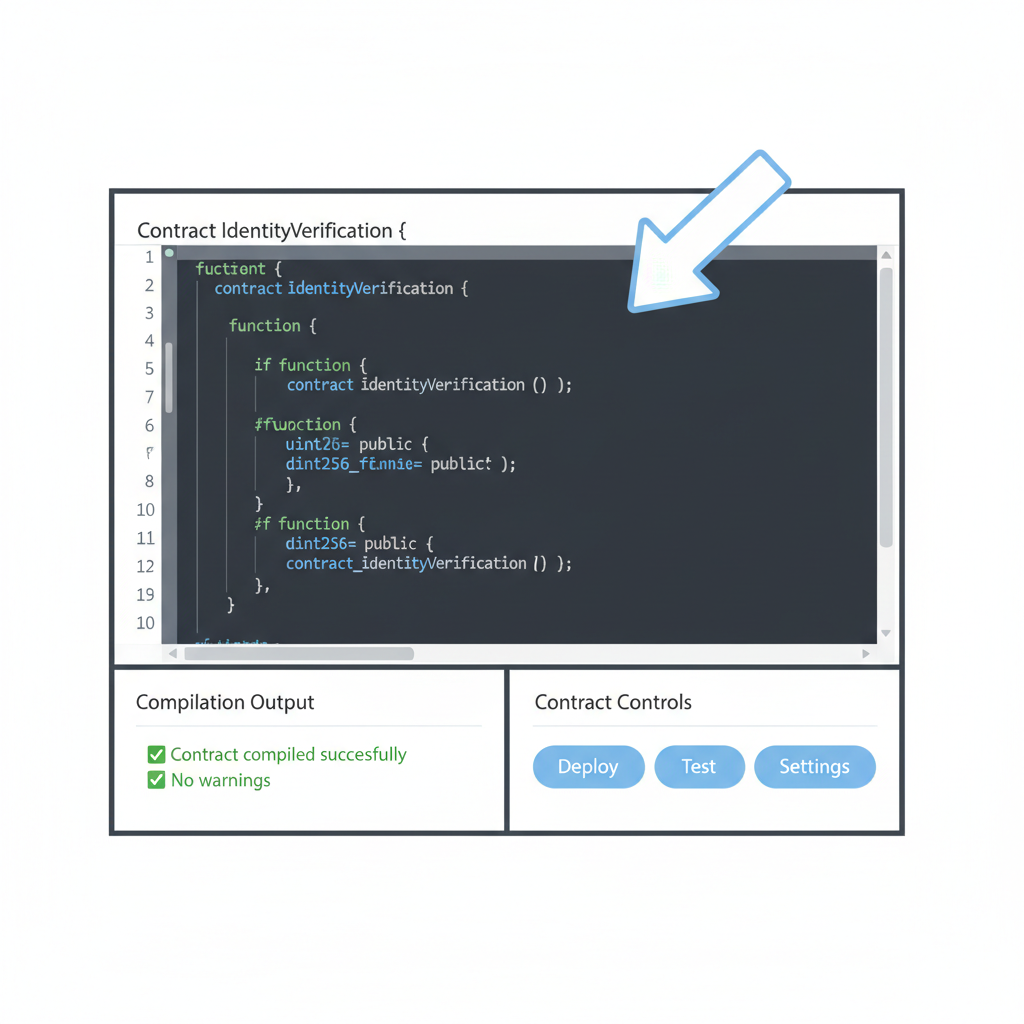
Integrating onchain KYC attestations starts with choosing a provider like Blockpass or Chainlink. Projects issue Merkle roots of attested addresses, embedding them in smart contracts. During mints or airdrops, users present proofs; contracts validate instantly. No offchain APIs needed, just blockchain calls. For deeper dives, explore building secure allowlists tailored for attested addresses.
Streamline DeFi Allowlists: Integrate Onchain KYC Attestations Effortlessly
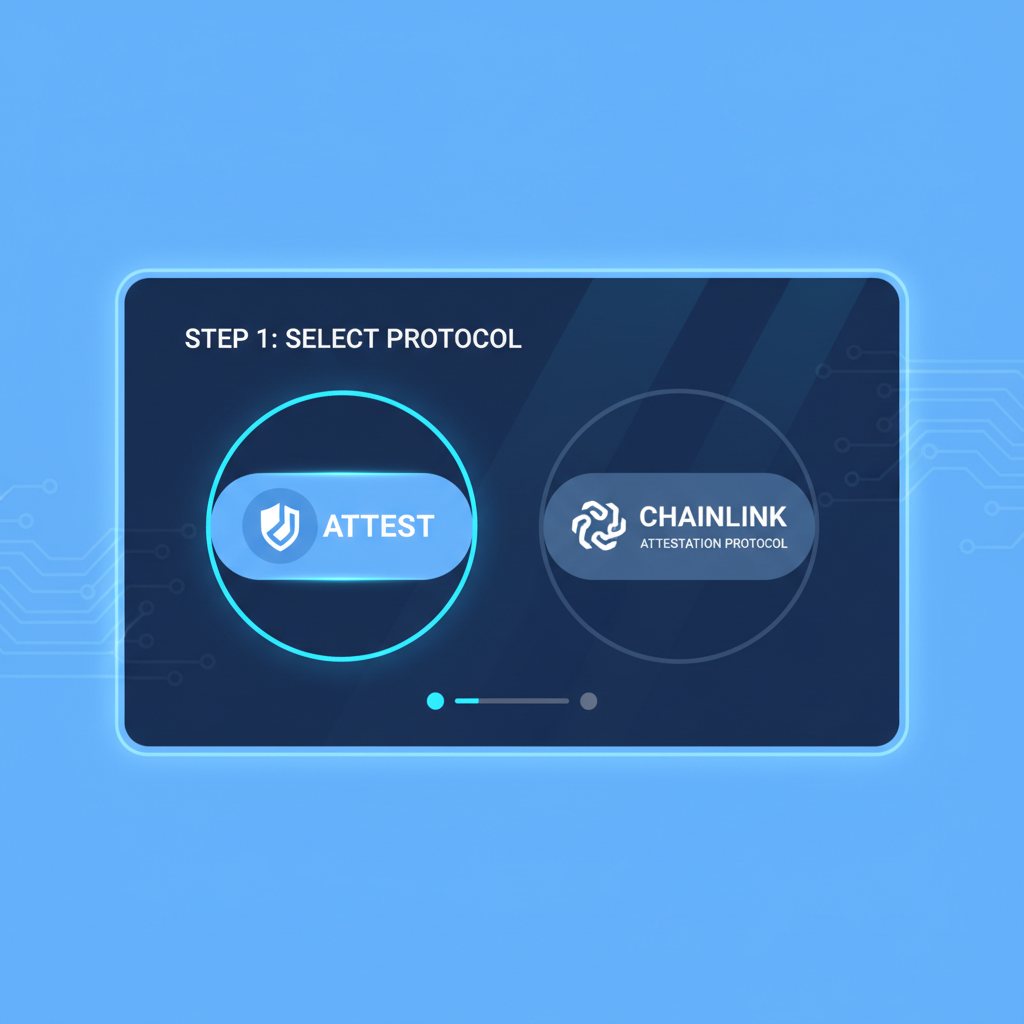
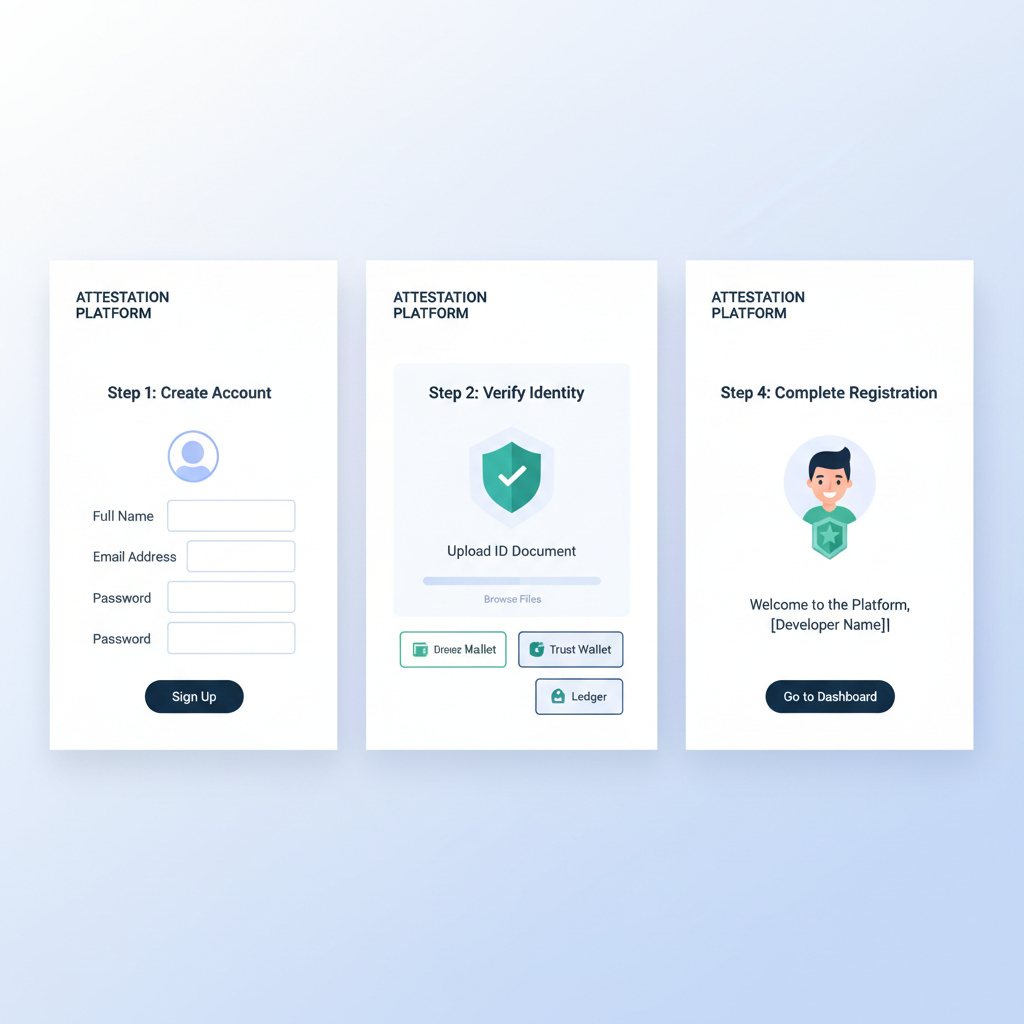
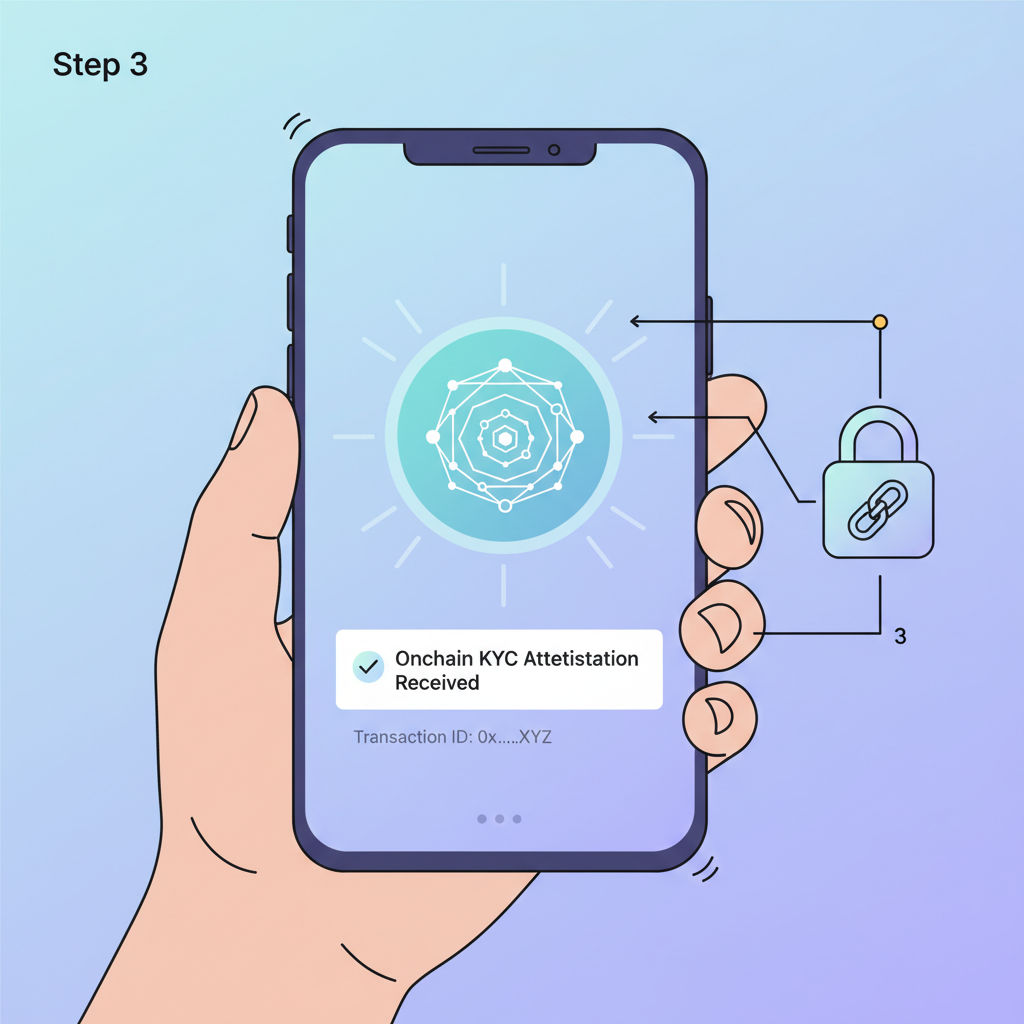
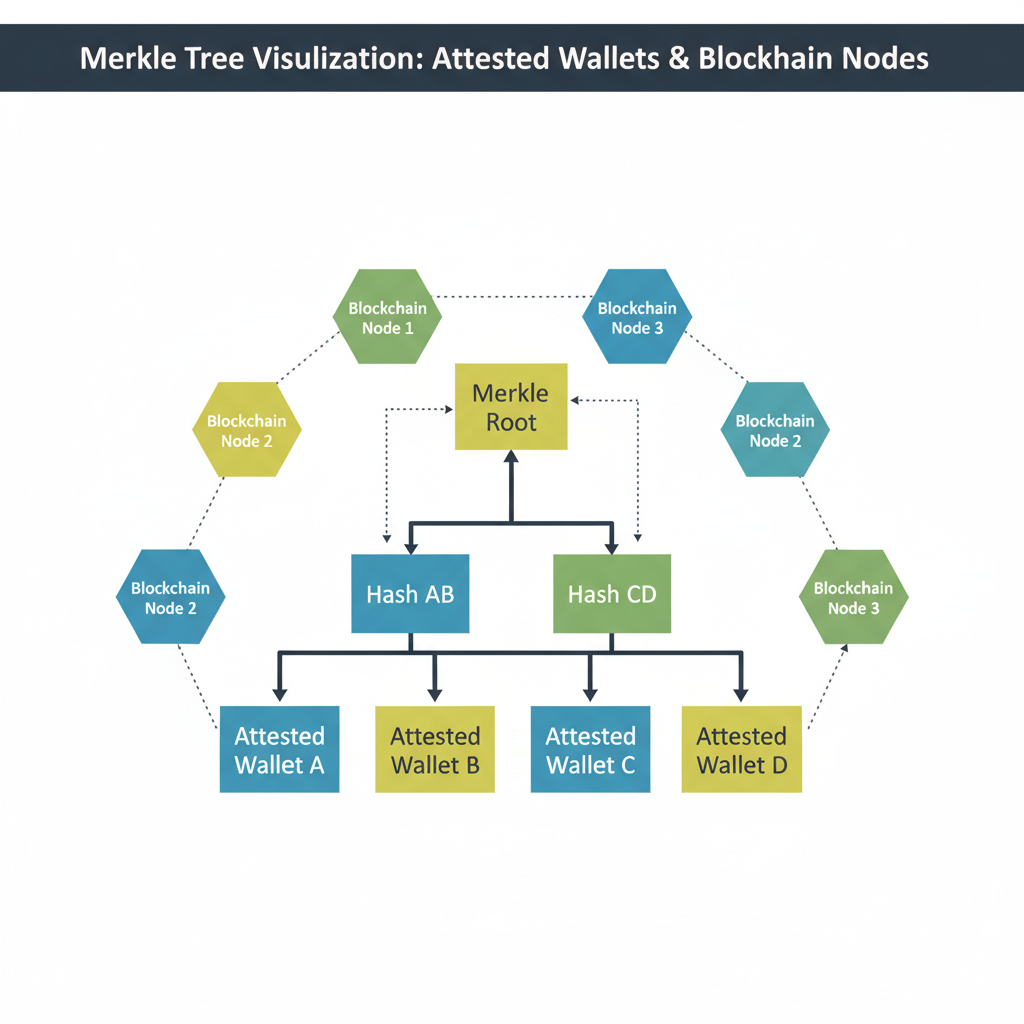

This workflow shines in high-stakes scenarios, such as accredited investor pools for security tokens. Platforms like those using Sign Protocol can attest any data point onchain, from residency to AML status, creating omni-chain compatibility. Cube Exchange's insights on allowlist mechanics align here: Merkle proofs paired with KYC flags eliminate guesswork, slashing fraud risks during distributions.
Balancing Innovation and Regulation in Permissioned DeFi
Permissioned DeFi thrives when privacy onchain KYC meets regulatory demands head-on. arXiv research on privacy-preserving permissioning highlights how zero-knowledge tech enables KYC/AML without central honeypots. Users prove attributes selectively, regulators audit trails transparently, and projects scale without silos. Didit's best practices echo this: AI-native verification complements attestations, but onchain proofs provide the immutable core.
From Binance's take on Web3 identity to Proof's vision of onchain compliance, the trajectory is clear. Repeated KYC fades as reusable attestations take hold, much like how fixed income instruments standardize risk assessment. DeFi managers gain tools to onboard globally while dodging fines, fostering ecosystems where trust emerges organically.
Providers like OnchainKYCe. me fit seamlessly into this landscape, offering interoperable attestations for allowlists and beyond. As adoption grows, expect hybrid models where offchain verifiers feed onchain flags, powering everything from lending to derivatives. Zyphe's regulatory overview reminds us: decentralization doesn't mean dodging rules; it means smarter enforcement.
Ultimately, these innovations reassure participants that DeFi can evolve responsibly. Projects leveraging blockchain identity proofs position themselves for longevity, turning compliance from a chore into a competitive edge. With patience, Web3 builders craft systems where verification empowers rather than encumbers, paving the way for broader institutional inflows.




No comments yet. Be the first to share your thoughts!