

In the bustling DeFi landscape of 2025, where Ethereum hovers at $3,045.33 amid a modest 0.62% daily gain, projects face a pressing challenge: balancing explosive growth with regulatory scrutiny. Allowlists, those gatekept entry points for token sales, airdrops, and exclusive protocols, demand robust onchain KYC attestations to filter verified users. Yet traditional KYC processes chain users to repetitive verifications across chains, stifling adoption. Imagine verifying your identity once and wielding that proof seamlessly from Ethereum to Solana; that’s the promise reshaping KYC for DeFi allowlists.
This shift isn’t hype; it’s necessity. With Uniswap at $5.59 and Aave at $190.14, DeFi’s total value locked surges, but so do compliance pressures. Platforms like OnchainKYCe. me pioneer verifiable KYC credentials blockchain style, keeping sensitive data off-chain while smart contracts validate attestations instantly. As someone who’s managed portfolios blending TradFi equities with crypto, I see this as the bridge we’ve long needed.
The Fragmented Reality of DeFi Allowlists Today
Allowlists aren’t new; they’ve powered NFT drops, exchange listings, and gated communities since Web3’s early days. But in DeFi, they’re double-edged swords. Smart contracts whitelist addresses for access, yet without reliable identity proofs, they risk sybil attacks or regulatory backlash. Cube Exchange notes how these lists operate in wallets and protocols, but risks loom: unverified users slip through, or overzealous checks alienate the pseudonymous crowd.
DeFi’s ethos clashes with KYC’s centralized roots, as Hiro Systems points out. Users prize anonymity, yet laws demand “know your customer. ” Result? Projects run siloed verifications, forcing you to upload passports repeatedly for each dApp. It’s inefficient, privacy-eroding, and a barrier to the unbanked. In 2025, with cross-chain bridges proliferating, this fragmentation costs time and trust.
DeFi KYC feels like fitting a square peg into a round hole, but onchain attestations smooth the edges.
How Onchain Attestations Unlock Reusable Verification
Onchain KYC attestations flip the script. Users complete KYC off-chain with trusted providers, receiving a tamper-proof attestation token on blockchain. Verifiers query these via APIs or contracts, confirming status without exposing details. It’s privacy-preserving KYC onchain, interoperable by design.
Take token sales: instead of bespoke checks, projects integrate attestations for instant allowlist validation. Onchainkyc. me highlights streamlined compliance and cross-platform recognition, cutting costs and friction. I’ve advised teams on this; one DeFi protocol slashed onboarding time by 70% post-integration. For allowlist managers, it’s gold: build secure lists with attested addresses, reusable across ecosystems.
Explore how onchain attestations streamline KYC for DeFi allowlist management

Trailblazing Protocols Driving the 2025 Shift
2025 spotlights innovators like Attest Protocol, with schema-based tools for effortless KYC checks across chains. Developers embed verification in minutes, users carry one identity everywhere. Blockpass’s On-Chain KYC® 2.0 empowers reusable digital identities, privacy intact, as FF News reports. Tokeny’s ONCHAINID hands control to users via self-sovereign setups, while idOS Network pushes portable KYC, echoing self-sovereign principles.
Accreditoken’s non-transferable tokens add layers: prove accredited investor status or proof-of-humanity for premium DeFi access. These aren’t isolated; they interoperate, addressing Web3 identity attestations’ fragmentation. OnchainKYCe. me fits perfectly, issuing attestations for allowlists and sales. As ETH trades at $3,045.33, these tools fuel permissioned DeFi, per Conduit. xyz’s onchain rules vision.
Ethereum (ETH) Price Prediction 2026-2031
Projections based on on-chain KYC attestations enhancing DeFi allowlists, compliance, and cross-chain interoperability
| Year | Minimum Price (USD) | Average Price (USD) | Maximum Price (USD) |
|---|---|---|---|
| 2026 | $2,800 | $4,200 | $6,500 |
| 2027 | $3,500 | $5,800 | $9,000 |
| 2028 | $4,200 | $7,500 | $12,000 |
| 2029 | $5,000 | $9,500 | $15,000 |
| 2030 | $6,000 | $12,000 | $20,000 |
| 2031 | $7,500 | $15,000 | $25,000 |
Price Prediction Summary
Ethereum (ETH) is forecasted to experience robust growth from 2026 to 2031, starting from its current $3,045 baseline in late 2025. Driven by DeFi KYC adoption trends, min prices reflect bearish corrections amid market cycles, averages indicate steady adoption-led appreciation (up to 5x by 2031), and max prices capture bullish surges from regulatory clarity and tech upgrades, potentially hitting $25,000.
Key Factors Affecting Ethereum Price
- Widespread on-chain KYC attestations (e.g., Attest Protocol, Blockpass On-Chain KYC 2.0) streamlining DeFi onboarding and allowlists
- Enhanced regulatory compliance attracting institutional capital to ETH-dominated DeFi ecosystems
- Cross-chain interoperability reducing fragmentation and boosting ETH utility
- Layer 2 scaling and EIP improvements supporting higher TVL and transaction volumes
- Macro market cycles, Bitcoin halving effects, and competition from Solana/L2s influencing volatility
Disclaimer: Cryptocurrency price predictions are speculative and based on current market analysis.
Actual prices may vary significantly due to market volatility, regulatory changes, and other factors.
Always do your own research before making investment decisions.
Opinion: This ecosystem matures TradFi compliance for DeFi without sacrificing decentralization. Projects ignoring it risk obsolescence; adopters gain loyal, verified users. Next, we’ll dive into implementation strategies.
Integrating these tools starts with choosing a provider like OnchainKYCe. me, where projects issue attestations via simple APIs. Developers define schemas for attributes such as residency or accreditation, then gate smart contracts to check holder status. For instance, a Uniswap fork at $5.59 could whitelist Aave-eligible users verified at $190.14 protocols without custom oracles.
Step-by-Step Integration Roadmap
I’ve guided several teams through this, and the process boils down to a few thoughtful steps. First, partner with an attestation issuer for off-chain KYC. Users submit docs once, get an onchain soulbound token. Second, embed verification in your contract: use libraries from Attest Protocol for cross-chain queries. Third, build dynamic allowlists that auto-update as attestations expire or renew. Tools like Blockpass handle AML flags too, ensuring Web3 identity attestations stay compliant.
Key Benefits of Onchain KYC
-
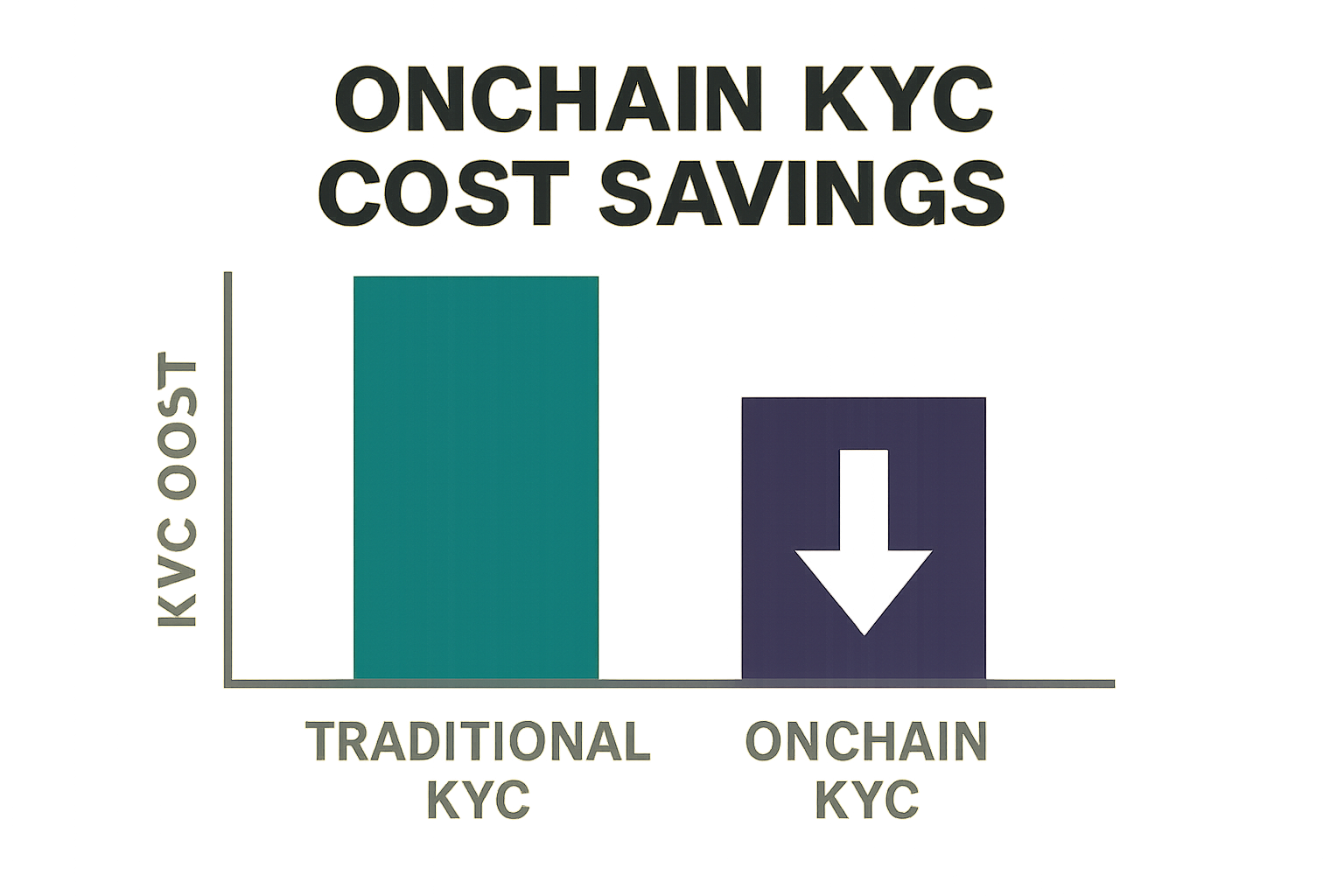
Cost Savings: Eliminate redundant KYC processes with reusable attestations, slashing compliance costs for DeFi projects and users, as seen in Blockpass’s cost-effective solutions.
-
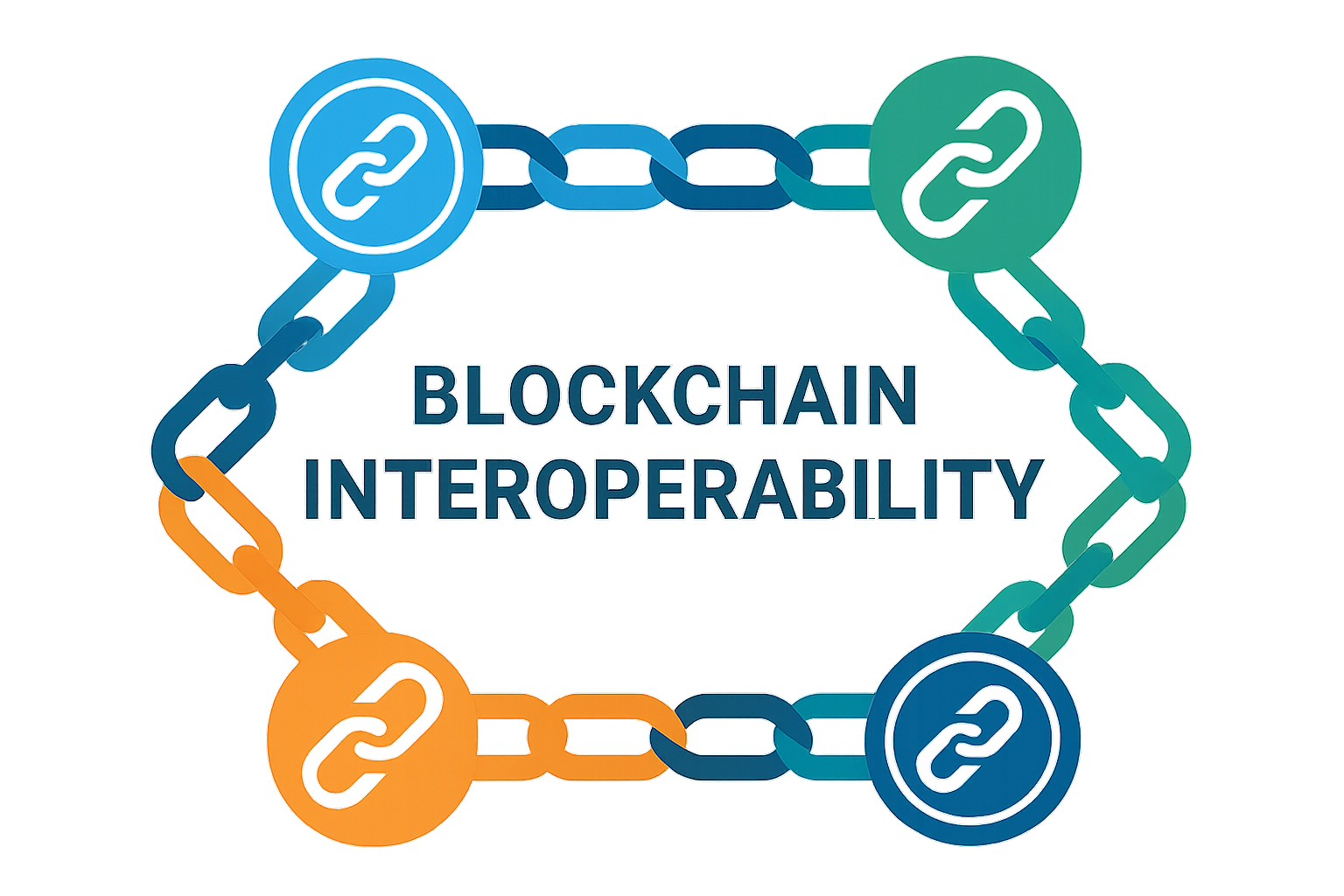
Cross-Chain Interoperability: Verify once and reuse across chains and dApps via protocols like Attest, enabling seamless access to multiple DeFi platforms.
-

Privacy Protection: Keep sensitive data off-chain while smart contracts instantly validate attestations, balancing compliance and user anonymity.
-
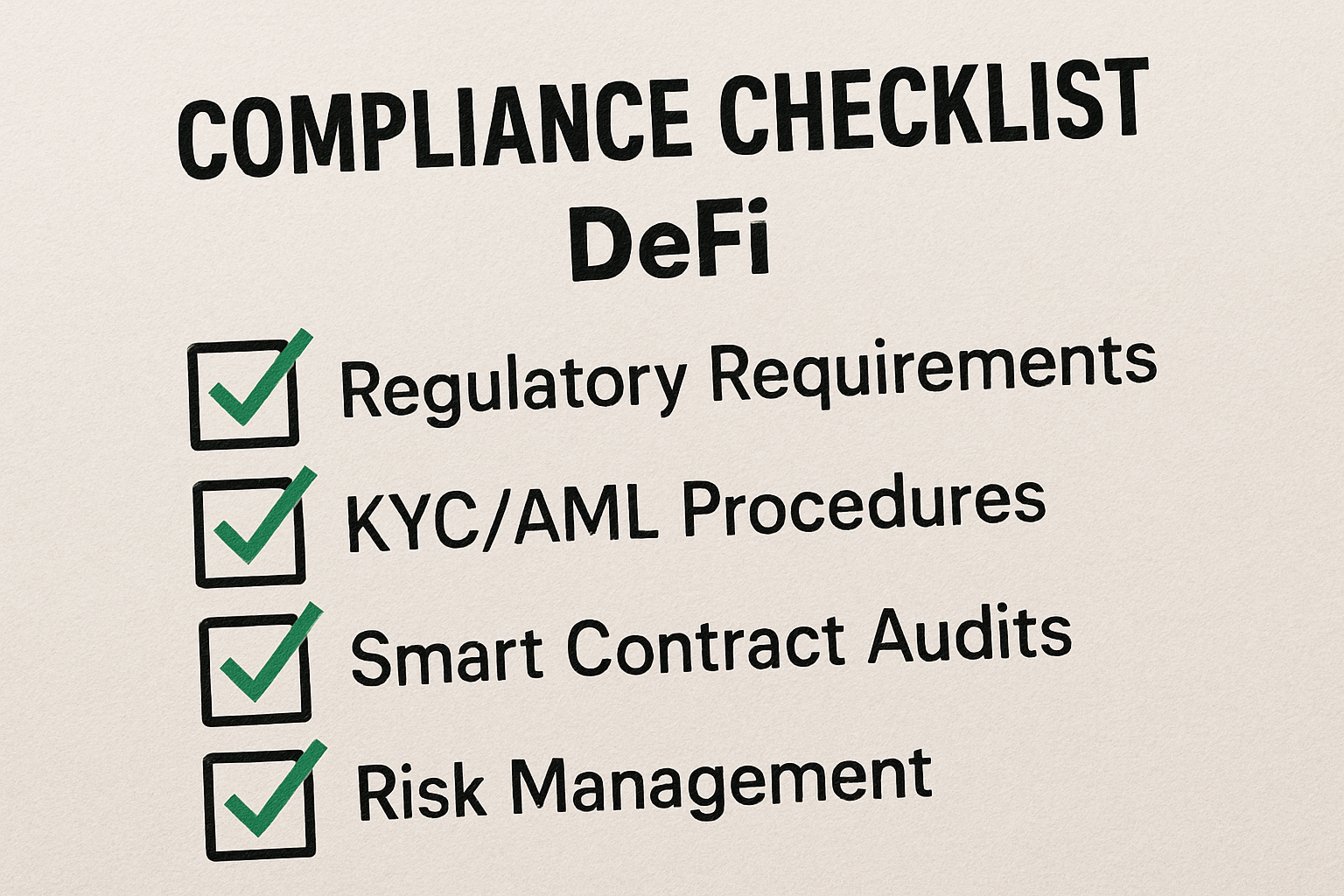
Streamlined Compliance: Provide standardized, verifiable KYC proofs for regulators, simplifying oversight without centralized databases.
-
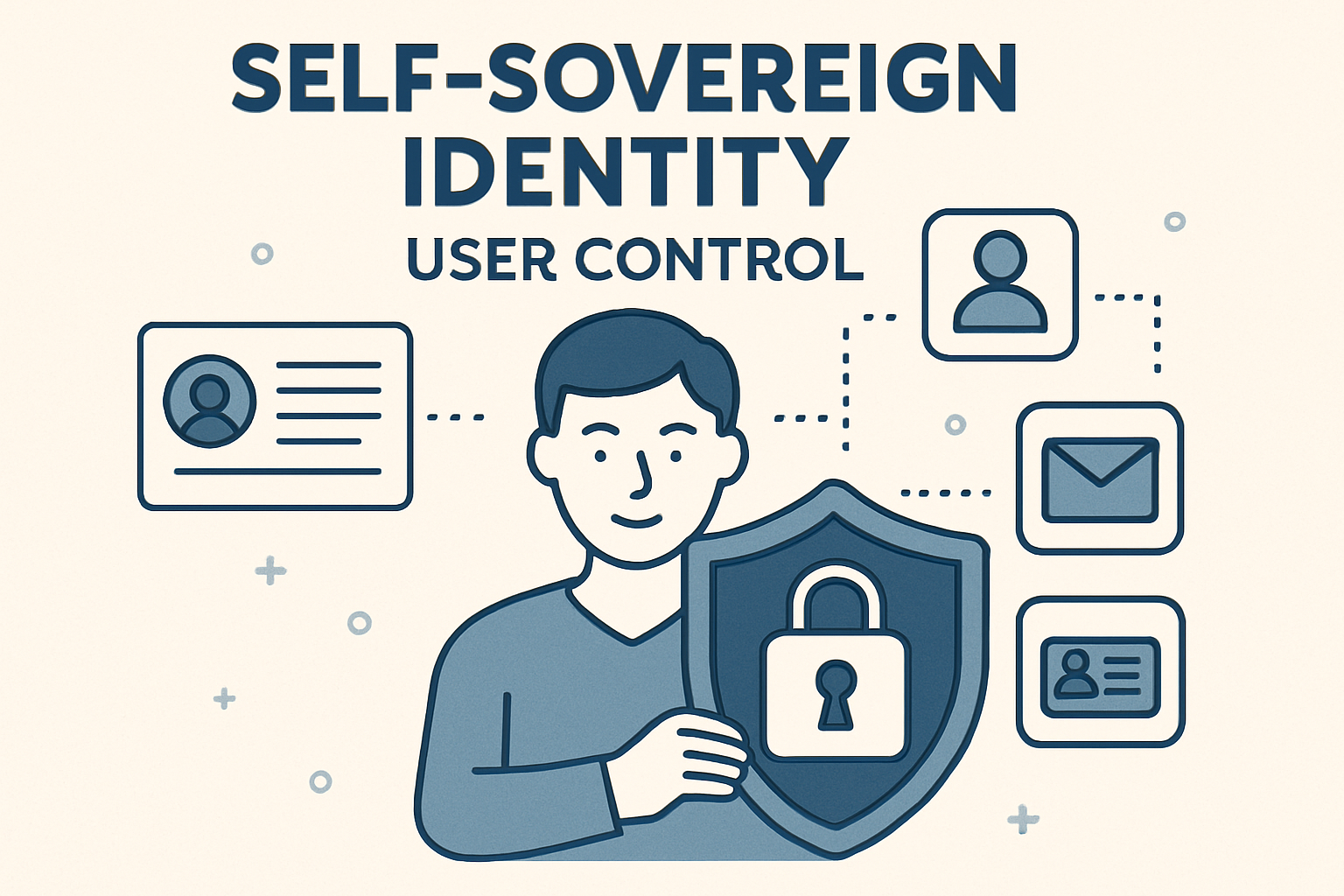
User Empowerment: Self-sovereign identities via ONCHAINID let users control and reuse credentials, boosting financial inclusion.
This isn’t theoretical. Permissioned DeFi thrives on such granularity, as chain operators layer rules for KYC-gated liquidity pools. Costs plummet: traditional KYC runs $10-50 per user; attestations drop to pennies via batching. Users reuse proofs, slashing drop-off rates that plague onboarding.
Real-World Wins and Hurdles
Consider a 2025 token sale: project integrates ONCHAINID, verifies 10,000 addresses in hours versus weeks. idOS Network’s portable KYC shines for multi-chain users, while Accreditoken nails investor tiers. Yet challenges persist. Oracle reliance can introduce centralization risks, and not all chains support EIP-4361 standards yet. Privacy zealots decry any onchain trace, though zero-knowledge proofs mitigate this.
Solutions? Hybrid models: ZK-attestations prove attributes without revealing them. I’ve seen protocols blend these with onchainKYCe. me for robust verifiable KYC credentials blockchain setups. Regulatory flux adds caution; MiCA in Europe favors reusable creds, but U. S. clarity lags. Still, as ETH holds $3,045.33, forward-thinkers adapt.
Comparison of Top Onchain KYC Protocols
| Protocol | Key Features | Chains Supported | Privacy Level | Cost Efficiency |
|---|---|---|---|---|
| Attest Protocol | Schema-based attestations, minimal code for KYC verification, cross-chain interoperability | Multi-chain (cross-chain) | High 🔒 (sensitive details off-chain) | High (streamlined, reusable identities) |
| Blockpass On-Chain KYC® 2.0 | Verifiable reusable attestations, KYC/KYB/AML compliance, privacy-preserving | Multi-chain (Web3 blockchains) | High 🔒 (personal data off-chain) | High (cost-effective suite) |
| ONCHAINID | Self-sovereign identities, certified data reuse, user control over info | Ethereum & EVM-compatible | High 🔒 (self-sovereign) | High (reduces redundant KYC) |
| idOS Network | Portable KYC, one-time verification reusable across ecosystems, SSI principles | Multiple ecosystems (cross-chain) | High 🔒 (decentralized user control) | High (eliminates repeated processes) |
| Accreditoken | Non-transferable tokens (NTTs) for credentials (e.g., accredited investor, proof of humanity) | DeFi platforms (multi-chain) | High 🔒 (verifiable credentials) | High (seamless, no re-verification) |
See how onchain attestations simplify KYC for DeFi allowlists
For allowlist managers, the payoff is control. Curate lists from attested pools, revoke via expiry, and audit transparently. DeFi projects gain trust signals that attract institutions eyeing Aave yields at $190.14. Users? One verification unlocks ecosystems, echoing self-sovereign ideals without full anarchy.
Navigating Common Questions
Looking ahead, 2025’s momentum points to ubiquity. With DeFi TVL climbing alongside ETH’s steady $3,045.33, privacy preserving KYC onchain becomes table stakes. Projects blending this with AI-driven fraud detection will lead. As a portfolio manager, I allocate to those prioritizing verifiable access; the rest chase shadows. Users, claim your attestations early, wield them widely, and watch barriers dissolve.
About the Author