
As decentralized applications (dApps) mature and regulatory frameworks tighten, the need for robust identity verification is undeniable. Yet, integrating Know Your Customer (KYC) credentials into dApp allowlists without sacrificing user privacy remains a nuanced challenge. The latest innovations in onchain attestations for allowlists are reshaping this landscape, offering both compliance and user sovereignty, two priorities that have historically been at odds.
Why dApp KYC Integration Is No Longer Optional
With Ethereum trading at $4,478.25, the DeFi and Web3 sectors are navigating unprecedented growth and scrutiny. Platforms hosting token sales, gated communities, or regulated financial instruments must ensure that only eligible users participate. Traditional KYC processes, centralized, opaque, and prone to data leaks, are fundamentally misaligned with the ethos of decentralization.
This friction is fueling demand for decentralized identity verification solutions that can be embedded directly into allowlists. By leveraging onchain attestations for allowlists, projects can meet compliance obligations while preserving user autonomy over sensitive data.
How Onchain Attestations Transform Allowlist Management
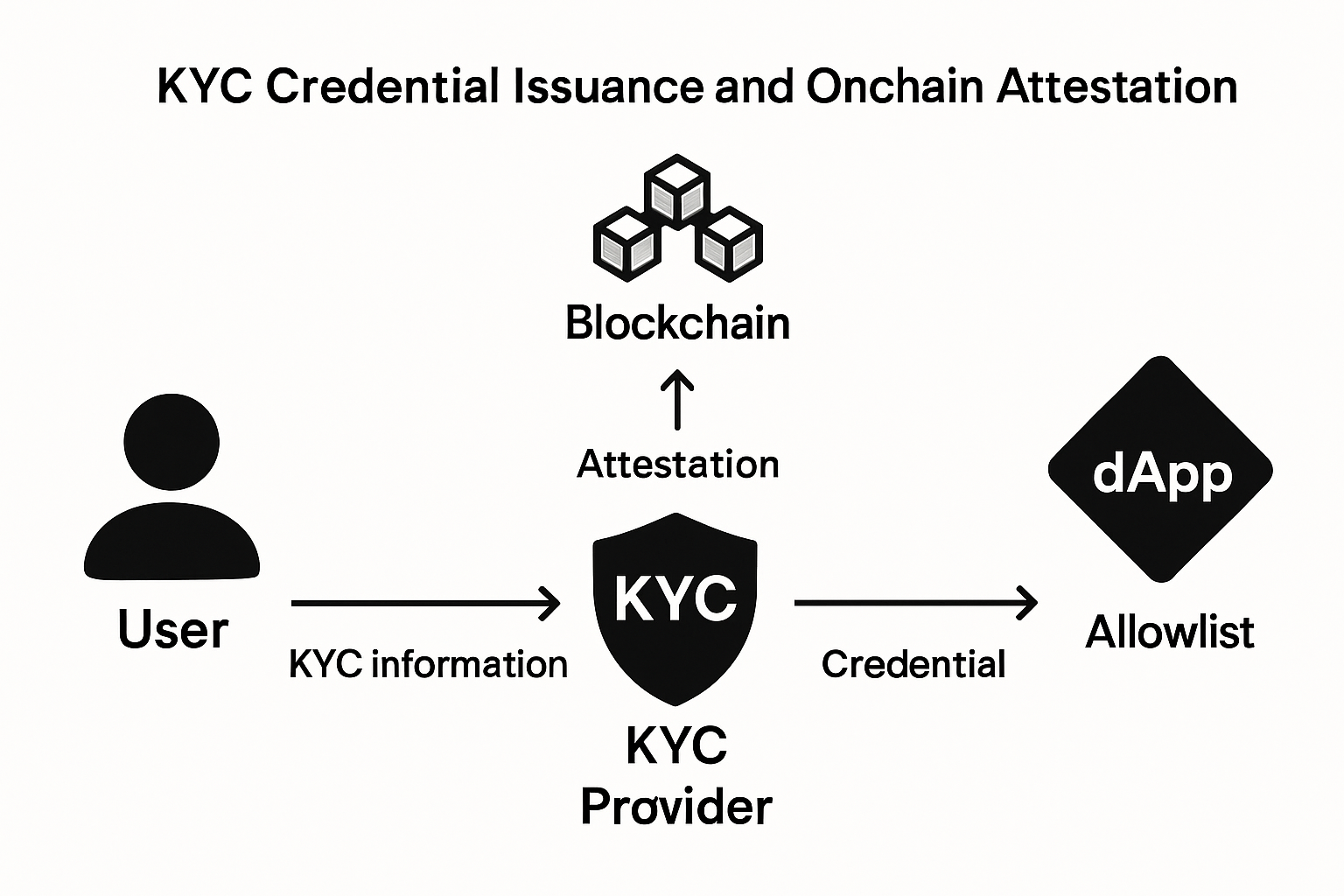
The core idea is simple yet powerful: instead of storing raw KYC data on-chain (a privacy risk), dApps accept cryptographically verifiable attestations as proof of eligibility. These attestations can confirm that a wallet address has passed KYC checks without exposing any underlying personal information.
Recent advancements illustrate this approach in action:
Key Benefits of Onchain KYC Attestations in dApp Allowlists
- Enhanced Regulatory Compliance: Onchain KYC attestations, such as those enabled by Blockpass On-Chain KYC® 2.0, allow decentralized applications to meet regulatory requirements without compromising decentralization. This ensures that only verified users can access restricted services, reducing legal risks for dApp operators.
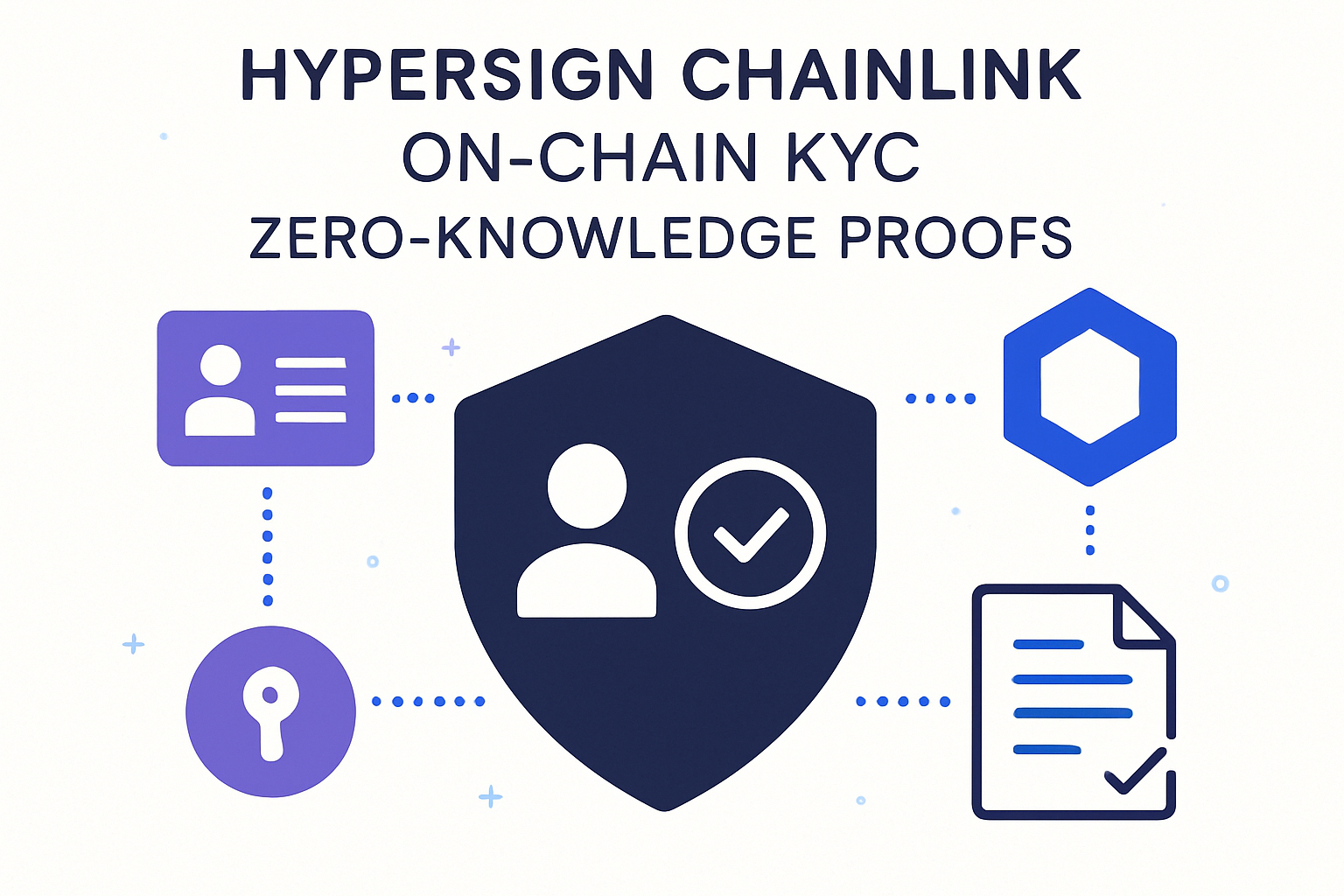
- User Privacy Preservation: Solutions like Hypersign and Chainlink's on-chain KYC leverage zero-knowledge proofs and verifiable credentials, allowing users to prove their eligibility without exposing sensitive personal data on the blockchain.
- Reusability Across Ecosystems: Onchain attestations are reusable, meaning users can verify their identity once and access multiple dApps without repeating the KYC process. Platforms like Solana Attestation Service (SAS) and PrivadoID on Lumia Chain enable this seamless, cross-application verification.
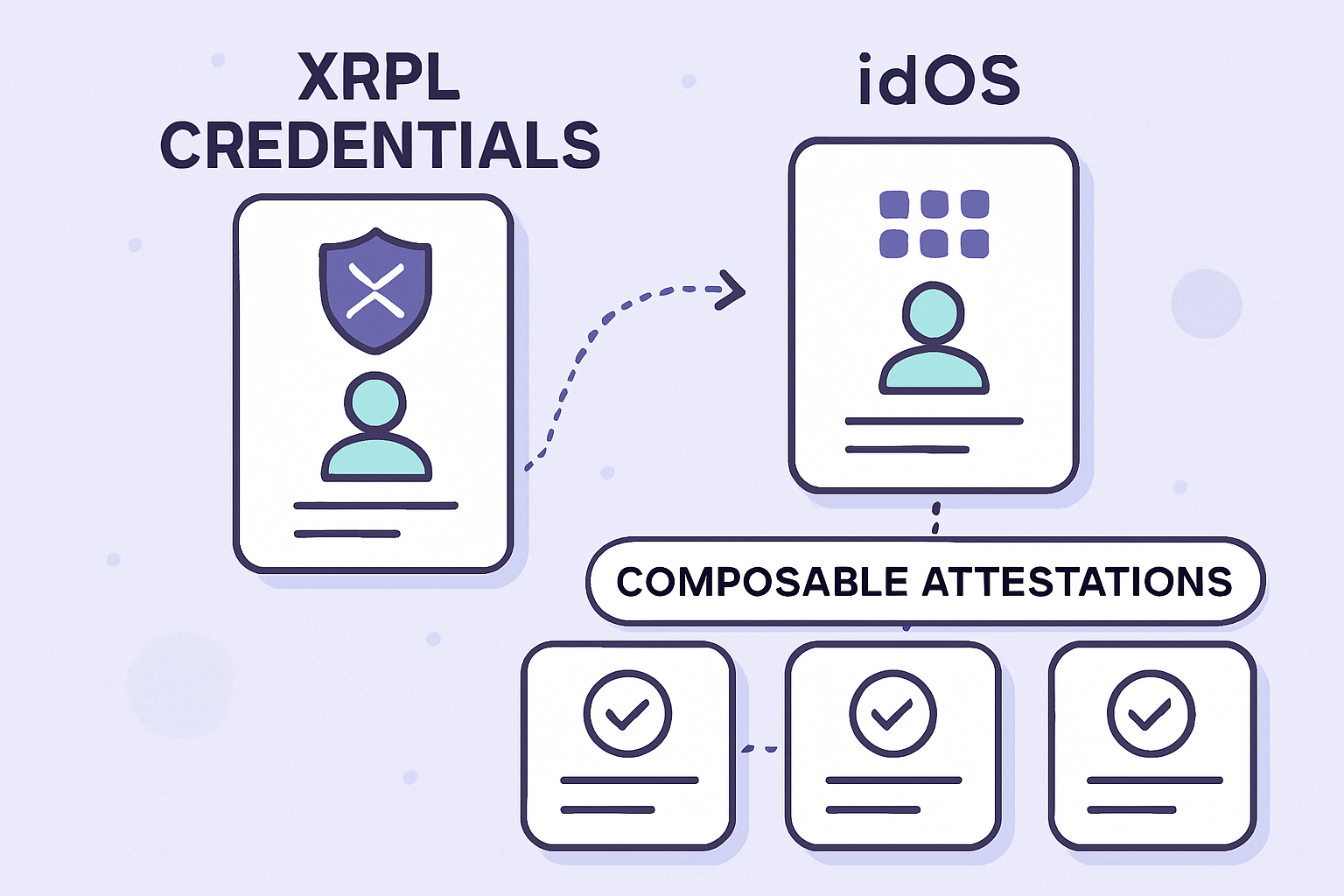
- Composability and Interoperability: Standards for onchain attestations, as highlighted by XRPL Credentials and idOS, enable wallets and dApps to present compact proofs of eligibility. This composability fosters a more interconnected and efficient decentralized ecosystem.
- Security and Immutability: Storing KYC attestations on established blockchains, such as Ethereum and Solana, ensures that identity proofs are tamper-resistant and auditable, leveraging the security and transparency of blockchain technology.
- Selective Disclosure and User Control: Decentralized identity solutions like PrivadoID Passports empower users to selectively disclose only the necessary information to dApps, maintaining control over their digital identity and minimizing unnecessary data exposure.
For example, platforms like Hypersign and Chainlink are pioneering systems where Decentralized Identifiers (DIDs), verifiable credentials, and zero-knowledge proofs (ZKPs) work together to authenticate users discreetly. Similarly, Lumia Chain’s integration with PrivadoID enables users to selectively disclose only what’s necessary to access a given dApp, nothing more.
The Technical Backbone: NFTs, ZKPs and Composable Credentials
Open-source projects are accelerating adoption by providing reusable building blocks for dApp developers. One notable proof-of-concept uses Non-Fungible Tokens (NFTs) as portable proof of identity; here, a KYC provider mints an NFT containing an attestation that can be referenced across multiple platforms (see project details). This composability means once a user is verified by one provider, they can seamlessly participate in any ecosystem that recognizes the attestation standard.
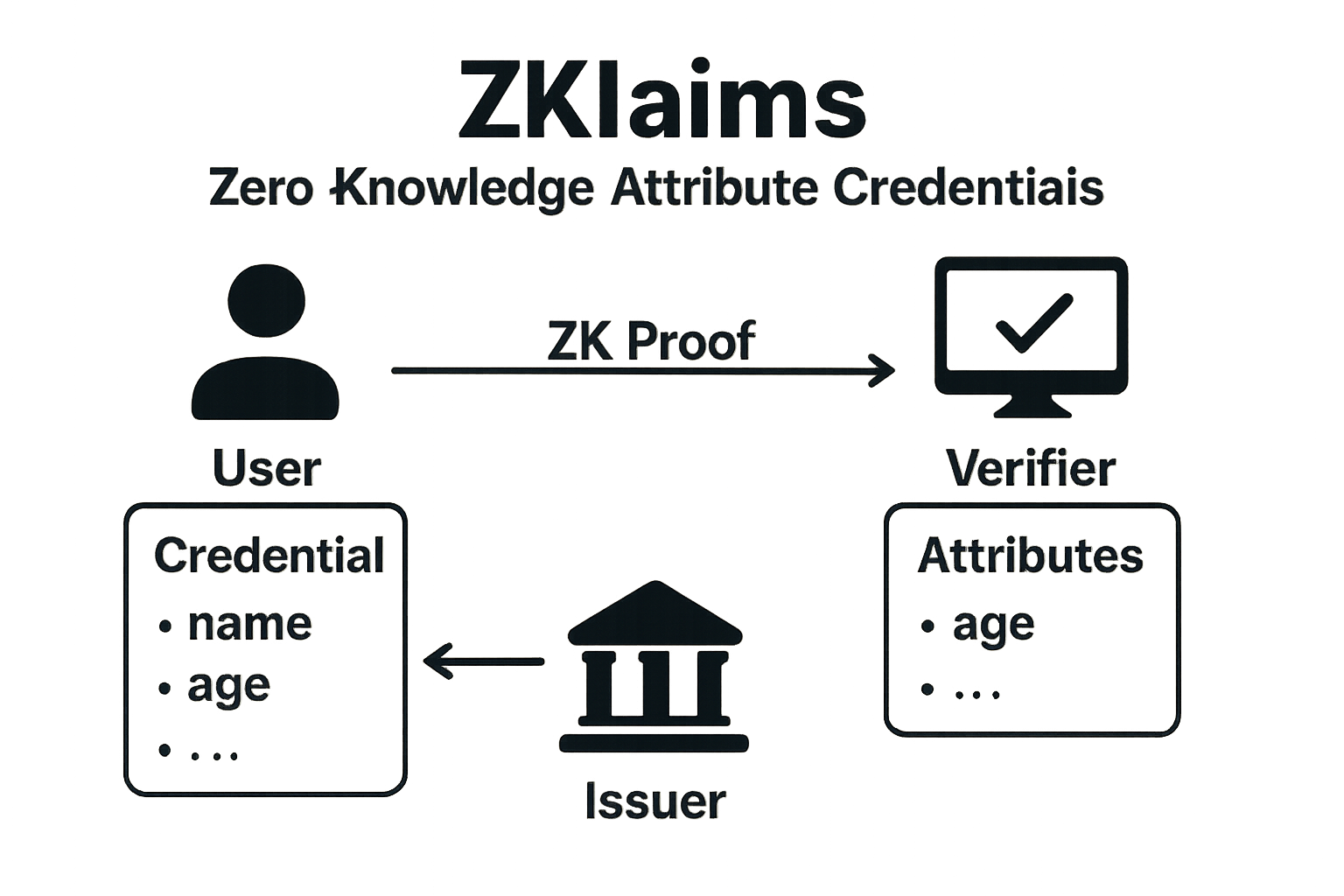
The academic community is also advancing this field with privacy-preserving protocols such as non-interactive zero-knowledge proofs (NIZKs). For instance, the ZKlaims paper details how users can prove attributes about their identity, like age or residency, without revealing any additional information to the verifier.
Decentralized Compliance Without Compromise
This new paradigm enables organizations to manage KYC credential management efficiently while giving end-users granular control over their data footprint. As standards evolve and interoperability improves across chains like Solana and Ethereum, we’re moving toward a world where compliance no longer requires compromise, and where digital identity becomes an asset rather than a liability.
Industry leaders are rapidly embracing these privacy-first, onchain solutions for allowlist management. The shift is not just technical but also cultural: users now expect transparency and control, while regulators demand provable compliance. This dual mandate has spurred the creation of frameworks that support both selective disclosure and composability, ensuring that KYC credentials can be reused across multiple decentralized platforms without repetitive onboarding.
Projects like Blockpass are at the forefront with On-Chain KYC® 2.0, allowing businesses to issue reusable, verifiable digital identities directly to user wallets. These credentials can be leveraged on or off blockchain, streamlining access to token sales or exclusive DeFi protocols. Similarly, Solana’s Attestation Service exemplifies how verified credentials, such as KYC data, can be stored as attestations and shared only when users choose, further reducing friction in onboarding and participation.
Best Practices for dApp Teams Implementing Onchain KYC
For dApp developers and allowlist managers considering dApp KYC integration, several best practices ensure both security and scalability:
Best Practices for Onchain KYC Attestation Integration
- Leverage Decentralized Identity Protocols: Utilize established decentralized identity solutions like Hypersign and PrivadoID to manage KYC credentials. These platforms employ Decentralized Identifiers (DIDs) and verifiable credentials to authenticate users securely, while enabling selective disclosure of information.
- Implement Zero-Knowledge Proofs (ZKPs): Integrate zero-knowledge proof techniques, as demonstrated by Hypersign x Chainlink and PrivadoID, to verify user eligibility without exposing sensitive personal data. This approach ensures privacy and regulatory compliance simultaneously.
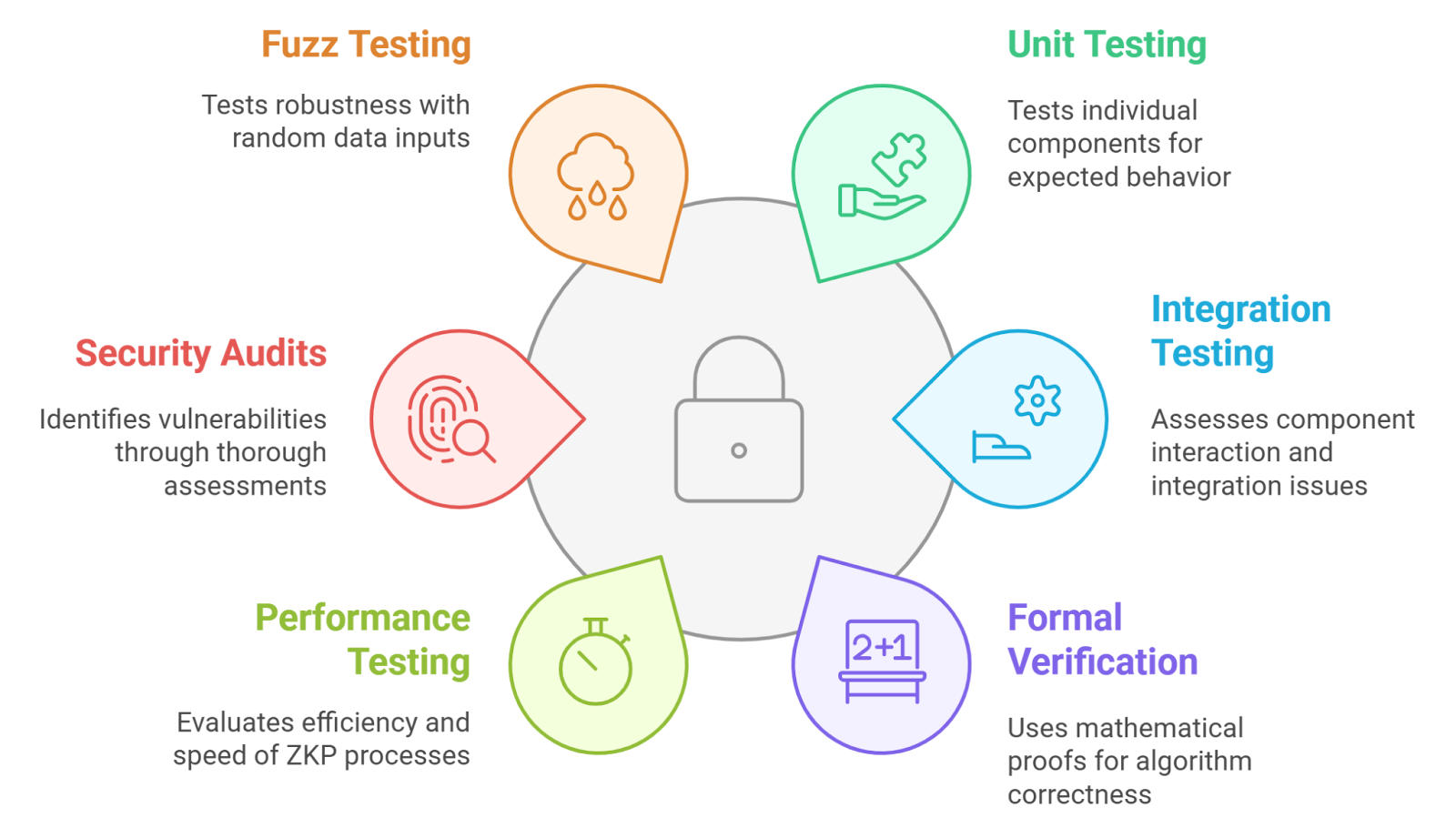
- Adopt Onchain Attestation Standards: Use onchain attestation frameworks such as Solana Attestation Service (SAS) and Blockpass On-Chain KYC® 2.0 to issue, verify, and reuse KYC credentials across dApps. This enhances interoperability and user experience.
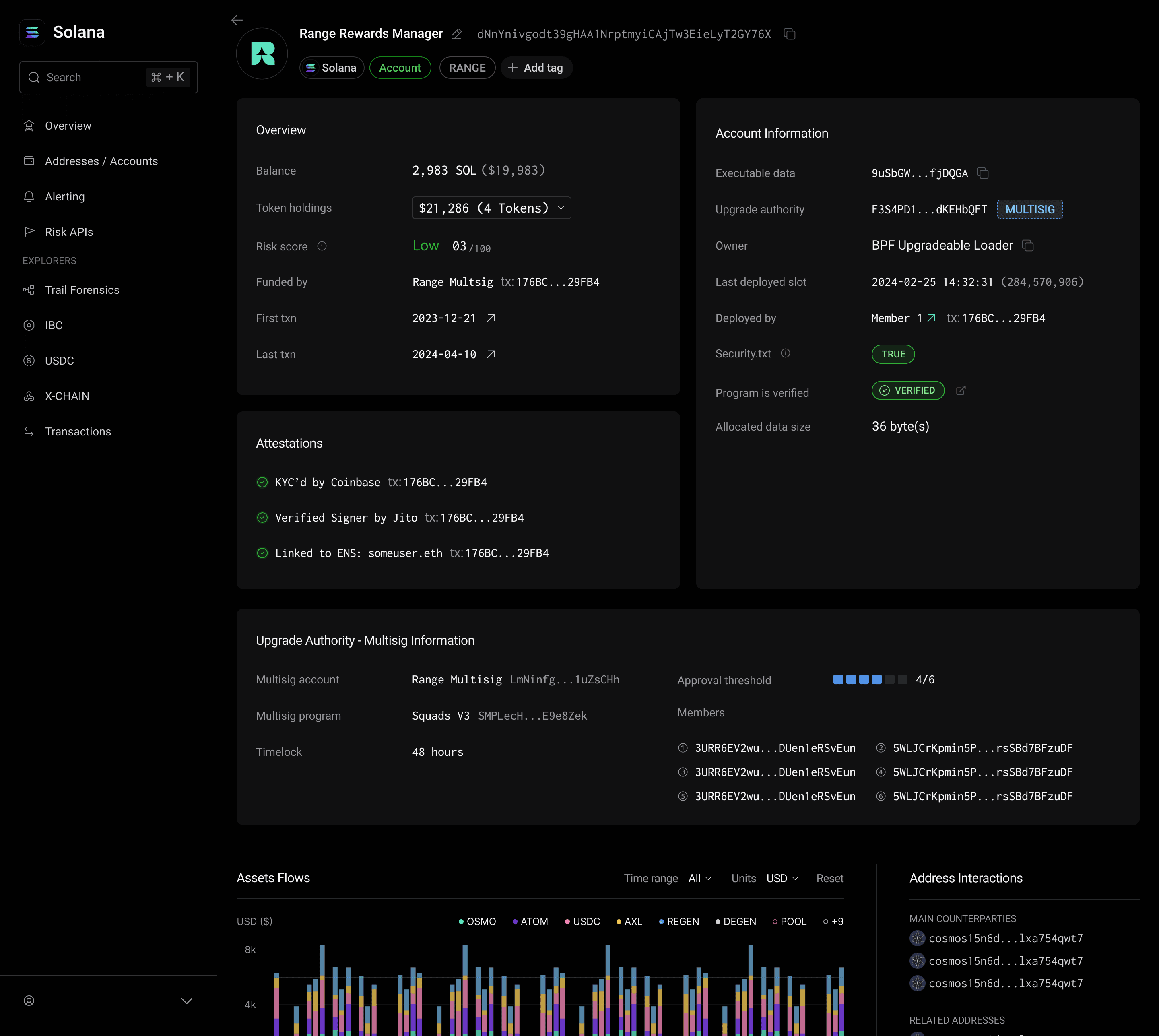
- Utilize NFT-Based KYC Credentials: Explore open-source implementations like the decentralized KYC PoC on GitHub, which leverages NFTs as proof of verified identity. This method allows users to control and port their KYC status across multiple platforms.
- Incorporate Privacy-Preserving Attribute Credentials: Reference academic frameworks such as ZKlaims, which use non-interactive zero-knowledge proofs for privacy-preserving, attribute-based credentials. This enables users to prove eligibility without revealing full identity details.
1. Prioritize Interoperability: Use open standards for attestations so credentials can be recognized across different chains and protocols.
2. Employ Zero-Knowledge Proofs: Implement ZKPs or similar cryptographic techniques to validate eligibility without exposing sensitive data.
3. Maintain Upgradability: Design credential management systems with modularity in mind to adapt as regulatory requirements evolve.
4. Respect User Autonomy: Ensure users retain control over what information is disclosed, and to whom, at every step.
The result is a more inclusive ecosystem where compliance hurdles do not exclude legitimate participants nor compromise their privacy. As Ethereum remains at $4,478.25, the stakes for secure and efficient onboarding have never been higher.
Looking Ahead: The Future of Onchain Identity Attestations
The momentum behind decentralized identity verification is undeniable. With ongoing research into privacy-preserving technologies and increased collaboration between industry stakeholders, we are seeing the emergence of robust infrastructure for digital identity in Web3. As standards mature, such as those outlined by projects like Hypersign, Lumia Chain, and Solana’s SAS, the friction between compliance and decentralization will continue to fade.
This evolution empowers both users and organizations: individuals gain sovereignty over their credentials while platforms reduce risk and operational overhead. Ultimately, onchain attestations for allowlists represent a foundational layer in the next era of permissioned yet privacy-respecting decentralized applications.




No comments yet. Be the first to share your thoughts!