Onchain kyc 2026 limits to account for
The 2026 regulatory landscape treats onchain KYC not as a optional feature, but as a structural requirement for DeFi and institutional participation. The core challenge is no longer just verifying identity; it is doing so without exposing sensitive personal data to public blockchains. Traditional KYC relies on centralized databases that are prime targets for breaches. Onchain KYC shifts this model by using zero-knowledge proofs and verifiable credentials, allowing users to prove they are compliant without revealing their actual identity on-chain.
This approach addresses the "Is Onchain data public?" question directly. While transaction hashes are visible to everyone, the identity data attached to them can be encrypted or hashed. Services like Blockpass and Chainlink CCIP enable this by issuing attestations that smart contracts can validate. A smart contract can check if a wallet has passed a specific KYC tier without ever seeing the user's passport or address history. This preserves privacy while satisfying legal requirements.
For 2026, the constraint is interoperability. A KYC credential issued on one chain must be recognized across others. The solution lies in standardized, oracle-backed identity layers that bridge this gap. This allows protocols to enforce compliance rules automatically, reducing the friction of manual reviews. As regulations tighten, the ability to seamlessly transfer verified identity status across ecosystems will determine which platforms survive.
Onchain kyc 2026 choices that change the plan
Choosing an onchain KYC solution in 2026 requires balancing regulatory compliance with user experience. While the technology promises automation, the implementation details vary significantly between providers. You must evaluate how each solution handles data privacy, integration complexity, and ongoing monitoring requirements.
The core tension lies in storing verification results on-chain without exposing sensitive personal data. Solutions differ in whether they use zero-knowledge proofs, oracle-based attestations, or permissioned sidechains. These architectural choices impact latency, cost, and legal liability.
Verification Architecture and Data Storage
The method used to store identity proofs determines long-term compliance and user trust. Some platforms use centralized oracles to validate attestations, while others rely on decentralized identity standards. This choice affects how easily you can integrate with existing Web2 compliance tools.
| Feature | Oracle-Based Attestation | Zero-Knowledge Proof | Permissioned Token |
|---|---|---|---|
| Privacy Level | Medium (Verifiable without raw data) | High (Mathematical proof only) | Low (Issuer controls access) |
| Integration Complexity | Low (Standard API) | High (Custom smart contract logic) | Medium (Requires issuer wallet) |
| Regulatory Acceptance | High (Clear audit trail) | Evolving (Jurisdiction-dependent) | High (Traditional legal framework) |
| User Friction | Low (One-time verification) | Medium (Wallet interaction) | High (Token transfer required) |
Integration and Maintenance Costs
Initial setup costs are only part of the equation. Ongoing maintenance includes API fees for real-time screening, gas costs for on-chain updates, and customer support for failed verifications. Oracle-based solutions typically offer lower maintenance overhead but may require third-party trust.
ZK-proof systems offer superior privacy but demand significant engineering resources to implement and maintain. Permissioned tokens shift liability to the issuer, which can be advantageous for regulated entities but limits interoperability across different platforms.
Market Context
The regulatory landscape for digital assets continues to evolve. Understanding the current market performance of major compliance platforms can provide insight into their stability and adoption rates. Below is a technical chart for a relevant asset to track market sentiment.
Key Takeaway
When selecting an onchain KYC provider, prioritize solutions that align with your specific regulatory jurisdiction and technical capabilities. Oracle-based attestations offer the easiest path to market, while ZK-proofs provide the strongest privacy guarantees for privacy-focused applications.
Choose the right onchain KYC solution
The 2026 regulatory landscape demands more than basic identity checks. Compliance teams need to evaluate whether a solution handles the full lifecycle—from initial verification to ongoing transaction monitoring—within a single framework. Choosing the wrong architecture creates bottlenecks that slow down user onboarding and increase operational costs.
When comparing providers, prioritize those that offer verifiable credentials rather than simple database lookups. The best systems allow users to prove compliance without repeatedly uploading sensitive documents. This approach reduces friction for legitimate users while giving auditors a clear, immutable trail of verification events.

Ensure the provider allows users to control their identity data. Solutions that store sensitive PII on centralized servers create single points of failure. Look for systems that issue verifiable credentials, allowing users to share only the necessary proof of compliance without exposing their entire identity history.
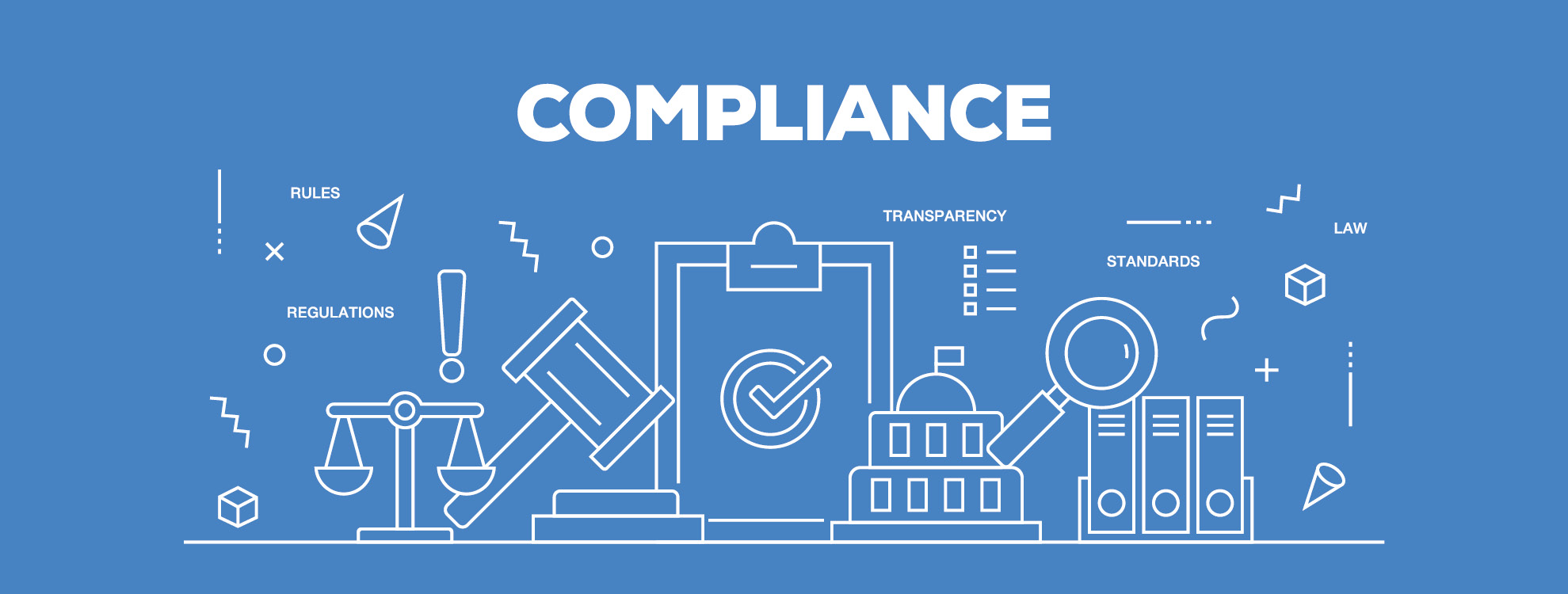
Onchain KYC relies on oracles to bridge offchain identity data with onchain smart contracts. Verify that the provider uses reputable, decentralized oracle networks like Chainlink to ensure data integrity. If the oracle layer is compromised, the entire verification process becomes unreliable, regardless of the underlying identity data.
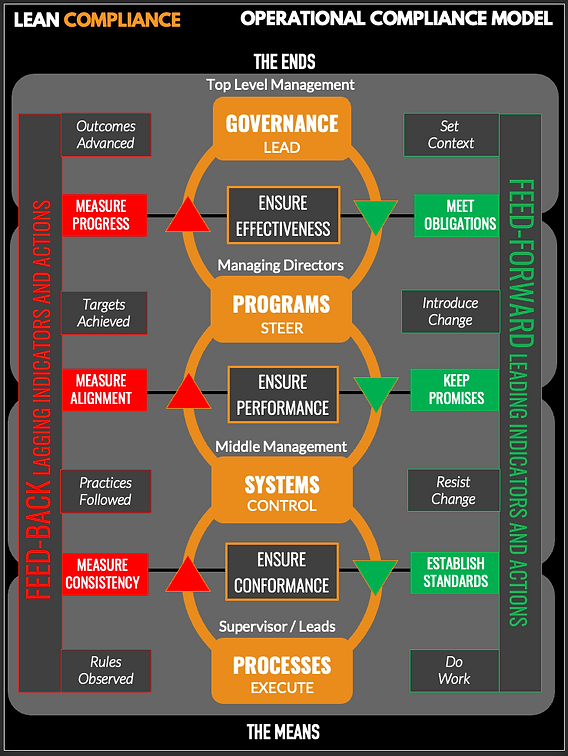
Regulatory compliance is not confined to a single blockchain. Choose a solution that issues attestations usable across multiple networks. This flexibility ensures that your compliance framework remains effective as users move assets between Ethereum, Solana, or other chains, preventing regulatory gaps.
Spotting Weak OnChain KYC Options
Many vendors market "AI-driven" solutions that simply digitize existing PDF uploads. This creates a false sense of compliance. If the verification data remains siloed in a central database, the system is not truly onchain. It just adds a slow, expensive layer to your stack.
True onchain KYC uses zero-knowledge proofs or decentralized identifiers (DIDs). These tools let users prove they passed a check without revealing their actual identity or sensitive documents. This distinction is critical for 2026 regulations that demand both privacy and auditability.
Beware of platforms claiming full automation without oracle integration. Without a trusted data source like Chainlink, the smart contract cannot reliably verify the attestations. This gap leaves your platform exposed to regulatory fines and fraudulent accounts. Always verify the oracle layer before signing contracts.
Onchain kyc 2026: practical: what to check next
Before integrating onchain identity, teams need clarity on how verification interacts with public ledgers and existing regulatory frameworks. The following answers address the most common operational questions for compliance officers and developers.
No comments yet. Be the first to share your thoughts!