
Onchain kyc limits to account for
Onchain KYC is the process of verifying user identity for blockchain applications using smart contracts and oracles. It enables institutions to meet regulatory standards like AML/CFT while preserving user privacy through cryptographic proofs rather than raw data sharing Chainlink.
Unlike traditional KYC, which stores personal data in centralized databases, onchain KYC issues verifiable credentials on the blockchain. This approach allows users to prove their identity without exposing sensitive information to every service they interact with. Platforms like Blockpass empower developers to issue these on-chain attestations, creating a reusable digital identity Blockpass.
However, this shift introduces new constraints. Smart contracts must be designed to handle these attestations securely, and oracles must reliably bridge off-chain verification data on-chain. For developers, the challenge lies in integrating these systems without compromising user experience or security. The goal is to create a seamless flow where compliance is invisible to the user but robust for regulators.
Onchain kyc choices that change the plan
Adopting onchain kyc solutions requires balancing three competing priorities: regulatory compliance, user privacy, and technical integration complexity. Unlike traditional centralized databases, onchain systems use cryptographic proofs to verify identity without exposing raw personal data. This shift changes how platforms handle liability and user experience.
The following comparison outlines the primary tradeoffs between major implementation approaches. Understanding these differences helps teams select the right architecture for their specific risk profile and target audience.
| Factor | Centralized Database | Zero-Knowledge Proofs | Sovereign Attestations |
|---|---|---|---|
| Privacy | Low (raw data stored on server) | High (mathematical verification only) | Medium (data held by user wallet) |
| Compliance Audit | Easy (direct database access) | Complex (requires proof verification) | Moderate (relies on issuer trust) |
| User Control | Low (platform owns data) | High (user shares only needed facts) | High (user manages credentials) |
| Integration Effort | Low (standard API) | High (custom smart contract dev) | Medium (standardized protocols) |
Centralized databases offer the lowest integration friction but create single points of failure for data breaches. Regulatory bodies often require these systems to retain specific records, which conflicts with privacy-first design principles. Platforms accepting this tradeoff must invest heavily in security infrastructure.
Zero-knowledge proofs provide superior privacy by allowing users to prove they meet criteria (e.g., age, location) without revealing the underlying data. However, implementing zk-SNARKs or zk-STARKs requires significant engineering resources and ongoing maintenance of verification circuits. This approach is ideal for high-stakes DeFi protocols where privacy is a core feature.
Sovereign attestations, such as those used by Blockpass or Chainlink CCIP, strike a middle ground. Users hold verified credentials in their wallets and present them to dApps as needed. This reduces the platform's liability for data storage while maintaining a familiar user experience. The tradeoff lies in relying on the reputation and security of the issuing authority.
When evaluating onchain kyc tradeoffs, prioritize the regulatory requirements of your jurisdiction first. If your users are primarily institutional, centralized or attestation-based systems may offer the necessary audit trails. For consumer-facing applications where privacy is a selling point, zero-knowledge proofs are becoming the standard, despite the higher initial development cost.
How to choose your onchain KYC path
Deciding on an onchain KYC strategy depends on whether you prioritize regulatory certainty, user privacy, or developer flexibility. There is no single "best" system; the right choice hinges on your specific compliance obligations and technical infrastructure. Use this framework to evaluate your options.
Start by mapping the jurisdictions your users inhabit. If you operate in regions with strict AML/CFT requirements, you must use solutions that provide auditable, verifiable attestations rather than opaque data hashes. Look for providers that offer "On-Chain KYC® 2.0" style frameworks, which allow you to issue reusable digital identities that satisfy institutional standards without sharing raw personal data. This approach preserves user privacy while meeting the "Know Your Customer" legal mandates that centralized exchanges and regulated entities must follow.
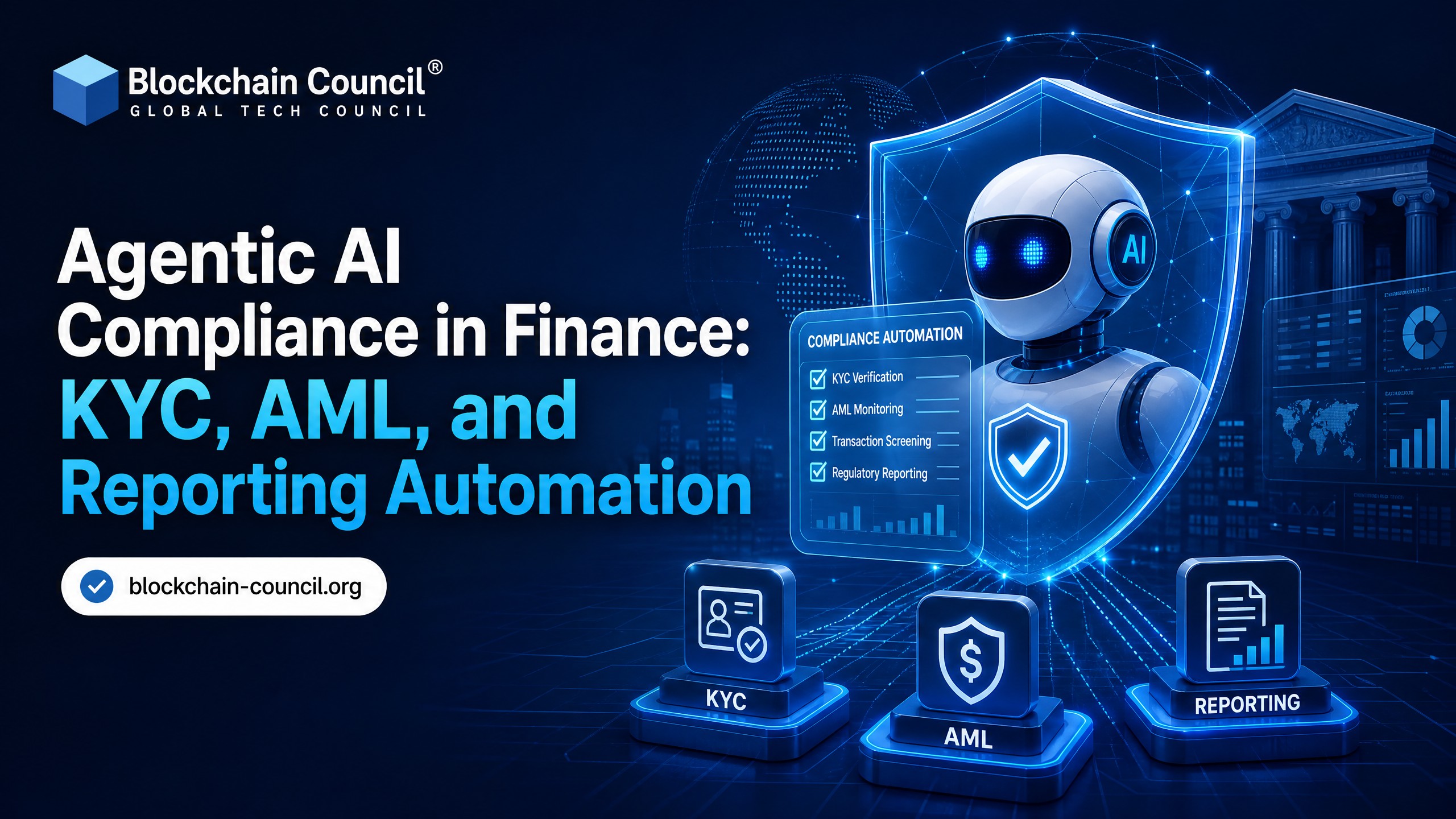
Determine if your application relies on smart contracts that require real-time identity verification. If so, you need an oracle-based solution that bridges off-chain identity data with on-chain logic. Chainlink’s onchain KYC model, for example, enables smart contracts to query verified identity status directly. This is essential for decentralized finance (DeFi) protocols that need to gate access based on wallet verification status without building their own verification infrastructure from scratch.
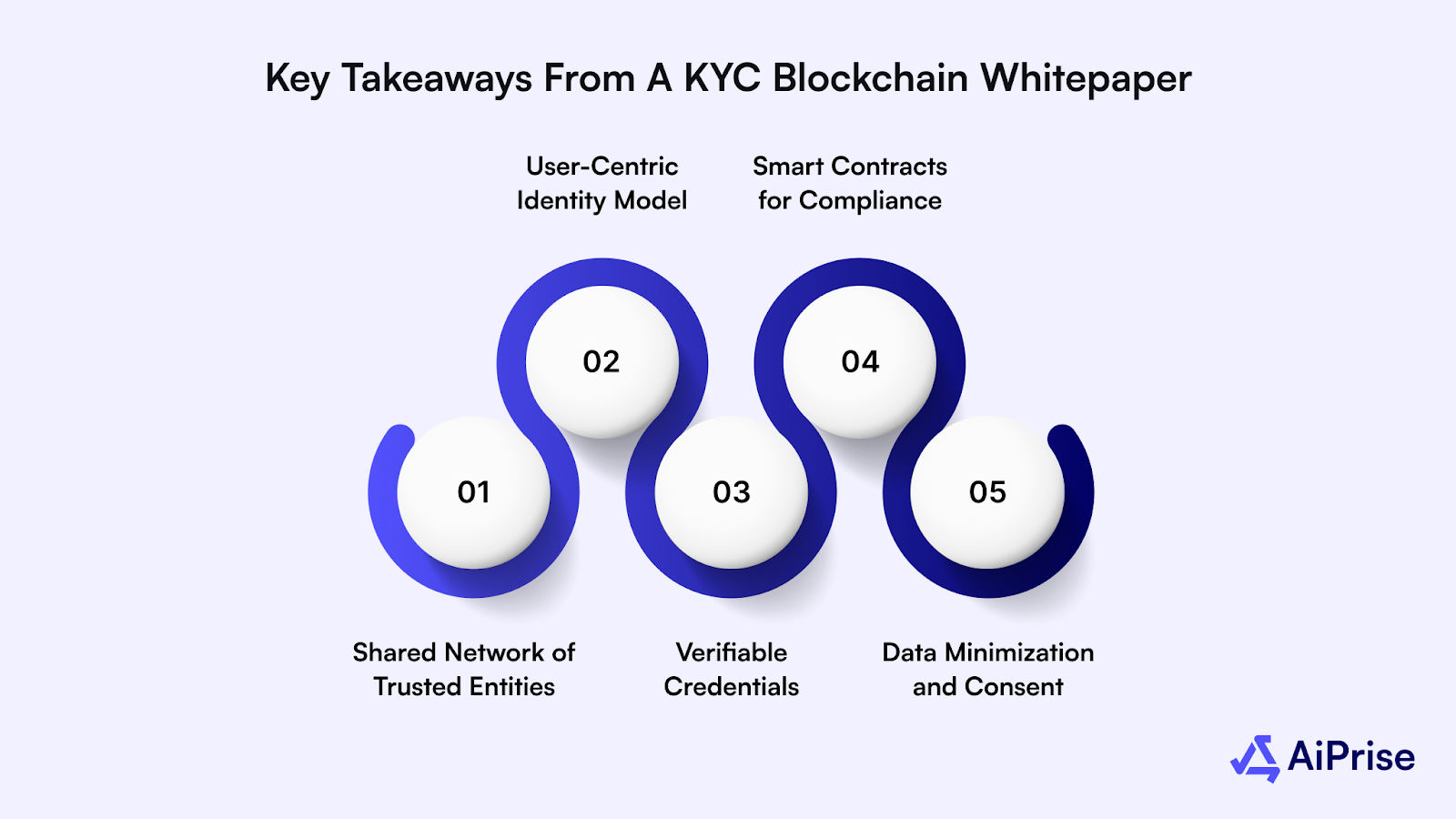
The best compliance tool is one users will actually use. Evaluate how many steps are required for a user to verify their wallet. Some platforms allow users to sign in via centralized exchanges (like Coinbase) to claim on-chain verification, reducing friction significantly. Others may require uploading documents to a third-party provider. Minimize the number of clicks and data entry points. A seamless onboarding flow increases conversion rates and reduces drop-off, even if it requires slightly more data collection upfront.
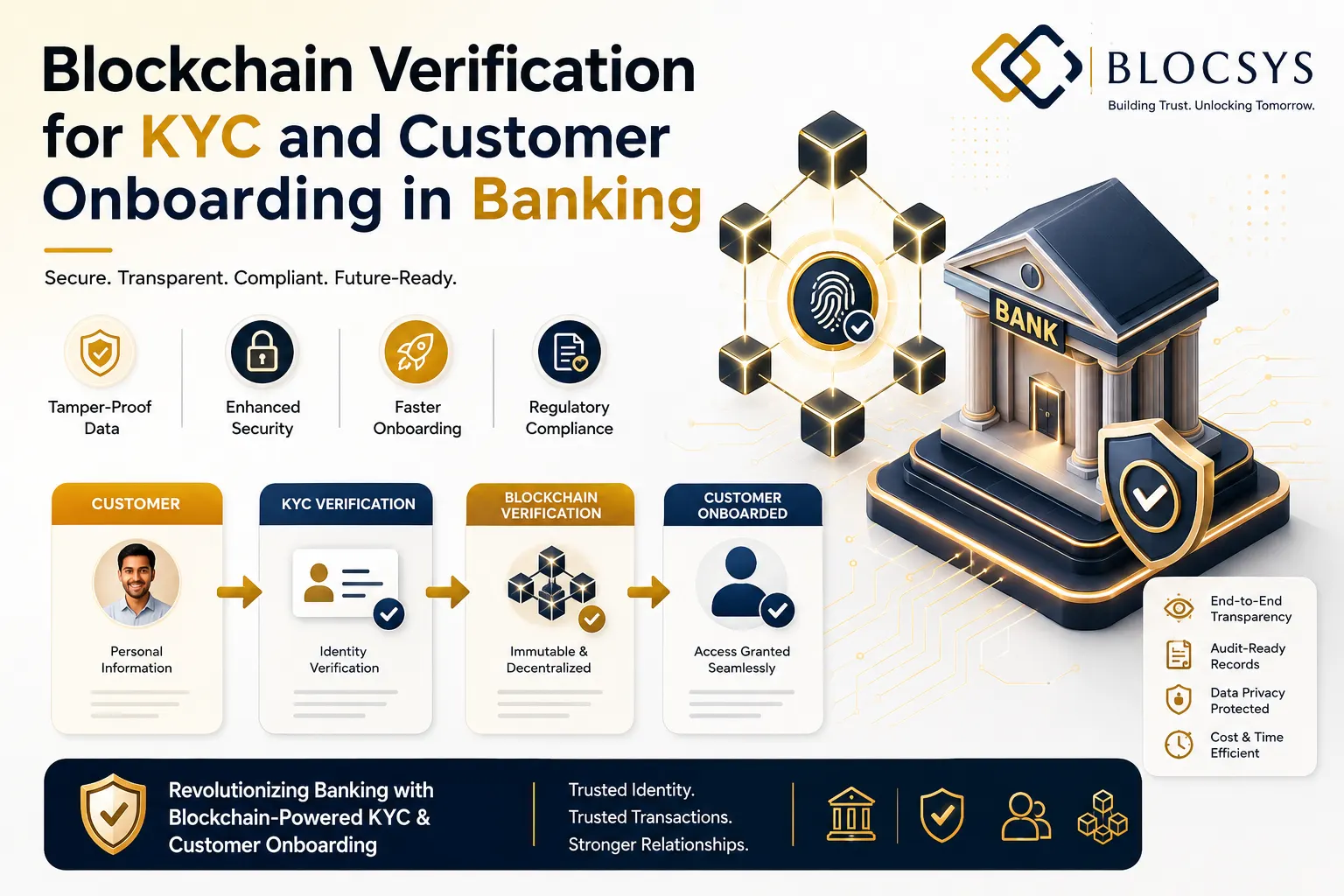
Ensure your chosen provider uses cryptographic proofs rather than storing raw PII (Personally Identifiable Information) on the blockchain. True onchain KYC should verify identity status without exposing sensitive details like your full name or address to the public ledger. Check the provider’s data retention policy and whether they allow users to revoke or update their attestations. This control is critical for maintaining trust and complying with evolving privacy regulations like GDPR.
Watchouts for Onchain KYC Claims
Not every solution labeled "onchain KYC" actually meets compliance standards. Misleading marketing often confuses simple identity checks with the cryptographic proofs regulators require. Here are three common weak options to avoid.
Vendor Lock-In Attestations
Some platforms issue attestations that only work within their own closed ecosystem. This creates vendor lock-in, forcing users to re-verify if they switch providers. True onchain KYC should allow portable, reusable credentials across different dApps and exchanges.
Raw Data Exposure
Regulatory compliance like AML/CFT requires privacy-preserving proofs, not raw data sharing. Avoid solutions that store personally identifiable information (PII) on public blockchains. Look for zero-knowledge proofs or oracle-based verification that confirms status without exposing sensitive details.
Unverified Oracle Relays
Smart contracts rely on oracles for real-world data. If the oracle network isn't decentralized and audited, a single point of failure can compromise the entire verification process. Always check the source of the KYC data. Chainlink and similar reputable networks offer more robust security than unverified relays.
Onchain kyc: what to check next
Before integrating onchain identity verification, teams need to understand the technical shift from traditional databases to cryptographic proofs. This section addresses the most common practical objections regarding functionality, user experience, and regulatory necessity.
The shift toward onchain verification is driven by the need for interoperability. Traditional KYC data is siloed; onchain attestations allow users to carry their verified status across ecosystems, from DeFi protocols to NFT marketplaces, without repeating the onboarding process.
No comments yet. Be the first to share your thoughts!