
What is onchain KYC?
Onchain KYC verifies user identity for blockchain applications using smart contracts and oracles. It enables institutions to meet regulatory standards, like AML/CFT, while preserving user privacy through cryptographic proofs rather than raw data sharing.
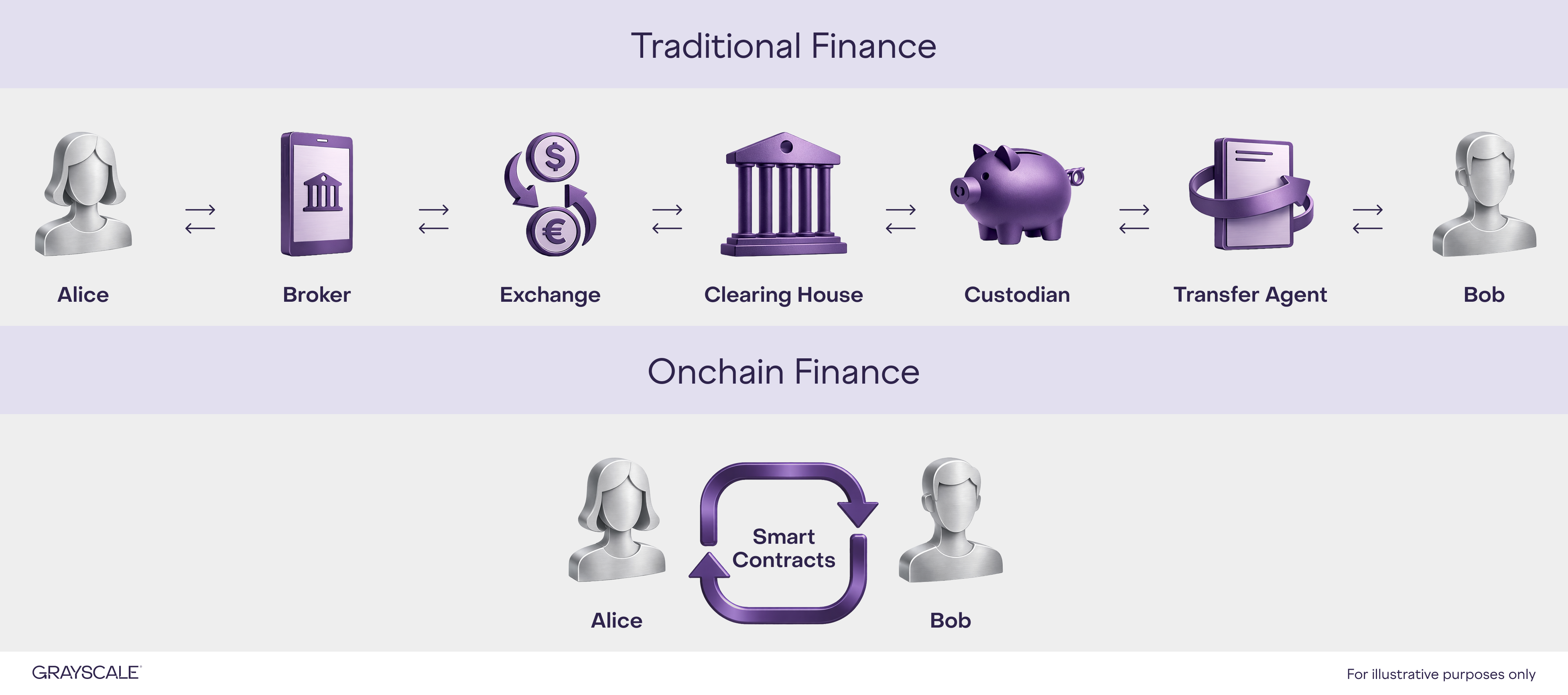
Traditional KYC requires users to upload passports and selfies to centralized servers, creating a honeypot for hackers. Onchain KYC changes this model by issuing verifiable credentials directly to the user’s wallet. Once verified by a trusted provider, the user holds a signed attestation they can present to any application without re-uploading sensitive documents.
This approach shifts the burden of compliance from the exchange to the protocol layer. Smart contracts can automatically check for a valid "KYC-passed" signature before allowing a transaction or access to a service. If the signature is missing or expired, the contract reverts the action, ensuring regulatory adherence without exposing personal data.
Providers like Blockpass and Chainlink facilitate this infrastructure, allowing developers to integrate identity checks seamlessly. The result is a system where compliance is programmable, portable, and private.
Onchain kyc choices that change the plan
Use this section to make the The OnChain KYC Revolution decision easier to compare in real life, not just on paper. Start with the reader's actual constraint, then separate must-have requirements from details that are merely nice to have. A practical choice should survive normal use, maintenance, timing, and budget. If a recommendation only works in an ideal situation, call that out plainly and give the reader a fallback path.
| Factor | What to check | Why it matters |
|---|---|---|
| Fit | Match the option to the primary use case. | A good deal still fails if it does not fit the job. |
| Condition | Verify age, wear, and service history. | |
| Cost | Compare purchase price with likely upkeep. | The cheapest option is not always the lowest-cost option. |
How to Choose the Right OnChain KYC Solution
Onchain KYC is not a one-size-fits-all utility. It is a strategic infrastructure choice that determines how your application balances regulatory compliance with user privacy. Because the technology relies on smart contracts and oracles to verify identity without exposing raw personal data, selecting the wrong provider can lead to integration friction or compliance gaps.
To navigate this landscape, evaluate potential solutions against these five practical criteria.

Prioritize platforms like Blockpass that issue reusable on-chain attestations. This allows users to verify their identity once and reuse that proof across multiple applications, reducing friction and preventing redundant data collection.
Ensure the solution integrates seamlessly with existing oracle networks, such as Chainlink. This connectivity enables smart contracts to automatically trigger compliance checks based on real-time verification status, maintaining security without manual intervention.
Look for systems that use zero-knowledge proofs to validate compliance status without storing raw personal data on the blockchain. This preserves user privacy while still allowing institutions to meet Anti-Money Laundering (AML) and Counter-Terrorist Financing (CFT) standards.
Verify that the provider’s framework aligns with the specific regulations of your target jurisdiction. Compliance is not just about technology; it requires a legal structure that recognizes on-chain identity as a valid form of verification for tax and banking purposes.

The best on-chain identity systems minimize friction for the end-user. Choose a solution that simplifies the collection of basic personal details—such as name and address—while abstracting the complex cryptographic verification process into the background.
By focusing on these specific technical and regulatory features, you can select an on-chain KYC solution that builds trust without compromising the decentralized ethos of Web3.
Spotting Weak Onchain KYC Claims
Many projects market "onchain KYC" as a silver bullet for trust, but the reality is often fragmented. True onchain identity relies on verifiable credentials issued by trusted attestors, not just a simple profile picture. When evaluating solutions, look for cryptographic proofs rather than centralized databases that hold your raw data.
Beware of vague promises about "full compliance." Regulatory standards like AML/CFT require dynamic monitoring, not just a one-time check. If a platform claims to solve all regulatory hurdles with a static onchain badge, it is likely overselling its capabilities. Verify if the attestation source is recognized by the institutions you intend to interact with.
Another common mistake is confusing onchain identity with anonymous wallets. While onchain KYC enhances privacy through zero-knowledge proofs, it does not eliminate the need for proper identity verification. Ensure the solution aligns with your jurisdiction's tax and legal obligations. Always check if the attestation is reusable across multiple dApps, as this is a key benefit of the technology.
Onchain kyc: what to check next
Onchain KYC is the process of verifying user identity for blockchain applications using smart contracts and oracles. It enables institutions to meet regulatory standards (like AML/CFT) while preserving user privacy through cryptographic proofs rather than raw data sharing [Chainlink].
Is it illegal to buy crypto without KYC? In most jurisdictions, it is legal to buy crypto with no KYC. "No-KYC" simply means the platform does not require identity verification. Exchanges implement KYC for regulatory and banking compliance, not because crypto ownership itself is illegal. However, tax obligations still apply [Godex].
How to do KYC for crypto? To complete the KYC process, crypto users are typically asked to provide personal details. This includes basic information, such as full name, date of birth, residential address, phone number, and email address. This is the base layer of the customer's profile [ShadowDragon].
What is onchain identity? Onchain identity is a blockchain-based system that identifies individuals and organisations. It allows them to enforce compliance and access digital assets without repeatedly sharing sensitive data [Tokeny].
No comments yet. Be the first to share your thoughts!