
The 2026 regulatory shift for crypto
The cryptocurrency landscape is undergoing a structural transformation in 2026, moving from fragmented oversight to a unified, enforcement-heavy framework. This shift is driven by concrete legislative mandates and coordinated agency actions that demand immediate operational adjustments from compliance officers.
At the center of this change is the GENIUS Act, which mandates comprehensive anti-money laundering (AML) and sanctions compliance. The legislation requires robust customer due diligence and real-time transaction monitoring, effectively closing the loopholes that previously allowed decentralized finance (DeFi) protocols to operate in regulatory gray areas. For institutions, this means implementing on-chain KYC processes that are both rigorous and scalable.
Coordination between US regulators has also intensified. On January 29, 2026, CFTC Chairman Michael Selig and SEC Chairman Paul Atkins delivered a joint policy speech outlining a harmonized approach to crypto oversight. This alignment signals that agencies will no longer compete for jurisdiction but will instead enforce a consistent standard across exchanges, stablecoin issuers, and asset managers.
The operational reality for compliance teams is clear: legacy systems are insufficient. The new rules require infrastructure that can handle the volume and velocity of on-chain data while maintaining strict adherence to AML protocols. Failure to adapt risks not only regulatory penalties but also loss of institutional trust and market access.
AI-driven AML and transaction monitoring
The volume and complexity of blockchain transactions have outpaced manual review, making AI-driven transaction monitoring a regulatory requirement rather than a competitive advantage. Under the current regulatory environment, specifically the AML and sanctions compliance mandates outlined in the GENIUS Act, compliance officers must demonstrate robust, automated suspicious activity reporting capabilities.
Traditional rule-based systems fail to detect sophisticated layering techniques and cross-chain obfuscation. AI models now analyze behavioral patterns in real-time, flagging anomalies that static thresholds miss. Grant Thornton notes that comprehensive AML compliance now requires these advanced monitoring tools to satisfy customer due diligence and ongoing transaction scrutiny requirements.
Failure to deploy these systems exposes firms to enforcement actions from the SEC and CFTC. The regulatory expectation is clear: firms must use technology capable of handling the scale of institutional crypto flows. Without AI-driven monitoring, reporting suspicious activities accurately and timely becomes operationally impossible, leading to significant legal risk.
Onchain identity solutions explained
Onchain identity solutions provide the technical infrastructure to link off-chain identity to on-chain addresses for defensible audits. These systems verify human identity through decentralized identifiers (DIDs) and verifiable credentials (VCs), allowing compliance officers to confirm a user’s status without exposing raw personal data on public ledgers. This capability is essential for meeting 2026 regulatory standards, where the SEC and CFTC are increasingly demanding proof of identity tied directly to transactional activity.
The operational reality for compliance officers has shifted from batch processing to continuous monitoring. Unlike traditional KYC, which often relies on delayed, manual checks, onchain identity enables real-time verification. As noted in PwC’s 2026 Global Crypto Regulation Report, the winners in 2026 will be those that build compliance by design—proof of reserves, operational resilience, and transparent disclosures—into code itself. This means identity verification is not just a gatekeeping step but an ongoing, automated process embedded in the protocol.
| Feature | Traditional KYC | Onchain KYC |
|---|---|---|
| Verification Timing | Batch, periodic | Real-time, continuous |
| Data Storage | Centralized silos | Decentralized, encrypted |
| Audit Trail | Manual, retrospective | Automated, onchain |
| Regulatory Fit | Pre-2024 standards | 2026 AML/CFT requirements |
The image below illustrates how modern AI-driven AML risk platforms are transforming compliance for Banking-as-a-Service (BaaS) providers, a key sector for 2026 regulatory adherence. These platforms integrate onchain identity checks to flag suspicious activities instantly, reducing the risk of regulatory penalties.
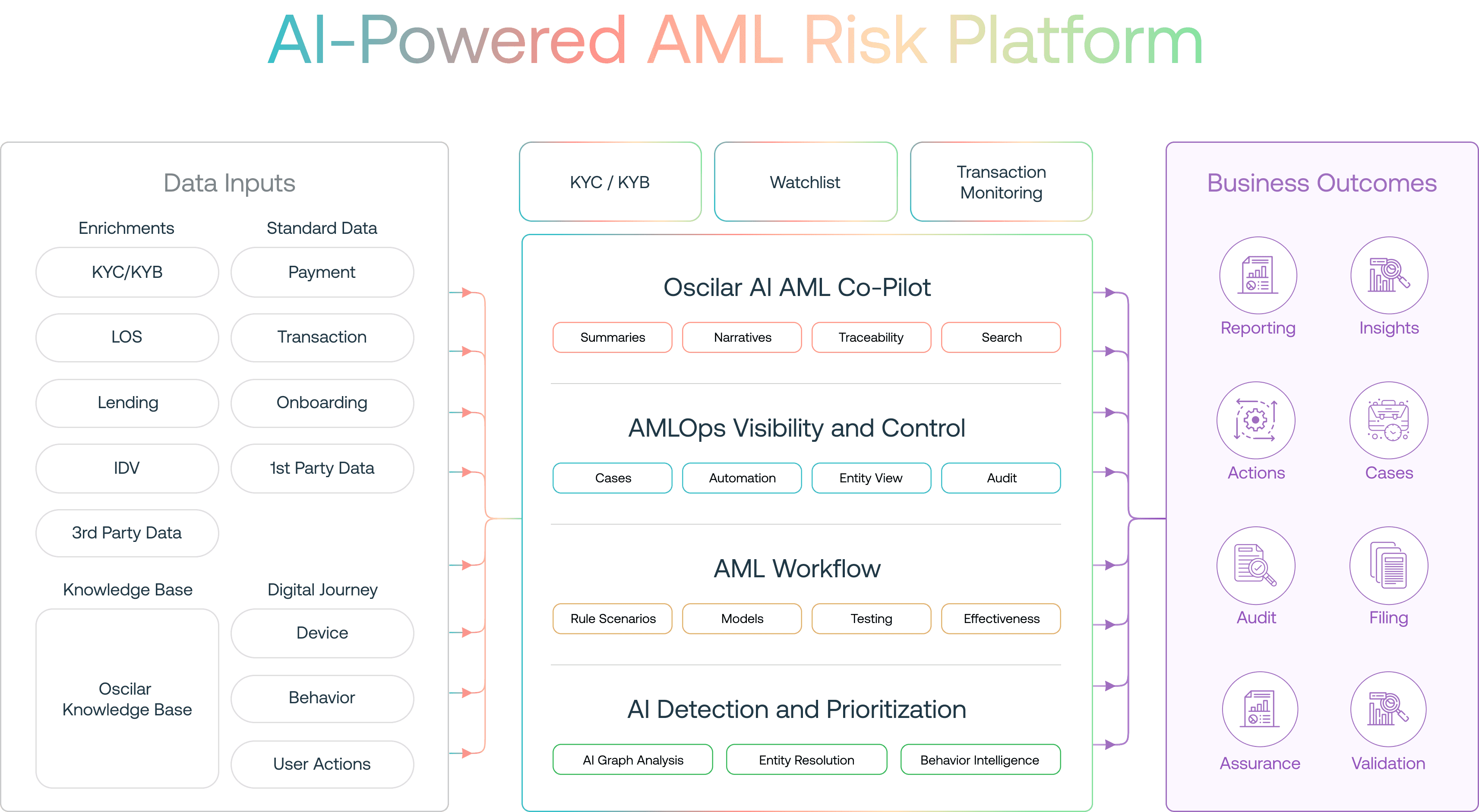
For exchange compliance leaders, building an examination-ready program by 2026 requires integrating these onchain identity solutions into their core infrastructure. This includes not only KYC but also monitoring, sanctions screening, and Travel Rule compliance. The goal is to create a seamless, automated workflow that satisfies regulators without disrupting the user experience. By adopting these solutions, firms can ensure they are prepared for the stricter enforcement actions expected in the coming year.
Building a defensible compliance program
The regulatory landscape for digital assets in 2026 demands more than theoretical adherence; it requires operational rigor that withstands examiner scrutiny. Platforms must transition from reactive policy updates to integrated, data-driven compliance workflows. This section outlines the specific steps platform operators should take to build a defensible OnChain KYC program that satisfies the SEC, CFTC, and emerging global standards.
Step 1: Map the regulatory perimeter
Before integrating any technology, compliance officers must define the exact regulatory scope for their jurisdiction and customer base. The SEC’s focus on unregistered securities and the CFTC’s stance on commodity derivatives means your KYC triggers will differ based on the assets you list. Start by auditing your current user onboarding flows against the latest FinCEN guidance and any new state-level money transmitter laws. Document every data point you collect and map it to a specific regulatory requirement. This creates an audit trail that demonstrates intent and knowledge, which is critical during enforcement actions.
Step 2: Integrate OnChain data sources
Traditional KYC relies on static identity documents, which are easily forged. A defensible 2026 program integrates OnChain analytics to verify the source of funds and identify high-risk entities. Partner with a reputable blockchain intelligence provider (such as Chainalysis, Elliptic, or TRM Labs) to screen addresses at the point of deposit and withdrawal. This step is not optional; regulators are increasingly expecting platforms to monitor the entire lifecycle of assets, not just the fiat on-ramp. Ensure your integration can flag interactions with sanctioned addresses, mixers, and darknet markets in real-time.
Step 3: Implement dynamic risk scoring
Static risk profiles are obsolete. Your compliance program must use dynamic risk scoring that updates based on transaction behavior and OnChain activity. A user who suddenly receives funds from a high-risk jurisdiction or interacts with a sanctioned wallet should trigger an immediate review, regardless of their initial KYC status. Configure your system to assign risk scores based on multiple factors: transaction volume, counterparty risk, and geographic location. This allows you to prioritize high-risk cases for manual review while automating low-risk transactions, improving both security and user experience.
Step 4: Establish a robust reporting workflow
Compliance is only defensible if you can prove you acted. Establish a clear workflow for filing Suspicious Activity Reports (SARs) and other regulatory filings. Ensure that every decision to freeze, flag, or release funds is documented with a clear rationale linked to your risk scoring and OnChain data. Examiners will look for consistency in your decision-making process. Use your compliance dashboard to generate reports that show the volume of alerts, the time to resolution, and the number of SARs filed. This data demonstrates the effectiveness of your program and your commitment to regulatory compliance.
No comments yet. Be the first to share your thoughts!