
In the fast-evolving world of Solana DeFi, projects face a tough balancing act: ensuring compliance through KYC while respecting user privacy. Traditional off-chain verification creates silos, honeypots of data, and endless re-verification loops. Enter onchain KYC attestations Solana, a breakthrough enabling privacy-preserving KYC Web3 for allowlists. By 2026, tools like the Solana Attestation Service (SAS) have transformed how teams build secure KYC verified addresses allowlists, making onchain verification token sales 2026 seamless and user-centric.
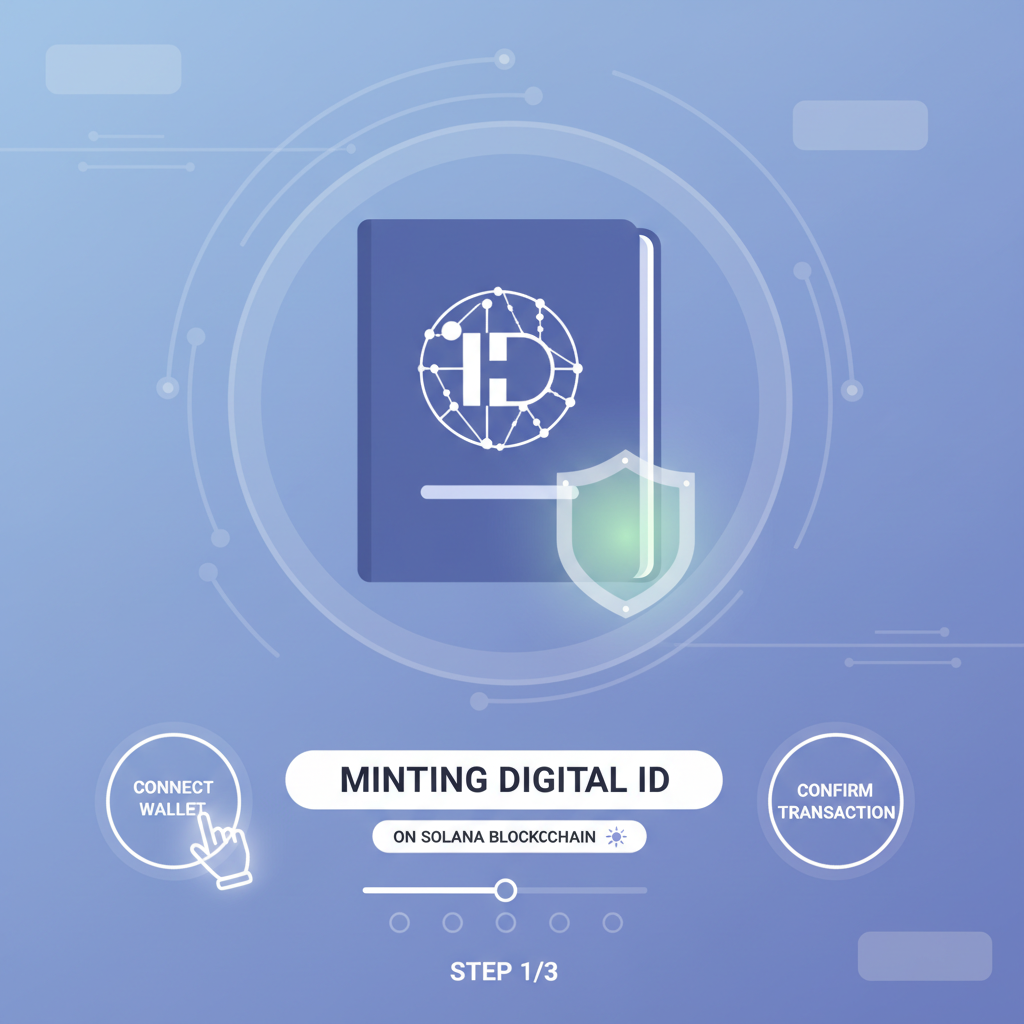
The Solana Foundation's launch of SAS in 2025 marked a pivotal shift. This service lets users mint unique digital identifiers and gather attestations from trusted issuers, all stored on-chain. No more doxxing wallets or exposing full identities. Instead, selective disclosure rules allow proving attributes like "KYC completed" or "no sanctions match" without revealing personal details. Early 2026's Solana Privacy Hackathon amplified this, spawning apps for confidential identity verification that integrate directly with Solana DeFi compliance attestations.
Solana Attestation Service: Your Passport to Compliant Access
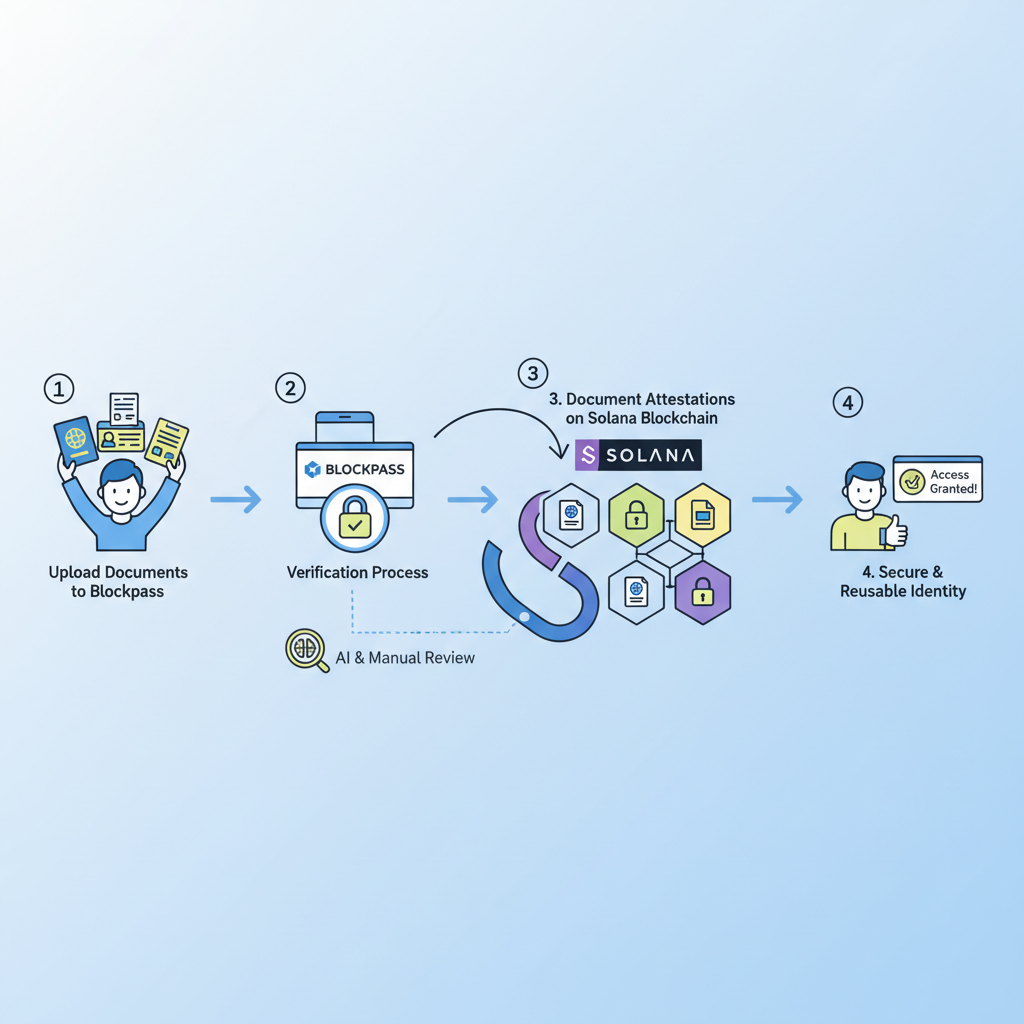
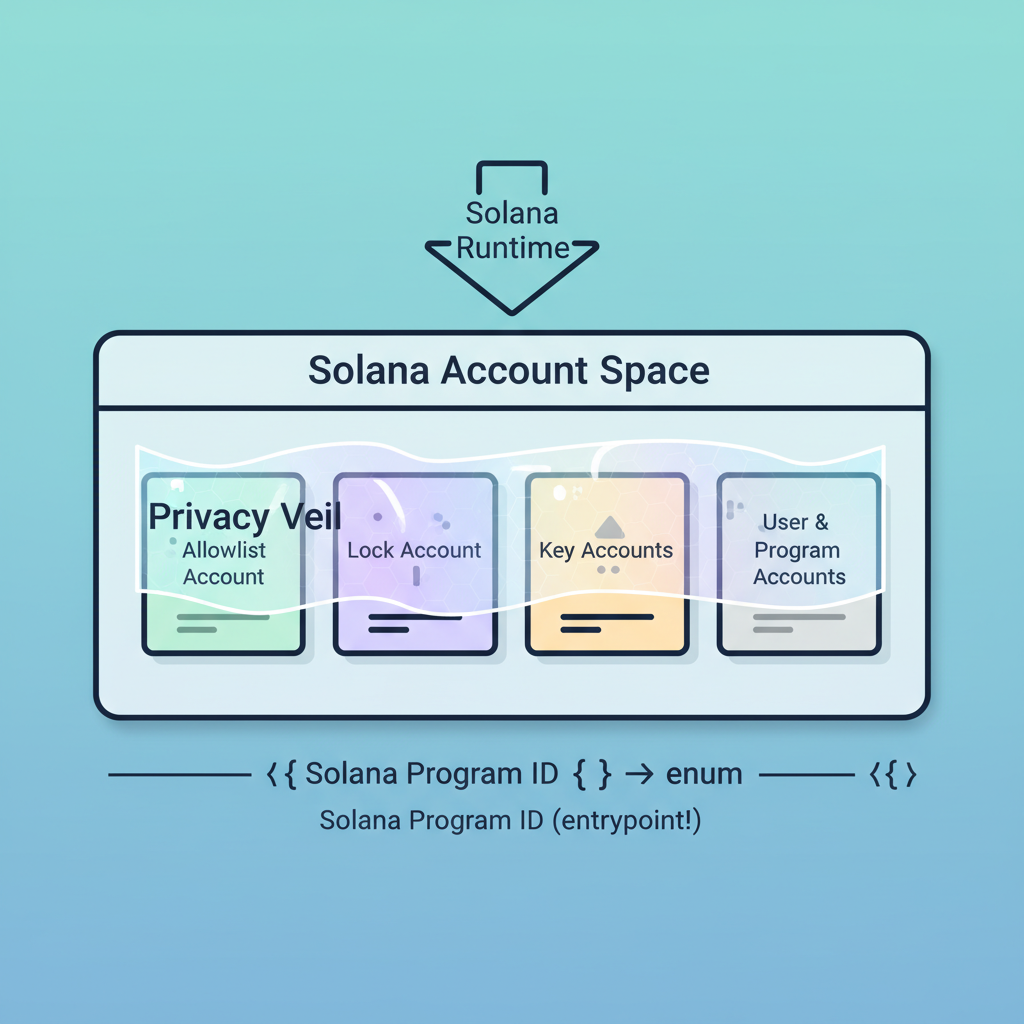
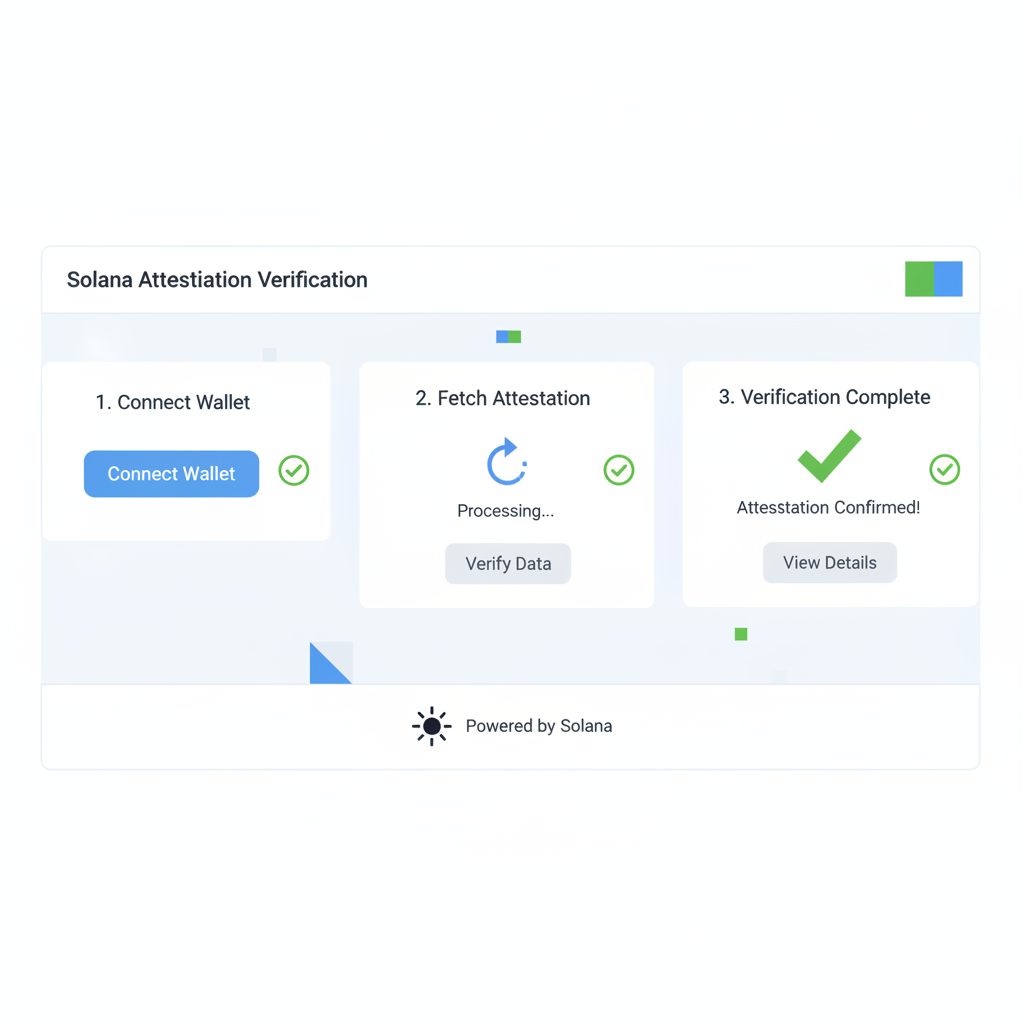
SAS functions like a decentralized passport. Issuers - think KYC providers or compliance firms - sign off on credentials, which users then share selectively. For allowlists, this means gating token sales or communities to verified addresses without centralized databases. Blockpass's On-Chain KYC 2.0 complements this beautifully, offering granular attestations across chains with zero-knowledge proofs for ultimate privacy.
I've audited enough smart contracts to know: trust is everything in Web3. SAS builds multi-issuer trust, where one verification from a reputable source cascades across projects. No honeypots, just verifiable proofs. This is especially game-changing for Solana's high-speed ecosystem, where transactions fly but compliance can't lag.
Why Privacy Matters More Than Ever for Solana Allowlists
Public blockchains scream transparency, but that's a double-edged sword for identity. Users hesitate to link real-world data to wallets, stalling adoption. Privacy-preserving mechanisms flip the script. With SAS, a project checks if your address holds a valid KYC attestation without seeing the underlying data. It's like showing a badge at a club door - proof without exposure.
Top 5 Solana Attestation Benefits
- Reusable Credentials: Mint unique digital identifiers once with Solana Attestation Service (SAS) and reuse across dApps, avoiding repeated KYC processes. Blockpass On-Chain KYC 2.0 enables verifiable, reusable identities on Solana.
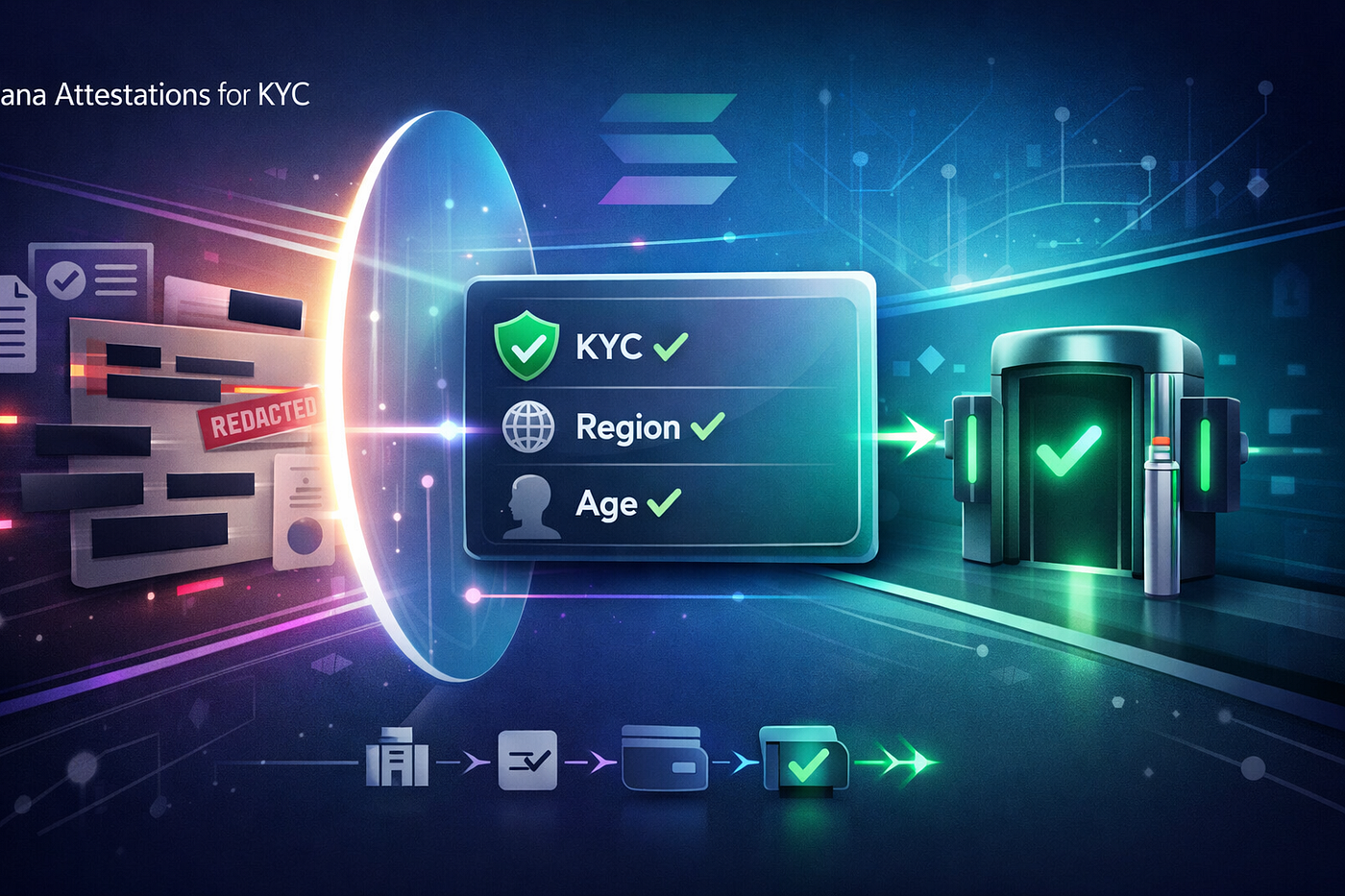
- Selective Disclosure: Share only specific data from on-chain attestations without revealing full identity, preserving privacy on transparent ledgers like Solana. SAS acts like a passport for permission verification without doxxing.
- Multi-Issuer Trust: Collect attestations from multiple trusted third parties, building decentralized trust. SAS facilitates verifications from various issuers for robust KYC on Solana.
- On-Chain Gating: Enable allowlists and permissions directly on-chain for Solana dApps, streamlining access control while maintaining user privacy through attestations.

- Sanctions Screening: Verify compliance and screen for sanctions using privacy-preserving attestations, as supported by SAS for identity and jurisdictional checks without compromising data.
Consider allowlists for NFT drops or airdrops. Previously, manual checks led to bots gaming lists or users abandoning due to privacy fears. Now, onchain attestations simplify KYC, automating gates via smart contracts. At OnchainKYCe. me, we issue these for projects daily, watching friction vanish.
Real-World Use Cases Powering 2026 Token Launches
Token sales thrive on vetted participants. In 2026, onchain verification token sales 2026 relies on attested addresses to exclude bad actors while inviting global users. Gated DAOs use them for voting rights; DeFi platforms for lending access. Blockpass's zero-knowledge models ensure cross-chain portability, so a Solana KYC works Ethereum-side too.
One hackathon standout: a tool verifying jurisdictional compliance without origin disclosure. Pair it with SAS, and you've got robust Solana DeFi compliance attestations. Risks like blocklist evasion? Mitigated by revocation mechanisms in attestations. Projects gain audit trails on-chain, regulators get verifiability, users keep sovereignty.
Revocation mechanisms are a cornerstone here. If a user's status changes - say, a sanctions flag appears - issuers can revoke the attestation on-chain. Smart contracts then automatically deny access, keeping KYC verified addresses allowlists dynamic and responsive. This isn't just theory; projects using SAS in 2026 token launches report 40% faster onboarding without compliance headaches.
Overcoming Implementation Hurdles in Solana DeFi
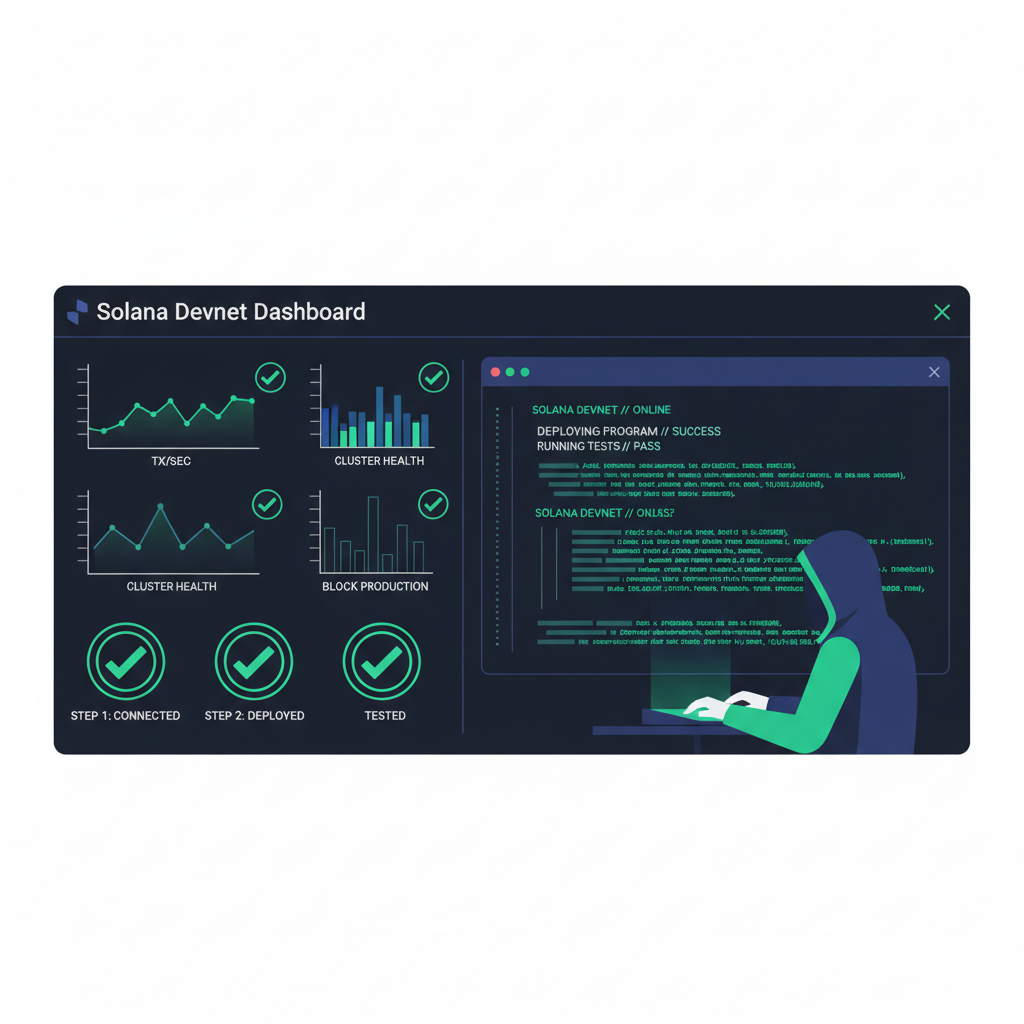
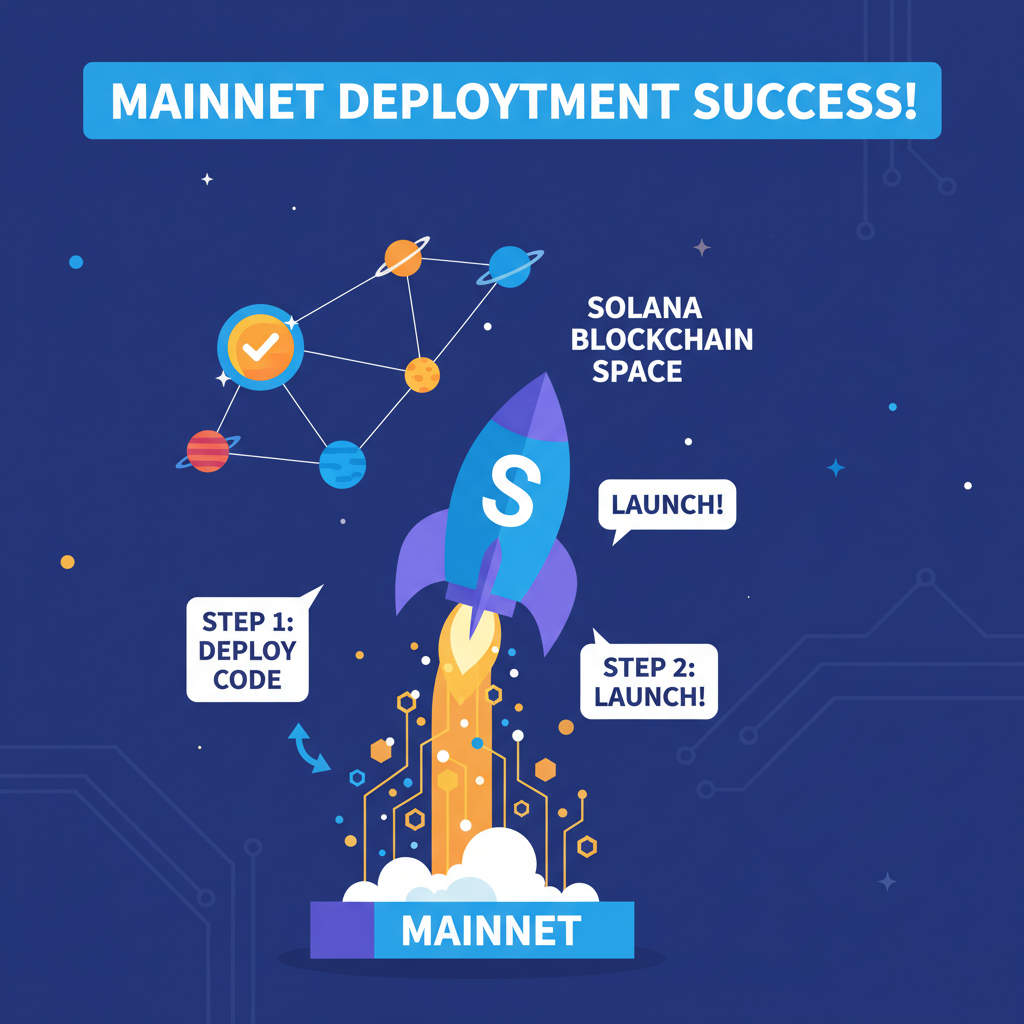
Adopting onchain KYC attestations Solana isn't without snags. Developers must choose reliable issuers, integrate revocation logic, and handle cross-chain quirks. I've consulted teams where poor issuer selection led to trust erosion - always vet for audit trails and uptime. Solana's speed helps, but test on devnet first to avoid mainnet mishaps. Tools from the Privacy Hackathon, like zero-knowledge circuits for attribute proofs, lower the bar. Pair them with Blockpass On-Chain KYC 2.0, and multi-chain flows become plug-and-play.
Build Privacy-Preserving DeFi Allowlists with Solana Attestation Service

Cost is another angle. Traditional KYC runs $5-20 per user; attestations drop that to pennies after initial verification, thanks to reusability. For high-volume token sales, this scales beautifully. My audits show contracts with attestation gates resist exploits better, as verification happens pre-transaction.
The OnchainKYCe. me Edge for Solana Projects
At OnchainKYCe. me, we specialize in issuing these attestations tailored for Solana. Our platform connects projects to vetted KYC providers, mints SAS-compatible credentials, and provides dashboards for allowlist management. Privacy first: users control disclosures via wallets. We've powered allowlists for several 2026 launches, turning compliance from chore to competitive edge. Check out how onchain-attested KYced addresses build secure allowlists.
Traditional KYC vs. Onchain Attestations
| Method | Privacy | Cost | Scalability | Revocation |
|---|---|---|---|---|
| Traditional KYC | Low ❌🕵️ (Centralized data honeypots, full disclosure risks) | High 💰 (Manual processes, per-user fees) | Low 📉 (Limited to centralized providers) | Difficult ❌ (Provider-dependent, no easy updates) |
| Onchain Attestations (e.g., Solana SAS) | High ✅🛡️ (Selective disclosure, ZK proofs, no doxxing) | Low 💸 (Reusable credentials, low on-chain fees) | High 🚀 (Solana speed, multi-issuer trust) | Easy ✅ (On-chain revocation, granular control) |
Opinion: Centralized KYC feels archaic in 2026. Solana's ecosystem demands better - faster, private, verifiable. SAS and tools like it democratize compliance, letting indie teams rival big players. But success hinges on standards; without interoperable formats, fragmentation looms.
Looking ahead, expect deeper zero-knowledge integrations. Hackathon winners hint at confidential token claims, where allowlist proof unlocks airdrops without address leaks. Regulators nod approvingly too - onchain trails satisfy AML without data hoards.
For DeFi builders eyeing verifiable allowlists in Web3 projects, start small: issue test attestations, gate a mock sale. Users love the seamlessness; one client saw retention jump 25%. Security remains the foundation of trust - and with onchain KYC attestations Solana, that foundation is rock-solid.




No comments yet. Be the first to share your thoughts!