
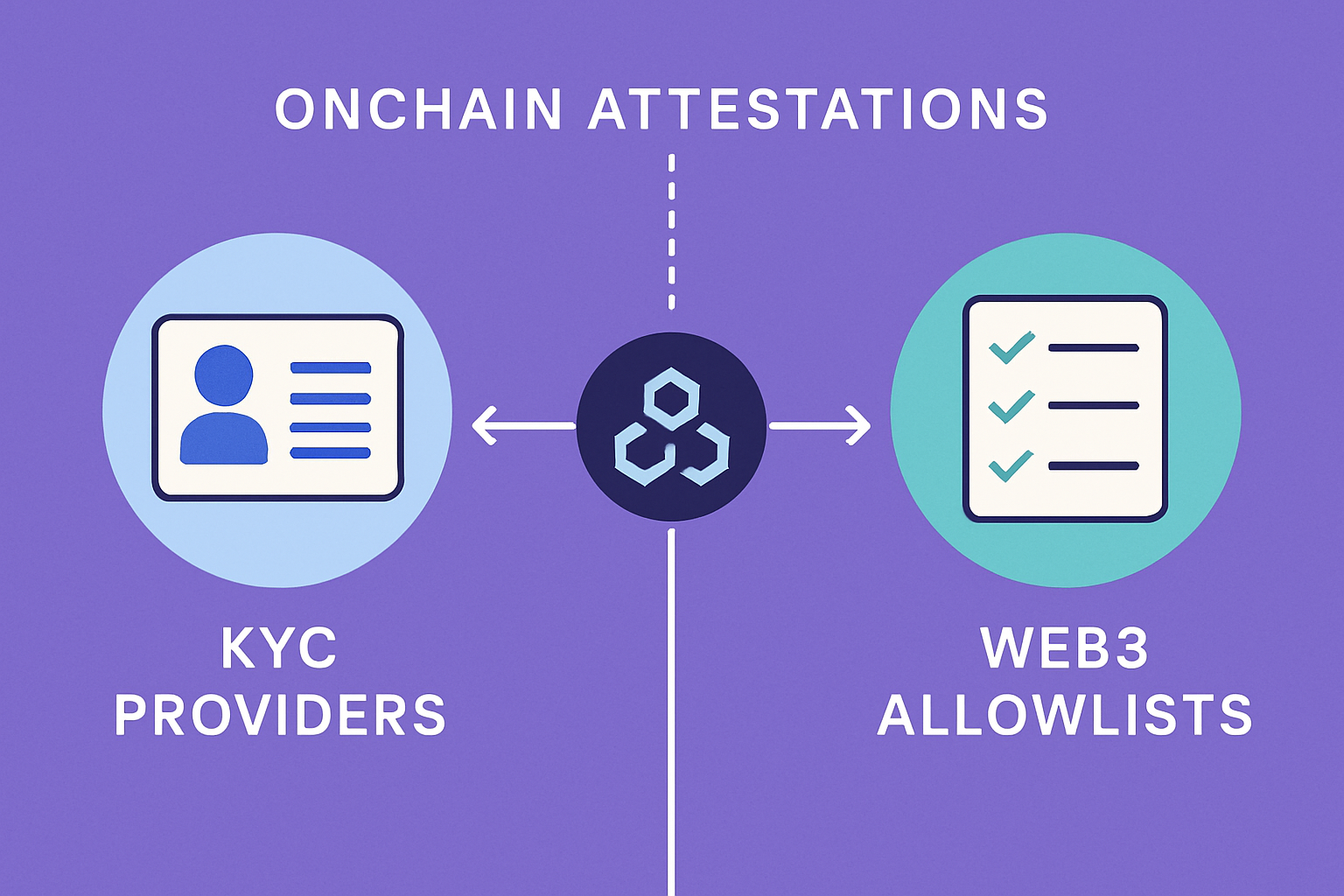
In the ever-evolving landscape of Web3, the demand for seamless, secure, and privacy-preserving onboarding is relentless. As decentralized applications (dApps), DeFi platforms, and NFT projects grow in complexity and scale, allowlist management for KYCed addresses has emerged as a critical bottleneck. The solution? Onchain attestations - cryptographic proofs stored directly on the blockchain that enable verifiable, reusable digital identity without compromising user privacy.
Why Traditional Allowlist Management Falls Short
Historically, managing allowlists for KYCed addresses has relied on centralized databases and manual verification. This approach is fraught with inefficiencies and exposes sensitive user data to unnecessary risk. Every time a project launches a token sale or restricts access to a gated community, it must re-verify users or trust third-party lists - a process that is slow, expensive, and vulnerable to breaches.
This friction stifles innovation in Web3 onboarding. Users are forced to repeatedly submit documents, while projects juggle compliance headaches and data security threats. The result? A fragmented experience that undermines the very ethos of decentralization.
Onchain Attestations: The Backbone of Decentralized Identity
Onchain attestations flip this paradigm on its head by allowing issuers - like regulated KYC providers - to publish cryptographic proofs of verification directly onto blockchain networks. These attestations confirm attributes (such as “KYC passed” or “over 18”) for a wallet address without revealing underlying personal data. The result is a robust framework for decentralized identity that is efficient, interoperable, and privacy-preserving.
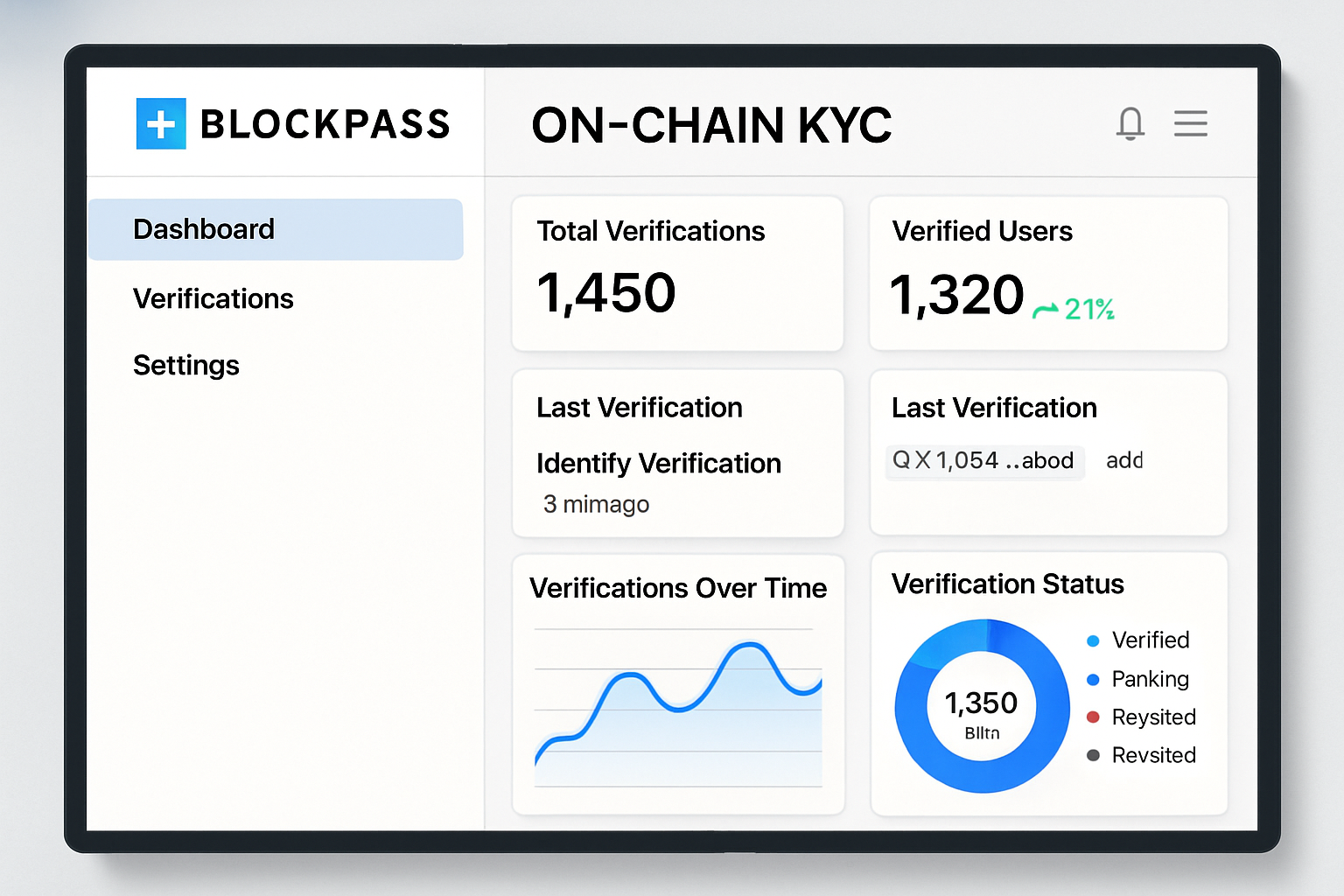
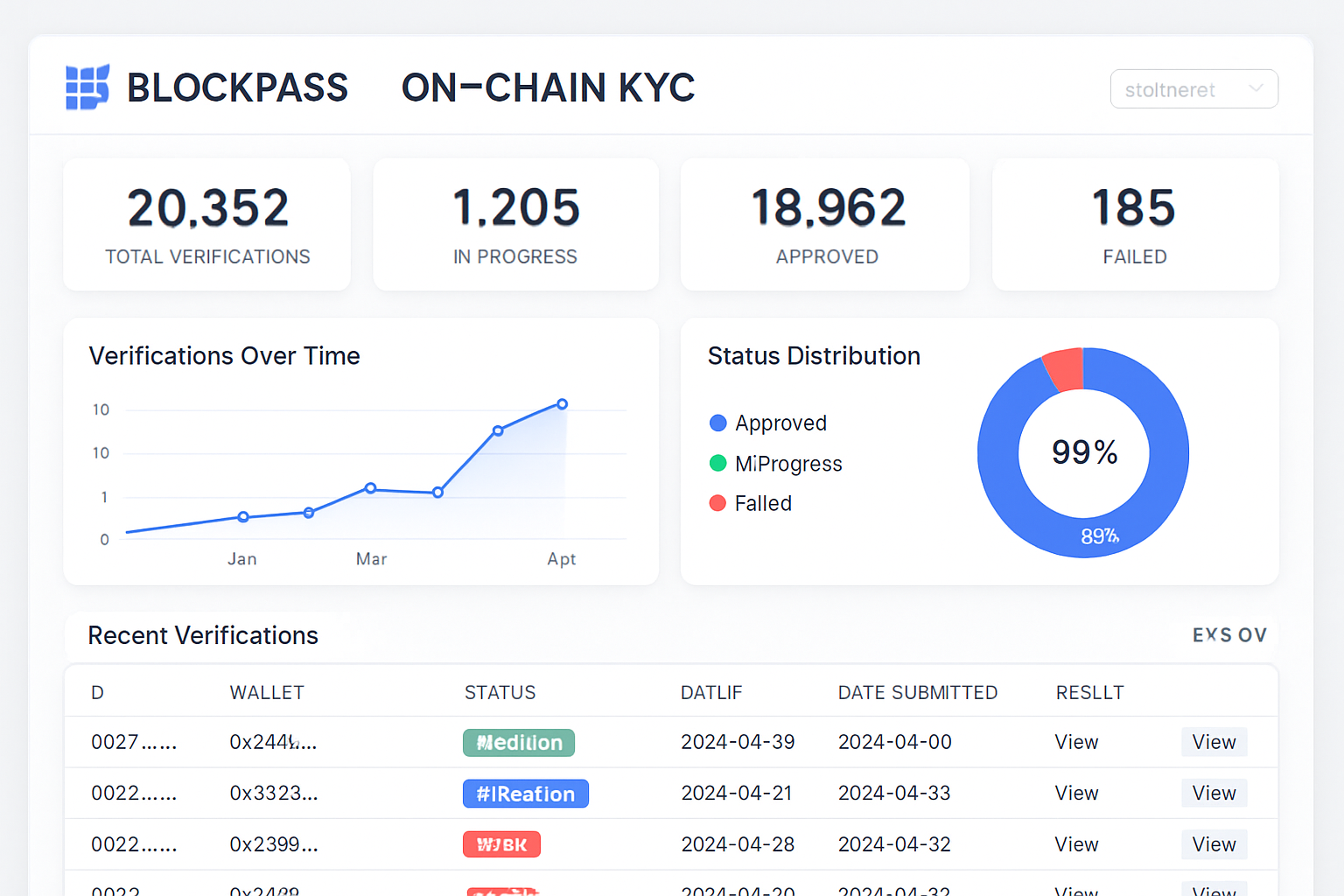
Platforms like Blockpass are leading the way with On-Chain KYC® services that empower businesses to issue verifiable credentials as onchain attestations. Once issued, these credentials can be reused across multiple dApps, eliminating redundant checks and streamlining compliance. The attestation itself is immutable and tamper-proof - anchored by blockchain security - while the sensitive data remains off-chain with the user.
Interoperability and Privacy: The New Standard for Allowlist Management
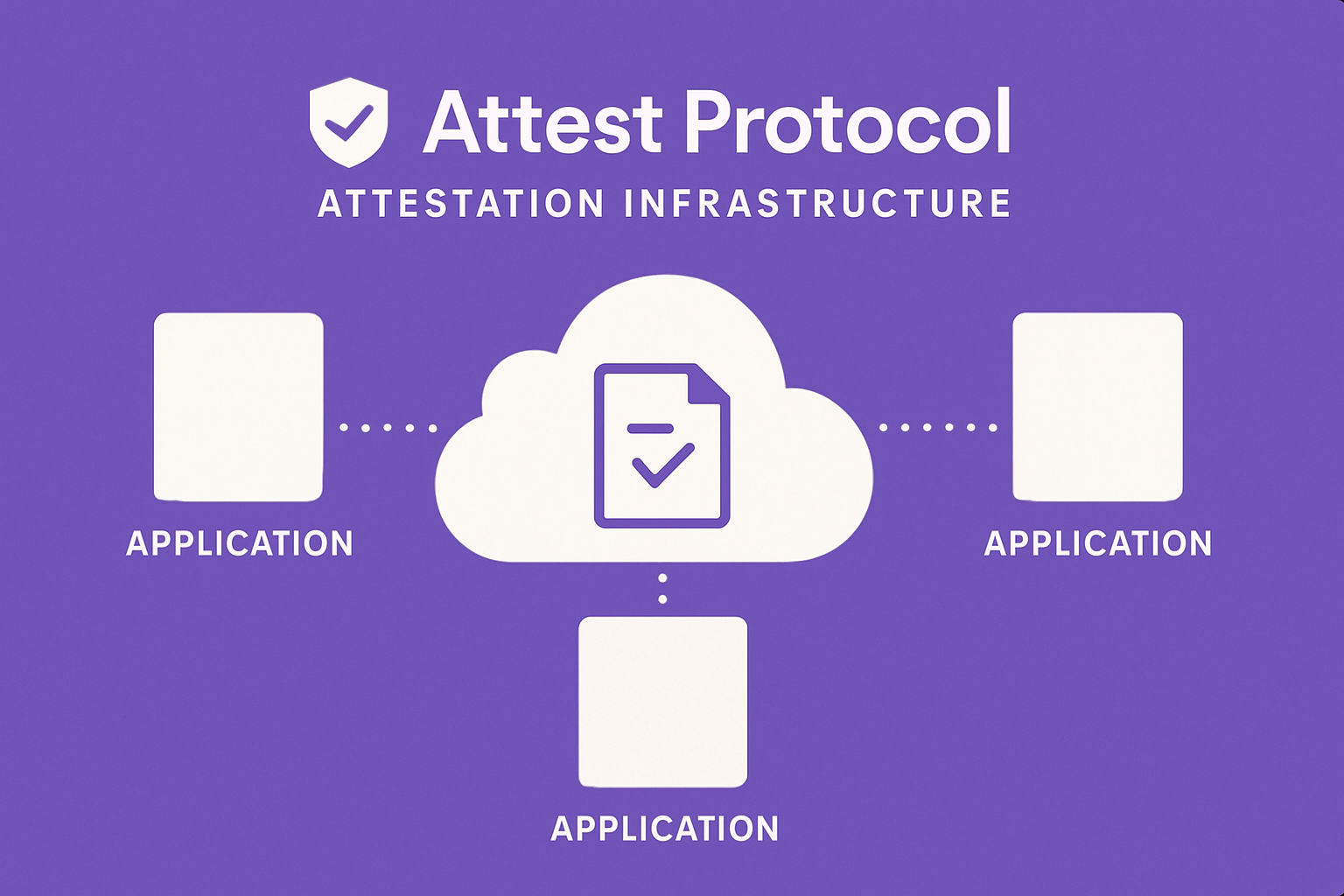
The real magic happens when attestations are designed for interoperability. Protocols like Attest Protocol provide schema-based frameworks so credentials can be recognized across ecosystems without custom smart contracts for each use case. This modularity means a single KYC attestation can unlock access to dozens of platforms, from token launches to DeFi lending pools.
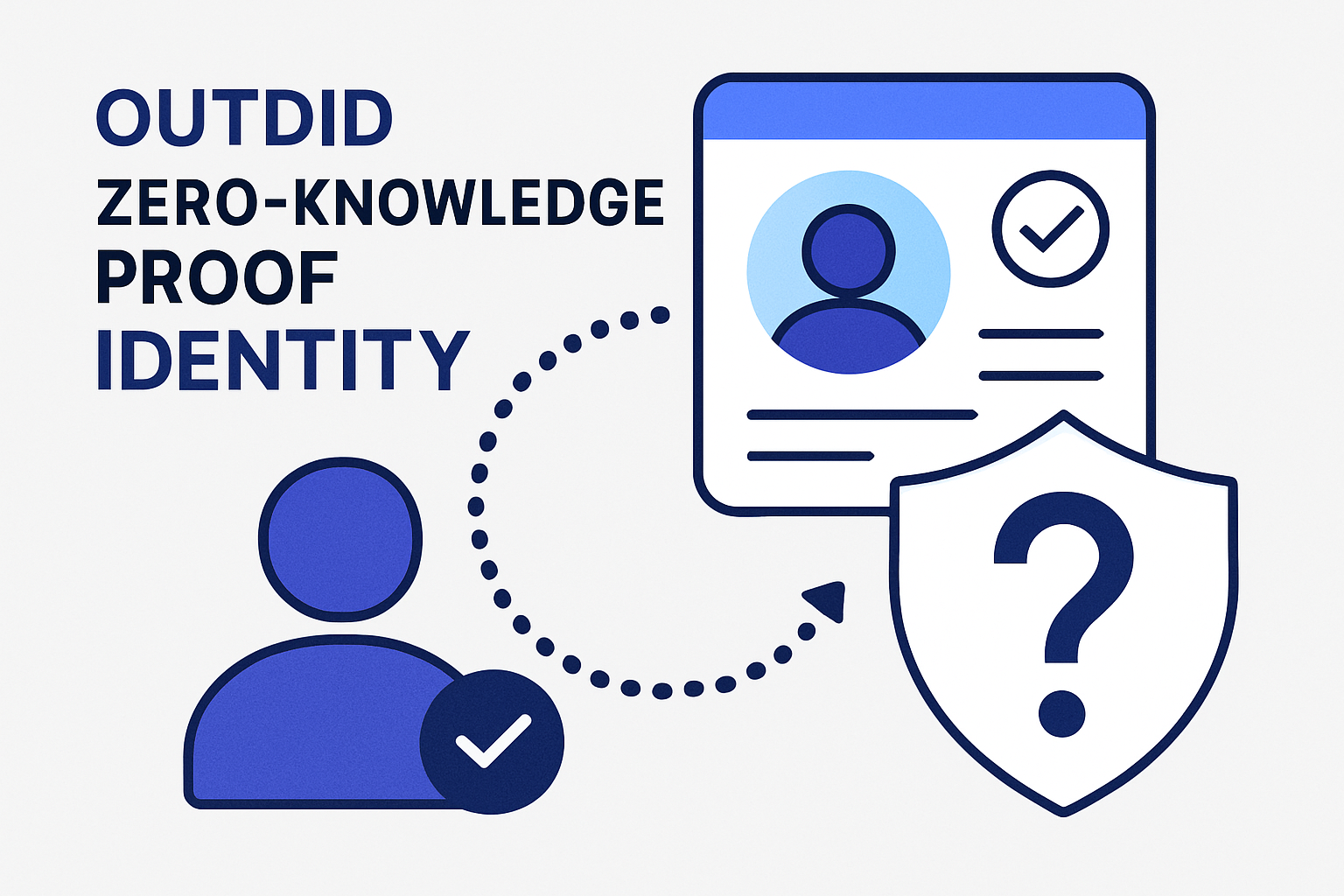
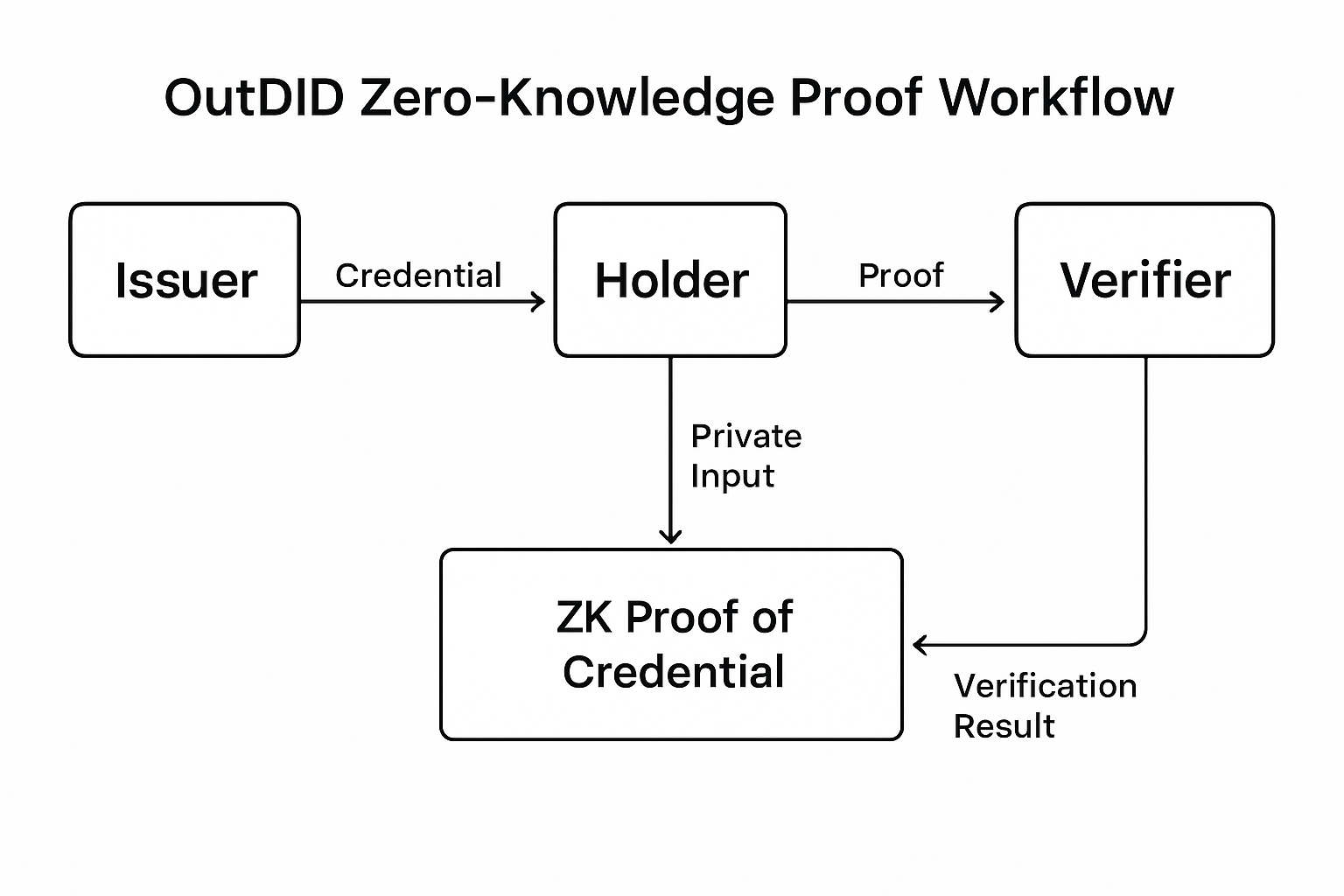
Privacy remains paramount. Advanced solutions leverage zero-knowledge proofs (ZKPs), enabling users to prove their eligibility without exposing their identity or personal details. For example, OutDID’s private ID verification system ensures users can interact with Web3 services while retaining full control over their data - a game-changer for both compliance and user trust.
Key Benefits of Onchain Attestations for KYCed Allowlist Management
- Enhanced Efficiency & Security: Onchain attestations automate KYC verification, reducing manual checks and eliminating centralized data silos. Solutions like Blockpass On-Chain KYC® enable businesses to issue reusable, verifiable digital identities, minimizing the risk of data breaches and streamlining onboarding.
- Interoperability & Composability: Attestations are designed to work across multiple blockchains and dApps. Platforms such as Attest Protocol provide schema-based infrastructure, allowing developers to easily integrate verifiable credentials for allowlist management without building custom smart contracts.
- Privacy Preservation: Onchain attestations can leverage privacy-enhancing technologies like Zero-Knowledge Proofs (ZKPs). For example, OutDID enables users to prove their identity without revealing sensitive personal information, ensuring compliance while maintaining user privacy.
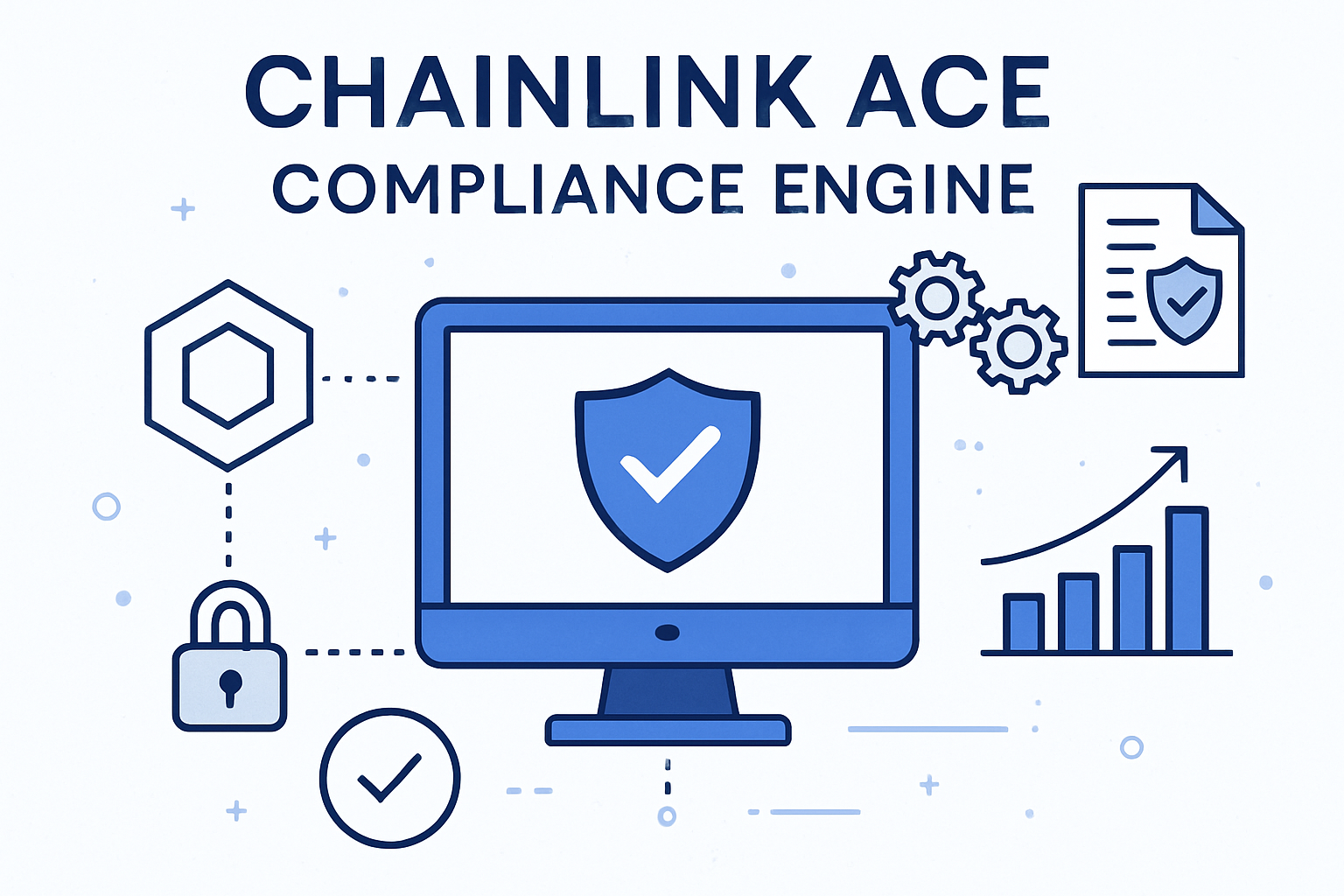
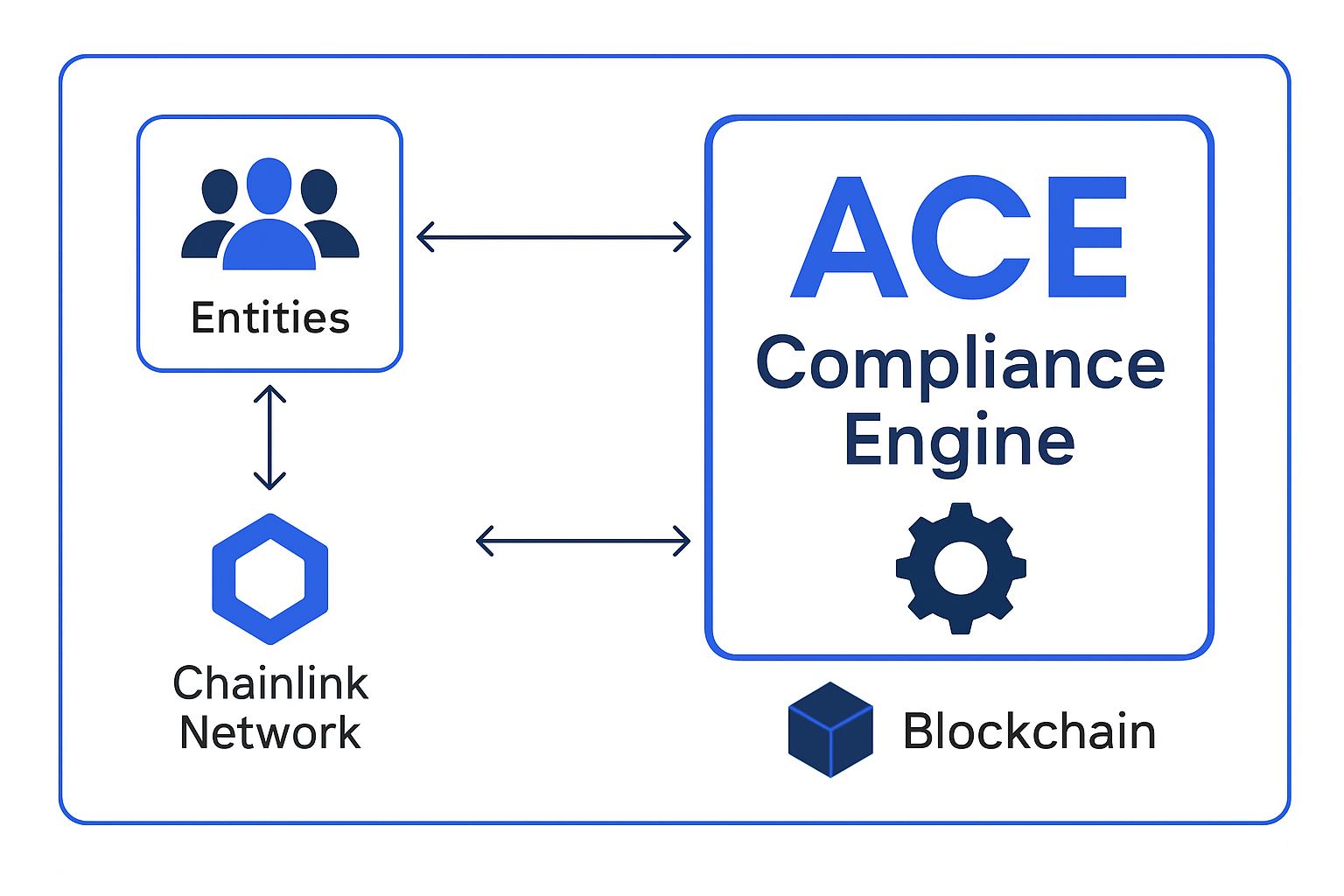
- Dynamic Policy Enforcement: Solutions like Chainlink Automated Compliance Engine (ACE) allow real-time, granular enforcement of allowlist policies, linking onchain identities to offchain credentials and supporting jurisdictional or eligibility-based access controls.
- Proven Implementations: Major ecosystems are already deploying onchain attestations for KYC and allowlist management. The BNB Attestation Service and Solana Attestation Service empower users with decentralized, privacy-preserving identity verification directly tied to their wallets.
Dynamic Policy Enforcement in Real Time
Onchain attestations unlock dynamic policy enforcement for allowlists. With tools like Chainlink’s Automated Compliance Engine (ACE), smart contracts can check attestation status in real time before granting access or executing transactions. This enables granular controls such as jurisdictional restrictions or age gating without human intervention - policies update instantly as attestations are added or revoked on-chain.
This approach is already being adopted by major ecosystems. The BNB Attestation Service lets users generate proofs for use across BNB Chain dApps, while Solana’s Attestation Service empowers wallet holders to manage unique digital identities linked to verified credentials. These implementations signal a new era where allowlist management is not only automated but also composable across the entire Web3 stack.
As this infrastructure matures, we’re seeing a shift from static, one-off KYC to dynamic, reusable digital identities that travel with the user. This not only reduces onboarding friction but also radically improves compliance assurance for projects. Onchain attestations are composable, meaning a single attestation can be referenced by multiple smart contracts and protocols, enabling seamless cross-platform participation for verified users.
For allowlist managers and token issuers, the operational advantages are massive. Instead of maintaining siloed databases or repeatedly requesting documents, projects simply check the blockchain for valid attestations. Updates or revocations happen instantly and transparently, minimizing administrative overhead and virtually eliminating the risk of outdated or fraudulent entries.
Real-World Impact: From DeFi to Token Sales
The practical benefits of onchain attestations are already tangible across Web3 verticals. In DeFi, protocols can safely open lending markets or governance participation to KYCed addresses without ever handling sensitive data directly. For NFT mints and token launches, allowlists based on onchain credentials ensure only compliant participants access early opportunities, no more bot swarms or manual audits.
Consider Solana’s Attestation Service: wallet holders can mint a privacy-preserving proof of identity verification that is accepted across a growing list of dApps (Solana Attestation Service). Meanwhile, BNB’s infrastructure allows users to assert ownership and compliance with decentralized storage integrations like Greenfield (BNB Attestation Service). These models are setting the standard for future Web3 onboarding.
Top Use Cases for Onchain Attestations in Web3 Allowlist Management
- Automated KYC Verification with Blockpass On-Chain KYC®: Platforms like Blockpass enable businesses to issue onchain attestations for KYC-verified users, streamlining allowlist creation by providing reusable, verifiable digital identities—eliminating manual checks and reducing exposure to sensitive data.
- Interoperable Identity Credentials via Attest Protocol: Attest Protocol offers a schema-based infrastructure for cross-chain, composable attestations, allowing dApps to seamlessly share and verify allowlist eligibility without custom smart contracts.
- Privacy-Preserving KYC with OutDID and Zero-Knowledge Proofs: OutDID leverages zero-knowledge proofs for private identity verification, enabling users to prove allowlist eligibility without exposing personal information onchain.
- Dynamic Compliance Enforcement through Chainlink ACE: Chainlink's Automated Compliance Engine (ACE) powers real-time, policy-driven allowlist management by linking onchain attestations to offchain credentials and enforcing jurisdictional or regulatory requirements automatically.
- Decentralized Attestation Services on Major Blockchains: Solutions like BNB Attestation Service and Solana Attestation Service enable secure, onchain storage and verification of KYC credentials, empowering users to control their digital identities and access allowlisted dApps across ecosystems.
Navigating Risks and Building Trust
Of course, no technology is without risks. The immutability of onchain attestations means that mistakes in issuance or revocation must be handled carefully, robust governance processes are essential. There’s also the challenge of standardization: while protocols like Attest Protocol are making strides toward interoperable schemas, widespread adoption will require ongoing collaboration between issuers and dApp developers.
Yet the upside is undeniable. By shifting trust from centralized intermediaries to transparent cryptographic proofs, onchain attestations unlock a new era of user-centric compliance. They empower individuals with control over their credentials while giving projects confidence in their allowlists’ integrity. As more teams integrate these tools into their onboarding flows, expect a rapid acceleration in both security and user experience across the decentralized ecosystem.
The Road Ahead: Seamless Web3 Onboarding
The evolution toward onchain attestation-driven allowlists signals a maturation of Web3 identity infrastructure. As privacy-preserving technologies like ZKPs become mainstream and cross-chain standards solidify, expect onboarding to become as simple as connecting a wallet, with KYC status verifiable everywhere you go.
The future is clear: decentralized identity, anchored by onchain attestations, will be foundational for compliant growth in DeFi, NFTs, DAOs, and beyond. Projects that embrace this paradigm today will be best positioned to scale securely, and users will finally enjoy frictionless access to the full spectrum of Web3 innovation.




No comments yet. Be the first to share your thoughts!