
What onchain KYC 2026 means
Onchain KYC 2026 marks a shift from static document uploads to real-time, smart-contract-verifiable identity attestations. In 2026, compliance is no longer a one-time gate at the entrance of a DeFi protocol. It is a continuous, programmable state that travels with the user across chains.
Traditional KYC relies on centralized databases of PDFs and government IDs. This model creates friction and privacy risks. Onchain KYC replaces these static records with cryptographic proofs. These proofs, often called verifiable credentials or attestations, confirm a user’s status without revealing their underlying personal data.
This approach aligns with the evolving regulatory expectations of 2026. Protocols now need to prove they are interacting with compliant entities in real-time. Smart contracts can now check these attestations automatically, allowing compliant users to access liquidity while keeping non-compliant actors out.
The result is a more fluid DeFi environment. Users verify their identity once with a trusted provider. They then carry that verified status across multiple applications. This reduces repetitive friction while maintaining the security standards that regulators require.
Real-time verification models
OnChain KYC 2026 moves beyond static document uploads, shifting toward continuous identity states that update automatically. This shift relies on two core mechanisms: oracles that bridge off-chain data and zero-knowledge proofs (ZKPs) that protect user privacy. Together, they allow smart contracts to verify compliance without storing sensitive personal information on the blockchain.
Oracle-fed identity states
Oracles act as the bridge between traditional identity providers and on-chain logic. Instead of a user manually uploading a passport every time a protocol updates its rules, an oracle feeds a verified "identity state" directly to the smart contract. This state is a simple boolean or code: is the user compliant right now? If the underlying KYC provider revokes or updates that status, the oracle updates the on-chain record in near real-time.
This model prevents the common 2025 failure point where users passed KYC but their status expired without the protocol knowing. By delegating the verification check to the oracle, DeFi applications can enforce compliance dynamically. The smart contract only cares about the current validity of the identity token, not the original document scan.
Zero-knowledge proofs for privacy
Zero-knowledge proofs solve the privacy paradox inherent in OnChain KYC 2026. A ZKP allows a user to prove they meet a specific criterion—such as being over 18 or not located in a sanctioned country—without revealing their actual name, address, or birthdate. The protocol receives a cryptographic proof that the data is valid, ensuring regulatory compliance while keeping the user's identity anonymous to the public ledger.
This approach is critical for global adoption. Users are increasingly reluctant to submit full identity documents to decentralized platforms. ZKPs allow them to demonstrate compliance with local laws without exposing their personal data to a central database, reducing the risk of data breaches. The combination of oracle-fed states and ZKPs creates a system that is both legally compliant and privacy-preserving.

The verification flow
- Off-chain verification: The user submits identity documents to a trusted provider.
- Oracle update: The provider sends a signed attestation to the oracle network.
- Smart contract check: The dApp queries the oracle for the user's current status.
- ZKP generation: The user generates a proof of compliance without revealing raw data.
- Access granted: The smart contract verifies the ZKP and grants access to the protocol.
This flow ensures that compliance is not a one-time event but a continuous, verifiable state. As regulations tighten in 2026, this technical infrastructure will become the standard for legitimate DeFi operations.
Regulatory shifts force onchain identity checks
The 2026 regulatory environment no longer treats decentralization as a shield against compliance. Frameworks like the EU’s Markets in Crypto-Assets (MiCA) regulation and updated Travel Rule adaptations require digital asset service providers to verify user identities before allowing transactions. For DeFi protocols, this means integrating OnChain KYC 2026 standards is no longer optional—it is a prerequisite for legal operation.
Regulators are closing the gap between centralized exchanges and decentralized platforms. The Travel Rule, originally designed for fiat transfers, now applies to crypto transactions exceeding specific thresholds. Protocols must ensure that identity data travels with the asset, often through onchain whitelists or zero-knowledge proof verifications. This shift effectively merges traditional banking compliance with blockchain technology, creating a unified standard for financial integrity.
To understand how these requirements differ across platforms, consider the following comparison of compliance obligations for 2026:
This table highlights the divergence in how different entities handle identity verification. Centralized exchanges face the strictest requirements, while decentralized platforms often rely on gateway solutions or optional verification layers. Tokenized funds, however, are increasingly adopting mandatory onchain KYC, mirroring traditional securities compliance. As regulations tighten, the line between "decentralized" and "regulated" continues to blur, making OnChain KYC 2026 a standard feature for any protocol aiming for mainstream adoption.
Standards shaping OnChain KYC 2026
The move toward OnChain KYC 2026 relies on formalizing how identity data is structured on-chain. Unlike traditional databases, blockchain identity requires standardized formats to ensure that verification data is portable, machine-readable, and interoperable across different DeFi protocols. Two emerging standards are currently defining this space: ERC-4361 and the Ethereum Attestation Service (EAS).
ERC-4361 simplifies the initial identity handshake. It defines a standard string format for a user’s KYC status, allowing dApps to request verification through a simple signature. When a user clicks "Connect Wallet," the protocol can prompt them to sign a message containing their attestation. This creates a lightweight, reusable proof that can be shared across multiple applications without re-uploading documents to a central server. It shifts the burden of verification from the individual app to a standardized, user-controlled credential.
EAS provides the deeper infrastructure for storing and verifying these attestations. Rather than storing sensitive personal data on-chain, EAS allows verifiers to issue signed attestations that reference an off-chain data point or a previous verification event. This creates a verifiable graph of identity that respects privacy while satisfying compliance requirements. For OnChain KYC 2026, EAS enables protocols to query a user’s compliance status programmatically, ensuring that only verified users can interact with regulated financial products.
Together, these standards create a modular identity layer. ERC-4361 handles the user interaction, while EAS manages the trust graph. This architecture allows DeFi applications to integrate compliance without building their own identity verification stacks from scratch, reducing friction for users and improving security across the ecosystem.
How to evaluate OnChain KYC 2026 providers
Selecting a provider for OnChain KYC 2026 requires more than checking API documentation. You need a partner that bridges the gap between decentralized identity standards and traditional regulatory bodies. The right infrastructure protects your protocol from sanctions violations while maintaining the privacy principles that define DeFi.
Follow this checklist to assess potential vendors against current compliance requirements.
Ensure the provider supports the specific regulatory frameworks where your users reside. A single-provider solution often fails when users cross borders. Check if the vendor integrates with global sanctions lists and can adapt to regional data residency laws like GDPR or the upcoming EU MiCA requirements. Without broad coverage, your protocol risks blocking legitimate users or violating local laws.
Identity verification is only half the battle. The provider must screen connected wallets against real-time AML databases. Look for vendors that flag interactions with mixers, darknet markets, or sanctioned entities. This screening should happen automatically during the transaction flow, not just at the initial onboarding stage, to prevent dirty funds from entering your liquidity pools.
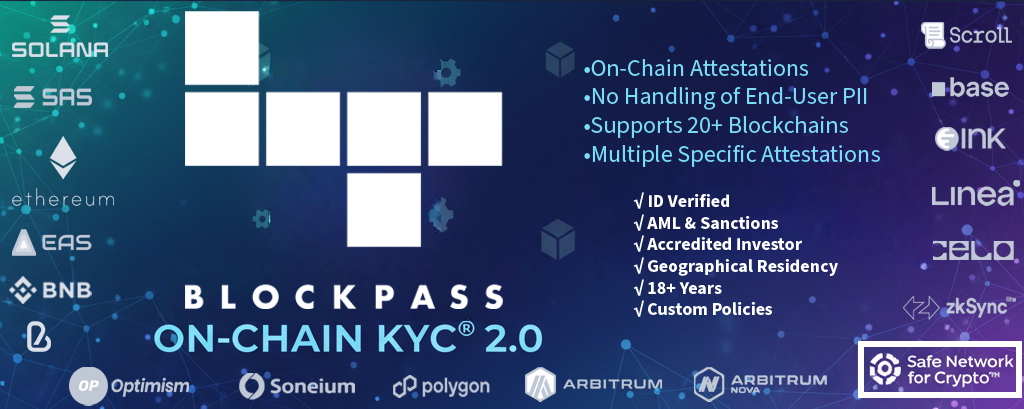
Evaluate the developer experience. The best OnChain KYC 2026 solutions offer SDKs and smart contract templates that integrate with your existing frontend. If the integration requires weeks of custom coding, the user friction will be too high. Prioritize providers with clear documentation and pre-built components that allow you to deploy compliance checks within days.
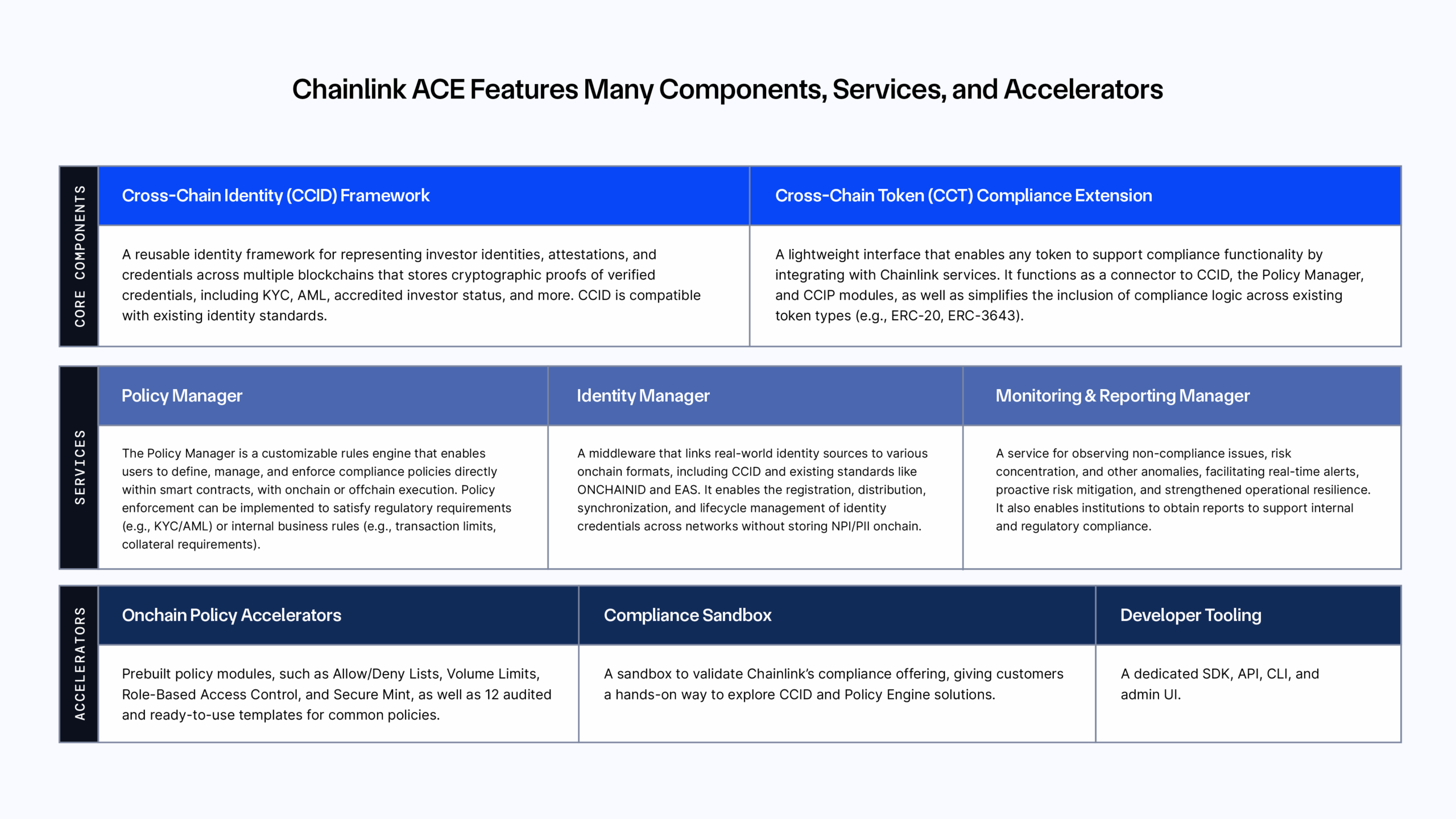
Understand where identity documents and biometric data are stored. Reputable providers use zero-knowledge proofs or decentralized identity standards to keep sensitive data off centralized servers. Ensure the vendor has a clear data retention policy and offers mechanisms for users to delete their data upon request, which is a legal requirement in many jurisdictions.
By focusing on these four pillars, you can build a compliance layer that is both legally sound and user-friendly. The goal is to make verification invisible to compliant users while creating a hard barrier against illicit actors.
Onchain kyc 2026: common: what to check next
Does blockchain have KYC? Yes. OnChain KYC 2026 integrates identity verification directly into decentralized protocols. This approach allows platforms to verify users while maintaining the privacy and transparency inherent to blockchain technology. It moves compliance from a centralized gatekeeper to a verifiable on-chain credential.
Is KYC verification safe? Modern verification methods prioritize data minimization. Instead of storing raw personal documents, systems often use zero-knowledge proofs to confirm identity status without exposing sensitive details. This ensures that your financial data remains secure while satisfying regulatory requirements.
Why am I getting KYC verification? Regulatory bodies worldwide are mandating identity checks to prevent money laundering and terrorism financing. As DeFi integrates with traditional finance, compliant platforms must verify users to operate legally. This is a standard requirement for accessing most major DeFi protocols in 2026.
No comments yet. Be the first to share your thoughts!