
The Web3 ecosystem in 2025 is undergoing a pivotal transformation as onchain attestations for KYCed addresses become the gold standard for allowlist management. With regulatory scrutiny intensifying and user onboarding fatigue at an all-time high, decentralized applications (dApps), DeFi platforms, and token projects are turning to blockchain-based identity credentials to streamline access control while ensuring compliance and privacy.
Why Traditional KYC Falls Short in Web3
Historically, each Web3 project or dApp required users to complete Know Your Customer (KYC) checks independently. This process was not only repetitive but also a significant barrier to adoption. Users faced multiple requests to upload sensitive documents, increasing both friction and the risk of data breaches. For project teams, managing siloed KYC databases introduced operational overhead and heightened compliance risks.
Allowlists - curated lists of wallet addresses permitted to participate in activities like NFT mints or token sales - have been essential for controlling access and meeting regulatory obligations. However, traditional allowlist management often relied on off-chain spreadsheets or centralized services, making it difficult to verify user credentials efficiently or maintain privacy.
Onchain Attestations: The New Backbone of Allowlist Management
Onchain attestations for KYCed addresses solve these pain points by enabling verifiable, reusable digital identities directly on the blockchain. Instead of repeating KYC checks for every new project, users complete verification once with a trusted provider. The resulting attestation is cryptographically signed and stored onchain, linked to their wallet address but without exposing underlying personal data.
This approach brings several immediate benefits:
- Efficiency: Instant verification across multiple platforms reduces onboarding times from days to seconds.
- User Experience: Frictionless participation in token launches, gated communities, and exclusive DeFi opportunities.
- Compliance: Attestations are tamper-proof and auditable, meeting evolving global regulations without compromising user privacy.
The Solana Attestation Service (SAS) and platforms like zkMe exemplify this trend by offering scalable solutions that have already processed millions of attestations. As a result, dApps can reference these proofs onchain when building allowlists - no more redundant document uploads or manual checks.
Privacy-Preserving Onboarding Meets Regulatory Demands
A key innovation driving adoption is the use of zero-knowledge proofs (ZKPs) within these attestations. Rather than revealing full identity details, users can prove they meet specific criteria (such as being over 18 or not residing in sanctioned jurisdictions) without disclosing any more information than necessary. This aligns with GDPR principles while satisfying anti-money laundering (AML) requirements globally.
The result is a win-win: platforms stay compliant without collecting mountains of sensitive data; users retain sovereignty over their identities while enjoying seamless access across the Web3 landscape. Services such as Blockpass's On-Chain KYC® 2.0 have made it possible for businesses to issue interoperable attestations recognized by multiple blockchains - further reducing duplication and risk.
This convergence of privacy preservation and regulatory compliance is already changing how projects approach token launches and gated community access. To learn more about how onchain attestations enable seamless Web3 allowlist management, see this detailed guide.
With these advances, the practical landscape for allowlist management is rapidly evolving. Projects launching token sales, NFT mints, or exclusive DeFi programs can now assemble dynamic allowlists by querying onchain attestations. This reduces operational complexity and eliminates the bottleneck of manual KYC review, especially during high-demand events where speed and trust are paramount. In addition, smart contracts can be programmed to check for valid attestations before permitting wallet interactions, automating compliance at the protocol level.
Composability and Ecosystem Synergy
One of the most compelling features of onchain attestations for KYCed addresses is their composability. Because these credentials adhere to open standards and are stored on public ledgers, any dApp or platform can integrate with them regardless of its underlying blockchain. This opens the door to cross-platform allowlists, shared user pools for collaborative launches, and even cross-chain compliance frameworks. The result: a more interconnected Web3 ecosystem where identity verification is portable and universally recognized.
Consider a scenario where a user completes KYC with a reputable provider on Ethereum. Their attestation can then be referenced by Solana-based projects or Layer 2 protocols without additional onboarding steps. This not only streamlines user journeys but also encourages broader participation in decentralized finance and community-driven initiatives.
Real-World Use Cases for Onchain KYC Attestations in Web3 (2025)
- Solana Attestation Service (SAS): Permissionless KYC for dAppsThe Solana Attestation Service enables users to store KYC attestations directly on-chain, allowing decentralized applications to instantly verify user eligibility for allowlists without repeated KYC checks. This streamlines onboarding for NFT mints, token sales, and gated communities across the Solana ecosystem.

- zkMe: Privacy-Preserving KYC for Multi-Chain AccesszkMe leverages zero-knowledge proofs to issue reusable KYC attestations, letting users prove eligibility for allowlists across DeFi, GameFi, and NFT platforms without exposing sensitive data. Over 3 million attestations have been processed, highlighting its adoption and scalability.
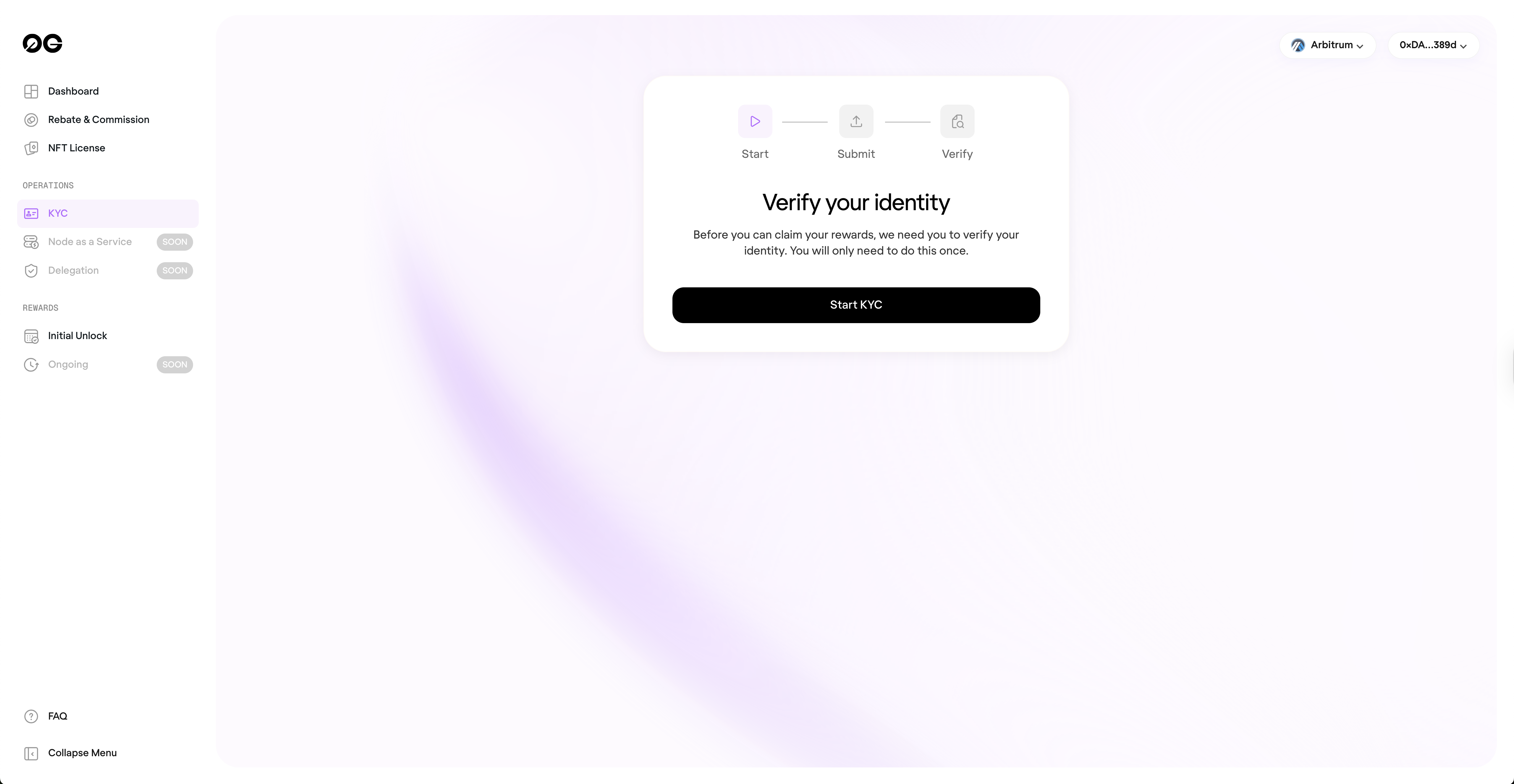
- Blockpass On-Chain KYC® 2.0: Reusable Digital Identity Across BlockchainsBlockpass empowers users and enterprises to issue and verify on-chain KYC attestations, enabling seamless allowlist management for token launches, DeFi protocols, and regulated Web3 services on multiple blockchains.
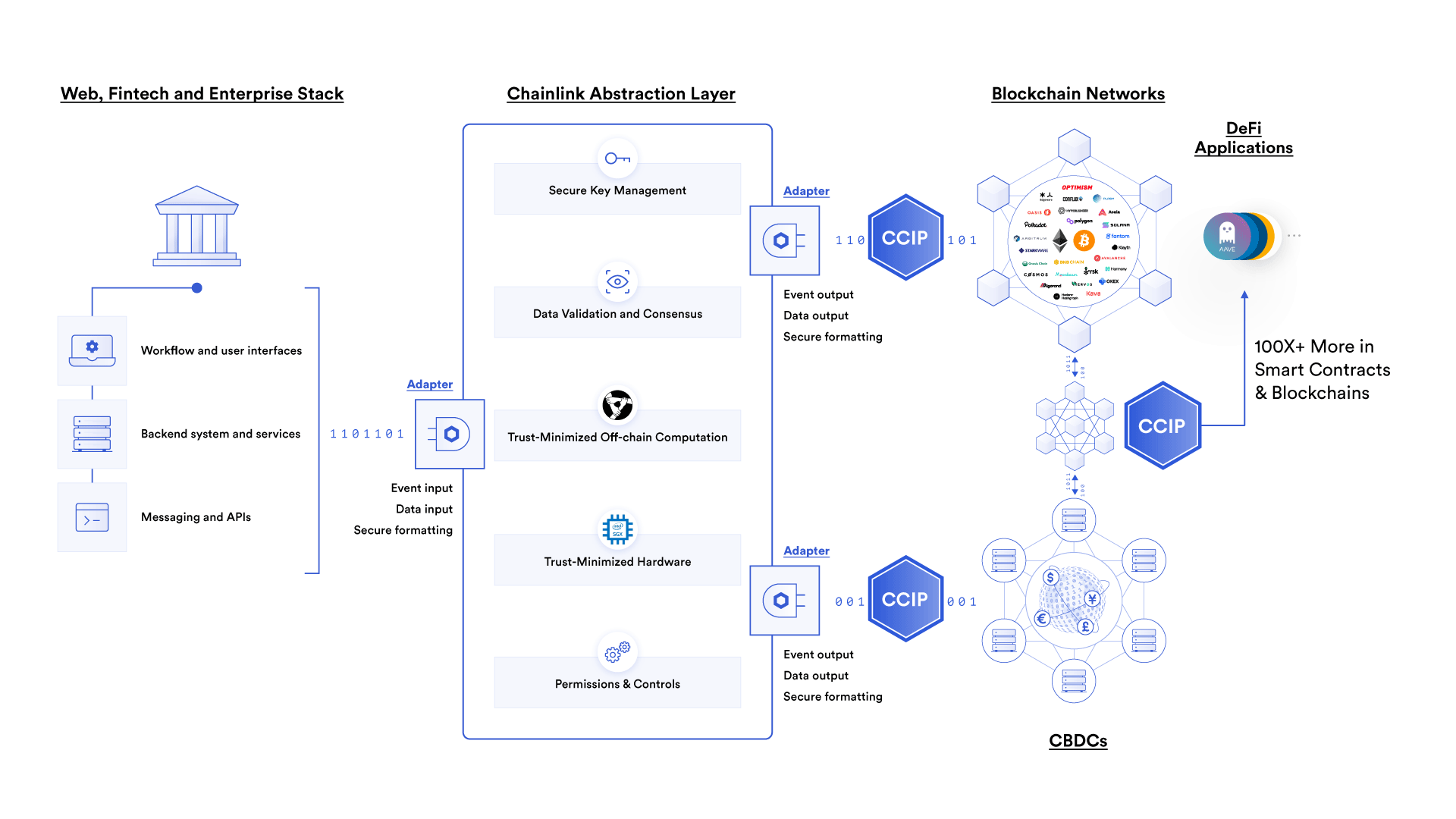
- Chainlink ACE (Automated Compliance Engine): Cross-Chain Compliance AutomationChainlink ACE connects on-chain KYC attestations with allowlist logic, automating access control for dApps and digital asset operations while ensuring regulatory compliance across different blockchains.
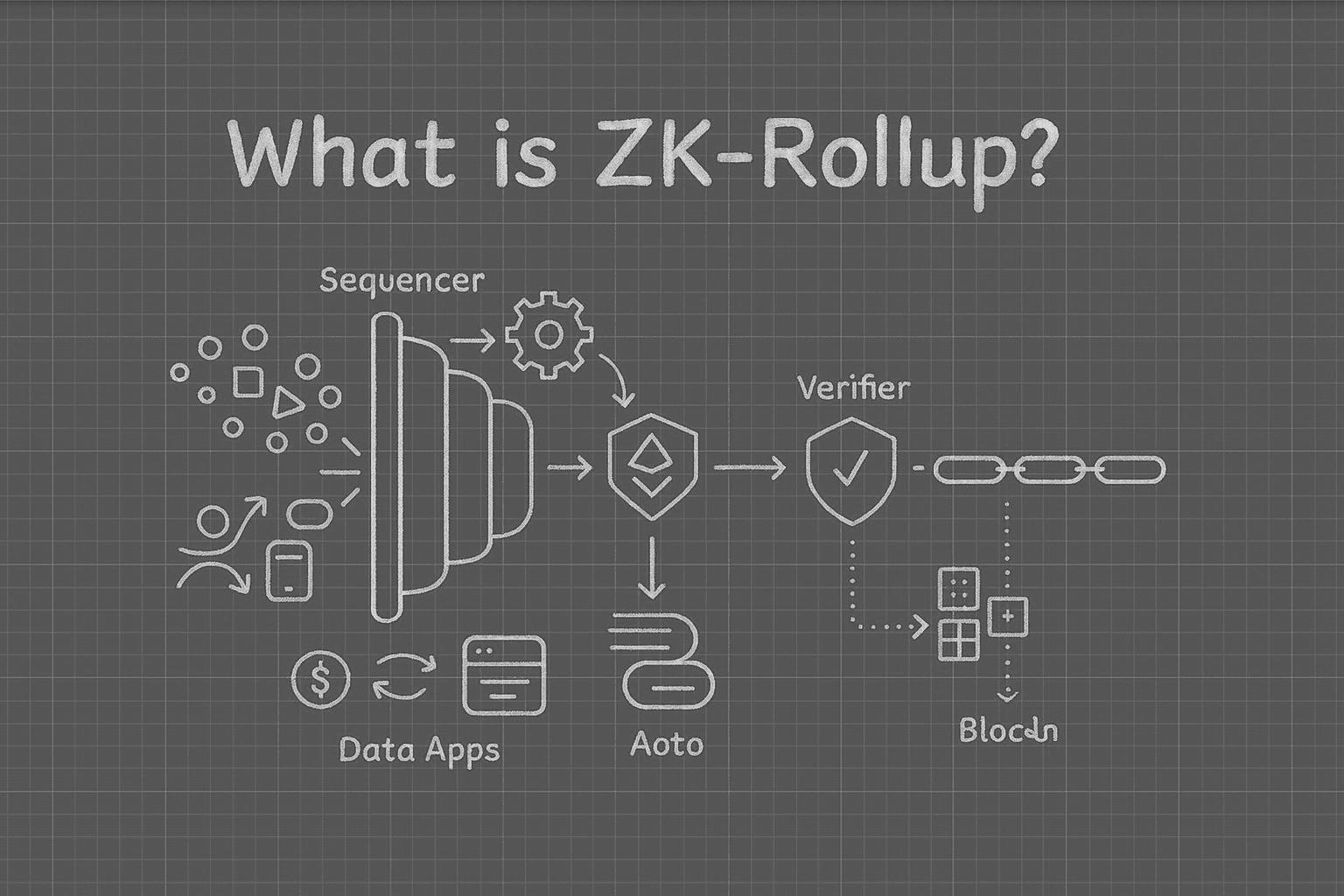
- zkSync Era: Onchain KYC for Scalable DeFi AllowlistszkSync Era integrates onchain KYC attestations to manage allowlists for DeFi protocols, enabling fast, privacy-preserving user onboarding and regulatory compliance at scale.
Risks Addressed: Security, Fraud Prevention, and Data Minimization
Security remains at the forefront of allowlist management concerns in 2025. Onchain attestations mitigate several key risks:
- Fraud prevention: Tamper-proof records make it virtually impossible for malicious actors to forge credentials or bypass access controls.
- Data minimization: Zero-knowledge proofs ensure that only proof-of-eligibility is shared, not underlying personal data, reducing attack surfaces for data breaches.
- Auditability: All verifications are transparently recorded onchain, enabling robust audits without compromising privacy.
This approach is already proving its worth in large-scale token launches and regulated DeFi products where both security and privacy are non-negotiable.
Looking Ahead: The Future of Allowlist Management
The adoption curve for decentralized KYC verification is steepening as more platforms recognize its benefits. In 2025 and beyond, expect to see further integration between attestation providers, chain-agnostic identity standards, and automated compliance engines like Chainlink ACE. These developments will empower projects to scale globally while remaining agile in response to regulatory changes.
If you're building in Web3 or managing an allowlist for your next token sale or gated community launch, integrating onchain attestations should be at the top of your checklist. Not only does this approach reduce friction and risk, it lays the groundwork for interoperable digital identity that respects both privacy and compliance mandates.
Dive deeper into best practices for frictionless allowlist management with onchain attestations by visiting this resource. For technical guidance or integration support, consult our comprehensive guides dedicated to building secure allowlists using attested addresses in Web3 environments.




No comments yet. Be the first to share your thoughts!