
Onchain KYC 2026: What to Expect
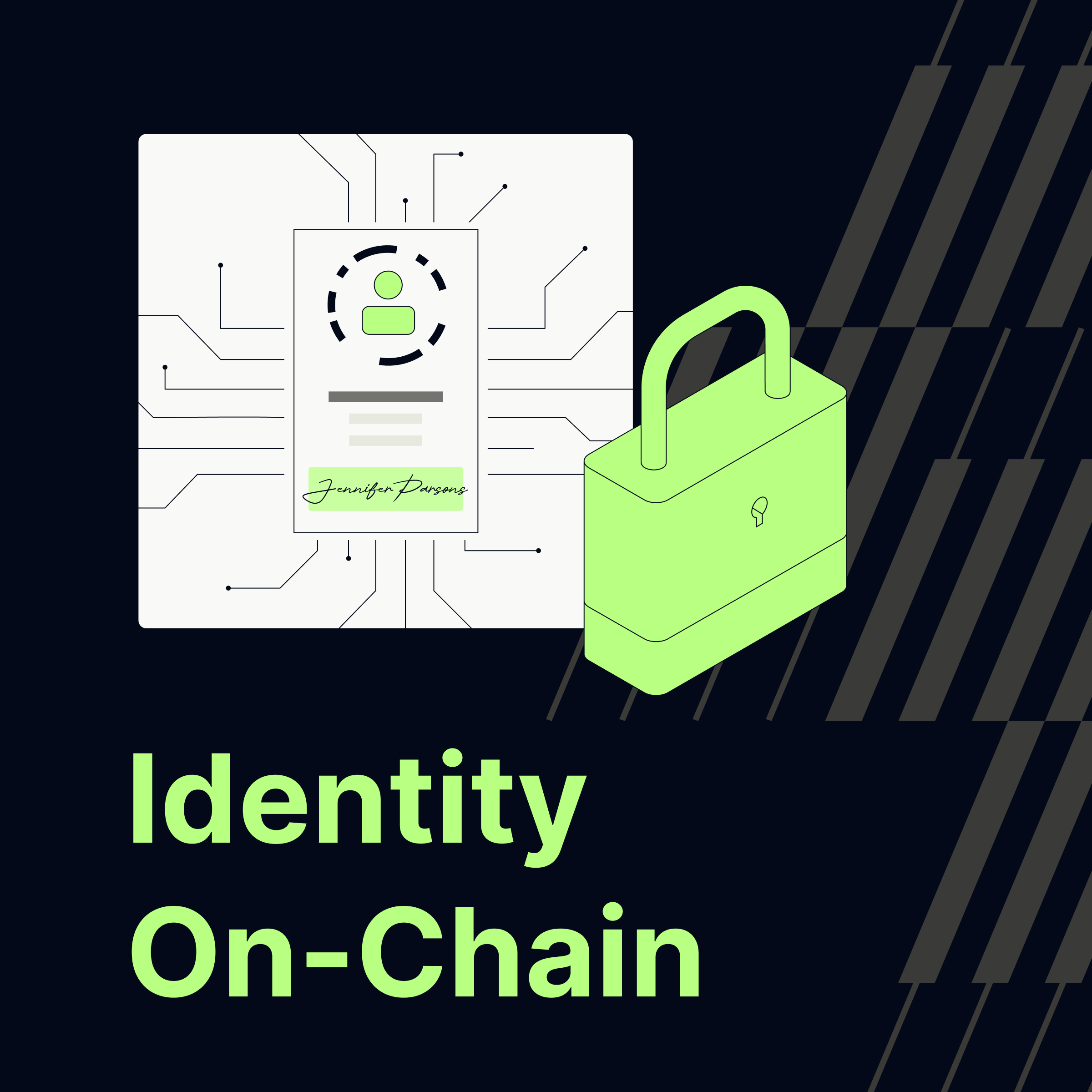
Onchain KYC 2026 marks a shift from centralized gatekeeping to decentralized identity verification. Instead of uploading documents to a single server, users prove their identity through zero-knowledge proofs and verifiable credentials stored in their wallets 1. This approach allows compliance without exposing sensitive personal data to third parties.
The landscape is changing as regulators demand clearer trails for anti-money laundering (AML) while developers push for privacy-preserving solutions. By 2026, most major DeFi protocols and centralized exchanges will likely require some form of onchain identity verification to operate legally. This means your wallet address will soon carry a "verified" badge, accessible only by authorized smart contracts.
For users, this translates to a smoother experience. No more repeated uploads for every new platform. Once verified, your status travels with you across the ecosystem. However, this also means permanent onchain records of your compliance status, raising new questions about data sovereignty and the safety of onchain wallets 2.
Onchain kyc 2026 choices that change the plan
Choosing an identity verification method requires weighing privacy against compliance. Onchain KYC 2026 solutions offer different tradeoffs depending on whether you prioritize user anonymity, regulatory adherence, or operational speed. Understanding these factors helps you select the right infrastructure for your specific use case.
| Method | Privacy | Compliance | User Friction |
|---|---|---|---|
| Traditional Offchain | Low (Centralized DB) | High (Full Audit Trail) | High (Manual Uploads) |
| Onchain ZK-KYC | High (Zero-Knowledge) | Medium (Selective Disclosure) | Low (One-Time Proof) |
| DID-Based | Medium (Self-Sovereign) | Variable (Depends on Issuer) | Medium (Setup Required) |
Traditional offchain verification stores identity documents in centralized databases. This approach offers the highest level of regulatory clarity because auditors can directly inspect records. However, it creates significant privacy risks and high user friction through manual document uploads. Users must trust a single entity with sensitive personal data, increasing the attack surface for data breaches.
Onchain zero-knowledge (ZK) KYC allows users to prove compliance without revealing underlying data. This method offers superior privacy and lower long-term friction after the initial verification. The tradeoff is that compliance teams must build robust systems to interpret and validate zero-knowledge proofs, which can be technically complex. Regulatory acceptance is still evolving in some jurisdictions, requiring careful legal review.
Decentralized Identifiers (DIDs) offer a middle ground. They give users control over their identity credentials while allowing selective disclosure to service providers. Compliance depends heavily on the reputation and standards of the issuing authority. User friction is moderate, as setting up a DID wallet requires some technical literacy.
The choice ultimately depends on your risk tolerance. If regulatory certainty is the primary goal, traditional offchain methods remain the safest bet. If user experience and privacy are critical, onchain ZK solutions are becoming the standard for 2026. Consider your target audience and local regulations when making this decision.
Choose the next step
OnChain KYC Trends works best as a clear sequence: define the constraint, compare the realistic options, test the tradeoff, and choose the path with the fewest hidden costs. That order keeps the advice usable instead of decorative. After each step, pause long enough to check whether the recommendation still fits the reader's actual situation. If it depends on perfect timing, unusual access, or a best-case budget, include a simpler fallback.
Spotting Weak Onchain KYC Options
Not all onchain identity solutions are built equal. While decentralized identity offers privacy, many projects mask poor compliance or security practices behind buzzwords. Before integrating or using these tools, look for these common pitfalls.
The Oracle Gap
Many platforms claim "onchain verification" but rely on centralized oracles to attest identity. If the oracle operator is compromised, your identity status is falsified. Check if the verification logic is fully onchain or if it depends on off-chain attestations that can be revoked without notice.
Over-Polymorphic Data
Some wallets request excessive personal data upfront. Legitimate decentralized identity (DID) systems use zero-knowledge proofs to verify age or residency without revealing your name or address. If a solution asks for a full government ID scan before any onchain interaction, it is likely just a traditional KYC wrapper, not a true decentralized alternative.
Lack of Revocation Mechanisms
Traditional KYC is static; onchain KYC should be dynamic. A weak option fails to support revocation. If your identity status changes (e.g., you are sanctioned), can you prove it? Ensure the protocol supports credential revocation lists or selective disclosure updates.
Decision Checklist
- Trust Model: Is the verifier a known, audited smart contract or a black-box API?
- Data Minimization: Does it use ZK-proofs to hide sensitive data?
- Portability: Can you use your credential across multiple dApps without re-verifying?
Avoid solutions that prioritize speed over verifiable privacy. The best onchain KYC is invisible until it is needed.
Onchain kyc 2026: what to check next
Is KYC mandatory for all crypto?
No. Self-custody wallets like MetaMask or Ledger do not require identity verification to function. However, regulated centralized exchanges (CEXs) and tokenized asset platforms enforce KYC to comply with anti-money laundering (AML) laws. If you interact with fiat on-ramps or security tokens, verification is mandatory.
Are onchain wallets safe with KYC?
Onchain identity systems are generally safer than traditional databases because they use decentralized identifiers (DIDs) and zero-knowledge proofs. Instead of storing raw personal data on a central server, you hold a cryptographic attestation. This reduces the risk of large-scale data breaches while still proving your identity to compliant applications.
Why am I getting KYC verification?
You are likely encountering verification because you are using a regulated service provider, such as a crypto exchange or a tokenized fund platform. These entities must perform Know Your Customer (KYC) checks to prevent illicit activity. Additionally, some decentralized finance (DeFi) protocols now integrate onchain KYC oracles to restrict access to accredited investors or specific jurisdictions.
How can I get KYC verification?
Most platforms offer verification through a simple mobile app workflow. You will typically need to upload a government-issued ID and complete a liveness check (a short video selfie). For institutional accounts, the process may involve submitting business registration documents. Reputable providers like Blockpass or KYC-Chain automate these checks via API for seamless integration.
Footnotes
-
Onchain KYC is the process of verifying user identity for blockchain applications using smart contracts and oracles. Chainlink. ↩
-
While decentralized, wallet security remains critical. Ensure your private keys and recovery phrases are protected, as identity data linked to your address can be targeted. ↩
No comments yet. Be the first to share your thoughts!