
Onchain kyc 2026 limits to account for
Use this section to make the AI-Driven OnChain KYC decision easier to compare in real life, not just on paper. Start with the reader's actual constraint, then separate must-have requirements from details that are merely nice to have. A practical choice should survive normal use, maintenance, timing, and budget. If a recommendation only works in an ideal situation, call that out plainly and give the reader a fallback path.
The simplest way to use this section is to write down the must-have criteria first, then compare each option against those criteria before weighing nice-to-have features.
Onchain kyc 2026 choices that change the plan
Choosing an onchain KYC provider in 2026 requires balancing strict regulatory compliance with user experience. The landscape has shifted from simple static document uploads to continuous behavioral authentication, but this evolution introduces distinct tradeoffs. Platforms must decide how much friction they are willing to accept to satisfy regulators and reduce fraud risk.
The primary tension lies between privacy-preserving zero-knowledge proofs and the data transparency required by traditional banking partners. Providers like KYC-Chain and BlockPass offer different architectures, impacting integration complexity and user retention. Understanding these differences is essential for selecting the right compliance infrastructure.
Comparison of Compliance Approaches
| Feature | Static Document Verification | Behavioral Biometrics | Zero-Knowledge Proofs |
|---|---|---|---|
| Verification Speed | 2-5 minutes | Real-time | Immediate |
| Data Privacy | Low (stores PII) | Medium (stores patterns) | High (stores proofs) |
| Fraud Detection | Reactive | Proactive | Preventive |
| Regulatory Acceptance | High | Growing | Limited |
Tradeoffs by Use Case
The right choice depends heavily on your specific operational model. Decentralized exchanges often prioritize zero-knowledge proofs to maintain user anonymity while proving compliance. Centralized platforms may prefer behavioral biometrics to monitor ongoing risk without constant re-verification.
For high-volume DeFi applications, static verification creates a bottleneck that drives users away. However, relying solely on behavioral signals can miss sophisticated identity fraud. Most successful platforms in 2026 use a hybrid model, combining initial static checks with continuous behavioral monitoring to balance security and accessibility.
Decision Framework
Evaluate providers based on their ability to integrate with your existing tech stack and their track record with regulatory bodies. Consider the cost of false positives, which can alienate legitimate users, against the risk of regulatory penalties for false negatives. The goal is to minimize friction while maintaining a robust audit trail.
| Provider | Primary Focus | Core Technology | Pricing Model |
|---|---|---|---|
| KYC-Chain | AML Monitoring | Automated Screening | Subscription |
| BlockPass | Digital Identity | On-Chain Attestations | Per-Verification |
| Chainlink CCIP | Cross-Chain | Oracle Network | Usage-Based |
Choose the next step
AI-Driven OnChain KYC works best as a clear sequence: define the constraint, compare the realistic options, test the tradeoff, and choose the path with the fewest hidden costs. That order keeps the advice usable instead of decorative. After each step, pause long enough to check whether the recommendation still fits the reader's actual situation. If it depends on perfect timing, unusual access, or a best-case budget, include a simpler fallback.

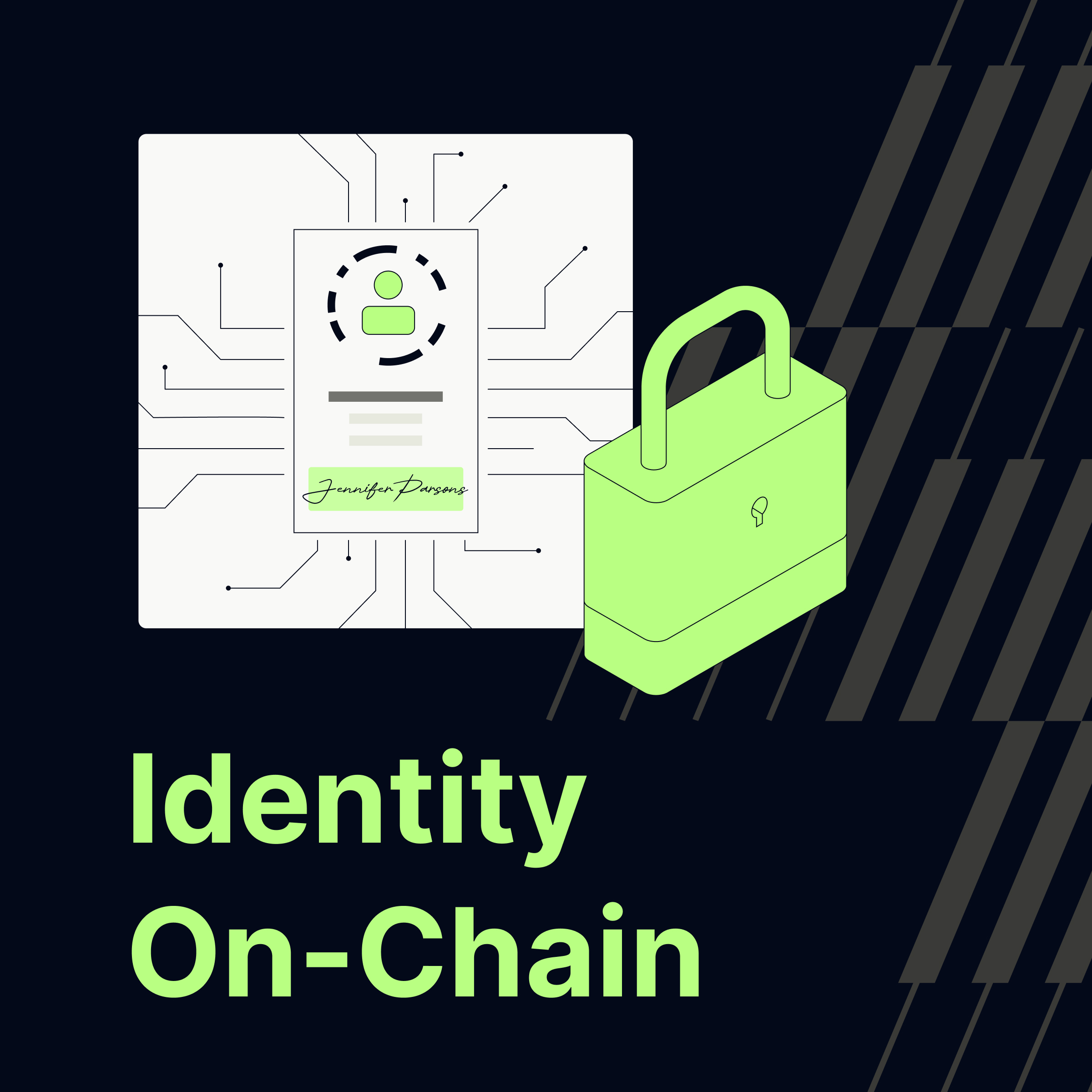

Spotting Weak KYC Options
Not all on-chain identity solutions are built equal. As the market shifts toward continuous behavioral authentication, several providers still rely on static, one-time verification. This approach creates a false sense of security. A user who passes KYC today may still be compromised tomorrow if their private keys are stolen or their behavior changes.
Many platforms market "AI-driven" compliance but lack real-time risk scoring. They verify identity but ignore context. This is a critical blind spot. If a wallet suddenly moves funds to a high-risk mixer, a static KYC badge offers no protection. You need systems that monitor behavior, not just history.
Red Flags to Watch For
- Static Verification Only: If the system does not re-evaluate risk after initial onboarding, it is outdated. Look for continuous monitoring.
- No On-Chain Context: Providers that ignore transaction history or wallet reputation are missing key signals.
- Opaque AI Models: Avoid platforms that do not explain how their risk scores are calculated. Transparency is non-negotiable in high-stakes compliance.
Choose providers that offer live data feeds and explainable AI. This ensures your compliance is robust, not just cosmetic.
Onchain kyc 2026: what to check next
Helpful gear
Use these product recommendations as a starting point, then choose the size, material, and price point that fit how you actually use the gear.



As an Amazon Associate, we may earn from qualifying purchases.
No comments yet. Be the first to share your thoughts!