
What OnChain KYC Actually Is
OnChain KYC (Know Your Customer) is a compliance mechanism that verifies user identity on a blockchain using smart contracts and cryptographic proofs. This approach allows institutions to meet regulatory standards, such as anti-money laundering requirements, while preserving user privacy by avoiding the storage of raw personally identifiable information (PII) on-chain.
How Decentralized Identity Preserves Privacy
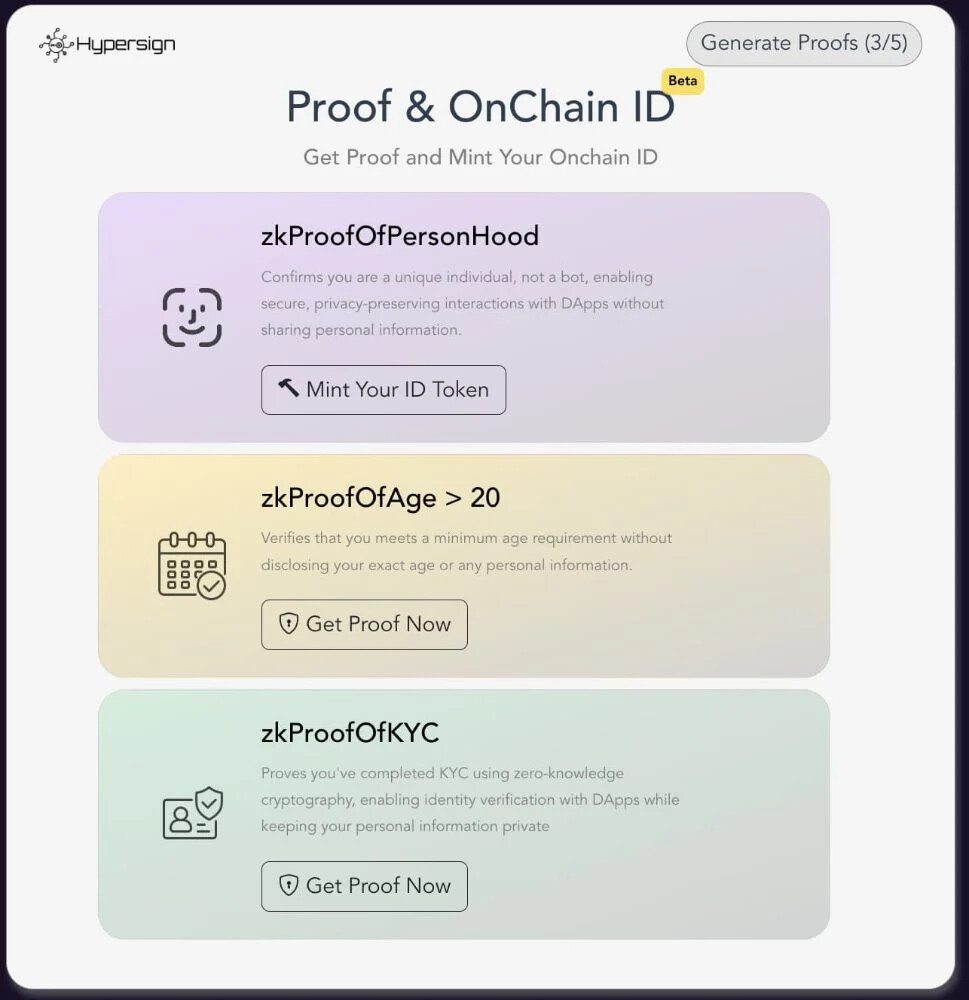
Decentralized identity shifts the burden of proof from data storage to cryptographic verification. Instead of uploading raw PII to centralized servers, users generate zero-knowledge proofs (ZKPs) that confirm specific attributes without revealing the underlying data. This architecture ensures that compliance checks can occur on-chain while keeping sensitive documents like passports and tax records off the ledger.
The mechanism relies on selective disclosure. A user might hold a credential issued by a known entity, such as a government or licensed financial institution. When a verifier asks for proof of age or residency, the cryptographic protocol allows the user to prove they meet the criteria—such as being over 18 or residing in the EU—without exposing their exact birthdate or home address.

This approach aligns with regulatory requirements like the EU’s eIDAS 2.0, which mandates strong customer authentication while protecting user privacy. By using zero-knowledge proofs, institutions can satisfy anti-money laundering and counter-terrorist financing obligations without creating single points of failure for sensitive user data. The result is a system where compliance is verified, not inferred from exposed records.
Key OnChain KYC Providers and Standards
The onchain compliance market has consolidated around three primary infrastructure models as of 2026. These providers differ in their verification methods, supported blockchain networks, and target institutional use cases. Selecting the correct provider requires aligning technical architecture with specific regulatory obligations.
Chainlink Onchain KYC relies on oracle networks to feed verified identity data into smart contracts. This model allows institutions to meet anti-money laundering standards without exposing raw personal data, using cryptographic proofs instead. It is particularly suited for DeFi protocols requiring real-time compliance checks within transaction logic.
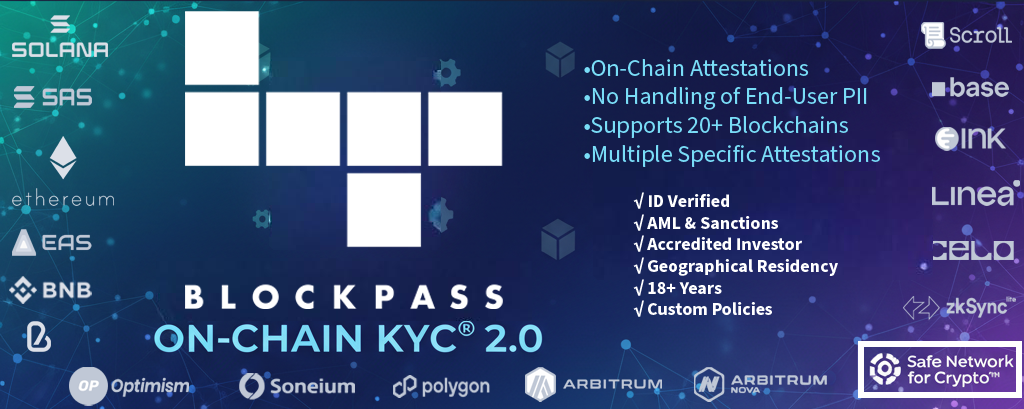
Blockpass offers On-Chain KYC 2.0, which issues reusable digital attestations. These verifiable credentials can be validated on or off the blockchain, providing flexibility for cross-chain interoperability. This approach is widely adopted by decentralized organizations needing modular identity management.
Coinbase Verifications provides a streamlined pathway for users to prove identity directly from their exchange accounts. By connecting a verified Coinbase wallet, users can claim onchain attestations that are recognized across various ecosystems. This is the standard for exchange-integrated compliance and regulated asset issuance.
The following table compares these providers by their core technical attributes and primary deployment scenarios.
| Provider | Verification Method | Supported Chains | Primary Use Case |
|---|---|---|---|
| Chainlink | Oracle-fed attestations | Multi-chain via CCIP | DeFi protocol compliance |
| Blockpass | Reusable digital attestations | EVM, Solana, Polkadot | DAO governance & RWA |
| Coinbase Verifications | Exchange account verification | EVM, Bitcoin | Exchange integration & RWA |
Implementing OnChain KYC for Smart Contracts
OnChain KYC works best as a clear sequence: define the constraint, compare the realistic options, test the tradeoff, and choose the path with the fewest hidden costs. That order keeps the advice usable instead of decorative. After each step, pause long enough to check whether the recommendation still fits the reader's actual situation. If it depends on perfect timing, unusual access, or a best-case budget, include a simpler fallback.
Common Questions About OnChain Identity
Does Crypto.com Onchain require KYC?
Yes. While transactions on Crypto.com Onchain are on-chain, the platform requires users to prove their identity and perform KYC (Know Your Customer) verification to access services.
How do I verify my Onchain wallet?
Verification typically involves signing in to the provider’s account and accessing the verification process. For example, Coinbase users can connect their wallet and claim verification after eligibility is confirmed.
No comments yet. Be the first to share your thoughts!