
Onchain KYC 2026: Limits and Standards to Account For
The 2026 regulatory landscape forces DeFi protocols to move identity verification from optional gatekeeping to a core smart contract function. Onchain KYC 2026 is not just about compliance; it is about maintaining liquidity access in a world where anonymous transactions are increasingly restricted by global financial authorities.
This shift introduces a strict constraint: protocols must balance user privacy with real-time identity verification. Smart contracts now interact with oracle networks to check wallet status against regulatory databases before allowing transactions. If a wallet fails the check, the protocol automatically restricts access, ensuring the platform remains operational without manual intervention.
For developers, this means integrating identity verification layers directly into the codebase. The goal is to create a seamless experience where verified users face no friction, while unverified ones are politely but firmly blocked. This approach protects the ecosystem from regulatory crackdowns while preserving the trust of institutional investors who demand strict adherence to AML standards.
The result is a more robust DeFi environment. By embedding KYC checks into the blockchain's logic, protocols can operate with greater confidence, knowing they are meeting the evolving legal requirements of 2026 and beyond.
Onchain KYC 2026: Choices That Change the Plan
Use this section to make the OnChain KYC Standard decision easier to compare in real life, not just on paper. Start with the reader's actual constraint, then separate must-have requirements from details that are merely nice to have. A practical choice should survive normal use, maintenance, timing, and budget. If a recommendation only works in an ideal situation, call that out plainly and give the reader a fallback path.
| Factor | What to check | Why it matters |
|---|---|---|
| Fit | Match the option to the primary use case. | A good deal still fails if it does not fit the job. |
| Condition | Verify age, wear, and service history. | Hidden condition issues erase upfront savings. |
| Cost | Compare purchase price with likely upkeep. | The cheapest option is not always the lowest-cost option. |
How to Choose an Onchain KYC Standard
Deciding on an onchain KYC standard requires balancing regulatory compliance with user experience. You need a framework that verifies identity without breaking the decentralized ethos of DeFi. The following steps outline the practical checks for selecting a solution that fits your project's risk profile.

Spotting Weak Onchain KYC Options
Not every identity verification layer meets regulatory standards. As the 2026 Onchain KYC Standard takes shape, several common pitfalls emerge that can jeopardize compliance or user privacy. Identifying these weak options helps you avoid costly mistakes.
No Verifiable Oracle Layer
Many solutions claim to verify identity but lack a trusted data source. Without a reliable oracle connecting off-chain documents to on-chain credentials, the verification is essentially blind. This creates a single point of failure where fake identities can slip through undetected.
Static Credential Storage
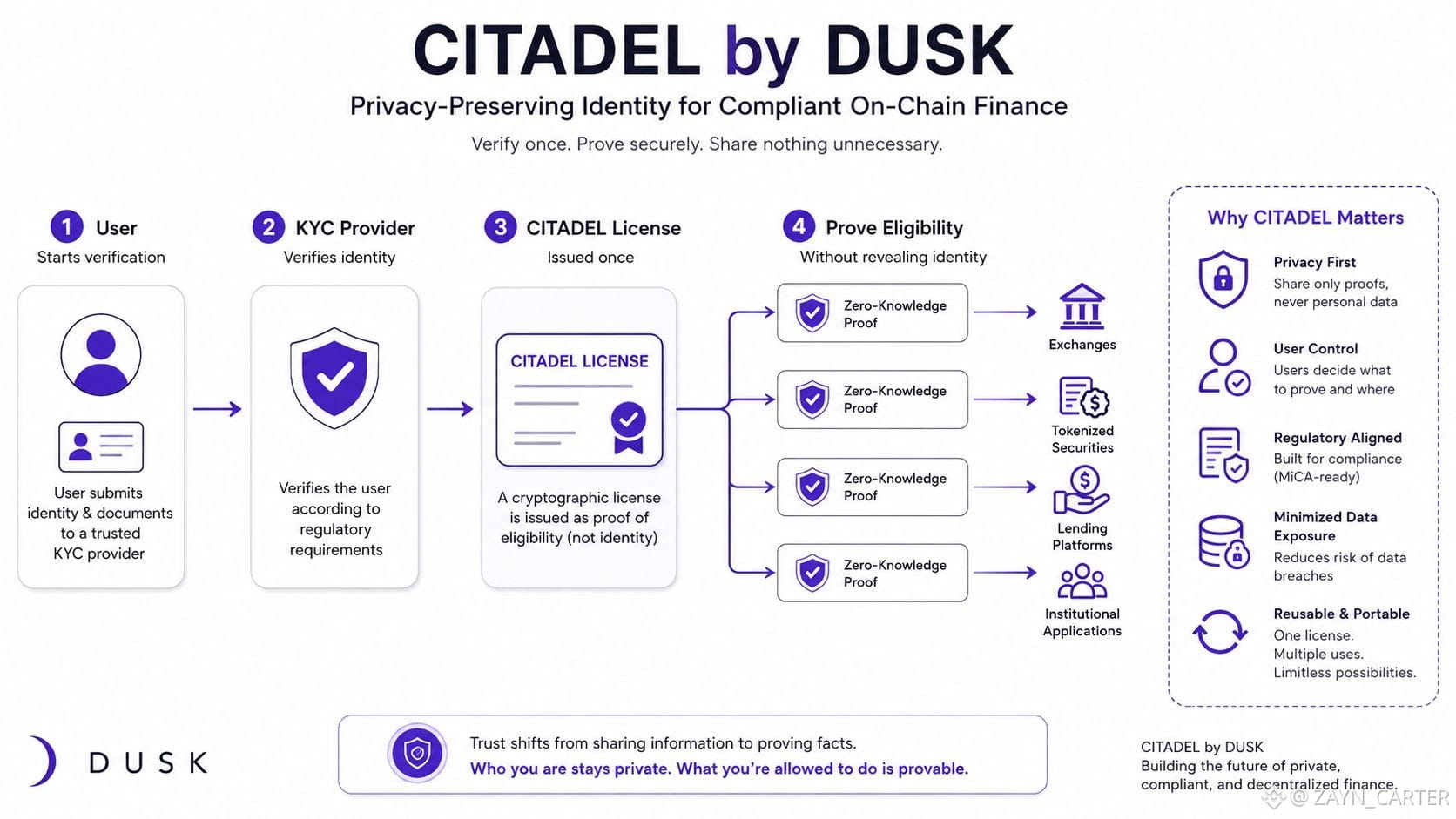
Storing KYC data directly on a public ledger is a major security risk. If a wallet is compromised, the associated identity data is exposed permanently. Secure systems use zero-knowledge proofs or selective disclosure to verify age or residency without revealing the underlying personal information.
Ignoring Jurisdictional Rules
A global solution that ignores local regulations is a compliance trap. The EU’s MiCA and the US’s FinCEN guidelines have different requirements. A platform that applies one blanket rule to all users will inevitably fail audits in specific regions, leading to blocked transactions or legal penalties.
No comments yet. Be the first to share your thoughts!