
The rapid evolution of Web3 has exposed a critical bottleneck: the need for efficient, privacy-preserving user verification. As decentralized applications (dApps), DeFi protocols, and NFT platforms increasingly require Know Your Customer (KYC) compliance, traditional verification methods struggle to keep up with the demands of interoperability, security, and user experience. Enter onchain attestations for KYCed addresses, a breakthrough that is fundamentally reshaping how allowlists are managed across blockchain ecosystems.
What Are Onchain Attestations and Why Do They Matter?
An onchain attestation is a cryptographically signed statement stored on the blockchain, issued by a trusted verifier (such as a KYC provider), attesting to facts about an address, most commonly its compliance status or identity verification. Unlike offchain credentials, these attestations are:
- Immutable: Once written to the blockchain, they cannot be altered or tampered with.
- Verifiable: Any smart contract or dApp can instantly check the validity of an attestation without relying on centralized servers.
- Privacy-Preserving: The attestation can confirm compliance without exposing sensitive user data.
This approach aligns with self-sovereign identity principles, empowering users to control their credentials while enabling seamless interaction across permissioned platforms.
The Role of Allowlist Management in Web3
Allowlists (formerly known as whitelists) are essential tools in Web3 for granting privileged access to token sales, gated communities, or exclusive features. Traditionally, managing these lists has been cumbersome, requiring repeated KYC checks and manual coordination between projects and users. The result? Friction for both end-users and project teams, along with heightened risks around data privacy and regulatory compliance.
With onchain attestations for KYCed addresses:
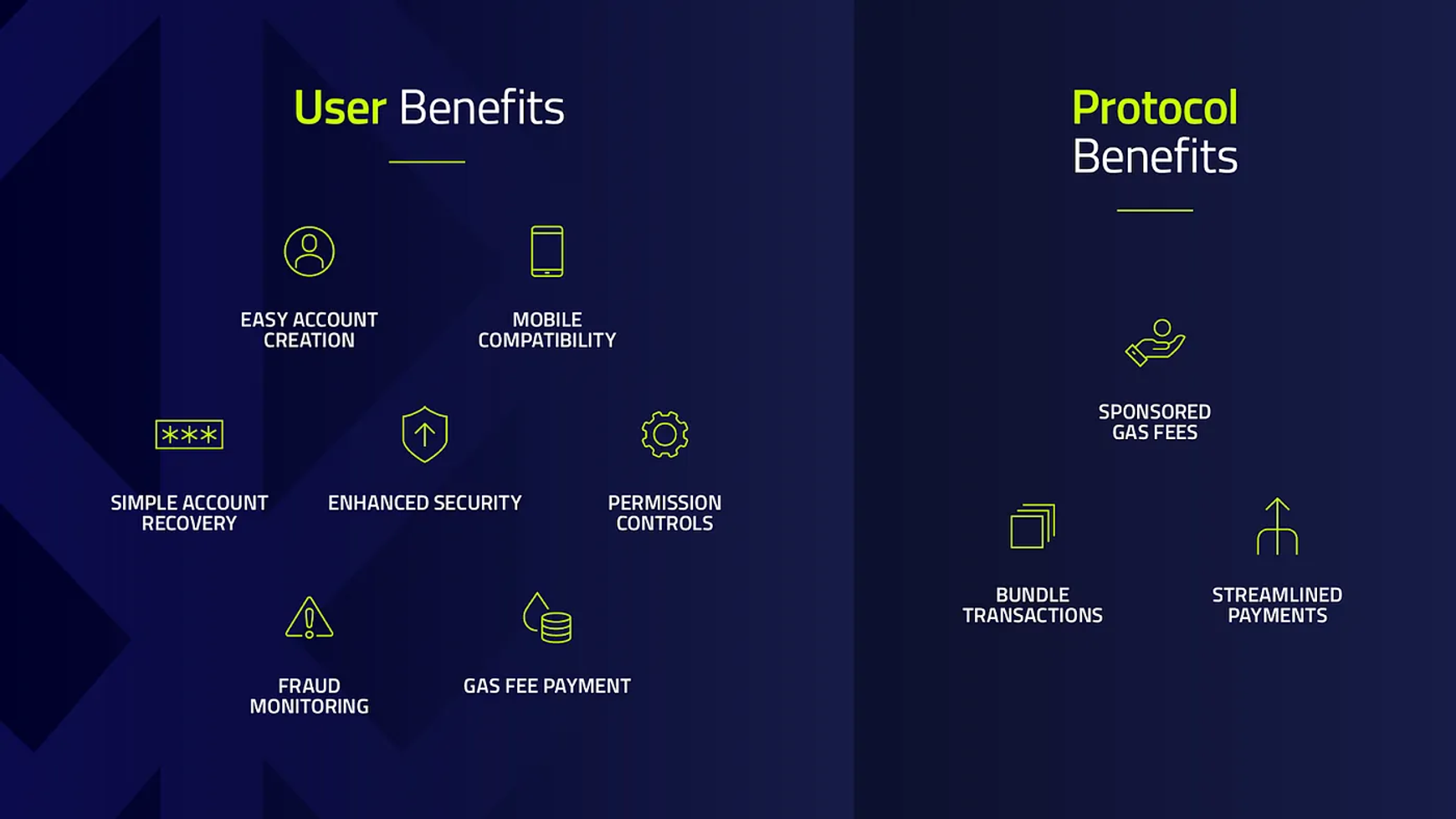
- KYC verification becomes reusable: Users complete KYC once through a trusted service; their verified status is then encoded as an attestation directly onchain.
- dApps streamline onboarding: Instead of collecting documents or sensitive information repeatedly, they simply query the blockchain for valid attestations before granting access.
- Compliance is enforced programmatically: Smart contracts can enforce allowlist logic based on attestation status, removing human error from eligibility decisions.
This model not only reduces operational overhead but also enhances security by minimizing the exposure of personal information throughout the ecosystem. For an in-depth look at how this works in practice, see our analysis at How Onchain Attestations for KYCed Addresses Enable Frictionless Web3 Allowlist Management.
Pioneers: Real-World Implementations Driving Adoption
The adoption curve is accelerating thanks to robust solutions from industry leaders:
- Blockpass On-Chain KYC® 2.0 issues reusable digital identities as attestations across major blockchains, enabling multi-chain interoperability and reducing repetitive onboarding processes.
- Attest Protocol provides schema-based frameworks so developers can easily integrate trust signals into smart contracts with minimal code changes.
- Altme’s verifiable credentials and non-transferable NFTs represent compliance statuses while keeping underlying personal data offchain, striking a balance between transparency and privacy.
This new paradigm is already powering token sales, community gating, DeFi pools with permissioned access, and cross-chain compliance workflows. As more platforms adopt these standards, users benefit from seamless onboarding while projects achieve scalable regulatory alignment without compromising decentralization ideals.
Key Benefits: Efficiency Meets Compliance Without Sacrificing Privacy
The integration of decentralized KYC verification via onchain attestations delivers measurable advantages:
- Interoperability: Standardized attestations are recognized across dApps and blockchains, eliminating redundant verifications when moving between ecosystems.
- User Experience: One-time KYC unlocks access everywhere; no more repetitive document uploads or waiting periods.
- Regulatory Alignment: Projects meet AML/KYC requirements without handling sensitive user data directly, reducing liability exposure from potential breaches or leaks.
- Ecosystem Trust: Verifiable credentials foster trust among participants while maintaining core values of privacy and decentralization.
This convergence of efficiency and compliance isn’t just theoretical, it’s rapidly becoming best practice across leading Web3 communities. To learn how your project can implement these solutions today, explore our guide at How Onchain Attestations Streamline Allowlist Management for KYCed Addresses in Web3.
Another pivotal advantage is future-proofing compliance. As regulatory landscapes shift, onchain attestations can be updated or extended by issuers to reflect new standards without requiring users to repeat the entire KYC process. This dynamic capability supports evolving anti-money laundering (AML) directives and cross-jurisdictional requirements, providing peace of mind for both users and project operators.
Top Use Cases for Onchain Attestations in Web3 Allowlists
- Token Launches & IDOs: Onchain attestations enable KYC-verified users to participate in token sales and Initial DEX Offerings (IDOs) without repeatedly submitting personal data. Platforms like Blockpass On-Chain KYC® 2.0 streamline compliance and allowlist management for launchpads.
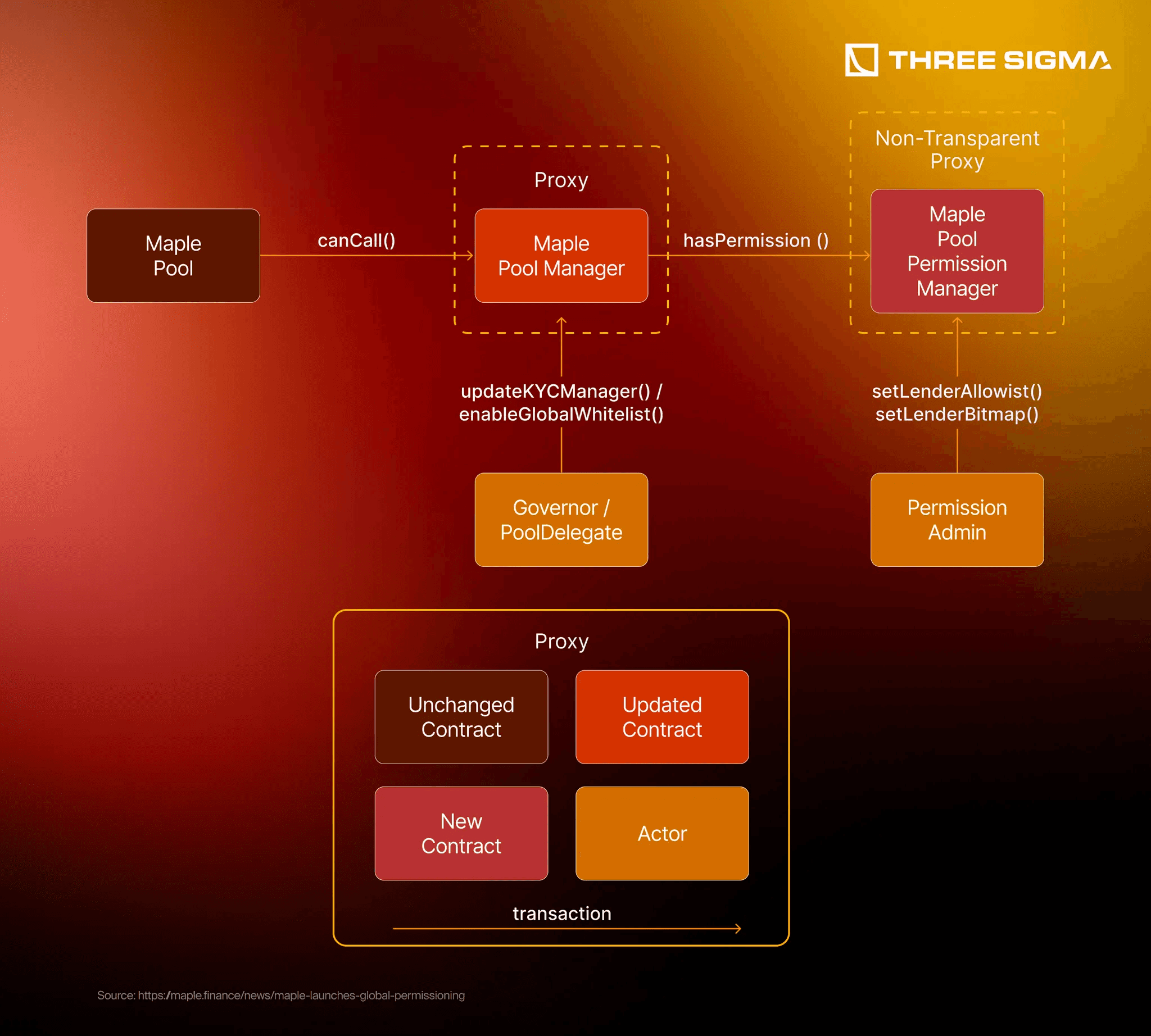
- Gated DeFi Pools: DeFi protocols can use onchain attestations to create permissioned liquidity pools that only verified addresses can access, ensuring compliance with regulations while preserving user privacy. Attest Protocol enables seamless integration of such trust signals.

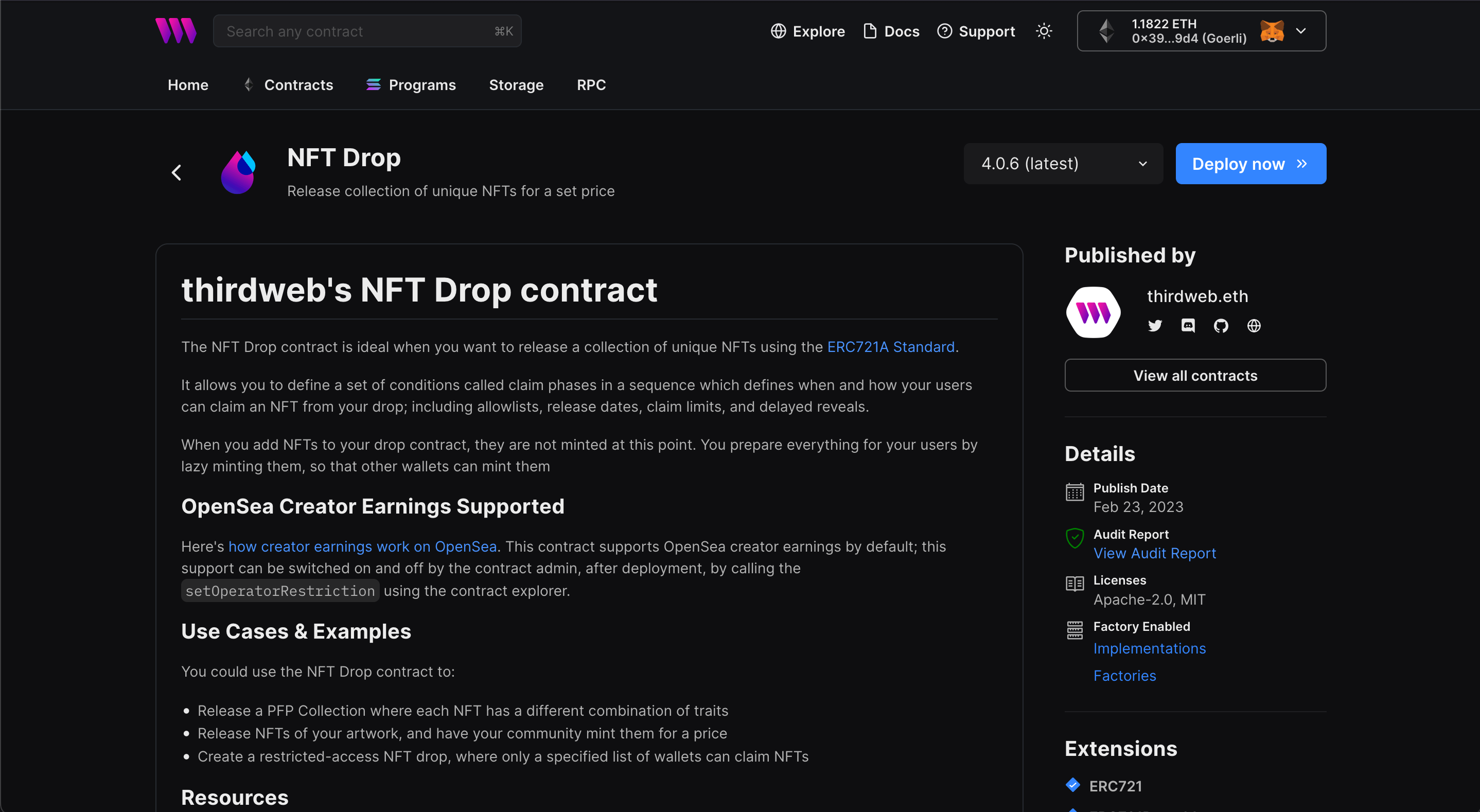
- NFT Drops & Exclusive Mints: NFT projects leverage onchain attestations to curate allowlists for exclusive drops, ensuring only KYCed collectors can mint rare assets. Altme uses non-transferable NFTs as compliance badges for NFT access.
- Private & Permissioned DAOs: Decentralized Autonomous Organizations (DAOs) use onchain attestations to verify member eligibility for governance participation or access to sensitive proposals, balancing transparency with privacy and compliance.

- Cross-Platform Access & Reputation: Standardized attestations allow users to reuse their verified identity across multiple dApps and blockchains, reducing onboarding friction and building a portable Web3 reputation.

Streamlining Token Sales and Community Access
The impact of onchain attestations for KYCed addresses is especially pronounced in high-stakes scenarios like token launches and exclusive NFT drops. Instead of manually curating lists or relying on opaque third-party processes, projects can programmatically enforce eligibility through smart contracts that reference immutable attestations. This dramatically reduces the risk of fraudulent participation and ensures only verified users gain access, without leaking sensitive information or introducing bottlenecks.
For decentralized autonomous organizations (DAOs) and private communities, this model enables permissioned membership without sacrificing the ethos of decentralization. Members can prove their compliance (or other attributes) using attestations while retaining control over their personal data. This approach also supports advanced governance models where voting rights or privileges are tied to verified credentials.
Interoperability: The Network Effect
As more dApps adopt standardized attestation schemas, users gain a portable digital identity that travels with them across platforms. This interoperability unlocks powerful network effects: a user who completes KYC once can join multiple allowlists across DeFi protocols, NFT marketplaces, and gaming ecosystems, no additional paperwork required. For projects looking to scale globally or collaborate with partners across chains, this is a game-changer.
For a deeper dive into how these capabilities solve repeated KYC headaches for both users and managers, check out our insights at How Onchain Attestations Solve Repeated KYC in Web3: A Guide for Allowlist Managers and DeFi Projects.
Addressing Risks: Security and Privacy at the Core
While onchain attestations significantly reduce many traditional risks, such as centralized data breaches, they also introduce new considerations around smart contract security and issuer trustworthiness. Projects must select reputable attestation providers and audit integration points rigorously. Nevertheless, by keeping personal data offchain and leveraging cryptographic proofs instead of static lists, the overall attack surface shrinks dramatically.
This architecture also aligns with emerging privacy-preserving technologies like zero-knowledge proofs (ZKPs), which further enhance selective disclosure capabilities for users who want maximum control over what they reveal to which dApps.
The bottom line: Onchain attestations for KYCed addresses are setting a new standard in Web3 allowlist management. By merging regulatory compliance with decentralized principles, and prioritizing user privacy, they enable frictionless onboarding at scale while future-proofing projects against shifting legal frameworks. As adoption accelerates across DeFi protocols, NFT platforms, DAOs, and beyond, expect these innovations to become an integral part of the blockchain identity stack.




No comments yet. Be the first to share your thoughts!