
Why onchain KYC 2026 matters now
The regulatory environment for digital assets has shifted from advisory guidance to strict enforcement. By 2026, the margin for non-compliance has effectively vanished. Traditional centralized Know Your Customer (KYC) models, which rely on periodic re-verification and siloed data repositories, are no longer sufficient to meet the demands of real-time transaction monitoring required by global financial authorities. The old model runs on a calendar; the new reality runs on the blockchain.
The failure of legacy systems is structural. Centralized databases create single points of failure for privacy and security, while manual or batch-based verification processes cannot keep pace with the velocity of onchain transactions. When compliance is treated as a periodic audit rather than a continuous state, gaps emerge that facilitate money laundering and sanctions evasion. This structural lag is why onchain KYC 2026 solutions are becoming mandatory for high-stakes operations.
Onchain compliance mechanisms, particularly those leveraging zero-knowledge proofs, allow entities to verify identity and risk status without exposing raw personal data or halting transaction flow. This shift moves verification from a gatekeeping hurdle to an embedded protocol layer. As regulatory bodies tighten definitions of VASP obligations, the ability to prove compliance in real-time, directly on the ledger, is no longer a competitive advantage—it is a license to operate.
How zero-knowledge proofs work for identity
Zero-knowledge proofs (ZKPs) enable onchain KYC 2026 by allowing a user to prove they meet specific criteria without revealing the underlying data. In traditional compliance, a user uploads a passport or driver’s license, exposing their full name, address, and date of birth to every entity they interact with. ZKPs change this dynamic by generating a cryptographic proof that validates a statement—such as "the user is over 18" or "the user is not in a sanctioned country"—while keeping the source documents private.
The process begins with a trusted setup or a zero-knowledge circuit. The user inputs their private identity data into this circuit, which acts as a strict logical gate. The circuit verifies that the data satisfies the required conditions, such as age thresholds or residency checks, and then outputs a succinct proof. This proof is mathematically bound to the original data but reveals nothing about it. Even if a malicious actor intercepts the proof, they cannot reverse-engineer the user's personal information from it.
Once generated, this proof is submitted to a smart contract on the blockchain. The contract verifies the proof against the public parameters of the ZK system. If the verification passes, the contract records the result, such as issuing a non-transferable token or setting a flag in the user's profile, indicating compliance. This allows for instant, permissionless verification without a central database holding sensitive personal records.
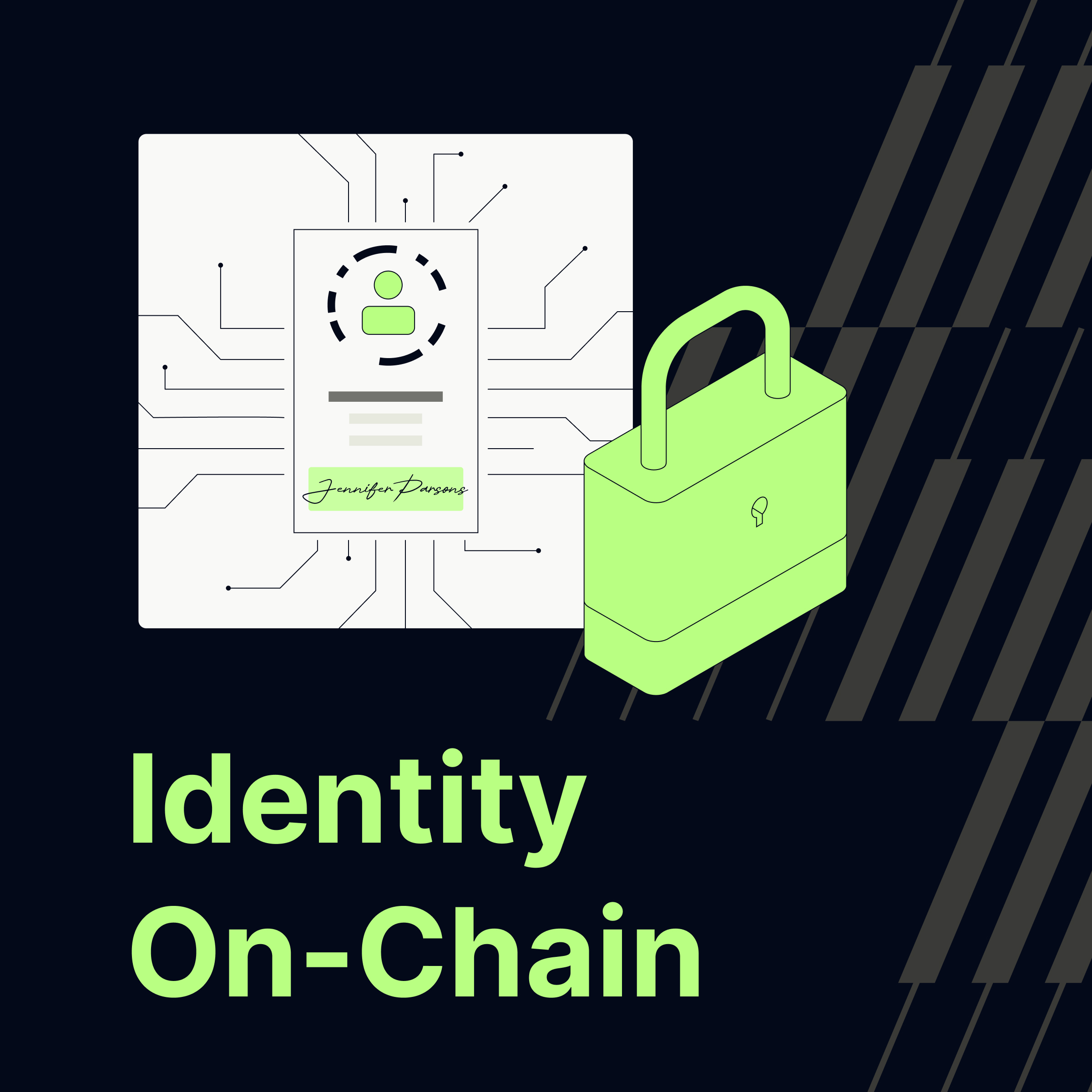
This mechanism shifts the burden of trust from data storage to data verification. Users retain control of their identity, sharing only what is necessary for compliance. For regulators and exchanges, this means robust onchain KYC 2026 frameworks that meet legal requirements while minimizing the risk of large-scale data breaches. The result is a system where privacy and compliance are not mutually exclusive, but technically enforced together.
Comparing onchain KYC 2026 to legacy systems
The transition to onchain KYC 2026 represents a structural shift from centralized data hoarding to decentralized verification. Traditional compliance relies on centralized databases where identity documents are stored in single points of failure. In contrast, onchain models utilize zero-knowledge proofs to attest to compliance status without exposing the underlying personal data on the public ledger.
Legacy systems require users to repeatedly submit sensitive documents—such as passports and proof of address—to every new service provider. This creates significant privacy risks and operational friction. Onchain attestation allows a user to verify their identity once with a trusted provider and then share a cryptographic proof of that verification across multiple platforms. This reduces the attack surface for data breaches and eliminates redundant verification costs.
The following comparison highlights the operational differences between these two approaches regarding data storage, privacy preservation, and verification efficiency.
| Feature | Legacy Centralized KYC | Onchain KYC 2026 |
|---|---|---|
| Data Storage | Centralized databases held by third parties | Zero-knowledge proofs on-chain; raw data off-chain |
| Privacy Risk | High; single point of failure for sensitive PII | Low; minimal data exposure via cryptographic proofs |
| Re-verification | Required for each new service provider | Reusable attestation across compliant platforms |
| Audit Trail | Opaque; dependent on provider security | Transparent and immutable verification status |
Leading onchain KYC infrastructure providers
The 2026 landscape for onchain KYC 2026 is defined by specialized infrastructure that bridges traditional compliance requirements with decentralized identity protocols. Rather than relying on a single monolithic solution, the market has segmented into providers offering distinct mechanisms for identity verification, attestation, and oracle-based data delivery.
Blockpass operates as a primary issuer of on-chain attestations, enabling platforms to create verifiable and reusable digital identities. Their On-Chain KYC 2.0 framework allows institutions to issue credentials that persist on the blockchain, ensuring that user verification status can be validated without repeatedly exposing sensitive personal data. This approach shifts the burden of verification from the end-user to the issuing institution, streamlining the compliance workflow for downstream applications.
Chainlink addresses the connectivity gap between off-chain identity data and on-chain smart contracts. By leveraging its decentralized oracle network, Chainlink provides a secure channel for smart contracts to query and verify KYC status in real-time. This infrastructure ensures that dApps can enforce compliance rules programmatically, reacting to changes in a user's regulatory standing without requiring manual intervention or centralized intermediaries.
KYC-Chain offers an all-in-one compliance software platform designed for automation. It integrates KYC, KYB, and AML screening capabilities, allowing businesses to automate sanctions checks, PEP monitoring, and adverse media searches via API or white-label interfaces. This solution is particularly relevant for entities requiring continuous, ongoing monitoring rather than one-time verification, ensuring that compliance remains dynamic as regulatory lists update.

Technical architecture of onchain KYC 2026
The implementation of onchain KYC 2026 relies on a layered architecture that separates identity issuance, proof generation, and on-chain verification. This structure ensures that sensitive personal data never resides on the public ledger while maintaining an immutable audit trail for regulators.
Implementing compliant onchain workflows
Integrating onchain KYC 2026 requires aligning smart contract logic with regulatory mandates without exposing sensitive user data. The architecture must support zero-knowledge proofs, allowing users to demonstrate compliance status—such as being on a sanctions-free list or meeting age requirements—without revealing their underlying identity on the public ledger.
1. Identity Issuance and Attestation
The process begins with a trusted issuer, such as a bank or regulated exchange, verifying the user’s identity off-chain. Once verified, the issuer signs a cryptographic attestation. This attestation is stored on-chain or in a decentralized storage system, serving as the source of truth for the user’s compliance status. Systems like On-Chain KYC 2.0 enable these verified, reusable digital identities to be shared across multiple platforms without re-verification.
2. Smart Contract Integration
Developers must embed compliance checks directly into smart contracts. Instead of storing personal data, contracts verify the validity of the user’s attestation. For example, a tokenized bond issued on a permissioned bank chain can use a regulated cross-chain bridge with embedded KYC checks to post collateral on public DeFi protocols. The contract rejects transactions from addresses with invalid or expired attestations.
3. Zero-Knowledge Proof Verification
To maintain privacy, users generate zero-knowledge proofs (ZKPs) from their attestations. These proofs demonstrate that specific conditions are met (e.g., "user is not on a sanctions list") without revealing the user’s name or ID number. The smart contract verifies the ZKP, ensuring that only compliant users can interact with the protocol. This approach satisfies regulatory requirements while preserving user anonymity.
4. Ongoing Monitoring and Updates
Compliance is not a one-time event. The system must support continuous monitoring, where attestations are updated or revoked as needed. If a user’s status changes—such as being added to a sanctions list—the issuer updates the attestation, and the smart contract automatically blocks further interactions. This ensures that the onchain KYC 2026 framework remains dynamic and responsive to regulatory changes.
Frequently asked questions on onchain identity
The transition to onchain KYC 2026 requires clarity on how verification works, how long it takes, and what regulatory standards apply. Below are the most common questions regarding identity compliance in digital assets.
No comments yet. Be the first to share your thoughts!