

Why onchain KYC 2026 matters now
The regulatory landscape for digital assets is undergoing a structural shift, moving away from fragmented, centralized verification toward integrated onchain solutions. For 2026, the primary driver of this change is not technological convenience, but the enforcement of stricter Anti-Money Laundering (AML) standards. Exchanges and service providers can no longer rely on legacy compliance frameworks; they must adopt systems that verify identity without compromising data privacy.
Traditional KYC processes store sensitive personal data in centralized databases, creating attractive targets for breaches and regulatory scrutiny. The 2026 compliance horizon demands a tiered approach to identity verification. Instead of submitting full identity documents for every interaction, users can now utilize zero-knowledge proofs to demonstrate compliance status. This method allows platforms to verify that a user meets legal requirements without ever accessing the underlying personal data.
This transition is critical for maintaining market integrity. As global regulators coordinate efforts, the ability to provide real-time, onchain proof of identity becomes a competitive necessity. Platforms that fail to upgrade their KYC stacks will face increased friction, regulatory penalties, and loss of user trust. The shift to zero-knowledge compliance is not optional; it is the foundation of sustainable onchain finance in 2026.
How zero-knowledge proofs verify identity
Zero-knowledge proofs (ZKPs) allow a user to prove they meet specific compliance criteria without disclosing the underlying personal information. In the context of onchain KYC, this cryptographic method enables a wallet to generate a mathematical proof that it holds a valid identity attestation, without revealing the user's name, date of birth, or government ID number to the smart contract or the public.
The mechanism relies on a verifier contract that checks the validity of the proof against a set of predefined rules. These rules might include age thresholds, jurisdictional restrictions, or sanctions list checks. The smart contract does not need to see the raw data; it only needs to confirm that the proof is mathematically sound and was generated by a legitimate identity provider. This ensures that the user's privacy is preserved while still satisfying regulatory requirements.
This approach shifts the burden of proof from data storage to data verification. Traditional KYC processes require companies to store sensitive PII, creating significant security risks and liability. With ZK-proofs, the identity provider issues a signed credential, and the user generates a proof that can be verified on-chain. The identity provider never sees the on-chain activity, and the smart contract never sees the personal data.
The result is a system where compliance is programmable and privacy-preserving. Users can interact with decentralized applications without exposing their identity to every protocol they use. This is essential for the adoption of onchain KYC, as it aligns technical implementation with the legal principle of data minimization.
Comparing verification models in 2026
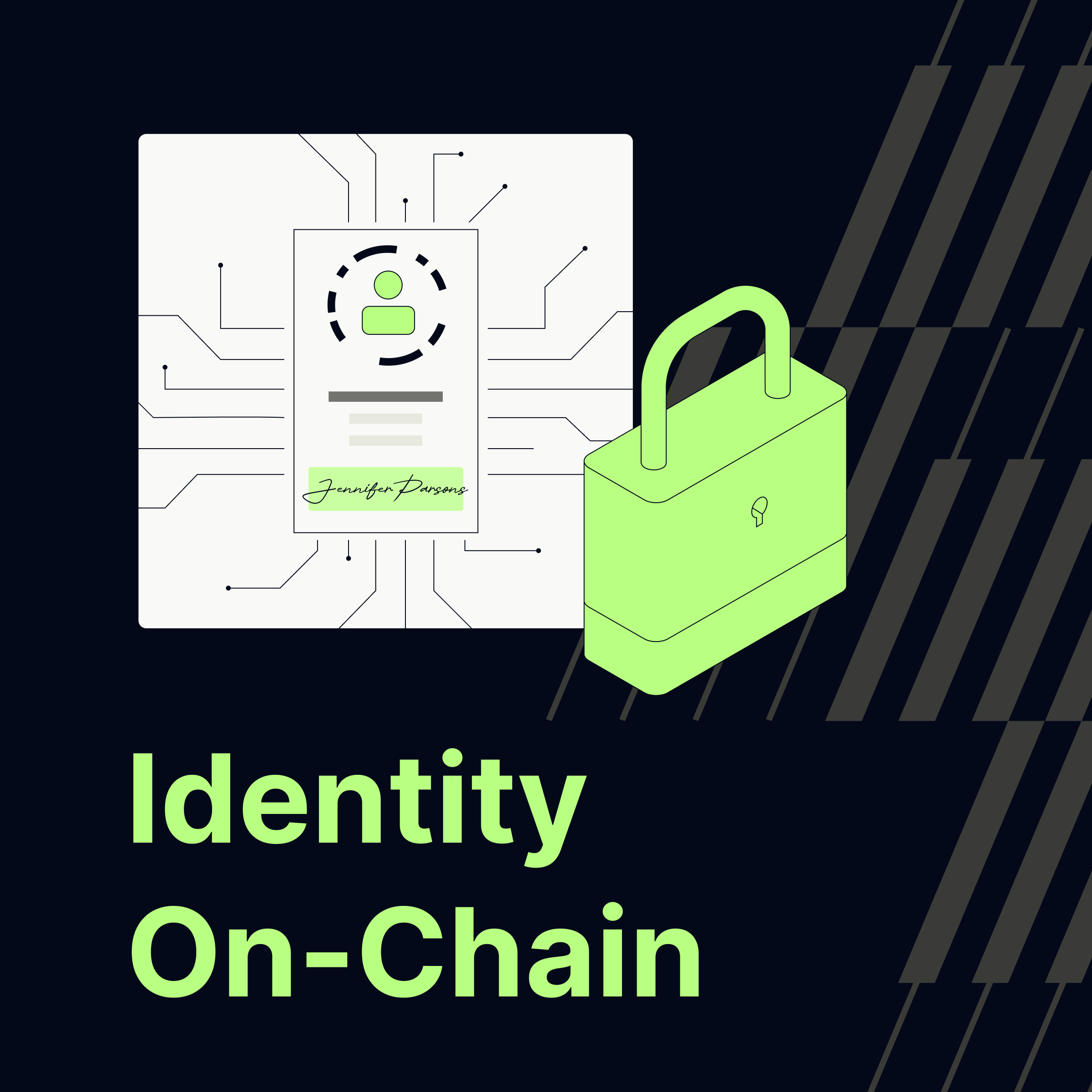
The compliance landscape is shifting from legacy centralized databases to decentralized attestation standards. This transition defines the core of Onchain KYC 2.0, which replaces static records with verifiable, reusable digital identities.
Traditional KYC relies on centralized repositories. Users submit documents to a single entity, creating a high-value target for data breaches. Verification is often siloed; a user must repeat the process for every new platform, creating friction and redundant costs. Data ownership remains with the institution, not the individual.
Onchain KYC 2.0 changes this dynamic. It empowers businesses to issue on-chain attestations that are verifiable and reusable across different ecosystems. This model reduces redundancy while enhancing privacy through cryptographic proofs. The identity becomes a portable asset controlled by the user.
The following table contrasts these approaches across key operational dimensions.
| Dimension | Legacy Centralized KYC | Onchain KYC 2.0 |
|---|---|---|
| Data Storage | Centralized databases with high breach risk | Decentralized attestations with user control |
| Privacy | Full document exposure to verifier | Zero-knowledge proofs and selective disclosure |
| Reusability | Siloed; repeat verification per platform | Universal; single attestation across ecosystems |
| Compliance | Static record keeping | Real-time verifiable status updates |
Standards driving decentralized identity
Decentralized identity relies on standardized protocols to function without a central authority. These standards define how credentials are issued, stored, and verified across different blockchains. Without interoperable frameworks, onchain KYC remains fragmented and difficult to scale.
Oracles bridge the gap between offchain verification and onchain execution. Chainlink’s Attestation Contract Engine (ACE) and DECO enable smart contracts to access verified identity data without exposing sensitive personal information. This architecture allows financial institutions to maintain compliance while preserving user privacy.
Standards like ERC-725 and W3C Verifiable Credentials provide the technical foundation for these attestations. They ensure that identity proofs are portable and reusable across multiple platforms. This reduces the friction for users who must otherwise re-verify their identity for every new application.
Projects such as Blockpass utilize these standards to create compliant identity layers. By integrating with oracle networks, they enable secure, reusable onchain attestations that satisfy regulatory requirements. This approach shifts KYC from a static, one-time event to a dynamic, privacy-preserving utility.
Common questions about onchain KYC 2026
As regulatory frameworks evolve, platforms must balance strict compliance with user privacy. The shift toward zero-knowledge proofs (ZKPs) allows exchanges to verify identity without storing sensitive personal data on-chain. This section addresses frequent concerns regarding privacy guarantees, regulatory timelines, and implementation costs.
Does onchain KYC compromise user privacy?
Zero-knowledge compliance is designed to protect privacy by default. Instead of storing identity documents on a public ledger, platforms use cryptographic proofs to verify that a user meets specific criteria (e.g., age, jurisdiction) without revealing the underlying data. This approach aligns with the EU’s General Data Protection Regulation (GDPR) by minimizing data retention. Users can prove eligibility without exposing their full identity to every counterparty.
When do new KYC regulations take effect in 2026?
Regulatory timelines vary by jurisdiction, but 2026 marks a significant enforcement phase. In the European Union, the new Anti-Money Laundering Authority (AMLA) will begin sampled-case examinations for exchanges starting in 2026. Other regions are adopting similar tiered compliance stacks. Platforms must ensure their onboarding systems can handle these examinations without manual intervention. Early adoption of ZK-compliant systems positions exchanges to meet these deadlines more efficiently.
How much does it cost to implement onchain KYC?
Implementation costs have decreased as ZK-proof libraries become more accessible. While initial setup requires technical integration, the long-term savings come from reduced manual review loads and lower data breach risks. Many platforms now offer modular KYC solutions that integrate with existing wallet infrastructure. The cost of non-compliance—such as fines or frozen assets—far exceeds the investment in automated, privacy-preserving verification systems.
No comments yet. Be the first to share your thoughts!