

As the blockchain ecosystem matures, managing onchain KYC credential revocation and updates is quickly becoming a core competency for Web3 projects, DeFi platforms, and allowlist managers. The recent activation of the XRP Ledger’s native “Credentials” amendment on September 4,2025 marks a pivotal moment for standards-aligned, onchain identity management. This upgrade, alongside advances in privacy-preserving verification and real-time compliance monitoring, signals a new era in KYC credential management.
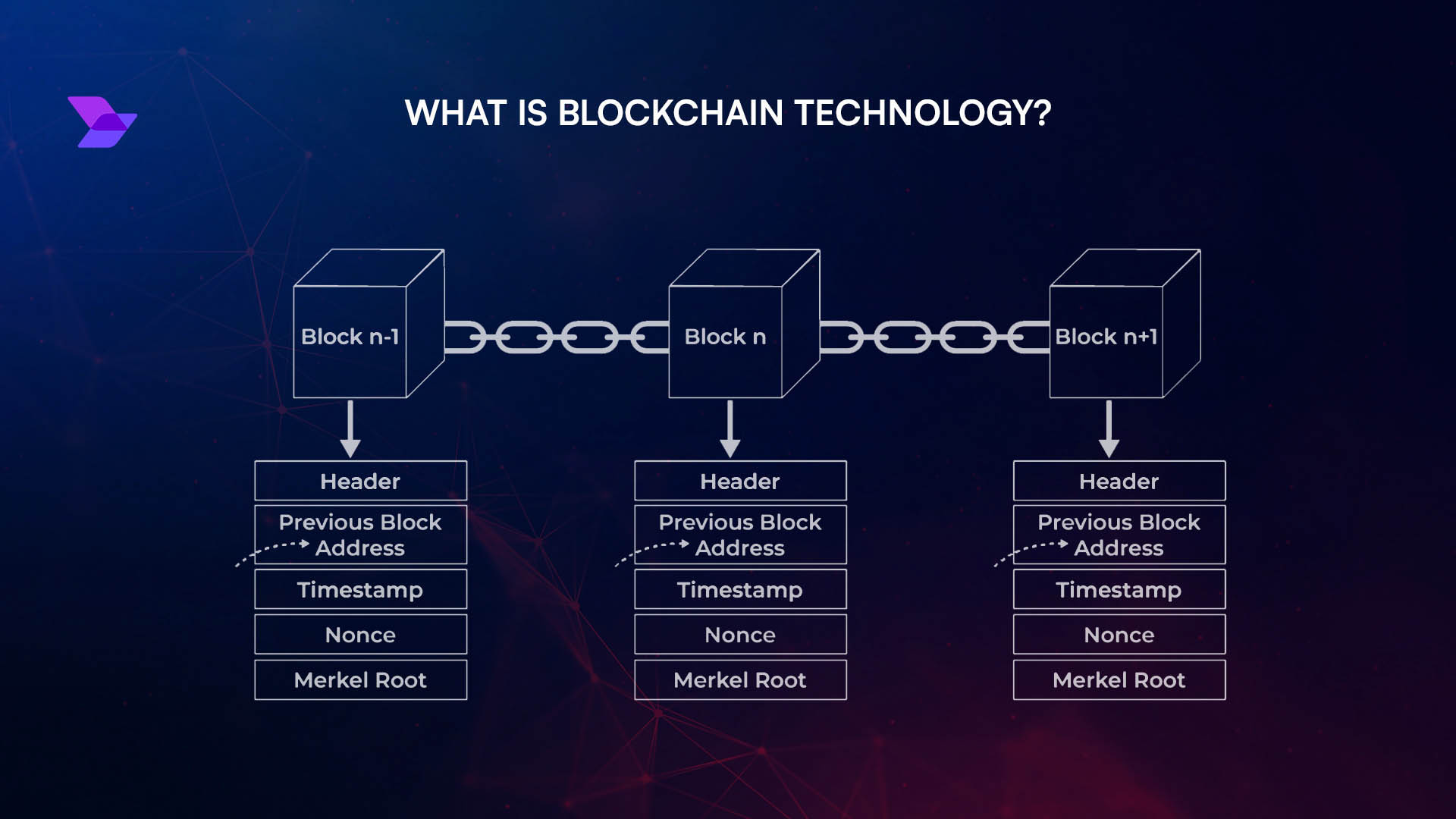
Why Onchain KYC Lifecycle Management Matters Now
Traditional KYC processes have long been criticized for inefficiency, data silos, and user friction. Blockchain-based solutions address these pain points by enabling verifiable credentials that are tamper-resistant, interoperable across platforms, and easily auditable. However, as adoption grows, so does the need for robust mechanisms to revoke or update credentials in response to regulatory changes, expired documentation, or compromised accounts.
The XRP Ledger’s new features exemplify this shift: its Credentials toolkit offers native tools for authorization control and compliance verification directly on-chain (Source: XRPL). But true resilience requires more than issuance, it demands seamless revocation and updating workflows that protect both users and platforms.
Key Principles of Secure Credential Revocation
Revocation is not just an administrative task, it’s a frontline defense against fraud and non-compliance. Best practices include:
Best Practices for Onchain KYC Credential Revocation
- Use On-Chain Revocation Registries: Implement on-chain revocation registries, such as those enabled by the XRP Ledger Credentials amendment, to map credential IDs to their revocation status. This ensures verifiers can efficiently check if a credential is valid or revoked.
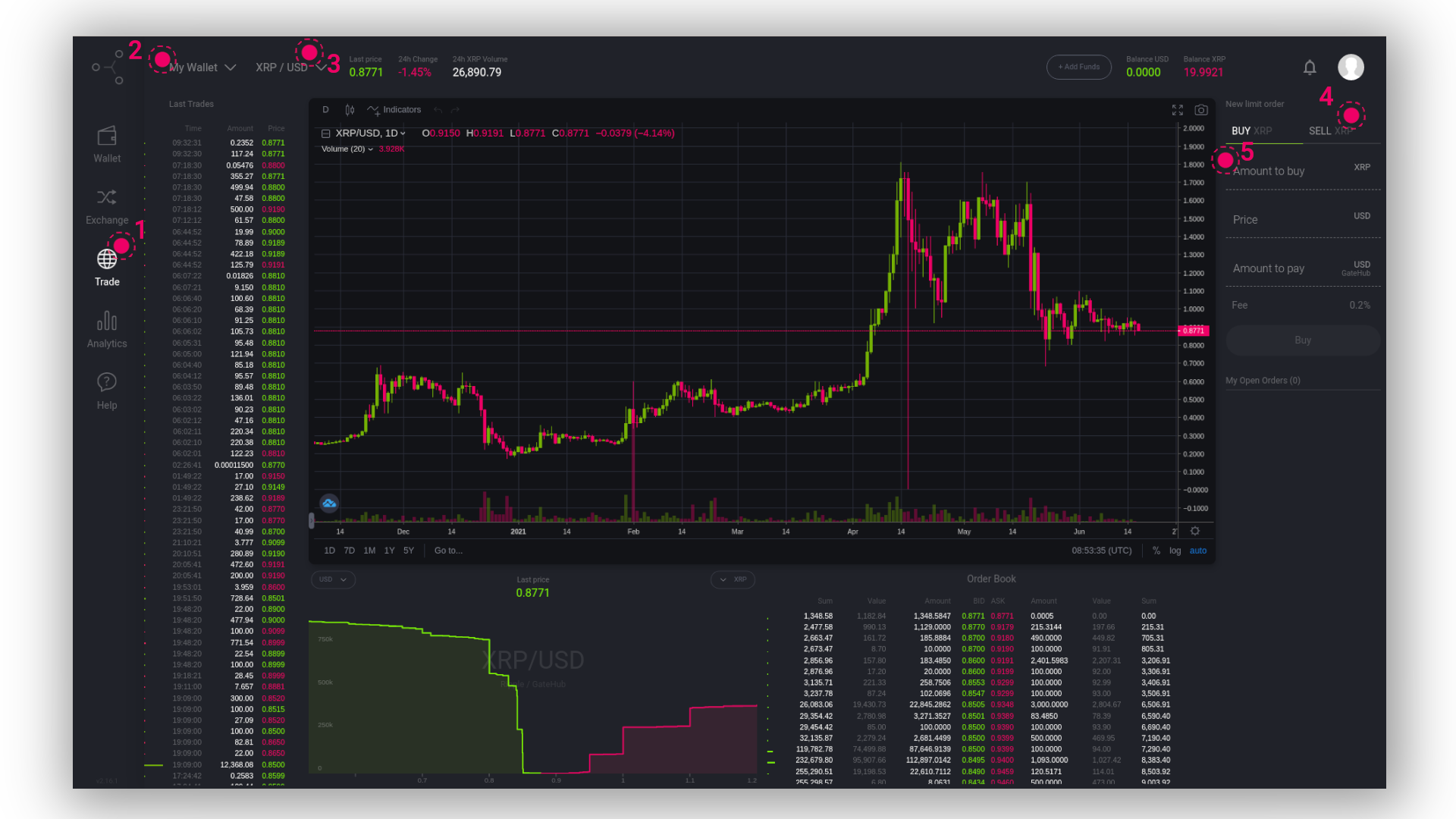
- Leverage Efficient Revocation Mechanisms: Adopt efficient revocation list structures like Bloom filters to minimize on-chain storage and maintain issuer privacy, as recommended in recent blockchain identity research.
- Burn NFTs for Immediate Revocation: For credentials issued as NFTs (e.g., with Crossmint or similar platforms), revoke access instantly by burning the associated NFT, rendering the credential invalid on-chain.
- Reissue Credentials with Unique Identifiers: Upon updates, issue new credentials with unique IDs and revoke the old ones, as practiced by Circle's Verite protocol. This ensures a clear, auditable history of credential changes.
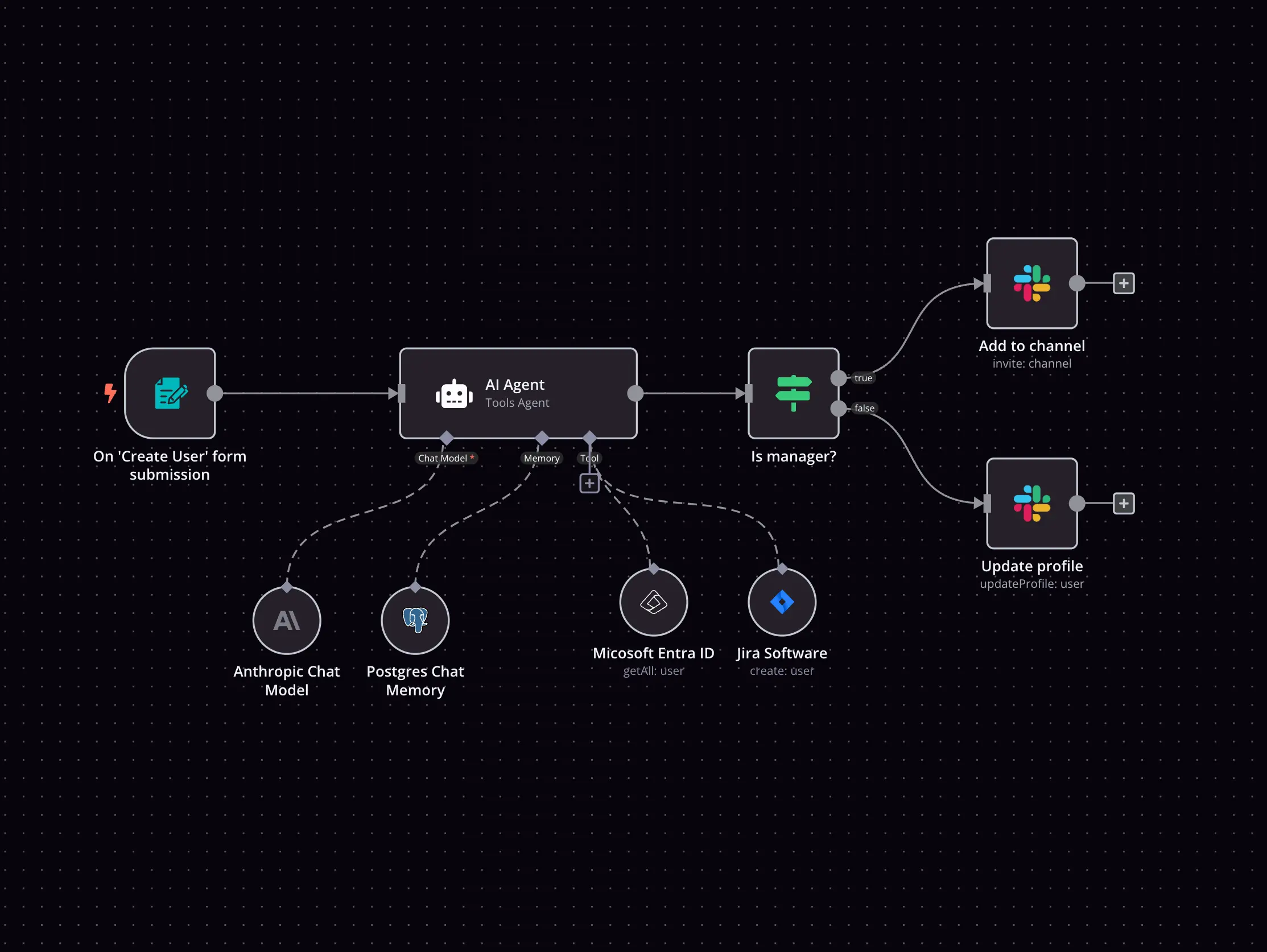
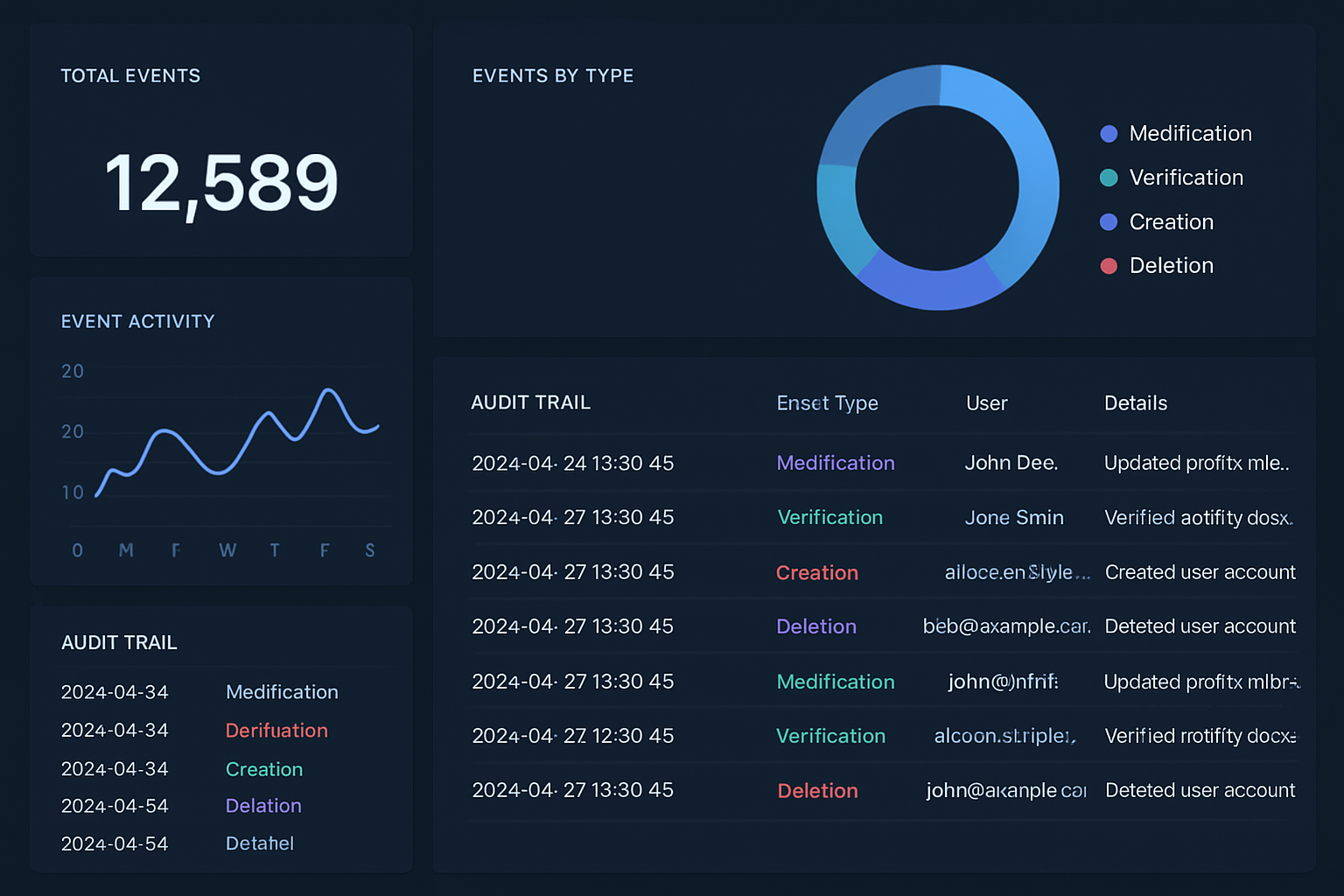
- Maintain Immutable Audit Trails: Use blockchain’s inherent immutability to log all credential issuance, updates, and revocations. Platforms like Blockpass and Blockidentity offer automated compliance tracking and transparent audit logs.
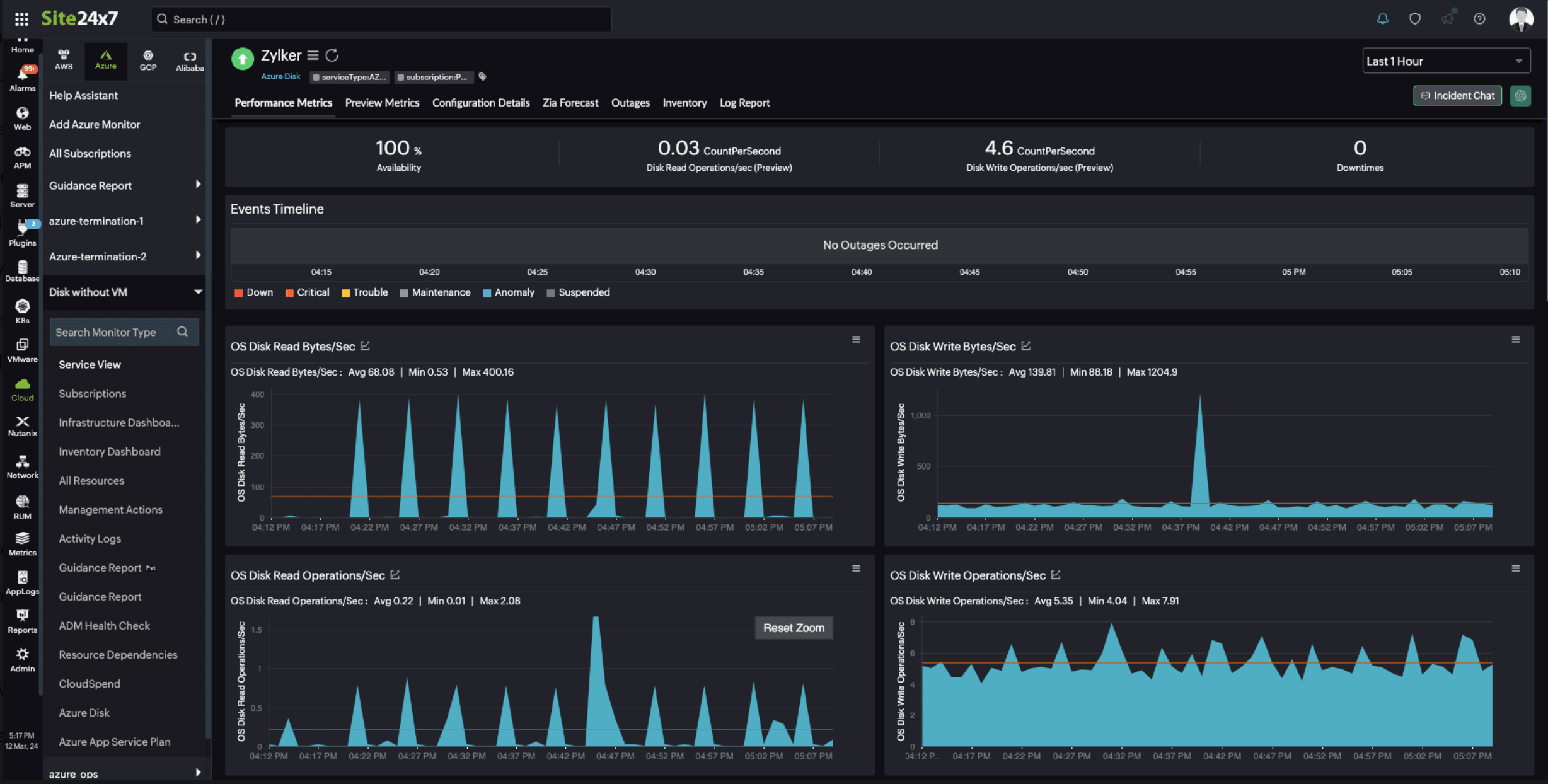
- Enable Automated Compliance Monitoring: Integrate systems that continuously monitor credential validity and alert relevant parties about revoked or expired credentials, as supported by Blockidentity automated compliance features.
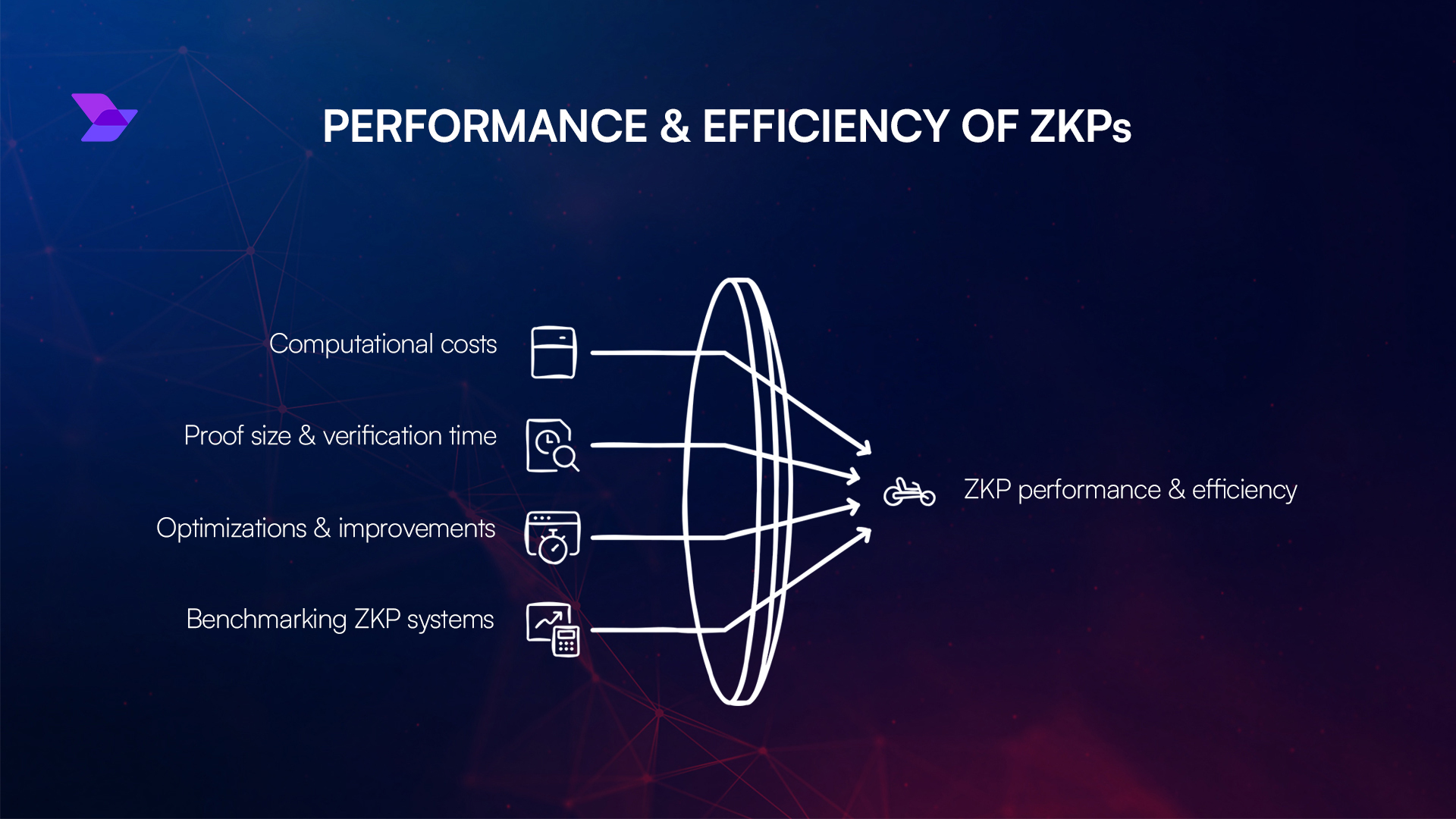
- Implement Zero-Knowledge Proofs for Privacy: Enhance privacy by allowing users to prove credential validity or attributes (like age or residency) without revealing sensitive data, using zero-knowledge proof solutions such as those available on zkPass or Blockpass.
1. On-Chain Revocation Registries: By mapping credential identifiers to their revocation status using smart contracts or decentralized registries, verifiers can instantly check if a user’s credential remains valid. This is now being implemented natively by systems like XRP Ledger (see Credentials), setting a benchmark for other networks.
2. Efficient Data Structures: Technologies like Bloom filters allow massive revocation lists to be managed with minimal storage overhead while maintaining issuer privacy (see research).
3. NFT-Linked Credentials: In some architectures, credentials are bound to non-fungible tokens (NFTs). Revoking access can be as simple as burning the NFT, a process that is transparent and irreversible (learn more).
The Art of Updating Blockchain Credentials
KYC information is rarely static, users move countries, documents expire, regulations evolve. To ensure ongoing compliance without disrupting user experience or fragmenting records:
- Reissuance with Unique Identifiers: When updating credentials (for example after an address change), issue new attestations with fresh identifiers while securely revoking outdated ones. This maintains an immutable history while preventing ambiguity between versions (reference schema best practices).
- User-Friendly Refresh Services: Modern schemas such as those proposed by Verite recommend embedding a
refreshService, allowing users to request updates seamlessly from issuers. - Automated Compliance Monitoring: Systems should continuously monitor credentials’ validity status and trigger alerts when updates or re-verification are required (see continuous compliance features).
Toward Privacy-Preserving Compliance
KYC processes must balance transparency with user privacy, especially given evolving global regulations like GDPR. Forward-thinking protocols use off-chain storage for sensitive data while anchoring only essential cryptographic proofs or hashes on-chain (explore digital identity concepts). Zero-knowledge proofs (ZKPs) further enhance privacy by allowing users to demonstrate attributes, such as age or residency, without exposing underlying data (read about ZKPs in compliance).
Continuous monitoring is the linchpin of modern KYC lifecycle management. Automated systems can instantly flag expired, revoked, or suspicious credentials, empowering allowlist managers and DeFi platforms to keep their user base compliant without manual intervention. The immutable audit trails created by blockchain technology not only facilitate regulatory audits but also boost trust among users who demand transparency from the platforms they join.
Interoperability is quickly emerging as a competitive advantage. As more blockchains, like the XRP Ledger, roll out native KYC credentialing layers, projects that adopt interoperable standards will be best positioned to onboard users across chains and jurisdictions. This means designing credential schemas that are modular and adhere to open standards, ensuring seamless integration with wallets, exchanges, and third-party verifiers.
Checklist for Robust Onchain KYC Credential Management
For organizations ready to implement or upgrade their onchain KYC processes, consider the following:
- Adopt revocation registries that are efficient and privacy-preserving.
- Design for upgradability: Make it easy for users to refresh or update credentials as needed.
- Automate compliance checks and alerts to minimize human error.
- Use off-chain storage for sensitive data while anchoring proofs on-chain.
- Pursue interoperability by aligning with emerging standards in decentralized identity.
The path forward is clear: systems that treat revocation and updates as first-class citizens will outperform those built around static attestations. As regulatory scrutiny intensifies and the Web3 user base grows more sophisticated, only dynamic credential management will deliver the privacy, security, and compliance demanded by today’s digital economy.
KYC isn’t just a box to check, it’s a living process that must evolve in real time alongside your users’ needs and global regulations.
The future of identity in blockchain is being written now. With thoughtful design choices, anchored in best practices like those outlined above, projects can build resilient frameworks for secure digital onboarding. As always in this space: balance is everything. Protecting user privacy while delivering robust compliance is not just possible, it’s essential for sustainable growth in Web3.




No comments yet. Be the first to share your thoughts!