

Identity verification is the cornerstone of trust in Web3, but the methods for achieving it are rapidly evolving. As blockchain projects strive to balance regulatory compliance and user privacy, the debate over onchain vs traditional KYC has become central to the future of digital identity. In this article, we’ll explore how these two approaches differ, their unique advantages and challenges, and why on-chain attestations are gaining traction across decentralized ecosystems.
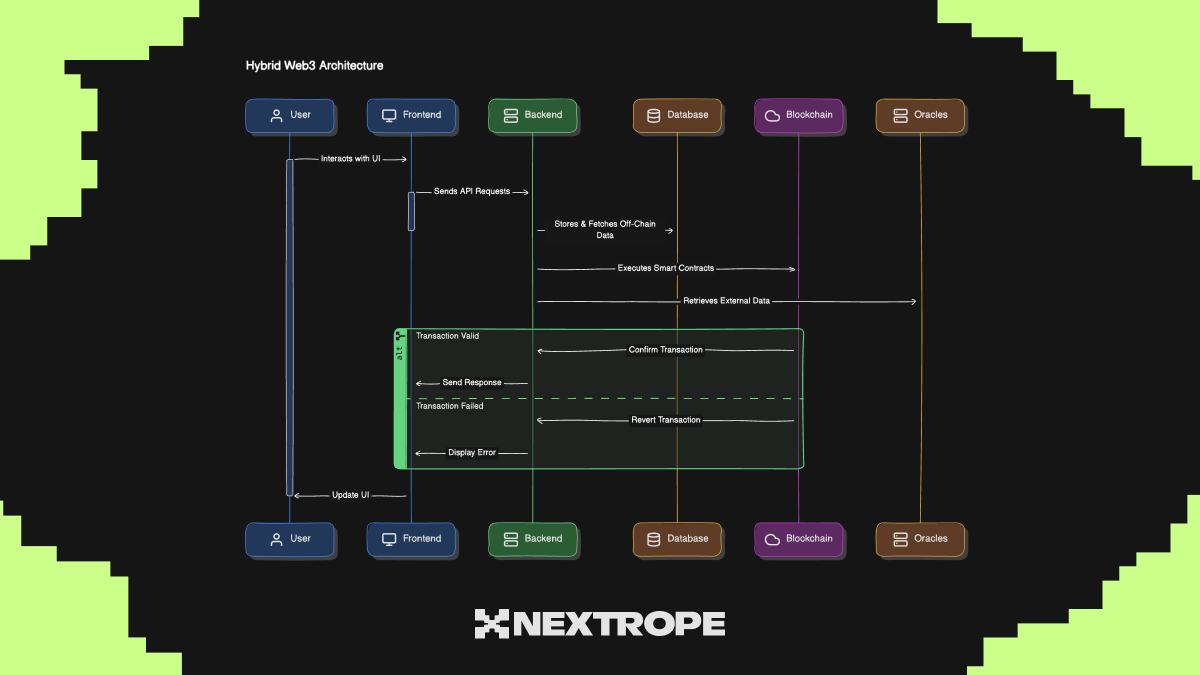
Traditional KYC: Compliance at a Cost
Traditional Know Your Customer (KYC) processes have long been the gold standard for regulatory compliance in finance. In the context of Web3, these systems require users to submit personal documents such as government-issued IDs or proof of address to centralized authorities. This process is familiar to anyone who’s tried to onboard with a crypto exchange or fiat onramp.
- Regulatory Assurance: Traditional KYC is trusted by regulators worldwide for Anti-Money Laundering (AML) and Counter-Terrorism Financing (CTF) compliance.
- Fraud Mitigation: By verifying identity at the source, centralized KYC aims to reduce fraud and ensure accountability.
- User Friction: The process is often slow, intrusive, and can exclude users without access to qualifying documents or those in restrictive jurisdictions.
This friction is especially problematic for Web3 platforms that value pseudonymity and borderless participation. Centralized data storage also exposes users to risks like hacks or misuse of sensitive information, a concern underscored by recent high-profile breaches across fintech.
On-Chain Attestations: Decentralized Identity for Web3
The rise of decentralized KYC, built on cryptographic attestations stored directly on blockchains, signals a paradigm shift. With on-chain attestations, trusted entities issue verifiable claims about a wallet’s attributes, such as age verification or accreditation status, without revealing full personal details. Users retain sovereignty over their credentials via decentralized identifiers (DIDs), enabling selective disclosure across dApps.
Key Benefits of On-Chain Attestations in Web3
- Enhanced Privacy: On-chain attestations allow users to prove specific attributes—like age or accreditation—without exposing sensitive personal information, thanks to cryptographic techniques such as zero-knowledge proofs.

- Decentralized Control: Users manage their own identity credentials via decentralized identifiers (DIDs), reducing reliance on centralized authorities and aligning with Web3's ethos of user sovereignty.

- Seamless Interoperability: Attestations stored on-chain can be reused across multiple decentralized applications (dApps) and platforms, fostering a unified and portable identity system.

- Streamlined User Experience: On-chain attestations enable faster onboarding and verification, eliminating repetitive KYC checks and reducing friction for both users and projects.

- Transparency and Auditability: Attestations are recorded immutably on public blockchains, allowing projects and users to verify claims without compromising privacy.

- Regulatory Innovation: Emerging solutions like Zero-Knowledge KYC (zkKYC) offer compliance with regulatory standards while preserving user privacy, bridging the gap between traditional KYC and decentralized verification.
This model addresses many pain points found in legacy systems:
- Privacy Preservation: Attestations allow proof-of-eligibility without exposing underlying data. Technologies like zero-knowledge proofs further enhance this capability (learn more about zkKYC).
- Interoperability: Once issued, an attestation can be reused across multiple DeFi platforms or NFT allowlists, no need for repeated verification cycles.
- User Experience: Wallet-based management streamlines onboarding while aligning with the ethos of decentralization.
The Ethereum Attestation Service (EAS) exemplifies this approach by providing a flexible framework for issuing and managing attestations natively on-chain (see how EAS works). Meanwhile, hybrid solutions like Sumsub’s partnership with Binance’s BNB Attestation Service are bridging Web2 credentials into reusable Web3 proofs (explore hybrid models here).
KYC for Blockchain Projects: Comparative Analysis
| Aspect | Traditional KYC | On-Chain Attestations |
|---|---|---|
| Privacy | User must reveal extensive personal info to centralized entities | Selective attribute disclosure; underlying data remains private |
| User Experience | Cumbersome onboarding; repeated checks per platform | Smooth wallet-based management; reusable credentials across dApps |
| Compliance Readiness | Mature frameworks; widely accepted by regulators | Evolving standards; regulatory acceptance is growing but not universal yet |
| Pseudonymity Alignment | Poor fit; undermines core blockchain principles | Natively supports pseudonymous participation while maintaining trust anchors |
| Ecosystem Integration | Siloed within individual institutions/platforms | Easily integrated across DeFi/NFT/gaming ecosystems |
For teams building in the decentralized space, the choice between onchain vs traditional KYC has real consequences for user adoption, compliance, and platform security. As regulatory frameworks slowly adapt to novel cryptographic techniques, projects that embrace on-chain attestations can offer a more inclusive and user-friendly onboarding process without sacrificing trust or legal standing.
Emerging Trends: The Future of Web3 KYC Solutions
The next evolution in web3 KYC solutions is being shaped by several key trends:
Emerging Trends in Decentralized KYC & Identity for Web3
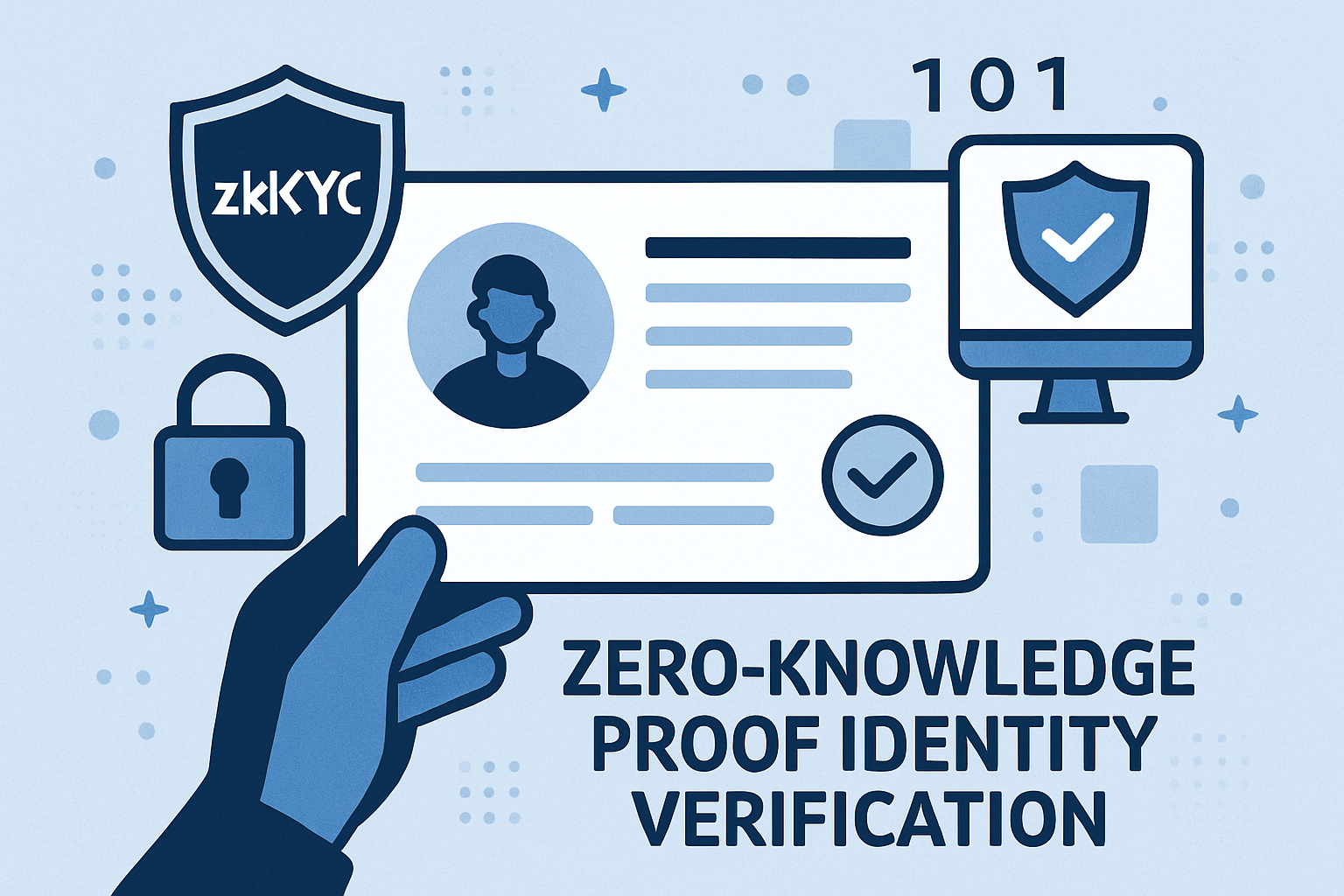
- Zero-Knowledge KYC (zkKYC): Privacy-preserving protocols like zkKYC enable users to prove compliance with KYC requirements without disclosing sensitive personal data, leveraging advanced cryptography.
- Decentralized Identity Protocols: Platforms such as Ethereum Attestation Service (EAS) and Polygon ID provide frameworks for issuing, managing, and verifying on-chain attestations, promoting interoperability across dApps.

- Hybrid Compliance Models: Projects like Altme are blending traditional KYC verification with on-chain attestations to balance regulatory compliance and user privacy in Web3.

- Reusable Verifiable Credentials: Services such as Sumsub and Binance's BNB Attestation Service allow users to convert verified Web2 credentials into reusable, on-chain attestations for seamless access to multiple platforms.

- On-Chain Attestation Registries: Solutions like Solana Attestation Service (SAS) are emerging as open protocols for turning off-chain facts into verifiable on-chain claims, enhancing transparency and trust in user identities.

Zero-knowledge proofs (ZKPs) are at the forefront, enabling users to prove eligibility (like age or residency) without revealing any other personal data. This not only preserves privacy but also opens up access for users previously excluded by rigid documentation requirements. Meanwhile, decentralized identity protocols are striving for interoperability, allowing a single attestation to unlock participation across DeFi, NFT platforms, DAOs, and more.
Hybrid models are also gaining traction. By combining traditional KYC checks with on-chain attestations, platforms can satisfy regulators while still delivering a streamlined experience to users. For instance, a user might complete a one-time off-chain verification and receive an on-chain credential that’s valid across multiple services. This approach addresses both compliance mandates and the need for composability in Web3.
Challenges Ahead: Standardization and Trust
No system is without its hurdles. For decentralized KYC to reach mainstream adoption:
- Attestor Reputation: The reliability of attestations hinges on the trustworthiness of issuers. Open-source reputation frameworks and transparent audit trails will be essential.
- Standardization: Without universal standards for on-chain credentials and schemas, there’s risk of fragmentation, limiting true interoperability.
- Regulatory Clarity: Many jurisdictions have yet to formally recognize blockchain-based credentials as compliant substitutes for traditional KYC records.
The open question is how quickly regulatory bodies will adapt to these innovations and whether industry-led initiatives can coalesce around shared standards before fragmented solutions take root. Recent collaborations between major exchanges and attestation providers suggest momentum is building toward broader acceptance.
What Does This Mean For Users?
If you’re an individual navigating the new world of blockchain-based services, or a builder evaluating options for your project, the shift toward on-chain attestations promises several practical benefits:
- Easier onboarding with reusable credentials
- Greater privacy control over sensitive information
- The ability to participate pseudonymously while remaining compliant
- Smoother access to global DeFi products regardless of jurisdictional friction points
The landscape is changing rapidly as technology outpaces regulation. But one thing is clear: decentralized identity frameworks like on-chain attestations are not just a technical upgrade, they’re foundational to making Web3 accessible, secure, and aligned with the values that drew so many builders here in the first place.




No comments yet. Be the first to share your thoughts!