
Web3 is in the midst of a digital identity revolution, and onchain attestations for KYCed addresses are at the heart of this transformation. Forget the days of submitting your passport and utility bill to every new DeFi project or NFT marketplace. With onchain attestations, users and organizations can now prove their identity credentials directly on blockchain networks, unlocking seamless access across platforms while keeping privacy and compliance front and center.

Cross-Chain Identity: One KYC, Infinite Access
Imagine onboarding once, then using your verified credentials everywhere in Web3. That’s the promise of cross-chain KYC verification powered by onchain attestations. Platforms like idOS Network are pioneering self-sovereign identity (SSI) frameworks that let users control and reuse their KYC credentials across multiple blockchain ecosystems. No more redundant checks or data leaks, just fast, frictionless access to DeFi protocols, token sales, DAOs, and allowlists.
This approach isn’t just about convenience. By placing verifiable credentials directly onto blockchains as non-transferable NFTs or standardized attestations, users retain sovereignty over their data while projects meet regulatory requirements like GDPR. The result? Enhanced privacy for individuals and bulletproof compliance for platforms.
Privacy-Preserving Compliance: Zero-Knowledge Proofs in Action
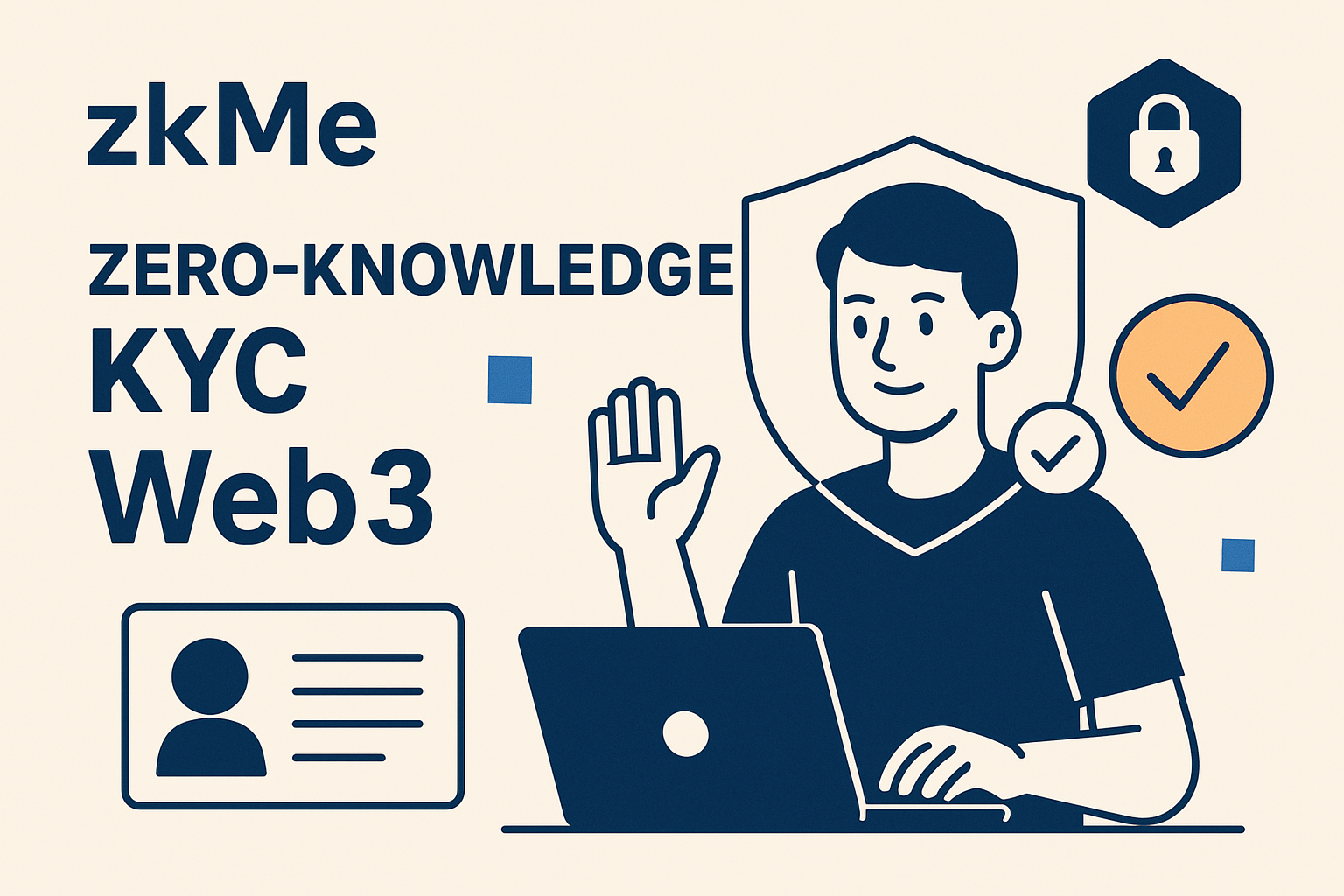
The magic behind this evolution is in the cryptography. Zero-knowledge proof (ZKP) technology enables users to prove they’ve passed KYC without revealing personal details, think "I’m over 18" without showing your birthdate. zkMe’s zero-knowledge KYC (zkKYC) system exemplifies this trend, letting users share only what’s necessary with dApps while keeping sensitive information private.
This privacy-first approach isn’t just theoretical, it’s already powering real-world use cases. For example, Altme issues non-transferable NFTs that represent verified credentials; these can be checked by decentralized applications to ensure compliance without ever exposing raw user data. If you’re building or managing an allowlist for a token sale or gated community, you can instantly verify eligibility while respecting user anonymity.
Top Benefits of Onchain KYC Attestations in Web3
- Seamless Cross-Chain Identity Verification: Platforms like idOS Network empower users to reuse their KYC credentials across multiple blockchain ecosystems, eliminating repetitive verification and streamlining onboarding.
- Privacy-Preserving Compliance: Solutions such as Altme issue non-transferable NFTs as proof of verified credentials, allowing dApps to confirm compliance without accessing sensitive personal data.
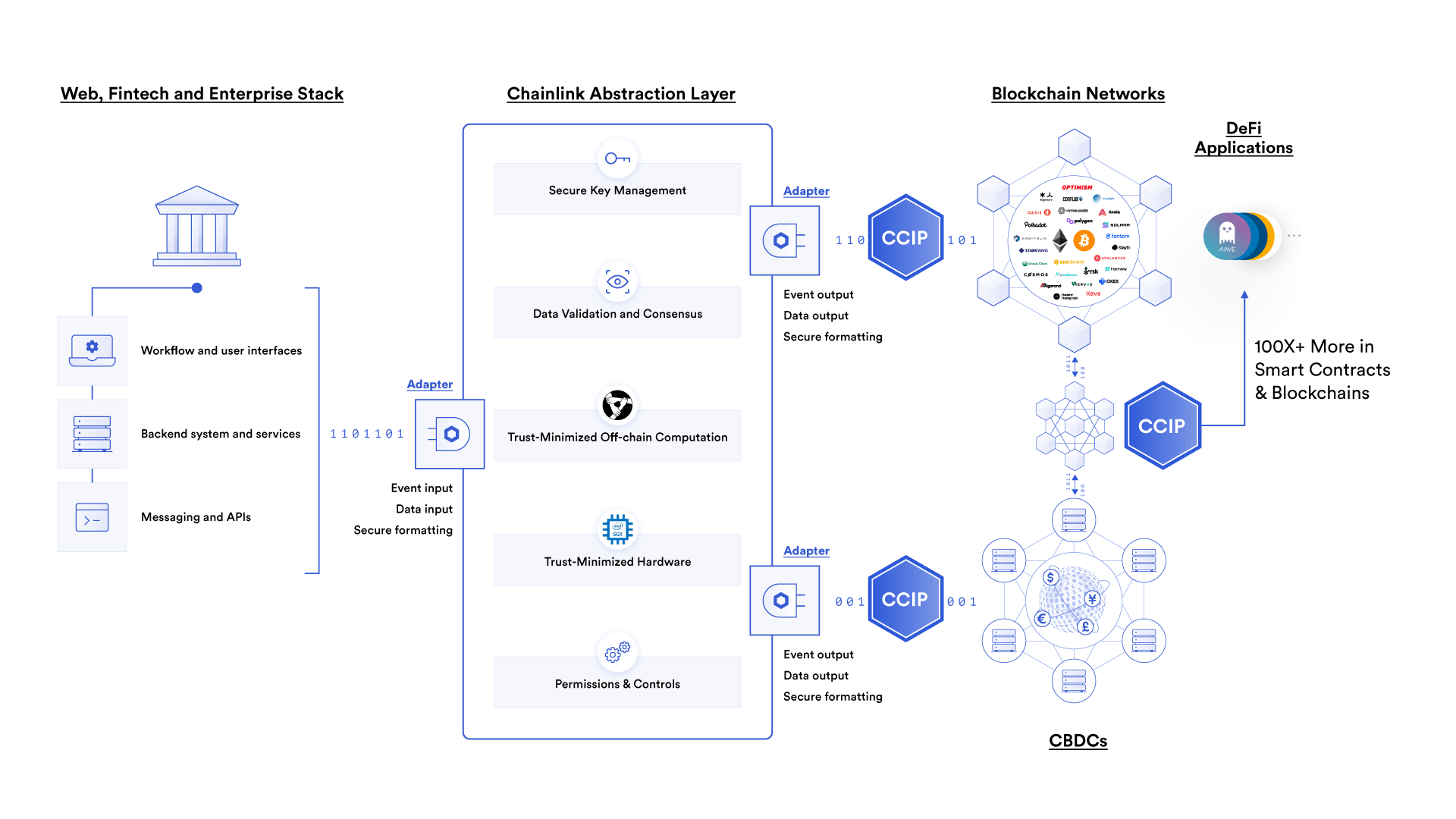
- Interoperability Through Standardization: The Chainlink Compliance Standard introduces the Onchain Compliance Protocol (OCP), making it easier for different platforms to integrate identity and compliance data across the Web3 landscape.

- Enhanced Privacy with Zero-Knowledge Proofs: Innovations like zkMe use zero-knowledge proofs to verify identities, enabling users to prove compliance without revealing personal information.
- Regulatory Alignment and User Control: Onchain attestations, as seen in idOS Network and Altme, help users maintain control over their data while ensuring compliance with global regulations like GDPR.
Interoperability and Standardization: The New Compliance Stack
The next leap forward comes from industry-wide standards that make these attestations usable anywhere in Web3. Chainlink’s Onchain Compliance Protocol (OCP) defines how decentralized oracle networks store compliance data onchain, enabling seamless integration between legacy identity systems and blockchain infrastructure.
ERC-8004 is another game changer, establishing a consistent schema for personhood proofs so that identity credentials work across chains and platforms out-of-the-box. This level of interoperability means your onchain attestation is as portable as your wallet address itself, paving the way for a truly open digital economy.
With these standards and protocols, projects can confidently onboard users from anywhere while maintaining robust, auditable compliance. For allowlist managers, DeFi protocols, and token launchpads, this means no more juggling spreadsheets or relying on siloed KYC providers. Instead, a single onchain attestation can unlock permissioned access across countless dApps and chains.
Let’s talk about real-world adoption. Major Web3 players are already leveraging onchain attestations for KYCed addresses to streamline user flows and reduce operational headaches. Token sales that once took days to verify participants now complete in minutes. DAOs can enforce jurisdictional compliance at the smart contract level, minimizing risk without sacrificing decentralization or user privacy.
But the benefits aren’t just for the big names. Individual users now have unprecedented control over their digital identity. You decide when and where to reveal your credentials, no more trusting third parties with sensitive docs. This self-sovereign approach is especially powerful for the unbanked and underbanked, who can prove eligibility for financial services without traditional paperwork.
OnchainKYCe. me in Action: Empowering Projects and Communities
Platforms like OnchainKYCe. me are at the forefront of this movement, providing a secure, privacy-preserving way to issue, manage, and verify KYC credentials directly on blockchain networks. Whether you’re running a token sale, building an exclusive NFT community, or managing a DeFi allowlist, OnchainKYCe. me’s attestations make compliance seamless, without ever exposing raw user data.
Top Use Cases for OnchainKYCe.me in Web3 Projects
- Cross-Chain Identity Verification: OnchainKYCe.me enables users to prove their KYC status seamlessly across multiple blockchain networks, supporting self-sovereign identity solutions like idOS Network. This streamlines onboarding and ensures regulatory compliance without repetitive KYC checks.
- Onchain Compliance for dApps and DeFi Platforms: By issuing reusable, privacy-preserving attestations, OnchainKYCe.me empowers decentralized applications to verify user compliance with KYC/AML regulations. Integrations with platforms like Altme allow dApps to check credentials without exposing sensitive data.

- Interoperability and Standardization: OnchainKYCe.me supports emerging standards such as the Chainlink Compliance Standard, making it easier for projects to integrate with decentralized oracle networks and existing identity systems for broad interoperability.
- Privacy-Preserving Identity Verification: Leveraging zero-knowledge proofs, OnchainKYCe.me enables users to verify their identity or jurisdiction without revealing personal information. This approach, as seen with zkMe, enhances privacy while maintaining compliance.
- Reusable Digital Credentials for Web3 Access: OnchainKYCe.me allows users to store and reuse their KYC credentials as onchain attestations, facilitating quick access to exchanges, NFT marketplaces, and DAOs without repeated verification processes.
The best part? These attestations are reusable across any ecosystem that supports open standards like OCP or ERC-8004. That means less friction for users and lower costs for projects, an absolute win-win as Web3 matures.
The Road Ahead: Building Trust Without Borders
The future of digital identity is interoperable, privacy-first, and fully decentralized. As more platforms embrace cross-chain KYC verification powered by onchain attestations, we’re moving closer to a world where trust is portable, and compliance doesn’t come at the expense of user sovereignty.
If you’re ready to empower your community with secure identity credentials that work everywhere in Web3, and want to see how decentralized KYC compliance can transform your project, take a deeper dive into our guides:
- How Onchain Attestations Enhance KYCed Address Verification for Web3 Allowlists
- How Onchain Attestations Enable Seamless KYC Credential Verification Across Blockchains
- How Onchain Attestations Streamline KYC for Web3 Allowlists and Token Sales
The next wave of digital identity is here, and it’s open to everyone bold enough to build it.




No comments yet. Be the first to share your thoughts!